
For centuries, our understanding of ancient civilizations has been shaped by monumental ruins and historical texts, hinting at grand empires and forgotten peoples. Yet the earth holds many more secrets than we ever imagined. Modern archaeology, armed with groundbreaking technologies and innovative methodologies, is peeling back layers of time and dense vegetation to unveil “hidden empires”—civilizations whose true scale, complexity, or even existence was previously unknown or vastly underestimated. This isn’t just about finding new sites; it’s about rewriting history, revealing the incredible ingenuity and diversity of humanity’s past, and demonstrating that the story of civilization is far richer and more intricate than we ever dared to believe.
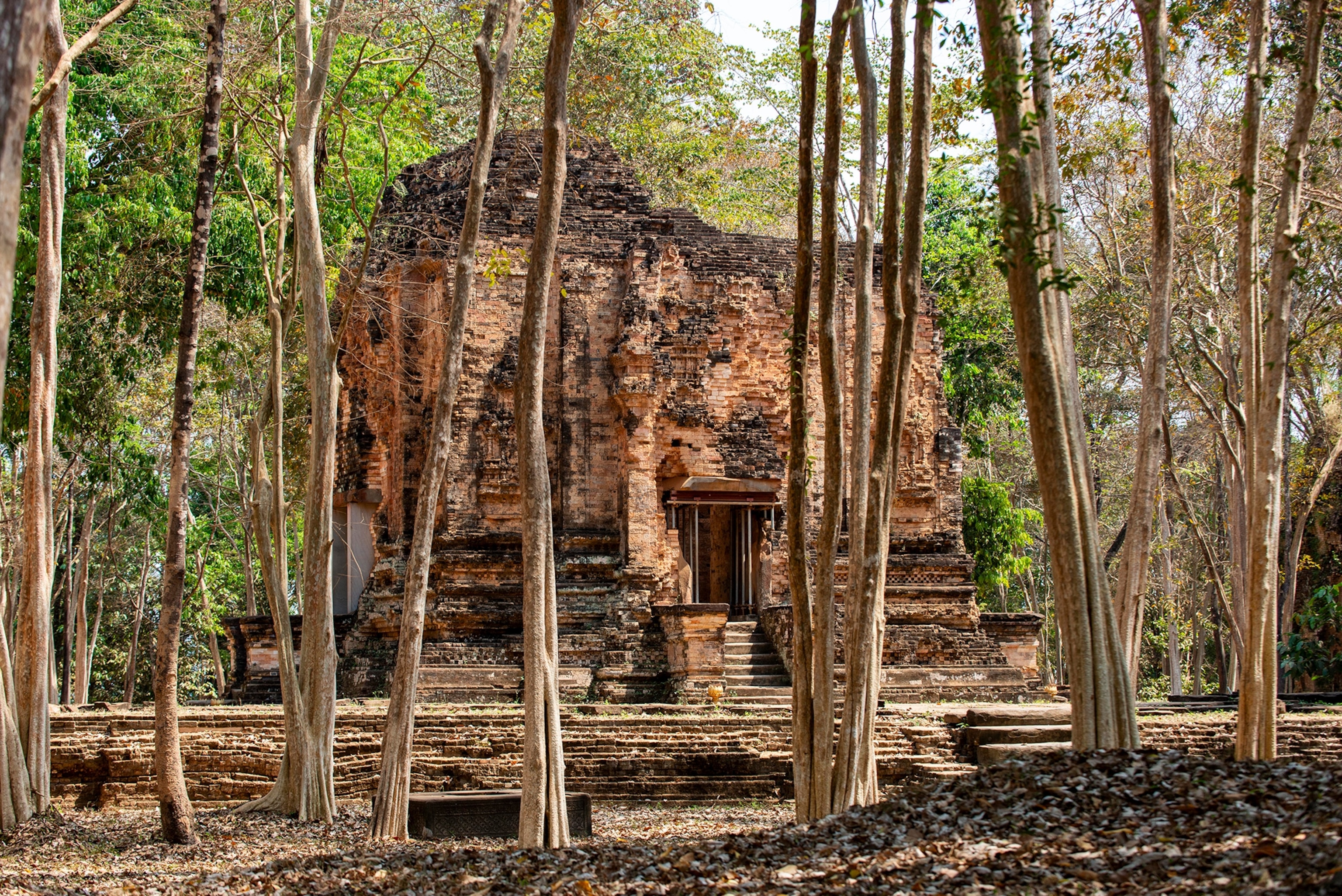
What Exactly is a “Hidden Empire”?
When we talk about “hidden empires,” we’re not always referring to civilizations completely unknown to history. Often, these are societies whose true extent, influence, or sophistication has been obscured by time, environmental factors, or even historical biases. They might be:
- Physically Lost: Entire cities or vast settlements swallowed by jungles, deserts, or the sea, only to be revealed by remote sensing.
- Misunderstood or Underestimated: Civilizations known by name but whose imperial reach, population density, or technological prowess was far greater than previously thought.
- Culturally Obscured: Societies whose narratives were overshadowed by more dominant neighbors, or whose unique contributions were not fully appreciated.
The quest to unveil these hidden empires is driven by a deep curiosity about our shared human story. It challenges long-held assumptions about how civilizations developed, interacted, and ultimately faded from view.

From Shovels to Satellites: The Evolution of Archaeological Discovery
Archaeology has come a long way from the romanticized image of adventurers digging for treasure. The journey from manual excavation to high-tech remote sensing has revolutionized our ability to locate and understand ancient sites.
In the early days, archaeology was largely about visible monuments and serendipitous finds. Explorers stumbled upon ruins, and early excavators relied on brute force and intuition. While invaluable, this approach was limited to what was obvious or easily accessible.
The mid-20th century saw the rise of systematic archaeological surveys and careful excavation techniques