
Unmasking Censored Histories: Illuminating Hidden Truths and Historical Cover-Ups
History is not just a collection of facts; it is a dynamic narrative, constantly shaped by those who tell it, and often, by those who choose to suppress parts of it. Suppressed history refers to historical events, facts, or perspectives that have been deliberately omitted, downplayed, or actively concealed from public knowledge, often to serve specific political, ideological, or economic agendas. For history scholars and truth-seekers alike, uncovering these hidden truths and historical cover-ups is not merely an academic exercise but a vital quest to understand our past more completely, challenge established narratives, and build a more accurate foundation for the future. This article delves into the mechanisms of historical suppression, explores why societies engage in such cover-ups, and highlights the profound importance of bringing these concealed stories to light.

The Nature of Suppressed History: More Than Just Forgotten Facts
When we talk about suppressed history, we are not simply discussing events that have faded from collective memory or facts that are obscure. Instead, we are examining deliberate acts of concealment. Think of it as an active process where certain narratives are amplified, while others are systematically silenced, erased, or distorted. This is not always a grand conspiracy; sometimes, it is a slow, insidious erosion of truth, driven by convenience, shame, or the desire to maintain a particular self-image.
At its core, suppressed history is about power. Those in positions of authority—governments, institutions, dominant social groups—often control the means of historical dissemination: archives, education systems, media, and public monuments. They possess the capacity to shape what is remembered and how it is interpreted, effectively curating a version of the past that aligns with their interests. This curated history can foster national unity, justify past actions, or maintain existing power structures, often at the expense of marginalized voices and inconvenient truths.
The spectrum of historical suppression is broad. It can range from subtle omissions in textbooks that downplay uncomfortable aspects of national history, to the outright destruction of documents, the fabrication of evidence, or the systematic silencing and even persecution of those who dare to challenge official narratives. Understanding this spectrum is crucial because it reveals the multifaceted ways truth can be obscured, making the task of unmasking these cover-ups both challenging and deeply rewarding.

Mechanisms of Historical Cover-Ups: How Are Truths Hidden in Plain Sight?
The act of suppressing history is rarely a simple one; it involves a sophisticated interplay of strategies designed to control information and perception. For truth-seekers, recognizing these mechanisms is the first step toward piercing the veil.

Archival Secrecy and Classification: The Government’s Role
One of the most potent tools for historical suppression lies within governmental and institutional archives. Documents deemed sensitive can be classified for decades, sometimes indefinitely, under the guise of national security or public interest. While legitimate reasons for secrecy exist, classification can also serve to shield governments, corporations, or individuals from accountability for past misdeeds, human rights abuses, or policy failures. The sheer volume of classified material, often hidden behind bureaucratic hurdles, makes independent verification incredibly difficult. Think of the long-term secrecy surrounding certain intelligence operations or the true casualty figures of specific conflicts; these remain locked away, shaping an incomplete public understanding of events.
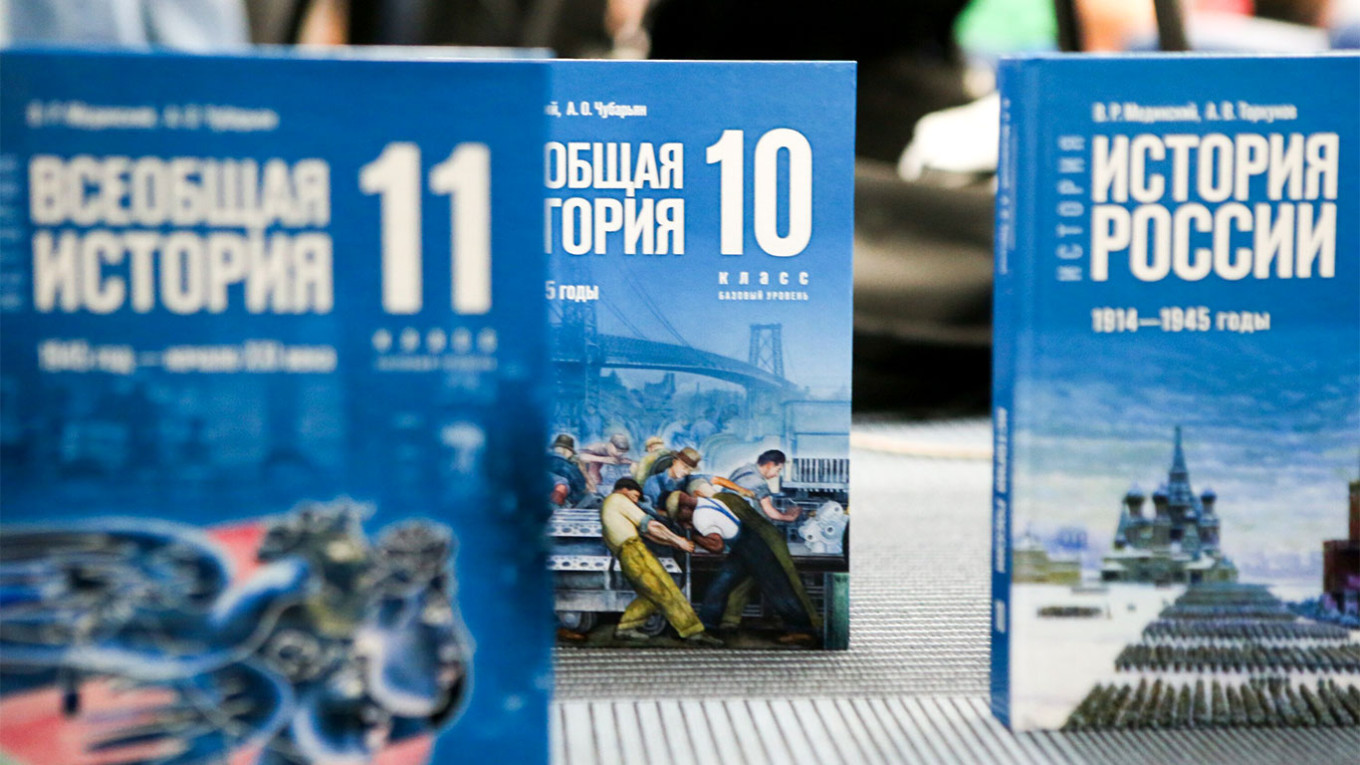
Propaganda and Rewriting Textbooks: Shaping Public Perception
Perhaps the most pervasive method of historical suppression is through the control of public education and media. Textbooks, particularly at the primary and secondary levels, are powerful instruments for shaping a society’s collective memory. Governments and educational bodies often dictate curricula, emphasizing narratives that promote national pride, downplay controversial episodes, or omit the perspectives of minority groups. This is not just about what is taught, but what is not taught. Similarly, state-controlled media or heavily influenced private media can disseminate official versions of history, using propaganda to reinforce desired interpretations and discredit alternative viewpoints. This constant reinforcement can make it incredibly difficult for individuals to question the established historical narrative later in life.
Silencing Dissent and Erasing Voices: Targeting Individuals and Groups
Historical cover-ups are not just about documents; they are also about people. Those who challenge official histories, whether they are historians, journalists, activists, or whistleblowers, often face significant pressure. This can manifest as professional ostracization, character assassination, denial of access to resources, or even legal and physical threats. By discrediting or silencing dissenting voices, those in power can maintain control over the narrative, creating an environment where challenging the status quo becomes risky. This mechanism extends to the erasure of entire groups from historical accounts, particularly indigenous peoples, marginalized communities, or victims of state-sponsored violence, whose experiences are deemed inconvenient or contradictory to the dominant story.
The Role of Media and Information Control
In the modern era, the media plays a crucial, if sometimes unwitting, role in historical suppression. The constant churn of news, the focus on immediate events, and the sensationalization of certain stories can inadvertently push deeper historical contexts and nuanced analyses out of the public discourse. Furthermore, the rise of “fake news” and disinformation campaigns, often designed to muddy the waters of historical truth, makes it increasingly challenging for individuals to discern accurate information from deliberate manipulation. This control over information flow, both intentional and unintentional, creates fertile ground for suppressed histories to remain hidden.
Why Do Societies Suppress History? The Motivations Behind the Veil
Understanding the how of historical suppression leads naturally to the why. The motivations behind these cover-ups are complex, often rooted in a desire for self-preservation, control, and the maintenance of a comfortable national or collective identity.
Protecting National Pride and Mythologies
Every nation constructs foundational myths and narratives that contribute to its sense of identity and purpose. These stories often highlight heroic deeds, noble intentions, and a progressive trajectory. Suppressed histories frequently involve events that contradict these cherished myths—instances of injustice, exploitation, or moral compromise. Revealing these truths can be deeply uncomfortable, challenging the very fabric of national pride and potentially leading to collective guilt or shame. Therefore, suppressing such histories becomes a way to preserve a flattering, albeit incomplete, self-image.
Maintaining Political Stability and Power Structures
Those in power have a vested interest in maintaining the status quo. Historical narratives can be powerful tools for legitimacy, justifying current political systems, leaders, or policies. Exposing historical cover-ups, particularly those involving past abuses of power, corruption, or systemic inequalities, can destabilize existing power structures, provoke public outrage, and even lead to demands for reparations or systemic change. Suppressing these histories is a calculated effort to prevent such challenges and ensure continuity.
Economic Interests and Corporate Influence
It is not just governments that engage in historical suppression. Powerful corporations and economic entities also have motivations to hide past actions that might expose unethical practices, environmental damage, worker exploitation, or financial malfeasance. The history of certain industries, for example, might be carefully curated to omit chapters detailing their involvement in slavery, colonial resource extraction, or the deliberate suppression of scientific findings that threatened their profits. Uncovering these truths could lead to legal liabilities, reputational damage, and significant financial losses.
Avoiding Guilt and Accountability
Perhaps the most human reason for historical suppression is the desire to avoid guilt and accountability. Individuals, groups, or even entire generations might wish to forget or deny their complicity in past injustices. This can manifest as a collective amnesia regarding atrocities, a refusal to acknowledge systemic discrimination, or a reluctance to confront the legacies of colonialism or slavery. By suppressing these histories, societies can sidestep difficult conversations, avoid reparations, and escape the burden of confronting uncomfortable moral truths.
Case Studies: Glimpses into Hidden Pasts
While specific, recent examples of classified documents are beyond the scope of this general discussion, we can observe broad categories where suppressed histories frequently emerge. These are not isolated incidents but recurring patterns across diverse cultures and eras.
Colonial Atrocities and Indigenous Narratives
For centuries, the histories of colonial empires were largely written by the colonizers, celebrating conquest and “civilizing missions.” However, suppressed histories often reveal the brutal realities of colonization: massacres, forced displacement, cultural destruction, and systemic exploitation endured by indigenous populations. The push to decolonize history, often led by indigenous scholars and communities, is bringing these long-silenced narratives to the forefront, challenging romanticized versions of empire.
War Crimes and Post-Conflict Amnesia
In the aftermath of conflicts, winning nations often control the narrative, framing their actions as just and necessary. Yet, many suppressed histories pertain to war crimes, atrocities committed by the victors, or the true human cost of conflicts that are later sanitized for public consumption. Documents, survivor testimonies, and independent investigations often surface decades later, painting a far more complex and often disturbing picture than the official wartime accounts.
Scientific Discoveries and Paradigm Shifts
Sometimes, suppressed history is not about malice but about the resistance of established paradigms. Revolutionary scientific theories, medical breakthroughs, or technological innovations that challenge dominant beliefs or vested interests can be suppressed or ridiculed for years. The history of medicine, for instance, contains instances where effective treatments were dismissed or alternative healing practices demonized by the mainstream, only to be revisited much later.
Social Movements and Their True Impact
The official histories of social change often simplify complex movements, focusing on palatable leaders and sanitized demands. Suppressed histories, however, might reveal the radical roots of these movements, the diverse and often marginalized voices that fueled them, or the extent of state repression they faced. For example, the full breadth of civil rights activism, including more radical factions and their specific demands, is often simplified in mainstream narratives.
The Role of Revisionist History and Truth-Seeking
The term “revisionist history” can sometimes carry negative connotations, associated with denialism or distorting facts for ideological purposes. However, legitimate historical revisionism is a cornerstone of scholarly inquiry. It involves re-examining established narratives in light of new evidence, different methodologies, or previously suppressed perspectives. This process is crucial for uncovering hidden truths.
Distinguishing Legitimate Re-evaluation from Denialism
It is vital to differentiate between rigorous, evidence-based historical revisionism and outright historical denialism. Legitimate revisionists engage with sources, present arguments, and submit their findings to peer review. Denialists, in contrast, often ignore or invent evidence, promote conspiracy theories, and seek to absolve perpetrators of historical crimes. Truth-seekers must cultivate strong critical thinking skills to navigate this distinction.
The Courage of Whistleblowers and Independent Researchers
Many suppressed histories come to light through the courageous efforts of whistleblowers, investigative journalists, independent historians, and citizen researchers. These individuals often risk their careers, reputations, and even personal safety to expose hidden documents, publish alternative accounts, or amplify marginalized voices. Their dedication is indispensable in challenging official narratives and forcing institutions to confront their past.
Digital Age and Decentralized Information: A Double-Edged Sword
The internet and digital technologies have profoundly impacted the landscape of historical inquiry. On one hand, they have democratized access to information, allowing independent researchers to share findings, connect with global archives, and bypass traditional gatekeepers. This decentralization has been instrumental in bringing many suppressed histories to wider attention. On the other hand, the digital age also presents challenges, with the proliferation of misinformation, deepfakes, and echo chambers making it harder to verify sources and discern genuine historical scholarship from agenda-driven narratives.
The Impact of Unmasking Suppressed Histories: Why Does It Matter?
Uncovering hidden truths is more than an academic exercise; it has profound implications for individuals, societies, and our collective future.
Reclaiming Identity and Restoring Justice
For communities