Unmasking Censored Histories: Illuminating Hidden Truths and Challenging Cover-Ups
History, as we often encounter it, is not always a complete or objective record. Far too often, narratives are shaped, facts are omitted, and inconvenient truths are deliberately obscured, producing what we call suppressed history. These historical cover-ups and hidden truths are not merely academic curiosities; they fundamentally alter our understanding of the past, influence our present realities, and shape the trajectory of our future. For history scholars and truth-seekers alike, the journey to unmask these concealed narratives is a vital, ongoing quest—one that demands critical inquiry and a commitment to genuine discovery.

The Subtle Art of Historical Suppression: More Than Just Forgetting
When we talk about suppressed history, we are not simply referring to information accidentally lost to time or forgotten. We are delving into a more deliberate, often systemic process in which certain events, perspectives, or figures are intentionally downplayed, distorted, or even erased from collective memory. This is not always a dramatic burning of books; sometimes it is a quiet omission from textbooks, a strategic restriction of archives, or the subtle shaping of public memorials.
Think of history as a tapestry woven from countless threads. Suppression involves cutting out certain threads, re-dyeing others, or even adding fabricated ones to create a desired pattern. This manipulation can manifest in several ways:
- Omission: Simply leaving out uncomfortable facts, entire events, or the voices of marginalized groups. The absence speaks volumes, even when no direct lie is told.
- Distortion: Presenting facts in a biased way, twisting motivations, or exaggerating certain aspects while minimizing others. This often involves crafting a revisionist history that serves a particular agenda.
- Outright Destruction or Concealment: The physical removal or hiding of documents, artifacts, and testimonies that contradict the preferred narrative.
- Discrediting Witnesses: Attacking the credibility of those who attempt to reveal alternative accounts, labeling them as conspiracists or unpatriotic.
- Rewriting the Past to Justify the Present: Authoritarian governments frequently revise history to portray themselves as inevitable and rightful successors, glorifying their origins while demonizing predecessors or rivals. The Soviet Union under Stalin famously airbrushed purged officials from photographs and historical records, literally erasing their existence.
- Creating a Unified National Identity: New nations or those undergoing significant transitions often craft a heroic national narrative, glossing over internal divisions, atrocities committed during their formation, or uncomfortable aspects of their past to foster unity and pride. This can involve downplaying the suffering of indigenous populations or internal minority groups.
- Whitewashing Colonial Legacies: Former colonial powers often minimize the brutality and exploitation inherent in their empires, focusing instead on supposed civilizing missions or economic benefits. The true scale of violence, resource extraction, and cultural destruction is frequently omitted from mainstream education.
- Minimizing Wartime Atrocities: Nations involved in conflicts, even those considered victors, may suppress records or acknowledge only minimally the atrocities committed by their own forces or allied groups. This protects national pride and avoids accountability.
- Concealing Environmental Damage: Industries might suppress scientific studies or historical accounts detailing long-term ecological destruction caused by their operations, fearing legal repercussions or public backlash.
- Burying Unethical Business Practices: The historical links between certain corporations and slavery, forced labor, or exploitation have often been obscured until rigorous investigative journalism or academic research brought them to light.
- Silencing Marginalized Voices: Histories of resistance, rebellion, or alternative social structures from marginalized groups—including women, minorities, and LGBTQ+ communities—have often been ignored or dismissed, perpetuating dominant narratives.
- Preventing Social Unrest: Governments or powerful groups might suppress accounts of past injustices against specific communities, fearing that their revelation could spark unrest, demands for reparations, or a re-evaluation of social structures.
- Classified Documents and Secrecy: Governments routinely classify documents for decades, sometimes centuries, citing national security. While legitimate in some cases, this can also shield past actions from public scrutiny. The slow declassification process often reveals hidden truths about intelligence operations, political decisions, and international relations.
- Purging Records: In more extreme cases, regimes may actively purge archives of material that contradicts their official narrative. This was a hallmark of totalitarian states, but it can also occur on a smaller scale within institutions seeking to hide past wrongdoings.
- Selective Inclusion: Textbooks can focus heavily on certain aspects of history while entirely omitting others. For example, some national curricula might emphasize heroic military victories while downplaying the human cost or the motivations of the enemy.
- Framing and Interpretation: Even when events are included, the way they are framed—the language used, the emphasis placed on certain causes or effects—can subtly alter perception. This is where revisionist history often takes root, presenting a sanitized or propagandistic version of events.
- State-Controlled Media: In many countries, state-controlled media outlets consistently promote an official historical narrative, often demonizing alternative viewpoints or ignoring inconvenient facts.
- Historical Revisionism in Popular Culture: Films, television shows, and novels can also play a role in historical revisionism, sometimes unintentionally, by simplifying complex events or perpetuating myths. When this is done deliberately to push an agenda, it becomes a powerful form of suppression.
- Academic Pressure and Censorship: Scholars who publish research contradicting established narratives can face professional ostracism, funding cuts, or even threats to their employment.
- Legal and Political Persecution: In more repressive environments, those who speak out can face arrest, imprisonment, or even violence. This chilling effect discourages others from questioning the official story.
- Glorifying Contested Figures: Statues of figures involved in slavery, colonialism, or other injustices can perpetuate a biased historical narrative, effectively suppressing the experiences of those they oppressed.
- Omitting Key Events: The absence of memorials for certain tragedies or marginalized communities can be a form of historical erasure, denying their place in collective memory.
- The Cover-Up: Local authorities, newspapers, and state officials actively suppressed reports, destroyed evidence, and failed to prosecute perpetrators. Textbooks remained silent, and generations grew up unaware of this devastating event.
- The Unmasking: It was not until the late twentieth century, largely due to the persistent efforts of survivors, descendants, and dedicated historians, that the truth began to emerge. The Oklahoma Commission to Study the Tulsa Race Riot of 1921 published its report in 2001, finally acknowledging the massacre and recommending reparations. This is a powerful example of how suppressed history can be deliberately buried and then painstakingly exhumed.
- The Cover-Up: Post-war Japan largely suppressed official records and denied the state’s direct involvement for decades. Survivors, often shamed into silence, struggled to have their stories heard.
- The Unmasking: Starting in the 1980s and 1990s, survivors—often elderly—bravely came forward to share their testimonies. Activists, historians, and international organizations pushed for recognition and reparations. While the issue remains politically sensitive, global awareness of this hidden truth has grown significantly, challenging the official revisionist history and demanding justice for victims.
- The Cover-Up: The CIA consistently denied widespread involvement in media manipulation for decades. Details were highly classified, and internal operations were designed to be covert.
- The Unmasking: Investigations, notably the 1975 Church Committee report by the U.S. Senate, revealed that the CIA had indeed engaged in covert propaganda activities, including placing agents within media organizations and funding publications. While the full extent of “Mockingbird” remains debated by some, these revelations shattered public trust and highlighted the potential for government agencies to engage in historical cover-ups regarding their own activities.
- The Cover-Up: Textbooks and popular culture for generations largely presented Indigenous peoples as obstacles to progress, justifying their subjugation. Treaties were broken, massacres were committed—such as at Wounded Knee—and entire cultures were systematically dismantled, yet these events were often minimized or framed as necessary evils.
- The Unmasking: Through the tireless work of Indigenous historians, activists, and sympathetic scholars, a more accurate and nuanced history has emerged. Oral histories, tribal archives, and critical re-examinations of government records have illuminated the hidden truths of the “Indian Wars,” revealing them as a brutal campaign of conquest and cultural destruction. This ongoing revisionist history is crucial for understanding the present-day struggles of Native American communities.
The goal is almost always to control perception, maintain power, or protect reputations. Understanding these mechanisms is the first step in recognizing when history might be telling only part of the story.

What Drives the Veil? Motivations Behind Historical Cover-Ups
Why would anyone go to such lengths to bury the past? The motivations behind historical cover-ups are complex and deeply human, often stemming from powerful desires related to control, identity, and legacy.

Political Power and Legitimacy
Perhaps the most common driver is the desire to solidify political power and legitimacy. Regimes throughout history have understood that controlling the narrative of the past is crucial for controlling the present and future.
National Identity and Pride
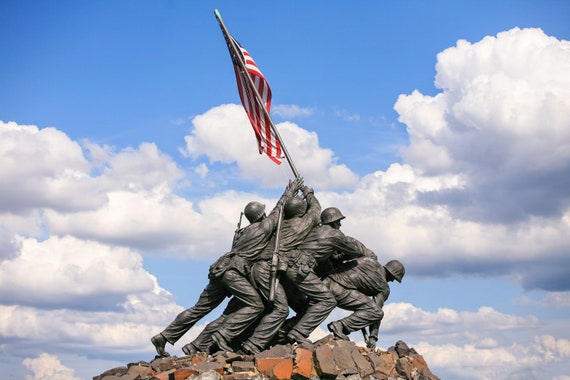
Beyond direct political power, the desire to protect a nation’s perceived honor or identity can lead to significant historical omissions. Many countries struggle to confront aspects of their past that involve colonialism, slavery, war crimes, or systemic injustices.

Economic Interests and Corporate Secrecy
The pursuit of profit and the protection of vast economic interests can also be powerful motivators for historical cover-ups. Corporations, industries, or powerful financial institutions may seek to suppress information that exposes unethical practices, environmental damage, or complicity in historical injustices.
Social Cohesion and Control
Sometimes history is suppressed to maintain social order or to prevent narratives that could challenge existing social hierarchies or cultural norms. This can be particularly true in societies with deep-seated inequalities.
Ultimately, these motivations reveal a fundamental truth: history is not just a collection of facts, but a narrative—and narratives can be incredibly powerful tools for shaping the present.
The Arsenal of Erasure: How History Gets Hidden
The methods used to suppress history are as varied as the motivations behind them. From the subtle to the brutal, these mechanisms ensure that certain narratives remain in the shadows.
Archival Control and Destruction
One of the most direct ways to control history is to control its primary sources. Access to archives, the very bedrock of historical research, can be deliberately limited, and documents can be selectively destroyed or “lost.”
Educational Curriculum Manipulation
What children are taught in schools profoundly shapes their understanding of their nation and the world. Controlling the curriculum is a powerful tool for shaping future generations’ historical perspectives.
Media and Propaganda
In the age of information, control over media is paramount. Propaganda, both overt and subtle, can shape public memory in real time and influence how past events are remembered.
Suppression of Dissenting Voices
Historians, journalists, activists, and witnesses who attempt to challenge official narratives or reveal hidden truths often face significant pressure.
Curating Public Memory: Statues and Memorials
Public spaces adorned with statues and memorials serve as powerful reminders of what a society chooses to honor and remember. The selection and design of these monuments are rarely neutral.
These mechanisms, often working in concert, create a formidable barrier to accessing a complete and accurate understanding of the past.
Unearthing the Past: Powerful Examples of Hidden Truths
While the mechanisms of suppression are formidable, dedicated truth-seekers continually manage to pierce the veil, bringing hidden truths to light. These examples underscore the profound impact of suppressed history and the importance of unmasking it.
The Tulsa Race Massacre: A Century of Silence
For decades, the horrific events of May 31–June 1, 1921, in Tulsa, Oklahoma, were largely erased from American history books. A thriving Black community, Greenwood—known as “Black Wall Street”—was violently attacked by a white mob. Homes and businesses were burned, hundreds of Black residents were killed, and survivors were interned.
Japan’s “Comfort Women”: Denied Atrocities
During World War II, the Imperial Japanese Army forcibly recruited and enslaved women, primarily from Korea, China, and other occupied territories, as so-called “comfort women” for its soldiers. This systemic sexual slavery was widespread and brutal.
Operation Mockingbird: CIA and Media Influence
Allegations of the CIA’s involvement in influencing domestic and international media outlets, often referred to as “Operation Mockingbird,” have long been a subject of controversy and concern, raising questions about the true independence of information.
The Brutality of the American West’s “Indian Wars”
The popular narrative of the American West often romanticizes westward expansion, portraying it as a heroic conquest of untamed wilderness. This narrative frequently downplays or omits the systematic violence, forced displacement, and genocidal policies enacted against Indigenous peoples.
These examples, among countless others, demonstrate that suppressed history is not merely theoretical. It comprises real events, real suffering, and real consequences that continue to reverberate through time.
The Double-Edged Sword of Revisionist History
The term revisionist history itself can evoke strong reactions, often carrying negative connotations. However, it is crucial to understand that historical revisionism is not