
Hidden Empires Revealed: Unearthing Ancient Civilizations Through Modern Archaeology
Across the vast sweep of human history, countless empires have risen and fallen, leaving behind only fragments of their former glory. Yet many of these ancient civilizations remain concealed beneath the sands of time, awaiting discovery and interpretation. Modern archaeology has made extraordinary strides in unearthing these hidden empires, offering fresh perspectives on the lives of our ancestors. This article explores the captivating archaeological discoveries of lost civilizations that have reshaped our understanding of the past.
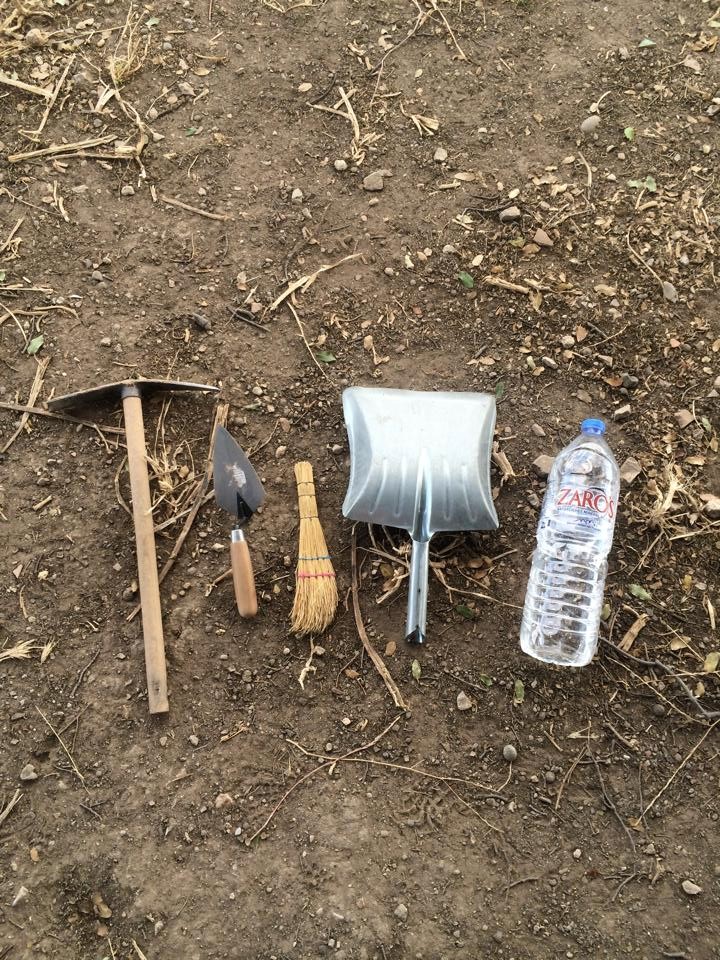
The Intriguing World of Archaeology
Archaeology is a fascinating discipline that weaves together history, science, and detective work. Through meticulous excavation, researchers bring the secrets of hidden empires to light, deciphering their cultures and glimpsing their daily lives. Every artifact, ruin, bone, or inscription uncovered holds the key to a forgotten past. These archaeological finds serve as tangible connections to ancient civilizations that vanished long ago.
)
Remarkable Archaeological Discoveries
Over the years, archaeologists have made numerous extraordinary discoveries that have revealed the existence of unknown civilizations and illuminated the sophisticated societies they built. Here are a few notable examples:

The Lost City of Helike
In ancient Greece, the city of Helike thrived as a prosperous metropolis and a significant cultural hub. In 373 BC, however, a devastating earthquake and tsunami destroyed the city, plunging it beneath the sea and erasing it from the map. For centuries, Helike remained one of the ancient world’s greatest mysteries—until modern archaeology located its ruins in the 19th century, finally solving a puzzle that had endured for over two millennia.
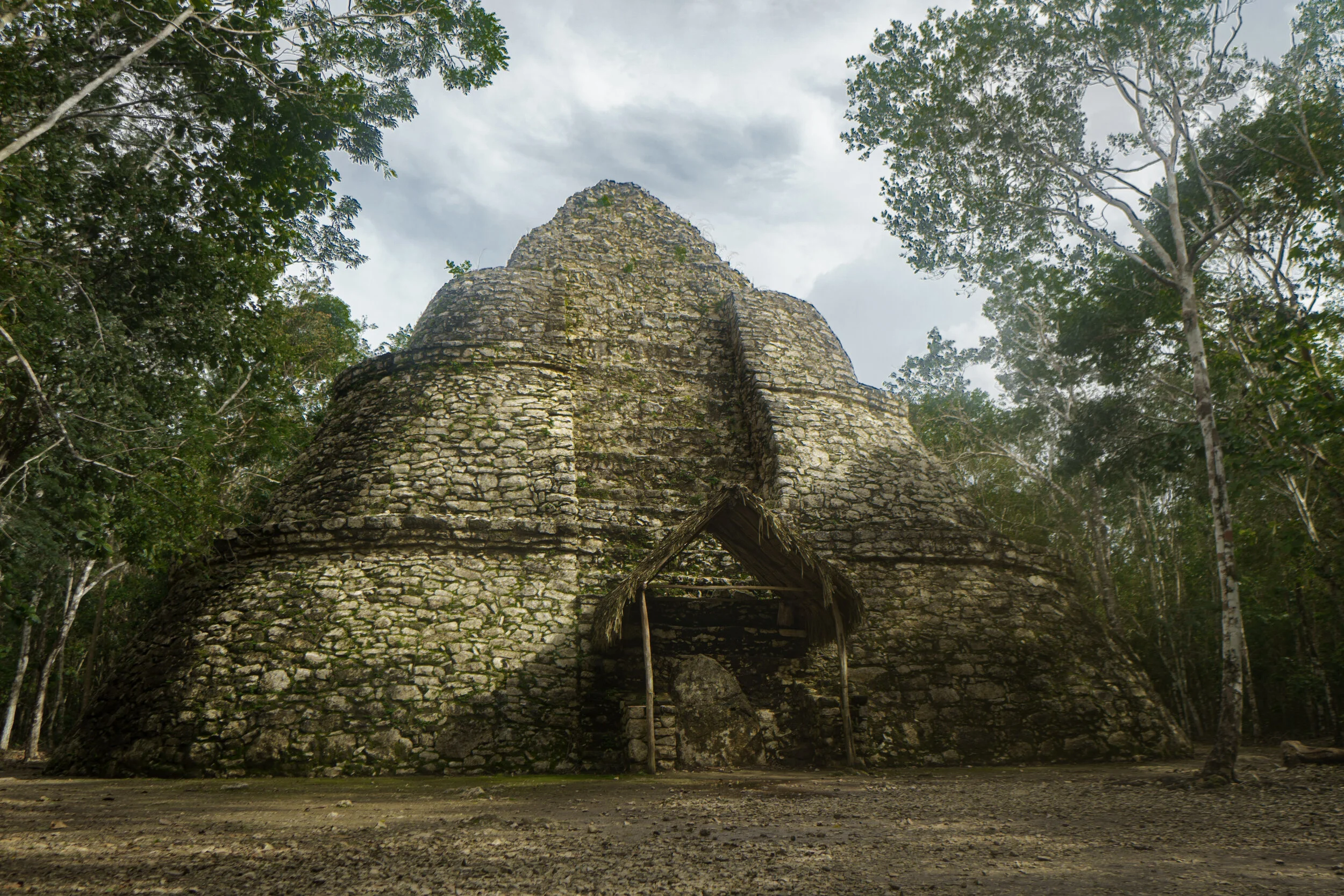
The Maya Civilization
The ancient Maya civilization was one of the most advanced and complex societies of its time, distinguished by remarkable achievements in astronomy, mathematics, and architecture. Yet around the 10th century, it mysteriously collapsed. The rediscovery of Maya cities hidden deep within the jungles of Central America stands as one of the most significant archaeological achievements of the modern era. These findings have dramatically deepened our understanding of Maya knowledge and cultural sophistication.

The Indus Valley Civilization
The Indus Valley Civilization, also known as the Harappan Civilization, was among the world’s earliest urban societies, flourishing even before ancient Egypt and Mesopotamia. This remarkable civilization remained entirely unknown until the 20th century, when archaeologists uncovered the ruins of its great cities, Mohenjo-Daro and Harappa. These excavations revealed an advanced society featuring impressive urban planning, sophisticated water management systems, and a distinctive writing system that scholars are still working to decipher.
The Terracotta Army of Qin Shi Huang
Discovered in 1974 in China, the Terracotta Army consists of thousands of life-sized statues depicting the forces of Qin Shi Huang, the first Emperor of China. This extraordinary find has provided invaluable insights into the military practices, weaponry, and uniforms of ancient China, offering an unprecedented window into the world of the Qin dynasty.
The Role of Modern Archaeology
Modern archaeology, equipped with cutting-edge technologies such as ground-penetrating radar, satellite imaging, 3D modeling, and DNA analysis, has revolutionized how we uncover hidden empires. These tools allow archaeologists to locate and study sites with minimal disruption, preserving irreplaceable cultural treasures for future generations.
LiDAR (Light Detection and Ranging) technology, for instance, has been instrumental in mapping Maya cities concealed beneath the dense forest canopy of Central America. Similarly, DNA analysis has transformed our understanding of ancient Egyptians, revealing new details about their health, diet, and family relationships.
The Value of Archaeological Discoveries
The significance of these archaeological discoveries extends far beyond satisfying our curiosity about the past. Findings from lost civilizations offer invaluable insights into human evolution, social organization, culture, and technological innovation. They help us understand the triumphs and failures of our ancestors, the challenges they confronted, and the resilience they demonstrated in overcoming them. This knowledge of the past informs our present and shapes our future.
Moreover, these discoveries enrich our cultural heritage, fostering a sense of shared history and collective identity. They provide a tangible link to our predecessors, allowing us to appreciate their accomplishments and learn from their missteps.
Conclusion
As we delve ever deeper into the past, we continue to uncover hidden empires and lost civilizations, revealing the rich tapestry of human history. Modern archaeology, with its innovative tools and techniques, plays an essential role in this ongoing quest. Each new discovery not only brings us closer to understanding our past but also transforms how we perceive the present and envision the future.
If the secrets of hidden empires intrigue you, why not explore further? Journey through the ages with our interactive timeline, where you can witness the rise and fall of ancient civilizations firsthand. Discover the captivating world of archaeology and embark on an unforgettable adventure through time.