
Unveiling Suppressed Histories: Revealing Hidden Truths Behind Censored Narratives
The annals of history are filled with stories that have been suppressed, distorted, or outright erased. In the pursuit of truth, the search for suppressed history and hidden truths remains an ongoing endeavor. This journey leads us through the dark corners of historical cover-ups and brings us face to face with the unsettling realities of revisionist history. In this article, we delve into the murky waters of concealed narratives and shine a light on these hidden truths.

The Nature of Suppressed History
The concept of suppressed history is not new. It stems from the realization that many historical narratives are manipulated to serve specific agendas. This manipulation can take the form of selective storytelling, deliberate omission, or even outright distortion of facts. These actions create a skewed version of history that obscures truth and hinders our understanding of the past.
For instance, the legacy of colonialism has often been sanitized in historical accounts, with the atrocities committed by colonial powers overlooked or downplayed. Similarly, the roles of women and racial minorities in shaping our world have frequently been marginalized or ignored, leading to a narrow and distorted view of our shared past.

Unraveling Historical Cover-Ups
Historical cover-ups are deliberate attempts to hide or alter facts about significant events or figures. They are often orchestrated by individuals or groups with the power to control the flow of information and shape public opinion. These cover-ups can have profound implications, as they can alter our understanding of events, distort our perception of individuals or groups, and even influence policy decisions.
Uncovering such hidden truths is a challenging task. It requires meticulous research, critical analysis, and often the courage to challenge established narratives. Yet the rewards of this painstaking endeavor are invaluable, as it allows us to gain a more accurate and comprehensive understanding of our past.
The Role of Revisionist History
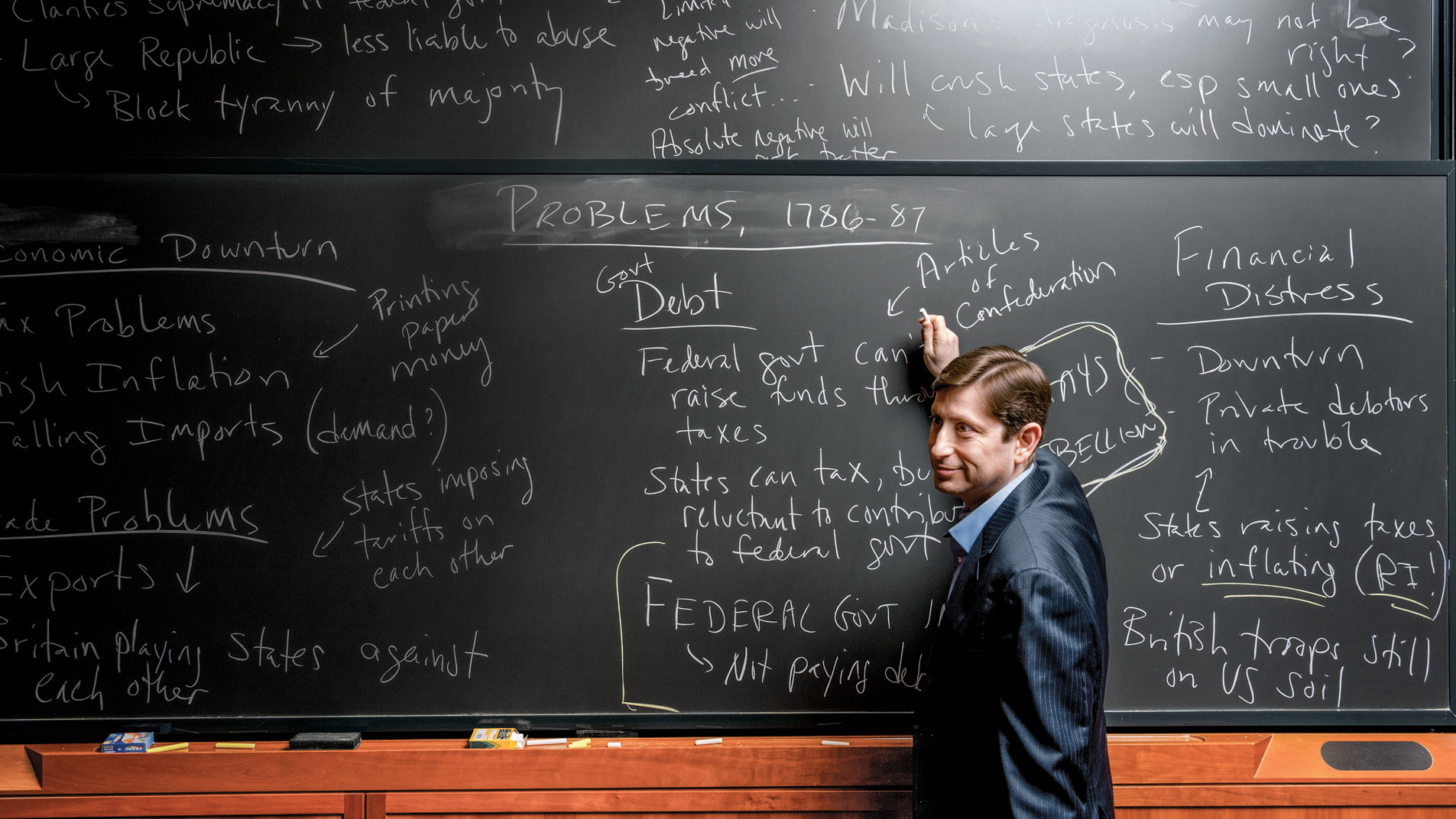
Revisionist history plays a critical role in unveiling suppressed histories. Revisionism, in the context of history, involves reinterpreting conventional views of historical events or figures based on new findings or perspectives. While revisionism can sometimes be used to distort history, it can also be a powerful tool in uncovering hidden truths.
Revisionist historians often challenge established narratives, scrutinize sources of historical data, and bring to light overlooked or ignored aspects of history. Their work can help correct misrepresented facts, fill in gaps in our understanding, and provide a more nuanced view of the past.
Consider, for example, the work of revisionist historians in challenging the dominant narrative of the American Civil War. For a long time, the war was romanticized as a noble fight for states’ rights. However, revisionist historians have demonstrated that the primary cause of the war was slavery, thereby debunking the myth of the “Lost Cause.”

Case Studies of Revealed Hidden Truths
There are numerous instances where suppressed historical narratives have been revealed, often with profound implications for our understanding of the past. Here are a few notable examples:
- The Tulsa Race Massacre: For decades, the horrific violence that unfolded in Tulsa, Oklahoma, in 1921 was largely left out of history books. The massacre resulted in the deaths of hundreds of African Americans and the destruction of a prosperous Black neighborhood. It was only in recent years that this hidden truth was brought to light, forcing a long-overdue reckoning with this dark chapter of American history.
- The Hidden Figures of NASA: The story of Katherine Johnson, Dorothy Vaughan, and Mary Jackson—African American women who played crucial roles at NASA during the Space Race—remained largely unknown until recently. Their contributions were finally recognized, challenging the predominantly white, male narrative of the Space Race.
- The Rape of Nanking: The mass murder and rape of Chinese civilians by Japanese soldiers during the Sino-Japanese War was a suppressed history for many years. The event was systematically downplayed or denied by Japanese nationalists. It took the persistent efforts of historians and activists to bring these atrocities to light.
The Importance of Revealing Hidden Truths
Unveiling suppressed histories and revealing hidden truths is vital for several reasons. First, it allows for a more accurate understanding of our past, enriching our collective memory. Second, it can challenge ingrained prejudices and misconceptions, fostering greater empathy and understanding among different groups. Finally, acknowledging historical injustices can pave the way for reconciliation and healing.
The journey to uncover these hidden truths is often fraught with obstacles. It requires courage, resilience, and a commitment to truth. However, the rewards—a more inclusive, nuanced, and truthful understanding of our shared history—are well worth the effort.
In conclusion, the unveiling of suppressed histories and the revealing of hidden truths is an ongoing endeavor that demands constant vigilance, critical inquiry, and an unwavering commitment to truth. As we continue to grapple with our past, let us strive to ensure that all voices are heard, all truths are acknowledged, and all histories are recognized.
Stay updated on the latest discoveries and debates in the world of history. Subscribe to our newsletter for exclusive updates on suppressed historical evidence. Together, let’s continue to pursue truth and illuminate the hidden corners of our past.