Unveiling Suppressed Histories: Revealing Hidden Truths Behind Censored Narratives
Introduction
The past is a vast canvas, filled with intricate designs of events that have shaped our world. Yet not all of these historical events are openly discussed or accurately represented. As history scholars and truth-seekers, it becomes our duty to delve deeper into the annals of time—to uncover suppressed history and bring to light the hidden truths concealed within censored narratives. This article offers an investigative and thought-provoking study into the phenomenon of historical cover-ups and the impact of revisionist history.
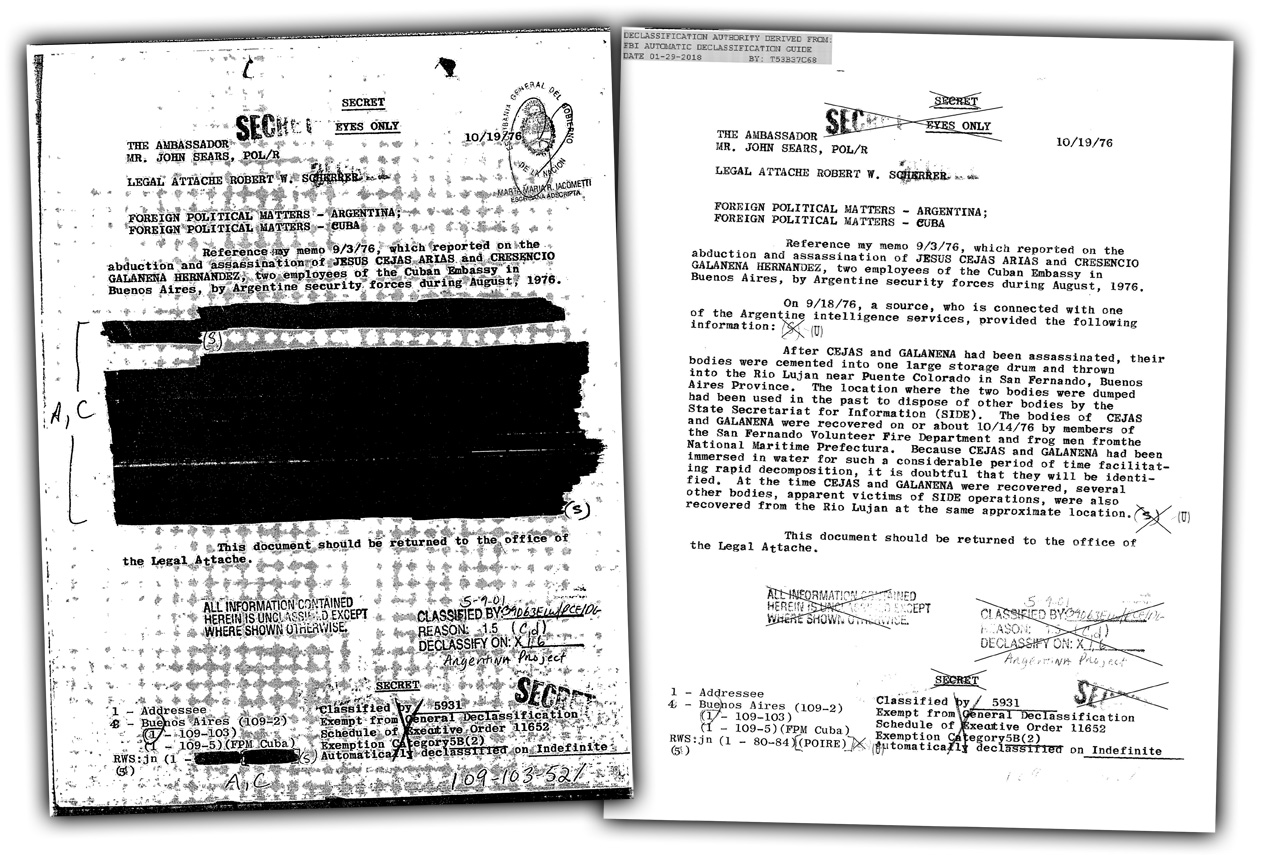
The Veil of Suppressed History
Suppressed history refers to historical events that have been intentionally obscured, minimized, or entirely erased from public record. These cover-ups can occur due to political agendas, cultural bias, religious beliefs, or a myriad of other reasons. The suppression of historical facts is not a new phenomenon; it has been a consistent component of historical narratives throughout the ages. From the erasure of Queen Hatshepsut from Egyptian history due to gender bias to the minimal recognition of the Native American genocide, the annals of history are punctuated with glaring omissions.

The Power of Hidden Truths
Hidden truths are historical facts that have been intentionally concealed or manipulated to present a different narrative. These truths have the power to alter our understanding of historical events and their impact on our present circumstances. For instance, the hidden truths about colonialism can reshape our perception of modern-day racial and economic inequality. Revealing these truths requires a commitment to questioning conventional narratives and conducting rigorous research into primary sources—often challenging established beliefs and institutions.

The Role of Revisionist History
Revisionist history plays a critical role in presenting alternative perspectives on historical events. It involves reinterpreting historical records, often to challenge dominant or accepted narratives. However, revisionist history can be a double-edged sword. On one hand, it can help rectify historical inaccuracies and bring marginalized voices to the forefront. On the other, it can be used maliciously to distort historical facts to serve a particular agenda.

Case Studies of Historical Cover-ups
Several historical cover-ups have had far-reaching implications on our understanding of history. Let’s examine a few of these:
- The Tulsa Race Massacre: For decades, one of the worst incidents of racial violence in U.S. history was nearly erased from public memory. The Tulsa Race Massacre of 1921, which resulted in hundreds of African Americans killed and thousands displaced, was barely mentioned in history books. Only in recent years has the true extent of the massacre been acknowledged.
- The Armenian Genocide: Despite overwhelming evidence and international recognition, the mass murder of 1.5 million Armenians by the Ottoman Empire during World War I is still denied by the Turkish government and is not universally acknowledged as a genocide.
- The Cultural Revolution in China: The ten-year period between 1966 and 1976, known as the Cultural Revolution, is often downplayed in Chinese history. The government-led campaign resulted in widespread chaos, violence, and human rights abuses, but these details are frequently omitted from official narratives.

Revealing Suppressed Histories: A Call to Action
As history scholars and truth-seekers, we must actively strive to uncover suppressed histories and reveal hidden truths. This includes questioning accepted narratives, conducting independent research, and promoting the dissemination of accurate historical information. By doing so, we can help rectify historical inaccuracies, acknowledge past wrongs, and ensure a more truthful representation of history for future generations.
Conclusion
The exploration of suppressed histories and hidden truths is not merely an academic endeavor—it is a collective responsibility. It is a journey that requires intellectual curiosity, moral courage, and a steadfast commitment to truth. As we continue to peel back the layers of historical cover-ups, we become more enlightened about our past and better equipped to understand our present and shape our future.
Share this knowledge with others and contribute to a more informed society. Subscribe to our newsletter for exclusive updates on suppressed historical evidence and join us in this pursuit of truth. Together, let’s strive for a more accurate, inclusive, and honest depiction of our shared history.