
Hidden Empires Revealed: Unearthing Ancient Civilizations Through Modern Archaeology
In the heart of the modern world, where technology and science reign supreme, fragments of our distant past still await discovery. Hidden empires—once thriving hubs of civilization—lie dormant beneath layers of earth, sand, and time. These lost civilizations, long obscured by the veil of centuries, are being brought back to light through the relentless efforts of modern archaeologists. Their echoes, buried in the annals of history, are resounding once again thanks to the power of archaeological discovery.
In this intriguing journey, we explore how modern archaeology is illuminating once-mighty empires lost to time—and how these discoveries are transforming our understanding of human history.

The Power of Archaeology in Unearthing Hidden Empires
Archaeology has evolved dramatically over the centuries. Today’s archaeologists are equipped with an array of advanced tools, from ground-penetrating radar and remote sensing technology to sophisticated dating techniques that aid in the discovery and analysis of ancient artifacts and structures. These modern methods allow researchers to penetrate deeper into the earth, uncovering relics of lost civilizations that offer invaluable insights into the past.

Archaeological Discoveries: A Window into the Past
Archaeology does more than unearth physical artifacts and architectural remnants; it unravels the hidden stories of human history, culture, and evolution. The discovery of ancient pottery, for instance, can reveal details about a civilization’s economy, artistic sensibilities, and technological advancements. Similarly, the excavation of burial sites and tombs sheds light on ancient beliefs, rituals, and societal hierarchies.
Noteworthy Archaeological Discoveries of Hidden Empires
Throughout history, several hidden empires have been brought to light through archaeological discovery. These excavations have unveiled stories of grandeur, innovation, and sometimes destruction. Let’s explore some of the most fascinating finds:
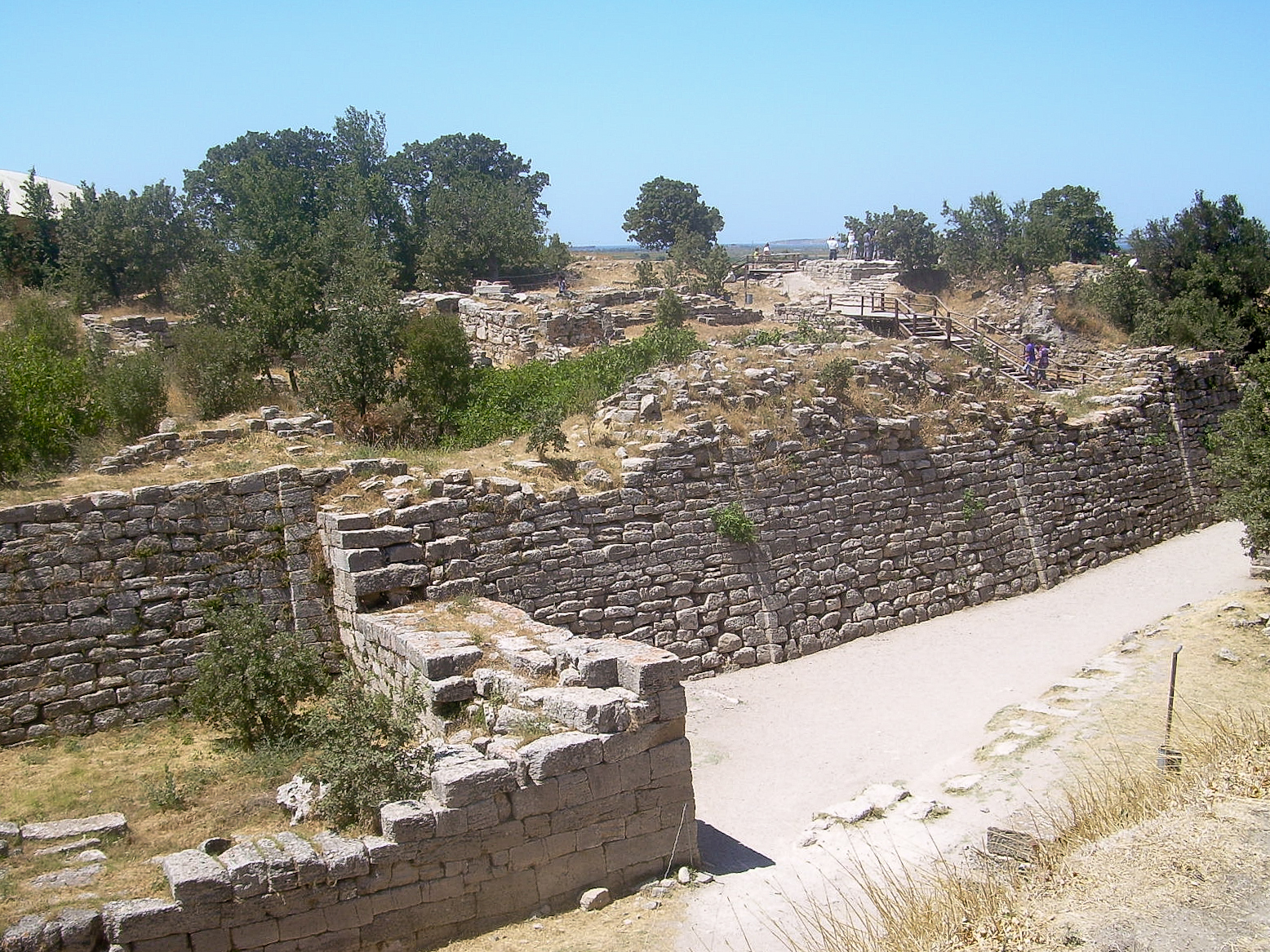
- The Lost City of Troy: Once believed to be a city of myth from Homer’s epic The Iliad, the archaeological site of Hisarlik in modern-day Turkey revealed the existence of the ancient city of Troy. Excavations led by Heinrich Schliemann in the late 19th century uncovered a series of cities built atop one another, indicating the city’s repeated destruction and reconstruction.
- The Mysterious Mayan Civilization: Hidden in the dense jungles of Central America, the remnants of the Mayan civilization were discovered in the 19th century. Cities like Tikal and Palenque revealed a complex society with advanced knowledge of astronomy, mathematics, and agriculture.
- The Sunken City of Thonis-Heracleion: Discovered off the coast of Egypt by underwater archaeologist Franck Goddio, the city of Thonis-Heracleion was a crucial port during the Late Period of ancient Egypt. Once believed to be a myth, its discovery confirmed both its existence and its significance in ancient trade routes.

The Role of Modern Archaeology in Unearthing Hidden Empires
Modern archaeology, with its blend of traditional excavation techniques and cutting-edge technology, has revolutionized the field. Tools such as LiDAR (Light Detection and Ranging), satellite imagery, and 3D imaging have made it possible to locate and study archaeological sites in ways never before possible. These technologies have not only streamlined the excavation process but have also minimized the risk of damage to delicate artifacts and structures.
Unraveling the Mysteries of Lost Civilizations
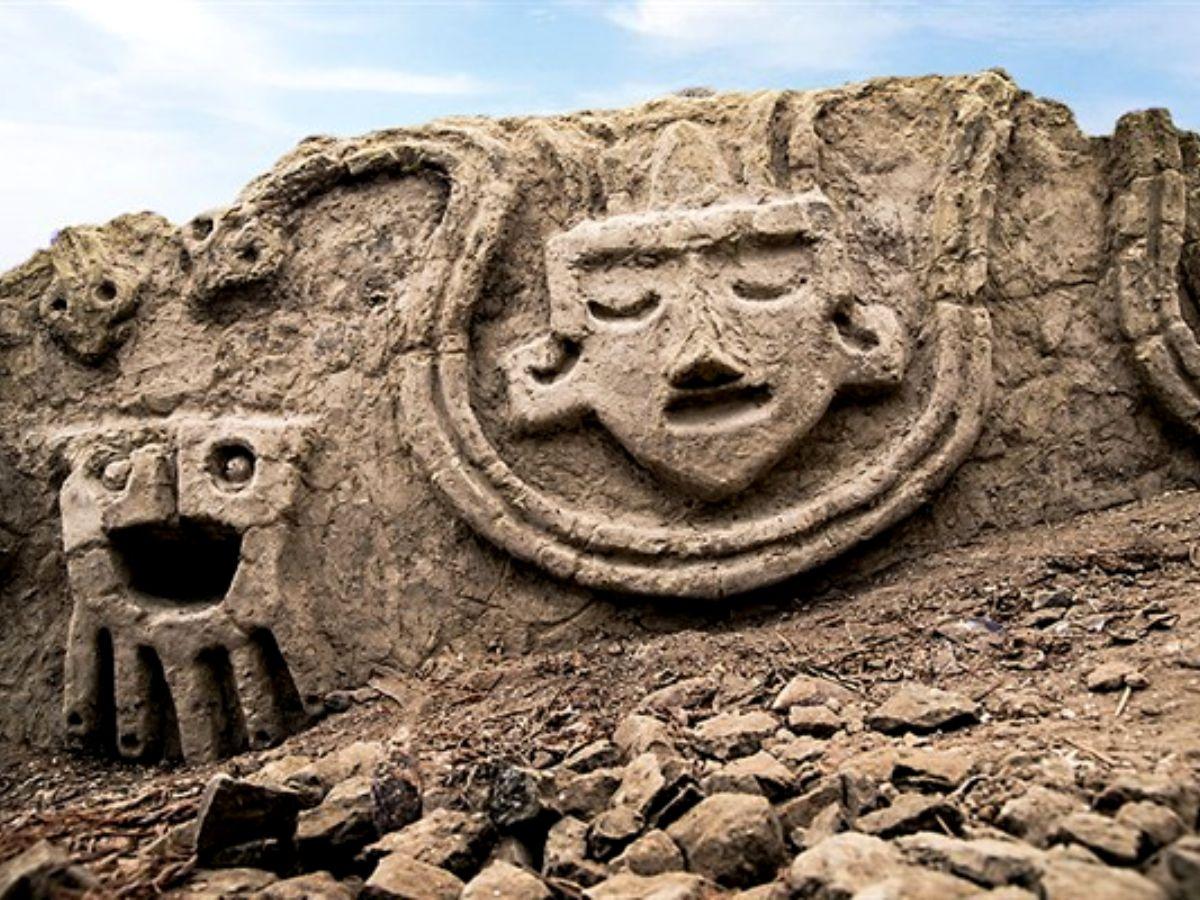
Exploring hidden empires and lost civilizations is akin to assembling a grand jigsaw puzzle of human history. Each archaeological discovery adds a piece to this puzzle, helping us better understand our collective past and learn valuable lessons for the future.
The ancient city of Caral in Peru, for instance, is believed to be one of the oldest cities in the Americas. Its discovery challenges previous assumptions about the timeline of urbanization in the New World. Similarly, the Indus Valley Civilization—spanning present-day Pakistan and India—is known for its advanced urban planning and mysterious script, and it continues to intrigue archaeologists and historians alike.
Conclusion: The Unending Quest for Knowledge
The quest to unearth hidden empires and lost civilizations is a testament to human curiosity and our unending thirst for knowledge. As we delve deeper into the past, we not only unravel the mysteries of ancient civilizations but also gain a clearer understanding of our own place in the continuum of human history.
In the words of archaeologist Howard Carter, “The purpose of archaeology is to obtain a better understanding of mankind’s past, and with that understanding an increased awareness of the present.” Indeed, the value of archaeological discoveries extends far beyond the realm of academia, helping us appreciate the complexity and diversity of human culture.
As we continue to explore the secrets of hidden empires, we invite you to journey with us. Explore our interactive timeline to dive deeper into the fascinating world of archaeological discoveries and lost civilizations. Embark on this journey of discovery and become part of unraveling the mysteries of our shared past.