Unmasking Censored Histories: Illuminating Hidden Truths and Exposing Historical Cover-Ups
History, often presented as a fixed narrative, is in reality a dynamic and contested field. Suppressed history refers to the deliberate or systemic exclusion, distortion, or destruction of historical information that challenges dominant narratives, often serving political, social, or economic agendas. Unmasking these hidden truths and exposing historical cover-ups is not merely an academic exercise; it’s a vital pursuit for understanding our present, correcting past injustices, and ensuring a more accurate and equitable future. This investigative journey invites us to question accepted wisdom, delve into overlooked archives, and listen to marginalized voices, ultimately enriching our collective understanding of the human story.
The Nature of Suppressed History: Why Truths Go Underground
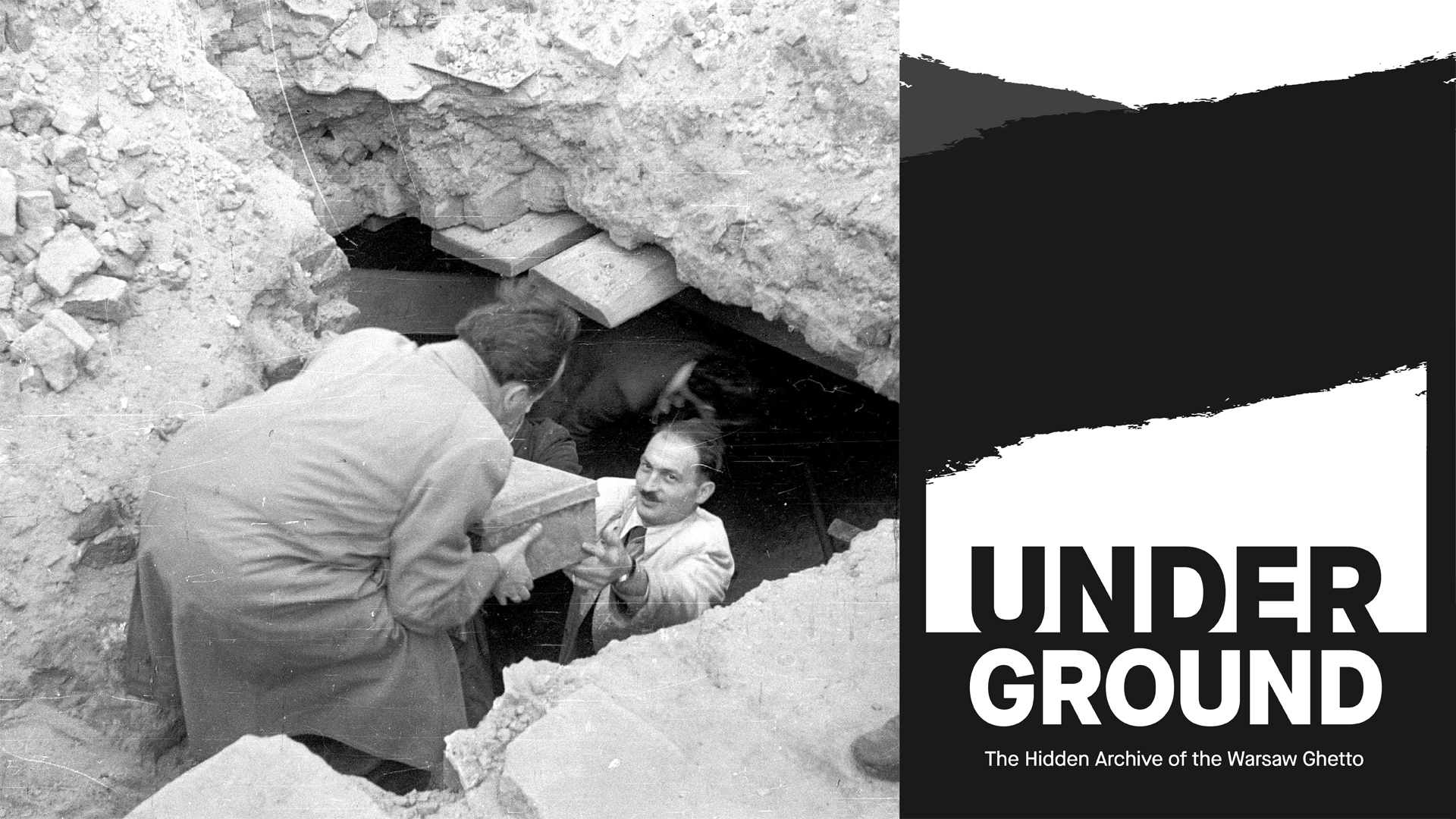
When we talk about suppressed history, we’re not just discussing forgotten events or minor oversights. We’re delving into deliberate acts of omission, alteration, or even destruction of records designed to shape public perception and control narratives. The mechanisms through which history gets suppressed are varied and often insidious, reflecting power dynamics at play.
One primary method is the deliberate omission from official records or educational curricula. Think about how certain uncomfortable aspects of national history might be downplayed or entirely absent from textbooks, especially those produced by state-controlled entities. This creates generations of citizens who grow up without a full understanding of their past, making it easier for certain myths or ideologies to persist.
Another powerful tool is the destruction or alteration of evidence. From the burning of libraries to the doctoring of official documents, those in power have historically gone to great lengths to erase inconvenient facts. This makes the job of future historians incredibly challenging, often requiring forensic-level investigation to piece together what truly happened.
Propaganda and narrative control are also crucial elements. During times of conflict or political upheaval, governments and powerful institutions often craft specific narratives, amplifying certain stories while silencing others. This isn’t just about lying; it’s about selectively presenting information to guide public opinion, effectively creating a “sanctioned” version of events. Dissenting voices, whether from journalists, academics, or activists, are frequently marginalized or outright silenced, further solidifying the controlled narrative.
Finally, systemic bias in historical interpretation can lead to suppression, even if unintentionally. Historians, like all people, bring their own perspectives, biases, and cultural contexts to their work. For centuries, history was predominantly written by victors, colonial powers, and privileged groups, leading to a natural skew that often overlooked or denigrated the experiences of women, indigenous peoples, enslaved communities, or minority groups. Uncovering these biases is a crucial part of the modern historian’s task.
So, who benefits from these historical cover-ups? The motives are diverse but often revolve around maintaining power, protecting reputations, justifying actions, or preserving national myths. Political leaders might want to conceal misdeeds or failures. Economic elites might hide exploitative practices. Social groups might seek to preserve their status or perpetuate harmful stereotypes. Understanding these motives is the first step in recognizing the signs of suppressed history.
Unveiling Hidden Truths: Case Studies in Historical Cover-Ups
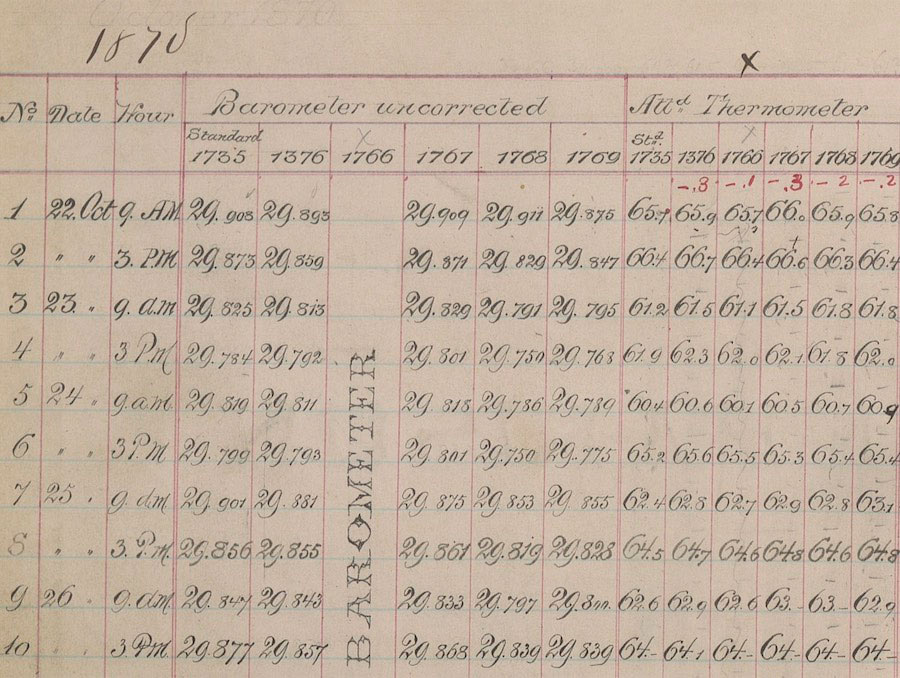
Examining specific examples brings the abstract concept of suppressed history into sharp focus. These cases highlight how persistent efforts by truth-seekers can eventually pierce through decades of silence and deception.
The Tulsa Race Massacre (1921): A Century of Silence
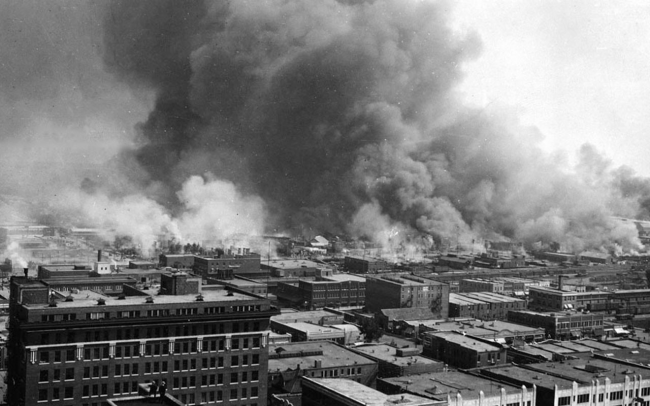
The Tulsa Race Massacre stands as a stark example of a brutal event that was systematically erased from public consciousness for decades. In May 1921, a thriving Black community in Tulsa, Oklahoma, known as “Black Wall Street,” was attacked by a white mob. Over 35 city blocks were burned to the ground, and hundreds of Black residents were killed, though official figures often downplayed the casualties. Thousands were left homeless and interned.
What followed was a concerted effort at historical cover-up. Local newspapers largely omitted the full extent of the destruction or blamed the Black community. Insurance claims were denied. Official records were destroyed or “lost.” For generations, the massacre was absent from history books, local lore, and even family discussions, often due to the trauma and fear of reprisal experienced by survivors. It was a truth too inconvenient, too shameful, for the dominant society to acknowledge.
It wasn’t until the late 20th and early 21st centuries, through the tireless work of historians, journalists, and descendants, that the full story began to emerge. The Oklahoma Commission to Study the Tulsa Race Riot of 1921 was formed in 1997, leading to official recognition and a push for reparations. This unmasking has not only brought long-overdue justice and acknowledgment but has also forced a critical re-evaluation of American racial history, demonstrating how deeply hidden truths can impact a nation’s identity.

Operation Mockingbird and CIA Influence on Media (Mid-20th Century): Reshaping Public Perception
During the Cold War, the Central Intelligence Agency (CIA) engaged in numerous clandestine operations, some of which involved attempts to influence public opinion both domestically and internationally. One of the most controversial and often-cited allegations involves “Operation Mockingbird,” a supposed program where the CIA allegedly recruited journalists to disseminate propaganda and manipulate news coverage.
While the specifics of a single, named “Operation Mockingbird” remain a subject of debate among historians, declassified documents and investigative reports have confirmed that the CIA did indeed have extensive relationships with media organizations and journalists. For instance, the Church Committee investigations in the 1970s revealed that the CIA had secretly funded numerous media outlets and used journalists as assets, blurring the lines between reporting and intelligence gathering.
The impact of such operations represents a significant historical cover-up regarding the integrity of information. By potentially shaping what the public read and heard, these actions had the power to influence political discourse, foreign policy perceptions, and domestic attitudes without the public’s knowledge. The ongoing revelations and continued scrutiny of these activities highlight the critical importance of a free and independent press and the constant need for vigilance against surreptitious influence, reminding us that even in democracies, the narrative can be subtly controlled.

Indigenous Histories and Colonial Erasures: Rewriting the Foundations
Across the globe, the histories of indigenous peoples have been systematically suppressed, overwritten, or distorted by colonial powers. This is not merely an oversight but a deliberate act of revisionist history designed to justify conquest, resource extraction, and the imposition of foreign governance.
In North America, the concept of “Manifest Destiny” provided a powerful ideological framework for the expansion of the United States, often portraying indigenous peoples as “savages” or obstacles to “progress.” Their complex societies, rich cultures, and sophisticated governance systems were downplayed or ignored, paving the way for forced displacement, treaties broken, and massacres. Similarly, in Canada, the residential school system aimed to “kill the Indian in the child,” forcibly removing indigenous children from their families and cultures in an attempt at assimilation, with devastating long-term consequences.
Australia’s history was long framed by the legal fiction of “Terra Nullius” (“land belonging to no one”), which denied the prior ownership and sovereignty of Aboriginal and Torres Strait Islander peoples. This narrative served to legitimize British colonization and dispossess indigenous communities of their ancestral lands.
The ongoing efforts to unmask these hidden truths involve reclaiming oral traditions, re-examining archaeological evidence, and integrating indigenous perspectives into mainstream historical narratives. This process of decolonizing history is crucial for understanding the deep-seated inequalities that persist today and for fostering genuine reconciliation. It’s a powerful reminder that history is rarely monolithic and often requires multiple perspectives to achieve a fuller picture.
The Great Famine of Ireland (1845-1849): A Political Catastrophe Rewritten?
The Great Famine, or An Gorta Mór, was a period of mass starvation, disease, and emigration in Ireland. While often portrayed as a natural disaster caused by potato blight, a closer look reveals how British governmental policies exacerbated the crisis, leading to allegations of a historical cover-up regarding culpability.
Ireland, then part of the United Kingdom, was a net exporter of food throughout the famine years. While millions starved or died of disease, food—including grain, livestock, and dairy products—continued to be shipped from Irish ports to England. British economic policies, particularly the adherence to laissez-faire economics and the repeal of the Corn Laws (which benefited British manufacturers but hurt Irish farmers), prioritized market forces over humanitarian aid. Landlords, many of them absentee British gentry, continued to demand rent, often evicting starving tenants.
For decades, the dominant narrative in British historiography often downplayed the role of government inaction and policy decisions, framing the famine as an unavoidable natural catastrophe. This revisionist history served to absolve the British state of responsibility and to mitigate the moral implications of such widespread suffering under its governance.
However, modern historical scholarship, drawing on a wider range of sources and applying a more critical lens, has meticulously documented the political and economic decisions that turned a crop failure into a catastrophic famine. This unmasking has led to a more nuanced and often painful understanding of the event, challenging long-held assumptions and highlighting the devastating consequences of colonial power dynamics and ideological rigidity.
The Mechanics of Revisionist History: How Narratives Shift
The term “revisionist history” often carries a negative connotation, conjuring images of denialism or ideological manipulation. However, it’s crucial to distinguish between legitimate historical revision, which is a healthy and necessary part of academic inquiry, and problematic forms that distort or invent facts for political purposes.
Legitimate revisionist history occurs when new evidence comes to light, or when changing societal values compel us to re-examine past events through a different lens. Archaeological discoveries can unearth lost civilizations. Declassified government documents can reveal hidden motives or previously unknown operations. Oral histories from marginalized communities can provide perspectives long absent from official records. For instance, the women’s suffrage movement or the civil rights movement prompted a re-evaluation of how women and minorities were portrayed in history, leading to a richer and more inclusive understanding.
The impact of changing societal values and perspectives is profound. What was once considered acceptable or normal in the past might be viewed as abhorrent today. This shift in moral and ethical frameworks naturally leads historians to revisit and reinterpret historical events, questioning the assumptions and biases of previous generations of scholars.
However, revisionism becomes problematic when it devolves into denialism or propaganda. This occurs when historical facts are deliberately ignored, distorted, or fabricated to serve a particular political or ideological agenda, often to absolve certain groups of wrongdoing or to promote a nationalist narrative. This kind of manipulation undermines the very purpose of history: to understand the past as accurately as possible.
The “history wars” we often see playing out in public discourse are a testament to the power of narrative control. Different groups, often with conflicting political or cultural interests, vie for control over how history is taught and remembered. This struggle highlights the fact that history is never truly static; it’s a living, breathing field of inquiry where interpretations are constantly debated and refined.
The Peril and Promise of Unmasking: Why Hidden Truths Matter
Why should we invest so much effort in digging up these hidden truths and exposing historical cover-ups? The answer lies in the profound impact the past has on our present and future.
Confronting suppressed history is crucial for understanding the present. Many of today’s social, economic, and political inequalities have roots in past injustices that were either ignored or actively concealed. For instance, understanding the systemic suppression of indigenous histories is essential to comprehending ongoing land disputes and calls for reconciliation. Acknowledging the Tulsa Race Massacre helps explain persistent racial wealth gaps and systemic racism. Without this deeper understanding, we risk misdiagnosing current problems and implementing ineffective solutions.
Moreover, unmasking historical truths is vital for preventing repetition. By learning from past mistakes, particularly those that were deliberately obscured, societies can develop resilience against similar abuses of power. Understanding how propaganda worked in the past, for example, makes us more discerning consumers of information today.
For victims and their descendants, the acknowledgment of suppressed history can be a critical step towards justice and reconciliation. The act of having one’s story finally heard and validated can be profoundly healing, even if direct reparations are not always possible. It’s about restoring dignity and recognizing suffering that was previously denied.
Ultimately, the pursuit of hidden truths is an exercise in intellectual honesty and the pursuit of truth itself. It strengthens democratic discourse by fostering a more informed citizenry capable of critical thinking. A society that is unafraid to confront its own past, even its darkest chapters, is a more robust and self-aware society.
Of course, this process isn’t without its challenges. There’s often significant resistance from entrenched interests who benefit from the existing narrative. There can be emotional discomfort for individuals and nations when confronted with uncomfortable truths about their heritage. Reconstructing fragmented pasts, especially when evidence has been destroyed, is also incredibly difficult. Yet, the promise of a more complete, more honest understanding of our shared human story makes this endeavor indispensable.
Tools for the Truth-Seeker: How to Navigate the Labyrinth of History
For the history scholar and the truth-seeker alike, navigating the complex landscape of historical narratives requires a robust toolkit of critical skills and resources. Unmasking suppressed history demands diligence, skepticism, and an open mind.
First and foremost is the mastery of critical thinking and source evaluation. Not all historical sources are created equal. We must learn to distinguish between primary sources (first-hand accounts, original documents, artifacts) and secondary sources (interpretations by historians). Crucially, we must interrogate every source: Who created it? What was their agenda? What biases might they hold? What was the context of its creation? This careful scrutiny helps us identify propaganda, deliberate omissions, or unintentional distortions. For deeper insights into source evaluation, consider exploring resources on primary vs. secondary historical sources.
Interdisciplinary approaches are also invaluable. History doesn’t exist in a vacuum. Insights from archaeology can unearth physical evidence that contradicts written records. Anthropology helps us understand cultural contexts and belief systems. Sociology sheds light on social structures and power dynamics. Forensics can even be applied to historical events, from analyzing skeletal remains to scrutinizing documents for authenticity.
Utilizing archives, declassified documents, and independent journalism provides direct access to information that might have been hidden for decades. Government archives, university special collections, and the files of independent investigative journalists are treasure troves of potential hidden truths. The internet has democratized access to many of these resources, though it also requires heightened vigilance against misinformation. The National Archives of various countries, for instance, often release declassified documents that shed new light on past events.
Perhaps one of the most powerful tools is the willingness to listen to marginalized voices and oral traditions. For centuries, the stories of indigenous peoples, women, enslaved communities, and working-class individuals were excluded from official histories. These communities often preserved their histories through oral traditions, songs, stories, and family memories. Actively seeking out and validating these narratives is essential for creating a more inclusive and accurate historical record.
Finally, recognizing bias—both historical and present-day—is paramount. Every historian, every source, every reader brings their own set of experiences and perspectives. Acknowledging these biases, rather than pretending they don’t exist, allows for a more honest engagement with the past and a more nuanced interpretation of events.
Conclusion: Embracing a More Complete Past
The journey to unmask censored histories is an ongoing, vital quest. It reminds us that history is not a static collection of facts but a dynamic conversation, constantly reshaped by new evidence, fresh perspectives, and an enduring commitment to truth. The suppressed history of yesterday often holds the hidden truths that illuminate the complexities of today.
By diligently seeking out historical cover-ups and challenging revisionist history—whether it’s the product of deliberate obfuscation or systemic bias—we move closer to a more comprehensive and honest understanding of our shared past. This isn’t about shaming or blaming; it’s about learning, healing, and building a future founded on a clearer, more accurate foundation. As scholars and truth-seekers, it is our collective responsibility to keep asking difficult questions, to delve into the shadows, and to ensure that all voices, especially those long silenced, are finally heard.
Subscribe for exclusive updates on suppressed historical evidence and join our community of truth-seekers as we continue to illuminate the hidden corners of history.