
Unveiling Hidden Empires: How Modern Archaeology is Rewriting Ancient History
Imagine a world where entire civilizations, once thriving with bustling cities, complex societies, and profound cultures, simply vanish. Not just from the map, but from human memory itself. For centuries, our understanding of ancient history was largely confined to what classical texts or visible ruins could tell us. But what if there were countless “hidden empires” – advanced societies that rose and fell long before recorded history, or in places deemed too remote or inhospitable to sustain them?
Thanks to the incredible advancements in modern archaeology, these forgotten worlds are no longer confined to the realm of myth and legend. Today, a new generation of archaeological discoveries is systematically peeling back layers of time, revealing sophisticated ancient civilizations and hidden empires that are fundamentally reshaping our understanding of human ingenuity, migration, and societal development. From dense rainforests to barren deserts, and even beneath the ocean’s waves, cutting-edge technology and innovative methodologies are uncovering secrets that were once thought lost forever. This isn’t just about finding old pots; it’s about piecing together the magnificent stories of our shared past, challenging long-held assumptions, and continually expanding the tapestry of human history. Join us as we explore how modern archaeology is bringing these ancient civilizations back into the light, one groundbreaking discovery at a time.
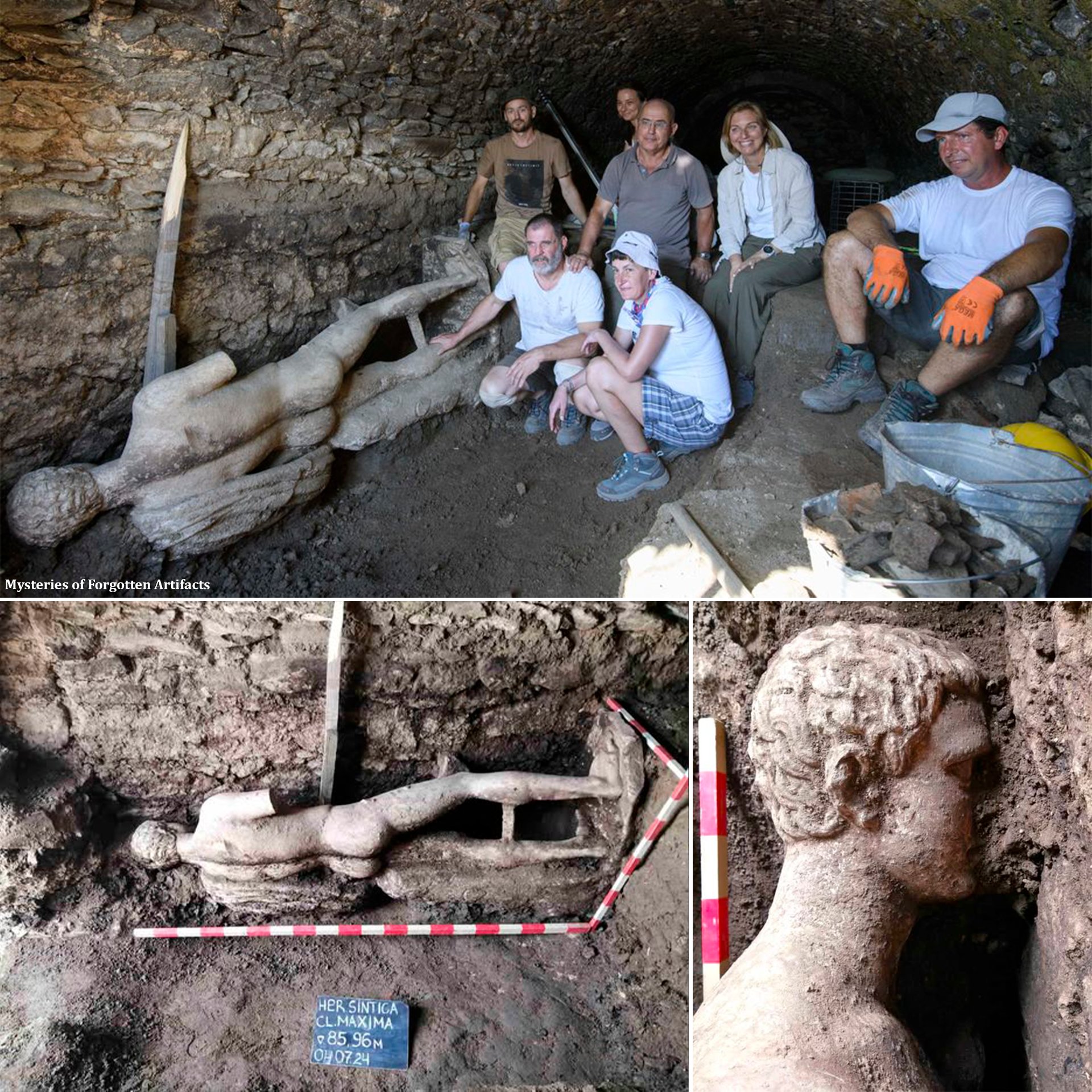
The Evolution of Discovery: How Modern Archaeology Uncovers Hidden Empires
For much of history, archaeological discoveries relied heavily on luck, local knowledge, or the sheer visibility of monumental ruins. Think of the pyramids of Egypt or the Colosseum in Rome – structures so grand they defied complete disappearance. However, many ancient civilizations, especially those built from less durable materials or located in challenging environments, left little to no surface trace. This is where modern archaeology steps in, transforming the hunt for hidden empires into a science-driven quest.
The shift began with more systematic excavation techniques in the 19th and 20th centuries, moving beyond treasure hunting to meticulous documentation. But the true revolution arrived with the integration of advanced technology and interdisciplinary approaches. Today, archaeologists are not just digging; they’re collaborating with geologists, botanists, climate scientists, and even space engineers to paint a more complete picture of past societies. This collaborative spirit allows for a holistic understanding of how these ancient civilizations interacted with their environment, sustained their populations, and ultimately, why some faded into obscurity. The result is a richer, more nuanced narrative of human history, constantly being updated with fresh archaeological discoveries that challenge and excite us.

Technological Marvels: The Tools Rewriting History
The quest for hidden empires is no longer solely about trowels and brushes. Modern archaeology leverages a breathtaking array of technologies that can peer beneath the earth, through dense foliage, and even under water, revealing structures and settlements that have eluded human eyes for millennia. These tools are the true game-changers, allowing us to find and map sites with unprecedented speed and accuracy.
Satellite Imagery and Remote Sensing
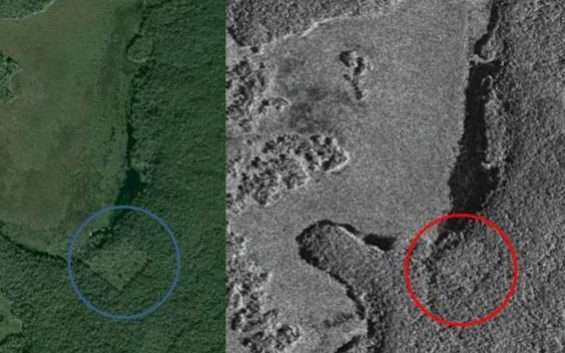
One of the most powerful tools in the modern archaeologist’s arsenal is satellite imagery. By analyzing subtle changes in vegetation, soil composition, or even slight topographical variations visible from space, researchers can detect the ghost outlines of ancient roads, agricultural fields, and entire cities. This approach, often called “satellite archaeology,” is particularly effective in vast, remote areas where ground surveys would be impossible.
- How it works: Satellites capture images across different light spectra, including infrared, which can highlight areas where human activity has altered the landscape, even if buried. For example, ancient stone foundations might retain moisture differently than surrounding soil, affecting plant growth above them, which is detectable in satellite images.
- Impact: This non-invasive technique allows archaeologists to identify potential sites over massive areas, dramatically reducing the time and cost associated with initial exploration. It helps prioritize where to focus ground efforts, making the search for ancient civilizations far more efficient.
- How it works: An aircraft or drone equipped with a LiDAR scanner emits millions of laser pulses per second towards the ground. These pulses bounce off surfaces and return to the scanner. By measuring the time it takes for each pulse to return, and knowing the position of the scanner, a highly detailed 3D topographic map of the landscape can be created, effectively stripping away vegetation digitally.
- Impact: LiDAR has transformed our understanding of civilizations in heavily forested regions, most notably in the Maya lowlands, where it has revealed vast, interconnected cities and extensive agricultural systems previously invisible. It’s truly a superpower for archaeological discoveries.
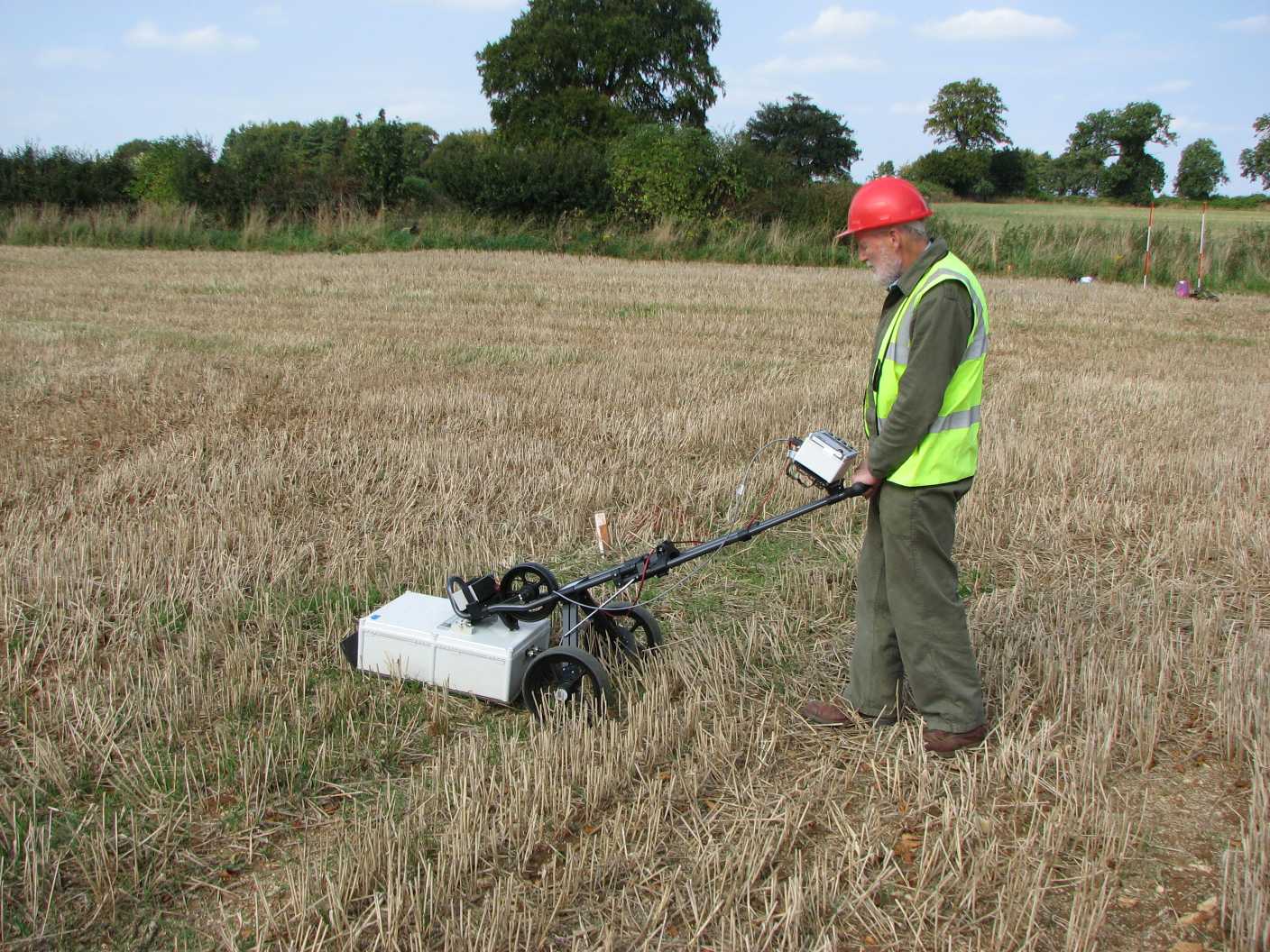
- Ground-Penetrating Radar (GPR): This technology sends radar pulses into the ground. When these pulses encounter changes in material (like a buried wall, a pit, or a foundation), they reflect back. The reflections are then used to create a cross-sectional image of what lies beneath the surface.
- Magnetometry: This technique measures tiny variations in the Earth’s magnetic field. Human activities, such as digging pits, building kilns, or creating hearths, can subtly alter the magnetic properties of the soil. Magnetometers detect these anomalies, indicating the presence of buried archaeological features.
- Impact: These tools provide crucial information about the layout and depth of buried structures, allowing for targeted, efficient excavations. They help archaeologists understand the scale and complexity of ancient civilizations before a single shovel enters the ground.
- How it works: Side-scan sonar creates detailed images of the seafloor by emitting sound waves. Multi-beam sonar maps bathymetry (depth) and features. ROVs and autonomous underwater vehicles (AUVs) can then be deployed to visually inspect anomalies and collect data without human divers needing to descend into dangerous depths.
- Impact: This specialized field has revealed sunken cities, ancient ports, and shipwrecks, offering invaluable insights into maritime trade, coastal life, and the impact of environmental changes on ancient civilizations.
- The Discovery: First identified in the early 20th century, the significance of Caral-Supe was only fully realized in the late 1990s and early 2000s through extensive excavation and radiocarbon dating.
- What was found: Archaeologists uncovered a sprawling urban center with monumental platform mounds, sunken circular plazas, and residential areas, meticulously planned and constructed. What’s truly remarkable is its age: Caral dates back to 2600 BCE, making it contemporary with the pyramids of Egypt and predating any other known city in the Americas by over a thousand years.
- Significance: Caral-Supe represents a fully formed, sophisticated ancient civilization that developed independently, without apparent warfare, focusing instead on trade and cultural exchange. It completely rewrote the narrative of early urbanism in the New World, proving that hidden empires can dramatically alter our historical understanding.
- The Discovery: Excavations began in the mid-1990s, revealing massive, intricately carved stone pillars arranged in circular enclosures.
- What was found: Radiocarbon dating placed these structures at an astonishing 9600-8200 BCE, making them over 6,000 years older than Stonehenge and predating agriculture and settled life. This monumental complex, built by hunter-gatherers, features sophisticated artistry, including detailed animal reliefs.
- The Discovery: While many major Maya cities were known, LiDAR surveys in regions like Guatemala’s Petén Basin, starting in the late 2010s, unveiled an astonishingly vast and interconnected landscape.
- What was found: These surveys revealed tens of thousands of previously unknown structures, including houses, defensive fortifications, massive causeways connecting cities, and complex irrigation systems. The scale of population and infrastructure was far greater than previously imagined, suggesting a much higher population density and sophisticated land management.
- Significance: LiDAR showed that the Maya were not scattered city-states but part of a sprawling, highly engineered landscape with an estimated population in the millions. These hidden empires of the jungle demonstrate the transformative power of modern tools in revealing the true scale of ancient civilizations.
- The Discovery: First identified in the 1920s, ongoing research uses remote sensing and GPR to map its vast urban centers.
- What was found: Cities like Mohenjo-Daro and Harappa featured sophisticated urban planning, advanced drainage systems, multi-story houses, and a still-undeciphered script. Recent work is revealing more about their extensive trade networks and environmental adaptations.
- Significance: The Indus Valley represents a sprawling ancient civilization that thrived from roughly 2500-1900 BCE, covering an area larger than ancient Egypt and Mesopotamia combined. Its unique characteristics, including a lack of monumental palaces or obvious signs of royalty, challenge our assumptions about how complex societies were organized, making it a truly unique hidden empire still yielding its secrets.

LiDAR (Light Detection and Ranging) Technology
Perhaps the most revolutionary technology for uncovering hidden empires in recent years is LiDAR. This airborne laser scanning technology can penetrate dense forest canopies, mapping the ground beneath with incredible precision. Imagine flying over a seemingly impenetrable jungle and having a 3D map of an ancient city appear on your screen.
Ground-Penetrating Radar (GPR) and Magnetometry
Once a potential site is identified, archaeologists often turn to ground-based geophysical surveys to get a closer look before digging. GPR and magnetometry are two key technologies that help create subsurface maps without disturbing the ground.
Underwater Archaeology and Sonar
Not all hidden empires are on land. Many ancient settlements now lie submerged due to rising sea levels, earthquakes, or coastal erosion. Underwater archaeology, utilizing advanced sonar and remotely operated vehicles (ROVs), is bringing these drowned worlds to light.
Case Studies: Iconic Hidden Empires Revealed
The application of modern archaeological techniques has led to some truly breathtaking archaeological discoveries, bringing long-lost ancient civilizations into the global spotlight. These examples showcase the power of technology combined with dedicated research.
Caral-Supe: The Oldest City in the Americas
For decades, scholars believed that complex urban societies in the Americas first emerged with the Olmec in Mesoamerica around 1500 BCE. However, discoveries in the Supe Valley of Peru shattered this timeline.
Göbekli Tepe: The Dawn of Civilization
In southeastern Turkey, an unassuming hilltop site known as Göbekli Tepe has profoundly challenged our understanding of the origins of civilization itself.
Significance: Göbekli Tepe suggests that monumental architecture and organized religion may have preceded* the development of agriculture and permanent settlements, rather than being a consequence of them. It forces us to reconsider the traditional timeline of human development and the catalysts for ancient civilizations, proving that archaeological discoveries can turn established theories on their head.
The Lost Cities of the Maya: Unveiling a Connected World
The Maya civilization has fascinated scholars for centuries, but the true extent of their urban networks was obscured by dense jungle. LiDAR technology has been a game-changer here.
The Indus Valley Civilization: Beneath the Modern Landscape
The Indus Valley Civilization (also known as the Harappan Civilization) was one of the three great early civilizations of the ancient world, alongside Egypt and Mesopotamia. Yet much of it remains buried beneath modern towns and agricultural fields in Pakistan and India.
Decoding the Past: Interpreting the Lives of Ancient Civilizations
Finding a lost city is only the beginning. The real work of modern archaeology lies in interpreting the mute evidence left behind by hidden empires to reconstruct their daily lives, beliefs, and societal structures. This goes beyond simply cataloging artifacts; it involves a deep dive into context, scientific analysis, and comparative studies.
Archaeologists piece together diets from ancient pollen and bone isotopes, understand social hierarchies from burial practices, and infer trade routes from the chemical composition of pottery. Analyzing ancient DNA can even reveal migration patterns and genetic relationships between past populations. This meticulous, multidisciplinary approach allows us to not only see the outlines of ancient civilizations but to begin to understand the vibrant, complex lives of the people who built them. Every fragment, every grain of soil, holds a piece of the puzzle, waiting for the right scientific eye to reveal its story.
The Future of Discovery: What Lies Beneath?
The pace of archaeological discoveries is accelerating, and the future promises even more profound insights into hidden empires. As technology continues to advance, our ability to detect, map, and analyze sites will only improve. Imagine AI algorithms sifting through vast satellite datasets to identify patterns invisible to the human eye, or micro-robotics exploring fragile underground chambers.
Moreover, the focus is increasingly shifting towards understanding the impact of climate change on ancient civilizations and how past societies adapted – or failed to adapt – to environmental shifts. This interdisciplinary approach not only enriches our historical knowledge but also offers valuable lessons for our present and future. The Earth still holds countless secrets, and with each new tool and every dedicated archaeologist, another piece of our shared human story is brought to light. The age of grand discovery is far from over; in many ways, it’s just beginning.
Conclusion: The Ever-Expanding Tapestry of Human History
From the depths of the Amazon rainforest to the arid plains of Central Asia, modern archaeology is continuously expanding our understanding of human history. The concept of hidden empires is no longer a romantic notion but a tangible reality, brought to life through the tireless work of archaeologists and the incredible power of new technologies. We’ve seen how satellite imagery, LiDAR, GPR, and underwater sonar are peeling back the layers of time, revealing sophisticated ancient civilizations like Caral-Supe, Göbekli Tepe, and the vast Maya networks.
These archaeological discoveries don’t just add new chapters to history books; they rewrite entire volumes, challenging our assumptions about when, where, and how complex societies first emerged. They remind us that human ingenuity and cultural diversity have thrived in countless forms across the globe, often in places we least expected. As we continue to refine our tools and broaden our perspectives, the promise of even more astonishing revelations about our collective past remains tantalizingly real. Every unearthed artifact, every mapped ruin, brings us closer to understanding the full, magnificent story of humanity.