
Cracking Ancient Enigmas: Unraveling Lost Knowledge and Unsolved Puzzles from History
Have you ever gazed at an ancient ruin or a cryptic artifact and felt a shiver of wonder, a whisper from a time long past? Humanity’s history is a tapestry woven with threads of incredible innovation, profound wisdom, and baffling mysteries that continue to elude our understanding. From advanced technologies that seem impossible for their era to entire civilizations that vanished without a trace, the past is a treasure trove of ancient enigmas waiting to be deciphered. We stand on the precipice of discovery, constantly seeking to peer through the mists of time and unlock the lost knowledge that could redefine our understanding of who we are and where we come from.
This journey into the heart of history isn’t just about dusty textbooks; it’s about confronting the unknown, piecing together fragments of evidence, and challenging our preconceived notions. It’s about the thrill of the chase, the intellectual puzzle, and the sheer awe inspired by the ingenuity and complexity of our ancestors. Join us as we explore some of the most captivating unsolved puzzles and examine the enigmatic artifacts that continue to spark debate and fuel our collective imagination. Prepare to question everything you thought you knew, because the deeper we delve into these historical riddles, the more we realize how much remains hidden, just beyond our grasp.

The Enduring Allure of Ancient Mysteries: Why We’re Drawn to the Unknown
There’s something inherently captivating about a secret, especially one that has been kept for millennia. Our fascination with ancient mysteries isn’t merely academic; it’s deeply rooted in the human psyche. We yearn to understand our origins, to fill in the blanks of history, and perhaps, to find answers to contemporary questions within the echoes of the past. These unsolved riddles serve as a powerful reminder that history is not a static narrative but a dynamic, evolving field of inquiry.
Think about it: what if ancient civilizations possessed knowledge or technologies that we are only now beginning to rediscover? What if the stories of mythical places are not just tales but distorted memories of real places? This speculative spirit drives archaeologists, historians, and enthusiasts alike. It’s the thrill of the “what if,” the possibility that a single discovery could shift our entire perspective on human development. The unknown beckons, promising not just answers, but perhaps even a glimpse into the true potential of humanity, both past and present.
Enigmatic Artifacts: Whispers from Forgotten Artisans
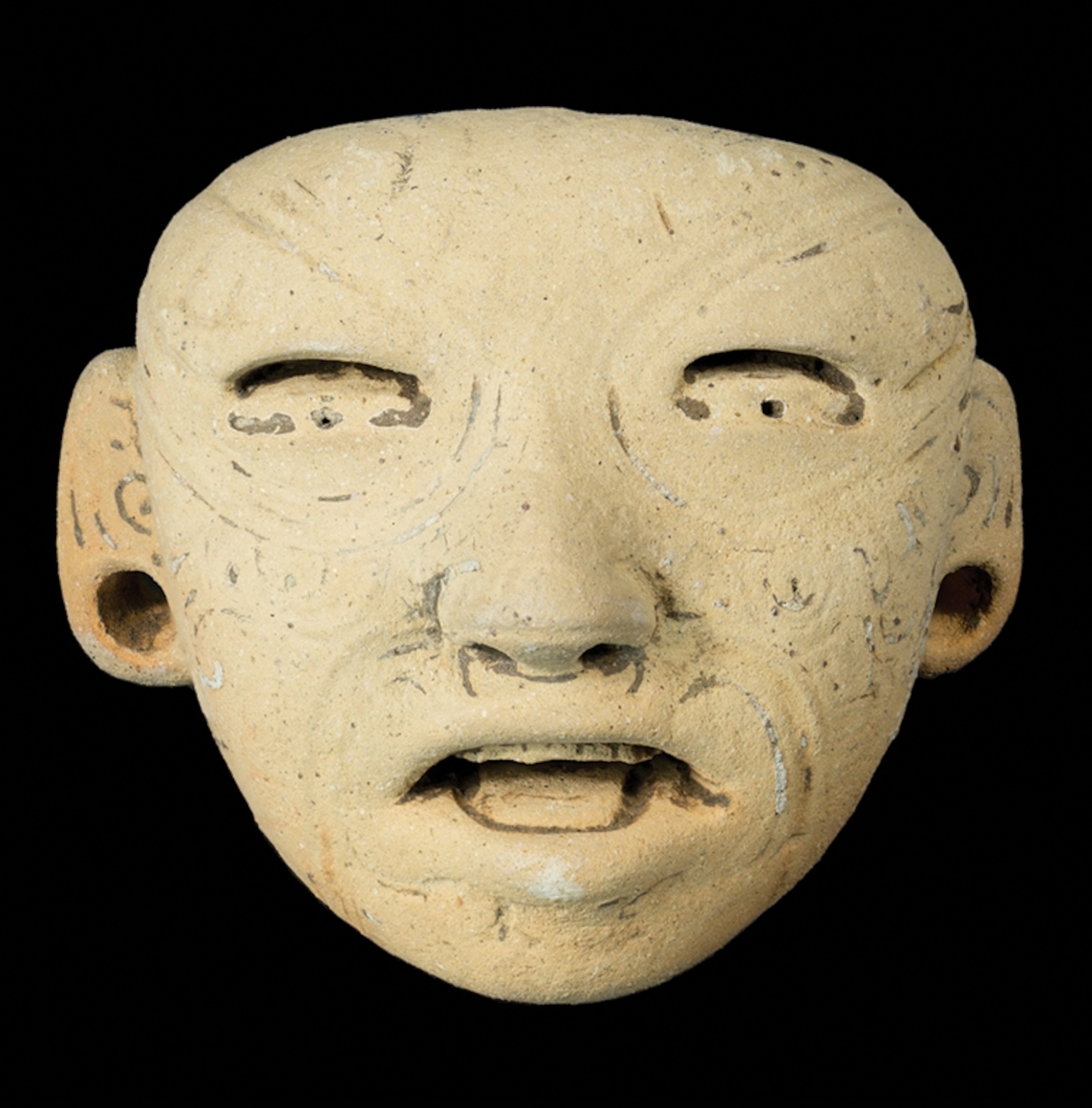
Some of the most compelling ancient enigmas come in the form of physical objects – enigmatic artifacts that defy easy explanation. These relics often display an astonishing level of craftsmanship or technological sophistication that seems far ahead of their time, prompting us to ask: how were they made, and what purpose did they truly serve?

The Antikythera Mechanism: An Ancient Computer?
Discovered in a shipwreck off the coast of the Greek island of Antikythera in 1901, this corroded bronze device initially appeared to be a mere lump of metal. However, careful conservation and scientific analysis revealed something extraordinary: a complex astronomical calculator, or perhaps even an analog computer, dating back to the 2nd century BCE.
This intricate mechanism, composed of dozens of meshing gears, was designed to predict astronomical positions and eclipses for calendrical and astrological purposes. Its complexity rivals 18th-century clockwork, making it an astonishing outlier in ancient technology. Who built it? How was such precision achieved without modern tools? The Antikythera Mechanism stands as a testament to lost knowledge and sophisticated engineering that seemingly vanished for over a thousand years. It suggests that ancient Greeks possessed a deep understanding of mechanics and astronomy far beyond what was previously imagined.

The Voynich Manuscript: A Code Unbroken
Among the most famous unsolved puzzles is the Voynich Manuscript, an illustrated codex penned in an entirely unknown writing system. Discovered in 1912 by Polish book dealer Wilfrid Voynich, this medieval book, carbon-dated to the early 15th century, contains hundreds of pages filled with peculiar botanical drawings, astronomical diagrams, cosmological charts, and what appear to be pharmaceutical recipes and bathing scenes, all accompanied by an undeciphered script.
For centuries, cryptographers, linguists, and historians have attempted to crack its code. Is it a lost language, a cipher, a hoax, or something else entirely? The text exhibits statistical properties similar to natural languages, yet no known language or cipher has yielded to analysis. The manuscript remains a tantalizing ancient mystery, a profound example of lost knowledge that continues to baffle the brightest minds, challenging our assumptions about medieval communication and secret societies.
The Baghdad Battery: An Out-of-Place Artifact?
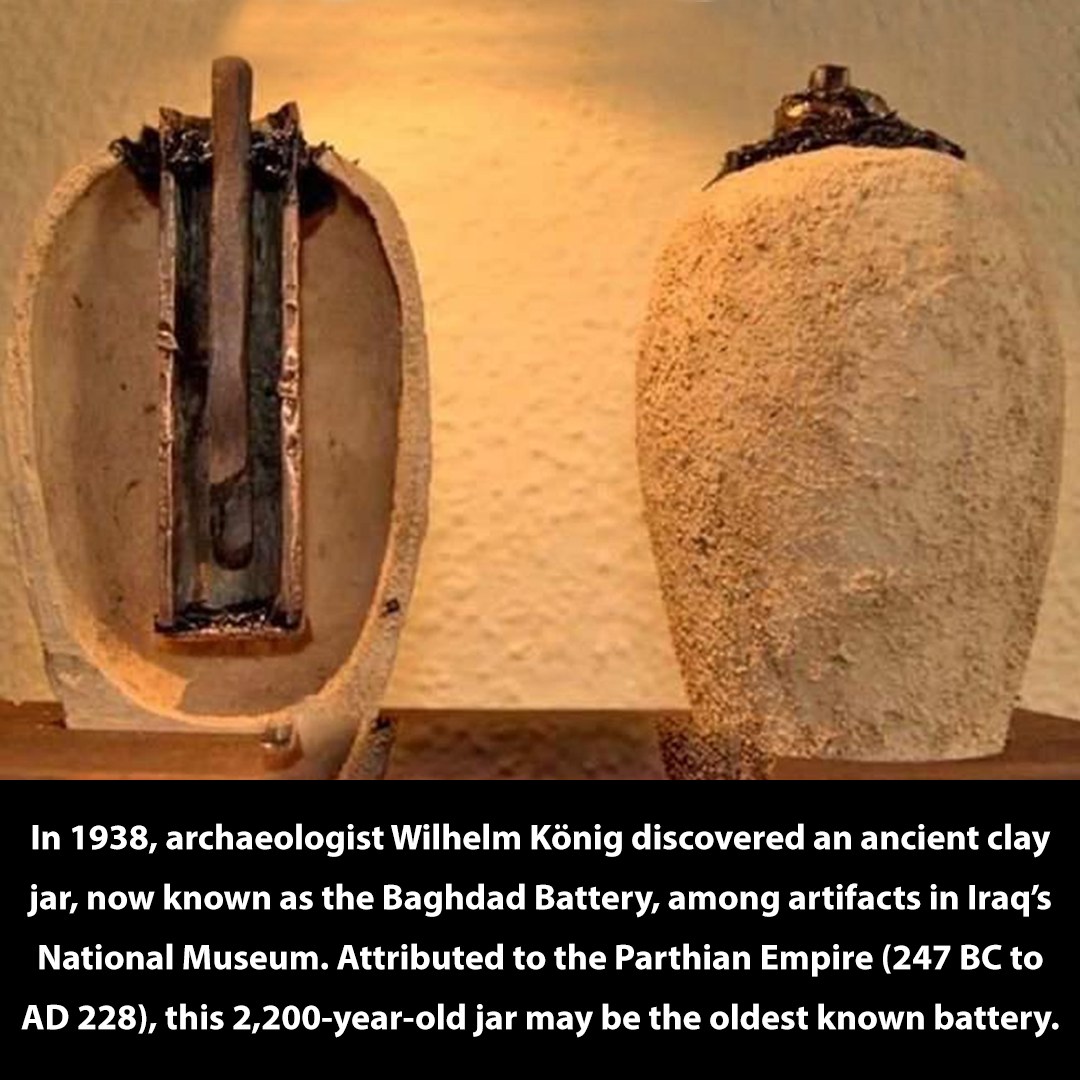
Found near Baghdad in 1936, the “Baghdad Battery” consists of a ceramic jar, a copper cylinder, and an iron rod. Dating back to the Parthian era (250 BCE – 224 CE), its construction bears a striking resemblance to a galvanic cell, leading some to speculate it was an ancient battery capable of producing a small electric current. If true, this would be an incredible example of lost knowledge and an enigmatic artifact far ahead of its time.
While its exact purpose is debated (some suggest it was used for electroplating, others for medical purposes like pain relief, or simply as a storage vessel for sacred scrolls), the possibility that ancient peoples understood and harnessed electricity millennia ago is profoundly intriguing. This little jar challenges our linear view of technological progression and highlights the potential for unsolved puzzles to rewrite history.
Lost Knowledge: Civilizations Vanished, Wisdom Forgotten
Beyond individual artifacts, entire bodies of lost knowledge from ancient civilizations haunt our historical records, hinted at in legends or glimpsed through remnants that defy modern replication. The destruction of libraries, the fall of empires, and the natural decay of time have all contributed to the disappearance of invaluable wisdom.
The Library of Alexandria and the Burning of Knowledge
Perhaps one of history’s greatest tragedies of lost knowledge is the destruction of the Library of Alexandria. Founded in the 3rd century BCE, it was once the intellectual heart of the ancient world, housing hundreds of thousands of scrolls containing the collective wisdom of Greek, Egyptian, Persian, and Indian scholars. Imagine the treatises on astronomy, mathematics, medicine, philosophy, and engineering that resided within its walls.
The precise circumstances of its demise are debated, with various accounts pointing to Julius Caesar’s campaign in 48 BCE, Christian destruction in the late 4th century CE, or Muslim conquest in the 7th century CE. Regardless of the exact cause, the loss of this unparalleled repository of information represents an incalculable setback for human progress. What advancements might have been made, what ancient enigmas might have been solved, had its contents survived? The burning of the Library of Alexandria stands as a poignant symbol of how easily lost knowledge can vanish, leaving us forever to speculate about its contents.
Ancient Megalithic Engineering: How Did They Do It?
The sheer scale and precision of ancient megalithic structures across the globe continue to be among the most profound unsolved puzzles. From the towering pyramids of Egypt to the precisely cut stones of Puma Punku in Bolivia, the engineering feats of ancient peoples often defy simple explanation.
The Great Pyramid of Giza, for instance, built around 2580–2560 BCE, consists of over two million massive stone blocks, each weighing several tons, fitted with incredible accuracy. How were these colossal stones quarried, transported, and lifted into place without modern machinery? Theories range from elaborate ramp systems to sophisticated lever mechanisms, but no single explanation fully satisfies all the evidence.
Similarly, the ruins of Puma Punku, part of the Tiwanaku site, showcase intricately cut andesite and diorite blocks, some weighing over 100 tons, with precise angles and smooth surfaces that suggest advanced tooling. The stonework is so fine that a razor blade cannot be inserted between the joints. This level of precision, combined with the extreme hardness of the stone, points to a sophisticated understanding of geometry, materials, and construction techniques that remain a tantalizing ancient mystery. Were these builders privy to lost knowledge of stone-cutting or lifting techniques that we have yet to rediscover?
Unsolved Puzzles in Stone and Earth: Messages Across Millennia
Sometimes, the ancient enigmas are not confined to small objects or individual buildings but are etched across vast landscapes, leaving monumental unsolved puzzles that challenge our perception of ancient communication and purpose.
The Nazca Lines: Messages to the Heavens?
Spanning hundreds of square miles in the arid plains of Peru, the Nazca Lines are geoglyphs depicting animals, plants, human-like figures, and geometric shapes, some stretching for hundreds of meters. Created by the Nazca culture between 500 BCE and 500 CE, these massive drawings were made by removing the reddish-brown surface stones to expose the lighter subsoil beneath. The sheer scale of these designs means they can only be fully appreciated from an elevated perspective.
Why did the Nazca people create such elaborate designs that could not be seen from the ground? Were they astronomical calendars, religious offerings to sky gods, markers for water sources, or perhaps even landing strips for extraterrestrial visitors, as some controversial theories suggest? The true purpose of these magnificent ancient mysteries remains one of archaeology’s greatest unsolved puzzles, a silent message etched into the earth, waiting for its full meaning to be unveiled.
Atlantis and Other Mythical Cities: Fact or Fiction?
The legend of Atlantis, first described by Plato, tells of a powerful, technologically advanced civilization that sank beneath the waves in a single day and night. For millennia, this tale has fueled the imaginations of adventurers and scholars alike, making Atlantis the ultimate lost knowledge and ancient enigma. Is it a cautionary tale, a philosophical allegory, or a distorted memory of a real, cataclysmic event?
While no definitive archaeological evidence of Atlantis has ever been found, similar legends of sunken cities and lost lands exist in cultures worldwide. Some researchers point to the volcanic eruption of Thera (Santorini) around 1600 BCE, which devastated the Minoan civilization, as a potential inspiration for Plato’s story. Others suggest locations ranging from the Caribbean to Antarctica. The search for Atlantis continues to be one of humanity’s most enduring unsolved puzzles, a testament to our desire to believe in grand, vanished civilizations and the lost knowledge they might have possessed.
Easter Island’s Moai: A Feat of Ancient Ingenuity
The remote Polynesian island of Rapa Nui, better known as Easter Island, is home to nearly 1,000 monumental statues called Moai. Carved by the Rapa Nui people between the 10th and 16th centuries, these massive stone figures, some weighing over 75 tons, stand sentinel across the island. The ancient mystery isn’t just how they were carved with primitive tools, but how they were transported miles from the quarry and then erected on platforms without the aid of modern machinery.
Local legends speak of the Moai “walking” to their platforms, a seemingly impossible feat that has sparked numerous theories. Experiments have demonstrated that the statues could have been “walked” upright using ropes and a rocking motion, or transported horizontally on rollers. Regardless of the exact method, the sheer human effort and ingenious problem-solving involved in creating and moving these enigmatic artifacts represent a remarkable achievement of lost knowledge and collective will, leaving us to marvel at the capabilities of a relatively isolated ancient culture.
The Quest for Decipherment: Unlocking Ancient Secrets
While many ancient enigmas remain unsolved, humanity’s relentless pursuit of understanding has led to incredible breakthroughs, often through the diligent work of scholars deciphering ancient scripts and the application of cutting-edge technology.
The Rosetta Stone and the Power of Linguistics
The discovery of the Rosetta Stone in 1799 was a monumental turning point in our ability to understand lost knowledge. This ancient stele, inscribed with a decree issued in 196 BCE, features the same text written in three scripts: Ancient Egyptian hieroglyphs, Demotic script, and Ancient Greek. Because Greek was well understood, scholars like Jean-François Champollion were able to use it as a key to finally decipher Egyptian hieroglyphs in 1822.
This breakthrough unlocked millennia of Egyptian history, allowing us to read countless inscriptions, papyri, and tombs. The Rosetta Stone is a powerful reminder that sometimes, the solution