
Cracking Ancient Enigmas: Unearthing Lost Knowledge and Unsolved Puzzles from Humanity’s Past
Have you ever gazed at an ancient ruin, a cryptic symbol, or a meticulously crafted artifact and felt a shiver of wonder? It’s a feeling that transcends time, connecting us to the countless generations who have pondered the very same questions: Who built this? How did they do it? What secrets do these stones hold? Humanity’s past is a sprawling tapestry woven with threads of incredible achievement, profound wisdom, and tantalizing ancient mysteries. From the silent, colossal structures that defy modern engineering to texts written in languages no longer understood, our world is brimming with unsolved puzzles that challenge our understanding of history and human potential.
For history lovers and mystery enthusiasts alike, the quest to decode these enigmatic artifacts and uncover lost knowledge is an irresistible journey. We’re not just talking about dusty old records; we’re delving into the very essence of human ingenuity, resilience, and perhaps, forgotten brilliance. This article invites you on an immersive exploration of some of the most captivating riddles left behind by our ancestors. We’ll examine the evidence, ponder the theories, and marvel at the sheer audacity of ancient minds. Prepare to question what you thought you knew, because the past is far more complex and intriguing than any textbook might suggest.
—
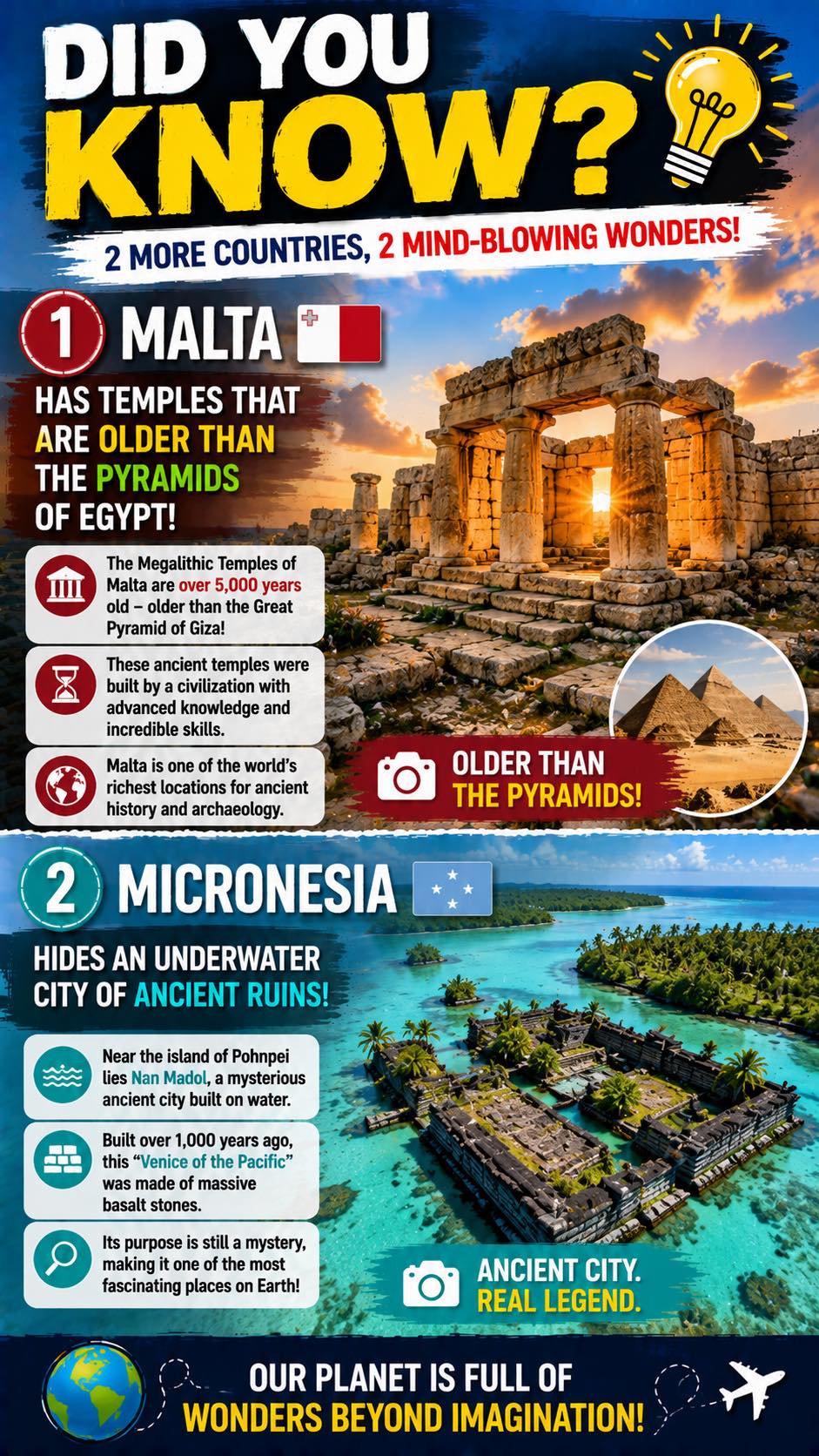
The Allure of Ancient Mysteries: Why We’re Still Fascinated by Lost Civilizations
The human spirit is inherently curious, driven by a deep-seated need to understand our origins and the vast timeline that precedes us. This innate curiosity finds fertile ground in the realm of ancient mysteries. Why do these age-old riddles continue to captivate us, even in an era of advanced science and technology? It’s more than just a passing interest; it’s a profound connection to the echoes of forgotten worlds.

Echoes from Vanished Worlds: Tracing the Footprints of Lost Cultures
Imagine entire civilizations rising and falling, leaving behind only fragments of their existence. These fragments – a pottery shard, a megalithic monument, a forgotten language – serve as breadcrumbs leading us into the past. Each discovery sparks a fresh wave of questions: What were their daily lives like? What were their beliefs? How did they achieve such incredible feats without the tools we consider essential today? The allure lies in the challenge of piecing together these fragments, much like detectives at an ancient crime scene, to reconstruct a narrative that might have been lost to time. “Every ancient ruin whispers a story, if only we learn how to listen.” These whispers often hint at a sophistication that makes us reconsider the linear progression of human development.

Beyond the Textbooks: What Conventional History Misses
While conventional history provides a foundational understanding of the past, it often relies on written records and archaeological consensus. However, many ancient mysteries exist precisely because they defy easy categorization or explanation within established historical frameworks. These unsolved puzzles push us to think critically, to consider alternative theories, and to acknowledge the limitations of our current knowledge. They remind us that history is not a static collection of facts, but an ongoing process of discovery and reinterpretation. This constant evolution is what makes exploring lost knowledge so dynamic and exciting, offering new perspectives on human ingenuity and resilience.
—
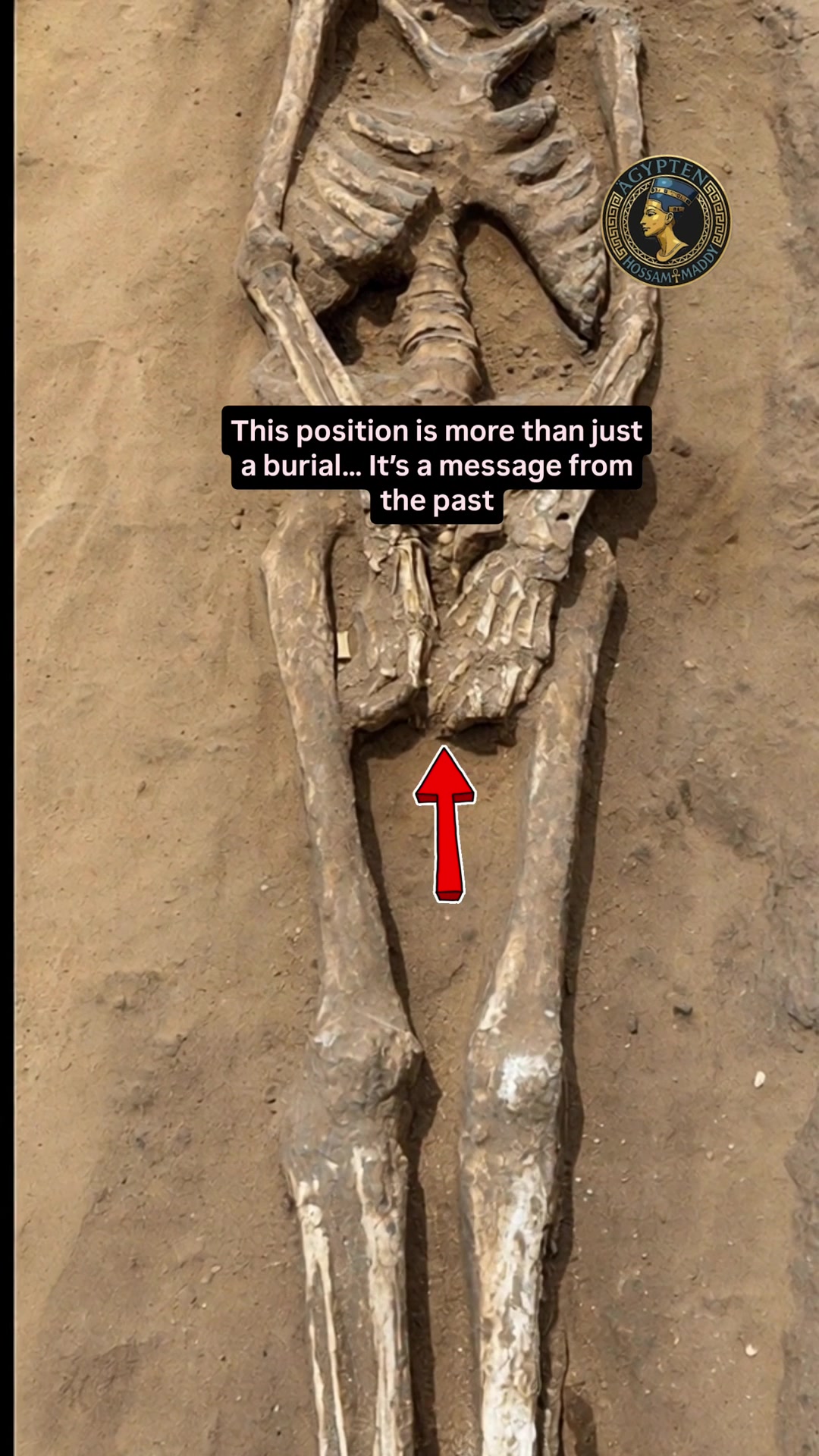
Enigmatic Artifacts: Decoding the Messages of the Past
Our ancestors left behind a wealth of objects, some mundane, others utterly perplexing. These enigmatic artifacts are more than just relics; they are tangible questions, challenging us to decipher their purpose, origin, and the knowledge they represent. Each one is a silent messenger, waiting for us to crack its code.

The Antikythera Mechanism: An Ancient Computer Beyond Its Time
Discovered in a shipwreck off the coast of the Greek island of Antikythera in 1901, the Antikythera Mechanism is arguably the most complex ancient artifact ever found. Dating back to the 2nd century BCE, this intricate device, composed of dozens of bronze gears, was an astronomical calculator. It could predict eclipses, track the movements of the sun, moon, and planets, and even indicate the dates of ancient Olympic Games.
Why it’s an enigma: The level of mechanical sophistication required to build the Antikythera Mechanism was believed to be impossible for its era. It predates similar technology by over a thousand years, suggesting a profound piece of lost knowledge in precision engineering and theoretical astronomy. Who built it, and how did they acquire such advanced understanding? The device forces us to reconsider the technological capabilities of ancient Greek civilization and hints at a lost tradition of mechanical genius. Its existence is an unsolved puzzle that continues to inspire awe and research.
- Internal Link Suggestion: Explore more ancient Greek inventions on our blog
- External Link Suggestion: Learn more about the Antikythera Mechanism at Antikythera.org (Opens in new window)
- Image Alt Text Suggestion: “Reconstruction of the Antikythera Mechanism showing intricate bronze gears and dials.”
- Internal Link Suggestion: Dive deeper into historical ciphers and codes
- Image Alt Text Suggestion: “A page from the Voynich Manuscript showing unusual botanical illustrations and unreadable script.”
- External Link Suggestion: View images and theories about the Nazca Lines on National Geographic (Opens in new window)
- Image Alt Text Suggestion: “Aerial view of the Nazca Lines depicting a giant hummingbird geoglyph in the Peruvian desert.”
- Internal Link Suggestion: Discover other wonders of ancient Egyptian architecture
- Image Alt Text Suggestion: “The Great Pyramid of Giza under a clear blue sky, showcasing its massive scale.”
- Internal Link Suggestion: Explore other famous mythological sites and their potential real-world counterparts
- Image Alt Text Suggestion: “Artistic rendering of the mythical city of Atlantis sinking into the ocean.”
- External Link Suggestion: Read more about Gobekli Tepe on the Smithsonian Magazine website (Opens in new window)
- Image Alt Text Suggestion: “Carved stone pillars at the ancient Gobekli Tepe site in Turkey.”
- Facebook: “Unearth the secrets of ancient civilizations! From the Antikythera Mechanism to the Nazca Lines, dive into the most captivating ancient mysteries and lost knowledge that still baffle experts today. #AncientMysteries #LostKnowledge #UnsolvedPuzzles #History”
- Twitter: “What if our ancestors were more advanced than we think? Explore enigmatic artifacts & unsolved puzzles like Gobekli Tepe & the Voynich Manuscript. Prepare to question everything! #AncientEnigmas #LostCivilizations #HistoryBuff”
- LinkedIn: “Delve into the profound impact of ancient enigmas on modern science and innovation. Discover how lost knowledge from civilizations like the Egyptians and Mayans continues to inspire us. #Archaeology #Innovation #HistoryFacts #AncientTech”
The Voynich Manuscript: A Code Unbroken for Centuries
Imagine a book filled with beautiful, strange illustrations of unknown plants, astrological diagrams, and naked women, all accompanied by flowing script that no one, for centuries, has been able to read. That’s the Voynich Manuscript. Discovered in 1912 by Polish book dealer Wilfrid Voynich, this medieval codex, dating back to the early 15th century, remains one of the world’s most famous unsolved puzzles.
Why it’s an enigma: The manuscript’s approximately 240 vellum pages are written in an unknown language or cipher. Cryptographers, linguists, and historians have tried to crack its code for decades, including top codebreakers from both World Wars, all to no avail. Theories range from it being a sophisticated hoax, an elaborate alchemical or herbal text, to a message from an alien civilization, or even an early form of constructed language. The consistent statistical properties of its text suggest it’s not gibberish, but a genuine language or code. Its purpose and meaning remain a profound piece of lost knowledge.
The Nazca Lines: Giant Etchings in the Desert, A Purpose Unknown
Stretching across hundreds of square miles of the Nazca Desert in Peru, the Nazca Lines are a series of massive geoglyphs etched into the arid landscape. Created by the ancient Nazca culture between 500 BCE and 500 CE, these designs depict animals (hummingbirds, monkeys, spiders), plants, geometric shapes, and straight lines, some stretching for miles. They are best viewed from the air.
Why it’s an enigma: The sheer scale and precision of the Nazca Lines are astonishing. How did the Nazca people create such enormous, perfectly proportioned designs without the ability to see them from above? Even more perplexing is their purpose. Were they astronomical observatories, religious offerings to sky gods, pathways for rituals, or perhaps even landing strips for extraterrestrial visitors? The true meaning behind these incredible enigmatic artifacts is a piece of lost knowledge that continues to spark intense debate and speculation. The enduring mystery of these giant desert drawings makes them a truly captivating unsolved puzzle.
—
Lost Knowledge and Advanced Civilizations: Were Our Ancestors More Capable Than We Think?
The narrative of human progress often depicts a steady, linear climb from primitive beginnings to modern technological prowess. However, many ancient mysteries suggest that certain civilizations may have possessed levels of lost knowledge that challenge this conventional view. The precision, scale, and ingenuity evident in their creations hint at a sophistication that sometimes seems to defy the known historical record.
Precision Engineering of the Pyramids: Unraveling Construction Secrets
The Great Pyramid of Giza, a monumental structure built over 4,500 years ago, remains one of the most astounding feats of ancient engineering. Composed of millions of precisely cut and fitted stone blocks, some weighing many tons, it stands as a testament to the organizational power and technical skill of the ancient Egyptians.
Why it’s an enigma: Despite numerous theories, the exact methods used to quarry, transport, and lift these massive stones into place remain an unsolved puzzle. How did they achieve such incredible accuracy in alignment and construction without modern machinery? The precision of the pyramid’s orientation to true north and the near-perfect angles of its casing stones suggest a profound understanding of mathematics, astronomy, and logistics. This level of lost knowledge in engineering and architecture pushes the boundaries of what we believe was possible millennia ago.
Ancient Astronomy and Calendars: Mapping the Cosmos with Stunning Accuracy
From Stonehenge to the Mayan calendar, ancient cultures across the globe demonstrated an extraordinary ability to observe and interpret celestial phenomena. Their sophisticated astronomical knowledge allowed them to track seasons, predict eclipses, and create calendars with remarkable accuracy, deeply integrating the cosmos into their religious and agricultural practices.
Why it’s an enigma: How did ancient observers, without telescopes or advanced computational tools, develop such precise understandings of celestial mechanics? Many structures, like the Caracol observatory at Chichen Itza, are meticulously aligned with astronomical events, suggesting generations of careful observation and accumulated lost knowledge. The Mayan calendar, in particular, showcases a complex system that tracked cycles over thousands of years, demonstrating an advanced grasp of mathematics and timekeeping that rivals many later civilizations. These ancient mysteries around their observational methods and calculation techniques are truly captivating.
Medicinal Marvels: The Forgotten Healing Arts of Antiquity
While often overshadowed by modern medicine, ancient civilizations developed surprisingly advanced healing practices. From surgical procedures in ancient Egypt and Peru (evidenced by trepanned skulls with signs of healing) to complex herbal pharmacopoeias documented in Mesopotamia and China, our ancestors possessed a wealth of lost knowledge in medicine.
Why it’s an enigma: Many ancient remedies and surgical techniques were remarkably effective, yet the scientific principles behind them were not fully understood until much later. For instance, the Ebers Papyrus from ancient Egypt lists hundreds of remedies, some of which contain ingredients still used in modern pharmacology. The intricate understanding of human anatomy and the development of specialized tools for surgery are unsolved puzzles that highlight a forgotten era of medical innovation. “The wisdom of the ancients often holds forgotten cures for modern ailments.”
—
Unsolved Puzzles: Challenging Conventional Narratives
Some ancient mysteries don’t just add to our understanding; they fundamentally challenge our established timelines and theories about human history. These unsolved puzzles force us to reconsider when and how civilization truly began, and what incredible events might have shaped our world in ways we’re only beginning to grasp.
The Mystery of Atlantis: Myth, Legend, or a Lost Continent?
Perhaps the most famous of all ancient mysteries, the legend of Atlantis, first recounted by Plato, describes a powerful and advanced island civilization that sank into the ocean in a single day and night of misfortune. For millennia, Atlantis has captured the imagination, sparking countless expeditions and theories.
Why it’s an enigma: Is Atlantis merely a philosophical allegory, or is there a kernel of truth to the story? Geologists and archaeologists have explored various potential locations, from the Mediterranean (like the volcanic eruption of Thera/Santorini) to the Caribbean and beyond. The enduring appeal of Atlantis lies in its promise of a highly advanced, pre-cataclysmic civilization whose lost knowledge could revolutionize our understanding of human history. The search for Atlantis is a testament to our desire to find evidence of a grander, more complex past.
Gobekli Tepe: Rewriting the Story of Civilization’s Dawn
Discovered in southeastern Turkey, Gobekli Tepe is a megalithic complex dating back an astonishing 11,600 years – predating Stonehenge by 6,000 years and the invention of pottery, writing, and even agriculture. It consists of massive, intricately carved stone pillars arranged in circular enclosures.
Why it’s an enigma: Gobekli Tepe completely overturns the conventional narrative that complex monumental architecture and organized religion arose after the development of settled agricultural societies. Here, we find sophisticated structures built by hunter-gatherers. This unsolved puzzle suggests that the desire for communal ritual and monumental construction might have driven the development of agriculture and permanent settlements, rather than the other way around. It’s a profound piece of lost knowledge about the very origins of human civilization, hinting at a much more complex and capable pre-agricultural past.
The Baghdad Battery: An Ancient Power Source?
In 1938, a German archaeologist discovered a peculiar clay jar in Khujut Rabou, Iraq, dating back to the Parthian era (around 250 BCE to 250 CE). Inside, it contained a copper cylinder and an iron rod. When filled with an electrolyte like grape juice, this assembly could have generated a small electrical current.
Why it’s an enigma: If the “Baghdad Battery” was indeed used to produce electricity, it would predate Alessandro Volta’s invention of the electric battery by nearly two millennia. What would the Parthians have used electricity for? Theories range from electroplating jewelry to therapeutic practices or even religious rituals. While its exact function remains an unsolved puzzle, the possibility of an ancient electrical device highlights a potential piece of lost knowledge that could dramatically alter our understanding of ancient technology. It’s an enigmatic artifact that keeps scientists and historians buzzing.
—
The Quest Continues: Modern Tools for Ancient Secrets
The pursuit of lost knowledge and the unraveling of ancient mysteries isn’t confined to dusty libraries and archaeological digs alone. Today, cutting-edge technology is providing unprecedented ways to probe the past, offering new clues to these unsolved puzzles.
Satellite Imagery and Remote Sensing: Peering Beneath the Surface
Imagine discovering entire cities or vast ancient road networks without ever breaking ground. Satellite imagery, LiDAR (Light Detection and Ranging), and other remote sensing techniques allow archaeologists to peer through dense jungle canopies, beneath desert sands, and even under urban sprawl. These tools can reveal subtle changes in topography that indicate buried structures, ancient canals, or settlements, giving researchers a bird’s-eye view of forgotten landscapes. This non-invasive approach is revolutionizing the way we find and understand archaeological sites, offering fresh perspectives on enigmatic artifacts and their contexts.
Advanced Dating Techniques: Pinpointing the Past with Precision
While radiocarbon dating has been a cornerstone of archaeology for decades, newer techniques are providing even greater precision. Optically Stimulated Luminescence (OSL) dating, for example, can determine when mineral grains were last exposed to sunlight, allowing accurate dating of sediments and structures. DNA analysis from ancient remains is also revealing insights into migration patterns, diets, and even the genetic makeup of ancient populations, adding crucial layers to our understanding of lost knowledge and the peoples who possessed it.
Digital Archaeology and AI: Reconstructing Lost Worlds
Digital archaeology uses 3D modeling, virtual reality, and augmented reality to reconstruct ancient sites and artifacts with incredible detail. This allows researchers to study complex structures remotely and provides immersive experiences for the public. Artificial intelligence and machine learning are also being employed to analyze vast datasets of archaeological information, identify patterns in undeciphered texts (like the Voynich Manuscript), and even predict where new sites might be found. These technologies are powerful allies in our ongoing quest to solve ancient mysteries and unlock unsolved puzzles.
—
Why These Ancient Enigmas Matter Today
Beyond the sheer fascination, the exploration of ancient mysteries and lost knowledge holds profound relevance for our modern world. It’s not just about understanding the past; it’s about enriching our present and inspiring our future.
Inspiring Innovation and Scientific Inquiry
The challenges posed by enigmatic artifacts and unsolved puzzles push the boundaries of scientific inquiry. Trying to understand how the Antikythera Mechanism worked inspires new approaches in engineering. Deciphering ancient texts spurs advances in linguistics and cryptography. The very act of questioning and investigating these ancient mysteries fosters critical thinking, problem-solving, and interdisciplinary collaboration – skills vital for addressing contemporary global challenges. “The past is not dead; it is not even past. It continues to inspire our future innovations.”
Understanding Human Potential and Resilience
Every time we uncover a piece of lost knowledge or shed light on an unsolved puzzle, we gain a deeper appreciation for the ingenuity, adaptability, and resilience of our ancestors. Their ability to thrive, innovate, and create stunning works of art and engineering under challenging conditions reminds us of the incredible potential within humanity. These stories of ancient achievement empower us to face our own challenges with greater courage and creativity, recognizing the enduring spirit that has driven human progress for millennia.
—
Frequently Asked Questions About Ancient Mysteries (FAQ)
Q1: What is the most famous ancient mystery?
A1: While “most famous” can be subjective, the mystery of Atlantis, as first recounted by Plato, is arguably the most widely known and debated ancient mystery, captivating imaginations for centuries. The construction of the Great Pyramids of Giza also ranks highly due to their monumental scale and the unknown methods of their construction.
Q2: How do archaeologists and historians try to solve these ancient puzzles?
A2: They use a combination of methods, including meticulous excavation, analysis of artifacts, deciphering ancient texts, comparative studies with other cultures, and increasingly, advanced scientific techniques like radiocarbon dating, DNA analysis, remote sensing (LiDAR, satellite imagery), and digital reconstruction. They also form hypotheses based on available evidence and constantly re-evaluate them as new data emerges.
Q3: Are there any ancient mysteries that have been definitively solved?
A3: Many historical puzzles have been solved or largely understood over time. For example, the decipherment of Egyptian hieroglyphs with the Rosetta Stone was a monumental breakthrough. While some aspects of ancient mysteries may remain, significant progress is often made through persistent research and new discoveries. However, some unsolved puzzles like the Voynich Manuscript or the full purpose of the Nazca Lines remain largely open.
Q4: Why is it important to study lost knowledge from ancient civilizations?
A4: Studying lost knowledge is crucial for several reasons: it expands our understanding of human history and capabilities, reveals forgotten technological or philosophical insights, inspires modern innovation, and helps us appreciate the diverse ways human societies have organized themselves and interacted with their environment. It also reminds us that progress isn’t always linear and that valuable wisdom can be forgotten.
Q5: Could ancient civilizations have had technology more advanced than we currently believe?
A5: The existence of enigmatic artifacts like the Antikythera Mechanism certainly suggests that some ancient civilizations possessed incredibly advanced specialized knowledge in certain fields, such as astronomy or precision mechanics, that was far ahead of its time. While there’s no widespread evidence of “lost super-technology” in the modern sense, the idea of highly sophisticated, specialized lost knowledge is supported by various archaeological finds that continue to challenge our assumptions about ancient capabilities.
—
Unlocking the Secrets: Your Journey into the Past Awaits
The journey through ancient mysteries is a compelling reminder that history is not a closed book, but an ongoing narrative filled with incredible discoveries waiting to be made. From the intricate gears of the Antikythera Mechanism to the colossal carvings of Gobekli Tepe, these enigmatic artifacts and unsolved puzzles continue to spark our imagination, challenge our assumptions, and deepen our appreciation for the ingenuity of our ancestors. The quest for lost knowledge is a testament to the enduring human spirit of curiosity and exploration.
Every unearthed artifact, every deciphered inscription, and every new scientific analysis brings us a step closer to understanding the full tapestry of human history. The past holds not just secrets, but lessons, inspirations, and a profound sense of connection to those who came before us. So, keep asking questions, keep exploring, and keep marveling at the wonders of the ancient world.
Ready to test your knowledge of ancient secrets? Delve into ancient enigmas with our interactive quiz and see if you have what it takes to be a master decipherer of the past!
Take the Ancient Enigmas Quiz Now! (Internal link, opens in same window)
—
Social Sharing Optimization:
Schema Markup Recommendation:
Consider adding FAQPage schema markup for the “Frequently Asked Questions About Ancient Mysteries” section to improve visibility in search results and potentially earn a featured snippet.
json
{
  "@context": "https://schema.org",
  "@type": "FAQPage",
  "mainEntity": [
    {
      "@type": "Question",
      "name": "What is the most famous ancient mystery?",
      "acceptedAnswer": {
        "@type": "Answer",
        "text": "While "most famous" can be subjective, the mystery of Atlantis, as first recounted by Plato, is arguably the most widely known and debated ancient mystery, captivating imaginations for centuries. The construction of the Great Pyramids of Giza also ranks highly due to their monumental scale and the unknown methods of their construction."
      }
    },
    {
      "@type": "Question",
      "name": "How do archaeologists and historians try to solve these ancient puzzles?",
      "acceptedAnswer": {
        "@type": "Answer",
        "text": "They use a combination of methods, including meticulous excavation, analysis of artifacts, deciphering ancient texts, comparative studies with other cultures, and increasingly, advanced scientific techniques like radiocarbon dating, DNA analysis, remote sensing (LiDAR, satellite imagery), and digital reconstruction. They also form hypotheses based on available evidence and constantly re-evaluate them as new data emerges."
      }
    },
    {
      "@type": "Question",
      "name": "Are there any ancient mysteries that have been definitively solved?",
      "acceptedAnswer": {
        "@type": "Answer",
        "text": "Many historical puzzles have been solved or largely understood over time. For example, the decipherment of Egyptian hieroglyphs with the Rosetta Stone was a monumental breakthrough. While some aspects of ancient mysteries may remain, significant progress is often made through persistent research and new discoveries. However, some unsolved puzzles like the Voynich Manuscript or the full purpose of the Nazca Lines remain largely open."
      }
    },
    {
      "@type": "Question",
      "name": "Why is it important to study lost knowledge from ancient civilizations?",
      "acceptedAnswer": {
        "@type": "Answer",
        "text": "Studying lost knowledge is crucial for several reasons: it expands our understanding of human history and capabilities, reveals forgotten technological or philosophical insights, inspires modern innovation, and helps us appreciate the diverse ways human societies have organized themselves and interacted with their environment. It also reminds us that progress isn't always linear and that valuable wisdom can be forgotten."
      }
    },
    {
      "@type": "Question",
      "name": "Could ancient civilizations have had technology more advanced than we currently believe?",
      "acceptedAnswer": {
        "@type": "Answer",
        "text": "The existence of enigmatic artifacts like the Antikythera Mechanism certainly suggests that some ancient civilizations possessed incredibly advanced specialized knowledge in certain fields, such as astronomy or precision mechanics, that was far ahead of its time. While there's no widespread evidence of "lost super-technology" in the modern sense, the idea of highly sophisticated, specialized lost knowledge is supported by various archaeological finds that continue to challenge our assumptions about ancient capabilities."
      }
    }
  ]
}