
The Enduring Enigma of the Phaistos Disc: Unraveling an Ancient Minoan Mystery
The ancient world, a tapestry woven with the threads of forgotten empires, monumental achievements, and profound mysteries, continues to captivate the human imagination. From the sun-baked sands of Egypt to the windswept hills of Rome and the sophisticated city-states of Greece, countless stories lie buried, waiting for the archaeologist’s trowel to bring them to light. Among the most perplexing and enduring of these archaeological mysteries is a small, unassuming clay disc unearthed over a century ago on the island of Crete: the Phaistos Disc. This singular ancient artifact stands as a silent testament to a sophisticated yet vanished civilization, its surface etched with an enigmatic script that has defied all attempts at decipherment.
Discovered in 1908 within the ruins of a grand Minoan palace, the Phaistos Disc offers a tantalizing glimpse into the mind of a people whose language and beliefs remain largely unknown. It represents one of the most significant ancient discoveries of its time, immediately igniting a fervent scholarly debate that continues to this day. Is it a sacred text, a legal document, a child’s game, or perhaps something even more profound? The answers remain elusive, making it a cornerstone of historical mysteries and a symbol of the forgotten history that still lurks beneath the surface of our understanding. This article delves into the documented facts surrounding the Phaistos Disc, separating verifiable archaeological evidence from the speculative theories and popular myths that have grown around this extraordinary relic of the ancient world.

The Moment of Discovery: Unearthing a Bronze Age Enigma
The story of the Phaistos Disc begins on July 3, 1908, amidst the ongoing excavations of the Minoan palace at Phaistos, on the southern coast of Crete. The Italian Archaeological Mission, led by Professor Federico Halbherr and his assistant Luigi Pernier, was meticulously uncovering the remnants of a civilization that predated classical Greece. It was Pernier who made the remarkable find in a basement room (designated room XL-101) of the palace’s northern sector. This room, part of a complex of administrative offices and archives, yielded not only the disc but also a tablet inscribed with Linear A, another undeciphered Minoan script, and various pieces of Middle Minoan pottery.
The context of the discovery is crucial for understanding its authenticity and historical significance. The disc was found within a clearly defined archaeological stratum, alongside artifacts that firmly dated the layer to the Middle Minoan IIB period, roughly 1850-1600 BCE. This secure dating immediately placed the disc within the flourishing era of the Minoan civilization, a sophisticated Bronze Age culture renowned for its advanced art, architecture, and maritime prowess. The associated Linear A tablet further cemented its connection to Minoan administrative practices, suggesting it was part of a broader archival collection. This initial ancient discovery not only brought forth a unique object but also provided vital chronological and cultural anchors, grounding the disc in verifiable ancient history.

A Closer Look at the Artifact: The Disc’s Unique Characteristics
The Phaistos Disc itself is a marvel of ancient craftsmanship and an anomaly in the archaeological record. Fashioned from baked clay, it measures approximately 16 centimeters (about 6.3 inches) in diameter and varies in thickness from 1.6 to 2.1 centimeters. Both sides of the disc are covered with a spiral inscription composed of 241 individual signs, meticulously impressed into the wet clay before firing. What makes the Phaistos Disc truly unique, however, is the method of its inscription: the signs were not incised or drawn by hand, but rather stamped using individual hieroglyphic-like “seals.” This makes it arguably the earliest known example of printing with movable type, predating Gutenberg by nearly three millennia.
There are 45 distinct signs or symbols on the disc, each appearing multiple times. These symbols depict a fascinating array of objects, creatures, and human figures: a man with a plumed head, a shield, an axe, a bird, a fish, a plant, a rosette, a bee, and many more. The arrangement of these symbols in groups, separated by vertical lines, suggests a division into words or phrases. The spiral direction of the inscription, from the rim towards the center, is also a significant feature, indicating a specific reading order, although whether it starts from the outside or inside remains a point of contention among scholars. The sheer effort and ingenuity involved in creating these stamps and meticulously impressing them onto the clay disc point to an object of considerable importance to its creators. This intricate detail elevates the Phaistos Disc from a mere curiosity to a profound ancient artifact, challenging our perceptions of early technological capabilities.
The Undeciphered Script: A Linguistic Labyrinth
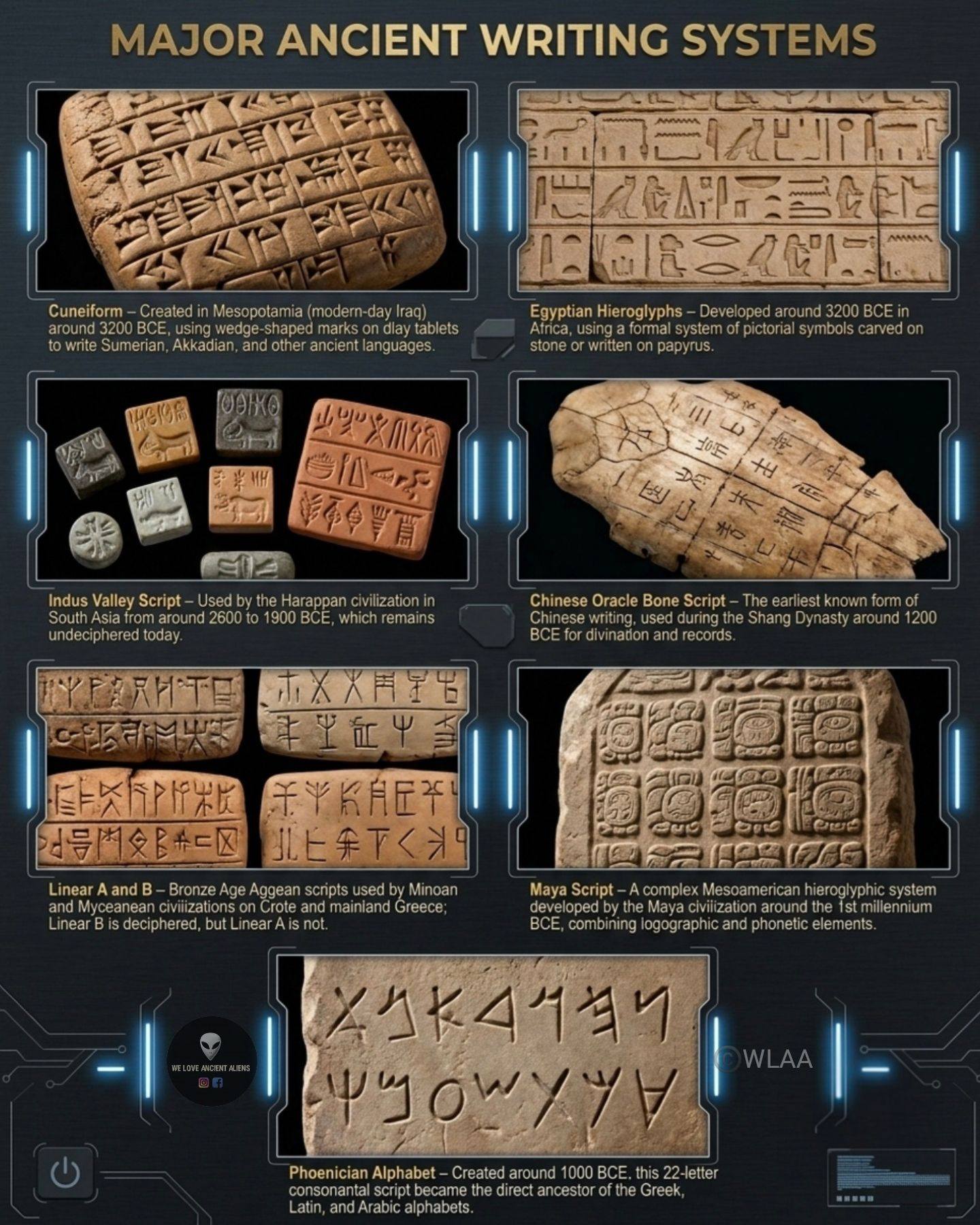
The core of the Phaistos Disc’s mystery lies in its undeciphered script. Unlike other Minoan writing systems like Linear A and Linear B, the Phaistos Disc script is unique. While Linear A remains largely undeciphered, Linear B was famously deciphered in the 1950s by Michael Ventris and John Chadwick, revealing it to be an early form of Greek used by the Mycenaeans. The Phaistos Disc, however, shares no direct, clear relationship with either of these, or with any other known ancient script. This isolation is a major hurdle for decipherment efforts.
Scholars have attempted to analyze the script using various linguistic and statistical methods. The small number of unique symbols (45) suggests it is likely a syllabary, where each symbol represents a syllable (like “ba,” “ko,” “ta”), rather than an alphabet (where each symbol is a single sound) or a purely ideographic system (where each symbol represents a concept). The total number of signs (241) is also relatively small for a complete text, leading some to believe it might be an excerpt, a formulaic text, or part of a larger, lost collection.
Numerous theories have been put forth regarding the language encoded on the disc:
- Minoan Language: Many believe it represents the indigenous language of the Minoans, distinct from Greek.
- Luwian Language: Some scholars, notably Jan Best, have proposed a connection to Luwian, an Anatolian language, suggesting a trade or cultural link between Crete and Anatolia.
- Proto-Greek: Others have tried to link it to an early form of Greek, predating Linear B.
- Other Indo-European or Semitic Languages: Various other linguistic families have been suggested, though with less supporting evidence.
- Administrative Document: Given its discovery in an archive room alongside a Linear A tablet, some suggest it might be an administrative record, a census, an inventory, or a legal document. However, its unique stamped format and artistic symbols differ significantly from the more utilitarian nature of known administrative texts like Linear A and B.
- Religious Text or Prayer: The presence of symbols resembling human figures, temples, and ritual objects has led others to believe it could be a hymn, an invocation, or a religious decree. Its spiral form could even symbolize a ritual journey or cosmic order.
- Calendar or Astronomical Text: The repetitive nature of some symbol groups and the overall circular shape have prompted theories that the disc is a type of calendar, an astrological chart, or a record of celestial observations.
- Game Board or Educational Tool: A more playful interpretation suggests it could be a game board, with the symbols representing moves or scores, or perhaps an educational tool for teaching literacy or a specific set of knowledge.
- Propaganda or Royal Decree: The intricate and unique nature of the disc could mean it was a prestigious object, designed for display or to convey a royal message, possibly even a propaganda piece to assert power or divine right.
- Foreign Import: Some scholars have hypothesized that the disc might not be Minoan in origin at all, but rather an import from another culture, perhaps from Anatolia, the Balkans, or even Egypt, further complicating its linguistic and cultural context.
- Secure Archaeological Context: As mentioned earlier, the disc was found in a well-stratified, undisturbed archaeological layer alongside other artifacts of known Minoan age (Middle Minoan IIB pottery and a Linear A tablet). Forgery would require the discoverer, Luigi Pernier, to have not only created a remarkably sophisticated fake but also to have planted it in a manner that perfectly mimicked an ancient find, all while deceiving numerous other experienced archaeologists present at the site.
- Material Analysis: While comprehensive modern material analysis (like thermoluminescence dating of the clay itself) has not been widely published, preliminary observations suggest consistency with ancient firing techniques. The patina and wear on the disc are also consistent with centuries of burial.
- Complexity of Forgery: Creating 45 unique, intricate stamps and then perfectly impressing them onto a clay disc in a spiral pattern, ensuring consistency and a believable “ancient” aesthetic, would have been an extraordinary feat for the early 20th century, especially for someone working in the field.
- The Rise and Fall of the Minoan Civilization: A Bronze Age Powerhouse – Anchor Text: Minoan civilization, Bronze Age culture, sophisticated Bronze Age culture
- Top 10 Undeciphered Ancient Scripts: A Glimpse into Lost Languages – Anchor Text: undeciphered ancient scripts, ancient scripts
- British Museum – Minoan Civilization – Anchor Text: Minoan civilization, Bronze Age culture
- Archaeological Institute of America – What We Know (and Don’t Know) About the Phaistos Disc – Anchor Text: scholarly debate, decipherment efforts
An archaeological excavation site at the Palace of Phaistos on Crete, showing ancient Minoan ruins under a clear sky.A detailed view of some of the unique stamped symbols on the Phaistos Disc, including a man's head, a shield, and a bird.A map of the island of Crete highlighting the location of the ancient Minoan palace of Phaistos.
The lack of a bilingual text (a “Rosetta Stone” equivalent) and the limited corpus of the script itself make decipherment incredibly difficult. Every proposed decipherment remains highly speculative and unproven, unable to gain widespread acceptance within the academic community. This persistent resistance to decipherment only deepens the archaeological mystery surrounding the disc, solidifying its place as one of the most challenging puzzles in ancient history.

Theories of Purpose and Meaning: What Was It For?
Beyond the challenge of decipherment, scholars have also grappled with the disc’s original purpose. Why was such a unique and labor-intensive object created? Numerous hypotheses have been proposed, each shedding a different light on the possible function of this ancient artifact:
Each theory is supported by varying degrees of circumstantial evidence and interpretation, but none has definitively proven the disc’s purpose. The lack of a clear parallel in the ancient world only adds to the intrigue, making it difficult to categorize based on known historical precedents. The Phaistos Disc stands alone, a singular voice from a lost civilization, its message muted by the passage of millennia.

Distinguishing Fact from Fiction: Addressing Hoax Claims
Like many high-profile ancient artifacts that defy easy explanation, the Phaistos Disc has attracted its share of skepticism, including persistent claims that it is a modern forgery. These “hoax theories” often gain traction in popular culture and on the internet, fueled by the disc’s uniqueness and the inability of scholars to decipher it. However, within the rigorous field of archaeology, these claims are overwhelmingly dismissed by the vast majority of experts.
Here’s why the forgery claims are largely unsubstantiated and refuted by archaeological consensus:
Scholarly Acceptance: The disc has been accepted as authentic by virtually every major scholar and institution studying Minoan civilization and ancient scripts for over a century. While its meaning is debated, its authenticity* is not a primary point of academic contention.
While it is important for archaeology to maintain a critical perspective, dismissing the Phaistos Disc as a hoax often ignores the extensive verifiable evidence of its discovery and the consensus of the scholarly community. Instead, the disc remains a genuine historical mystery, a legitimate puzzle for ancient history research, rather than a clever fraud.
The Enduring Allure of the Undeciphered
The Phaistos Disc continues to fascinate, not just archaeologists and linguists, but anyone drawn to the profound allure of the unknown. It represents a direct communication from a lost civilization, a message frozen in time, waiting for the key that will unlock its secrets. Its existence reminds us that despite all our advancements, vast swathes of ancient history remain shrouded in enigma.
The quest to decipher the Phaistos Disc is more than just an academic exercise; it is a journey into the heart of human ingenuity, culture, and communication. It challenges our assumptions about the capabilities of Bronze Age societies and compels us to reconsider the pathways of technological and linguistic development. Each attempt at decipherment, however unsuccessful, contributes to our understanding of ancient scripts, Minoan culture, and the broader context of the ancient world. The disc serves as a powerful symbol of the many archaeological mysteries that still await resolution, encouraging new generations of scholars to delve into the depths of forgotten history.
The Phaistos Disc, with its unique script and elusive meaning, stands as one of the most compelling ancient artifacts ever discovered. It is a testament to the rich, complex tapestry of ancient history, a fragment of a lost civilization that continues to speak to us across millennia, albeit in a language we have yet to comprehend. Its enduring mystery is a powerful reminder of how much there is still to learn and discover about our shared past.
*
Uncover More Documented Mysteries: Are you captivated by the untold stories and unresolved questions of the past? The Phaistos Disc is just one of countless historical mysteries that challenge our understanding of ancient civilizations. Dive deeper into the fascinating world of archaeology and ancient discoveries at TrueHistories.com, where we explore the most intriguing documented mysteries and forgotten history from across the ancient world.
*
Suggested Internal Links:
* Explore the Secrets of Linear A and Linear B: Minoan and Mycenaean Scripts – Anchor Text: Linear A, Linear B, Minoan writing systems, early form of Greek
Suggested External Links:
* The Italian Archaeological School at Athens – Phaistos Excavations – Anchor Text: Italian Archaeological Mission, Phaistos archaeological site
Image Alt Text Suggestions:
* A close-up of the Phaistos Disc, a circular clay artifact covered in spiraling, stamped hieroglyphic-like symbols.
Schema Markup Recommendation:
json
{
  "@context": "https://schema.org",
  "@type": "BlogPosting",
  "headline": "The Enduring Enigma of the Phaistos Disc: Unraveling an Ancient Minoan Mystery",
  "description": "Explore the documented mystery of the Phaistos Disc, an undeciphered ancient artifact from the Minoan civilization, separating archaeological facts from speculation.",
  "image": [
    "https://www.example.com/images/phaistos-disc-main.jpg",
    "https://www.example.com/images/phaistos-disc-detail.jpg",
    "https://www.example.com/images/phaistos-excavation.jpg"
  ],
  "datePublished": "2023-10-27T08:00:00+08:00",
  "dateModified": "2023-10-27T08:00:00+08:00",
  "author": {
    "@type": "Person",
    "name": "TrueHistories Expert Author"
  },
  "publisher": {
    "@type": "Organization",
    "name": "TrueHistories.com",
    "logo": {
      "@type": "ImageObject",
      "url": "https://mlllvkswnk4n.i.optimole.com/w:auto/h:auto/q:mauto/f:best/https://www.truehistories.com/logo.png"
    }
  },
  "mainEntityOfPage": {
    "@type": "WebPage",
    "@id": "https://www.truehistories.com/blog/phaistos-disc-mystery"
  },
  "keywords": "ancient history, archaeological mysteries, ancient artifacts, lost civilizations, ancient discoveries, historical mysteries, archaeology, forgotten history, ancient world, Roman history, Greek history, Minoan civilization, Phaistos Disc, undeciphered scripts, Bronze Age, Crete"
}