
Unveiling Hidden Empires: How Modern Archaeology Is Rewriting Ancient History
For centuries, our understanding of ancient civilizations was largely confined to what we could see on the surface: monumental ruins, enduring texts, and the occasional lucky find. But what if entire empires, vast cities, and complex societies lay hidden beneath dense jungles, arid deserts, or even our very feet, waiting to be rediscovered? Modern archaeology, armed with cutting-edge technology and innovative methodologies, is doing just that—revealing a staggering number of previously unknown or vastly underestimated ancient civilizations, fundamentally reshaping our view of human history and ingenuity. These “hidden empires” remind us that the past is far more intricate and expansive than we ever imagined, perpetually challenging and enriching our historical narratives.
Beyond the Shovel: The Evolution of Archaeological Discovery
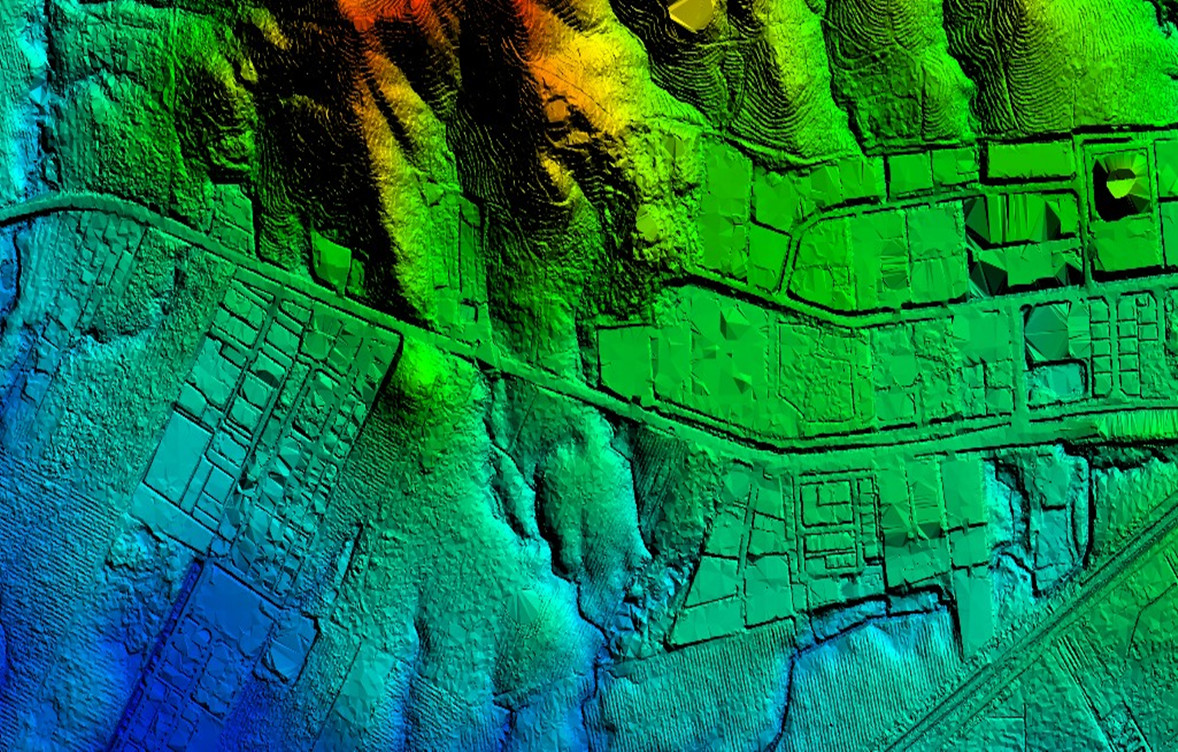
Archaeology has come a long way from its early days of treasure hunting and simple excavation. While the meticulous work of digging and sifting remains crucial, today’s archaeologists operate with an arsenal of sophisticated tools that allow them to “see” beneath the earth, through dense foliage, and even under water, without disturbing a single artifact. This technological revolution has transformed the pace and scale of discovery, making it possible to map entire ancient landscapes in ways previously unimaginable.
Key technologies driving this revolution include:
- LiDAR (Light Detection and Ranging): Perhaps the most game-changing tool, LiDAR uses pulsed laser light to measure distances and create detailed 3D maps of surfaces. When flown over dense forests, it can penetrate the canopy, effectively “removing” the vegetation to reveal ancient structures, roads, and agricultural systems hidden below.
- Ground-Penetrating Radar (GPR): This technology sends radio waves into the ground and measures the reflections, allowing archaeologists to detect buried features like walls, foundations, and even graves without digging.
- Satellite Imagery and Remote Sensing: High-resolution satellite images, often combined with multispectral analysis, can identify subtle changes in vegetation or soil composition that indicate the presence of buried sites or ancient land modifications.
- Drone Technology: Drones equipped with cameras, LiDAR, or thermal sensors provide aerial perspectives that help identify patterns and features invisible from the ground, covering vast areas quickly and cost-effectively.
- Underwater Archaeology Tech: Sonar, remotely operated vehicles (ROVs), and advanced diving equipment are opening up the submerged past, revealing shipwrecks, ancient ports, and even entire settlements swallowed by rising sea levels.
- Geographic Information Systems (GIS): GIS software integrates and analyzes spatial data from various sources, allowing archaeologists to visualize, interpret, and model complex ancient landscapes and settlement patterns.
- DNA Analysis and Bioarchaeology: Advances in genetic sequencing are revealing ancient human migrations, dietary habits, disease patterns, and even social structures through the study of skeletal remains and ancient DNA.
- AI and Machine Learning: These emerging technologies are increasingly used to process vast datasets from remote sensing, identify patterns, and even predict the locations of undiscovered sites, accelerating the pace of research.
These tools are not just finding new sites; they are helping us understand the true scale, complexity, and interconnectedness of ancient societies, often revealing “hidden empires” that defy previous assumptions.

Asia’s Lost Cities and Kingdoms: Rewriting the Continent’s Past
Asia, a cradle of civilization, continues to surprise archaeologists with its buried secrets. Modern techniques are revealing a much richer and more expansive history than once thought.
The Greater Khmer Empire: Beyond Angkor Wat
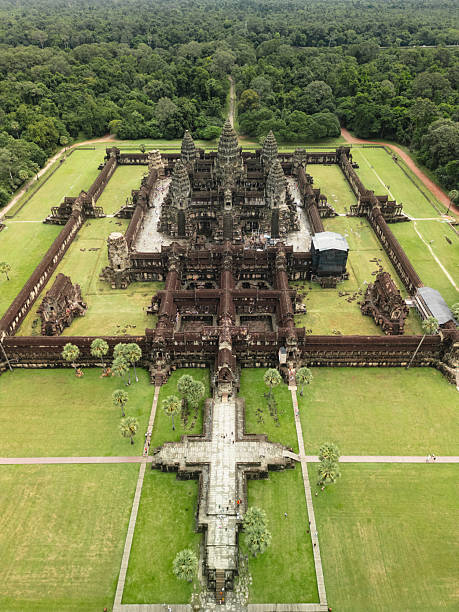
For decades, the magnificent temples of Angkor Wat in Cambodia stood as the primary symbol of the Khmer Empire. While their grandeur was undeniable, archaeologists wondered about the supporting infrastructure that sustained such a monumental civilization. LiDAR surveys conducted in the early 21st century provided a breathtaking answer: Angkor was just the ceremonial heart of a sprawling mega-city.
These surveys revealed an intricate network of roads, canals, reservoirs, and residential complexes extending far beyond the visible temples, covering an area comparable to modern-day Los Angeles. This vast urban landscape, supported by sophisticated hydraulic engineering, suggests a much larger and more densely populated Khmer Empire than previously estimated, thriving for centuries through ingenious water management and agricultural practices. This discovery fundamentally altered our understanding of pre-industrial urbanism.

Expanding the Indus Valley Civilization’s Footprint
The Indus Valley Civilization (also known as the Harappan Civilization) flourished around 2500–1900 BCE across parts of modern-day Pakistan and India, known for its well-planned cities like Mohenjo-Daro and Harappa. While extensive, ongoing research is continually expanding its known boundaries and revealing new facets of its sophisticated culture.
Recent excavations at sites like Rakhigarhi in India have uncovered evidence of extensive urban planning, advanced drainage systems, and intricate craft production, suggesting it might have been one of the largest cities of the Indus Valley. Further discoveries are pushing the civilization’s geographical reach, revealing its widespread influence and the complexity of its trade networks, including connections with Mesopotamia. These findings paint a picture of a vast, interconnected, and highly organized “hidden empire” that was far from static.
China’s Enigmatic Sanxingdui Culture
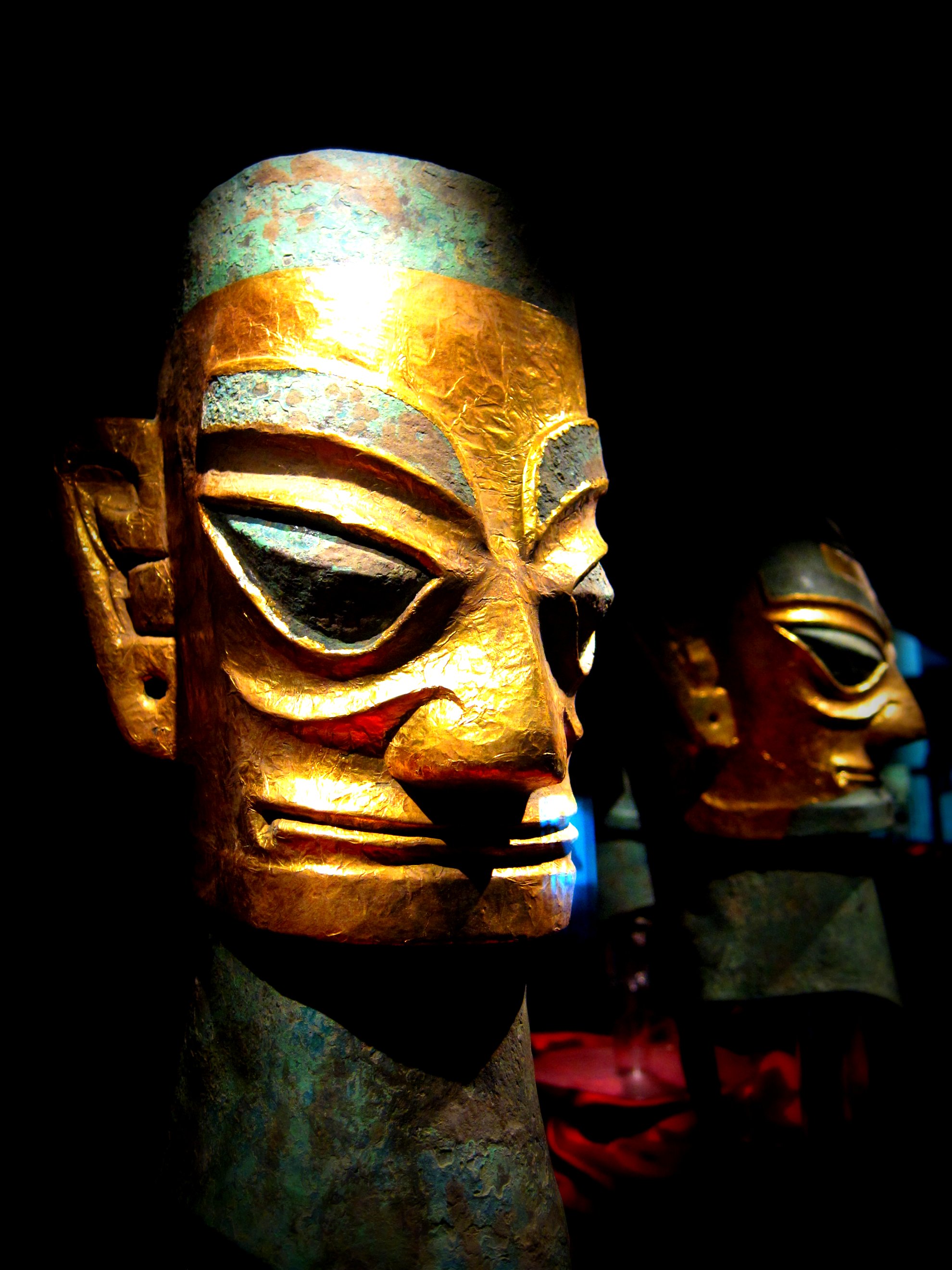
For a long time, the narrative of early Chinese civilization focused primarily on the Yellow River valley. However, discoveries at Sanxingdui in Sichuan province, particularly recent findings in sacrificial pits, have illuminated a distinct and highly sophisticated Bronze Age culture (dating back 3,000 to 4,500 years ago) that challenges this traditional view.
The artifacts unearthed—stunning bronze masks, human-like figures, and unique ritual objects unlike anything found in other parts of China—suggest a powerful, independent kingdom with its own artistic traditions and religious practices. These finds point to multiple centers of early Chinese civilization, hinting at a “hidden empire” that developed in parallel with or in communication with the Yellow River cultures, adding layers of complexity to China’s ancient past.
Unearthing the Americas’ Forgotten Civilizations
The Americas, often portrayed as a “New World,” host ancient civilizations that rivaled any in sophistication and scale. Modern archaeology is proving that many of these societies were far more extensive and impactful than previously understood.
The Maya’s Hidden Megacities
The Maya civilization of Mesoamerica has always captivated historians with its monumental architecture, intricate writing system, and advanced astronomical knowledge. However, traditional archaeological methods struggled to fully grasp the scale of their urbanism due to the dense jungle canopy covering much of their territory.
LiDAR technology has been a game-changer. Surveys over regions like the Petén Basin in Guatemala have revealed tens of thousands of previously unknown structures, including houses, fortifications, elevated causeways, and extensive agricultural terracing. These discoveries indicate that the Maya lowlands were far more densely populated and interconnected than once thought, with vast urban centers like Tikal linked by sophisticated road networks. Sites like El Mirador, once known for its massive pyramids, are now understood as part of an even larger, integrated urban landscape, suggesting a Maya “hidden empire” with unprecedented demographic and political complexity.
Amazonian Earthworks and Forest Cities
For centuries, the Amazon rainforest was largely considered a pristine wilderness, sparsely populated by small, nomadic groups. This perception is rapidly changing thanks to satellite imagery, drone surveys, and targeted excavations revealing vast, complex societies that thrived in the Amazon basin for millennia.
In regions like the Llanos de Mojos in Bolivia and the Acre region of Brazil, archaeologists have uncovered extensive earthworks—geoglyphs, monumental causeways, artificial mounds, and sophisticated agricultural systems. These structures are evidence of highly organized societies that engineered their environment on a massive scale, creating sustainable livelihoods in challenging landscapes. The recent discovery of walled, interconnected “garden cities” in the Bolivian Amazon, dating back 600–1000 years, further shatters the myth of a “pristine” Amazon, revealing a “hidden empire” of sophisticated forest dwellers who significantly shaped their environment.
North America’s Underestimated Mound Builders
North America was home to diverse and complex ancient cultures, often referred to as “Mound Builders” for their distinctive earthen constructions. While sites like Cahokia in Illinois are well-known, modern archaeology is continually revealing the true scale and sophistication of these “hidden empires.”
New research, often utilizing GPR and LiDAR, is identifying previously unknown mound complexes and extensive ancient settlements across the Mississippi River Valley and beyond. These discoveries highlight sophisticated urban planning, extensive trade networks, and complex social hierarchies among Mississippian and other pre-Columbian cultures. They challenge the notion of North American indigenous societies as uniformly simple or nomadic, showcasing a rich tapestry of advanced civilizations that flourished long before European contact.
Africa and the Middle East: Rewriting Ancient Narratives
From the sands of the Sahara to the highlands of Ethiopia, Africa and the Middle East hold countless stories of powerful ancient civilizations, many of which are only now being fully appreciated through modern archaeological methods.
Unveiling the Aksumite Empire’s Pre-Christian Roots
The Aksumite Empire, centered in modern-day Ethiopia and Eritrea, was a major player in ancient global trade, known for its monumental stelae and its adoption of Christianity. While its later phases are well-documented, modern archaeology is shedding light on its earlier, “hidden” roots.
New discoveries, particularly at sites like Beta Samati, are revealing sophisticated urban centers, trade networks, and agricultural systems that predate the empire’s Christian era. These findings demonstrate that Aksum’s rise was not sudden but built upon centuries of indigenous development, showcasing a powerful “hidden empire” with deep historical foundations and far-reaching influence across the Red Sea and beyond.
The Garamantes: Masters of the Saharan Desert
The vast Sahara Desert has long been perceived as an impassable barrier, but ancient societies found ways to thrive within and across it. The Garamantes, a powerful kingdom that flourished in what is now southern Libya from roughly 500 BCE to 700 CE, were masters of desert adaptation.
Using satellite imagery and remote sensing, archaeologists have identified thousands of ancient settlements, extensive irrigation systems (known as foggara), and fortifications belonging to the Garamantes. These discoveries reveal a sophisticated “hidden empire” that controlled trans-Saharan trade routes, developed advanced agricultural techniques in an arid environment, and challenged Roman expansion. Their existence fundamentally alters our understanding of ancient African societies and the capabilities of desert civilizations.
Arabian Peninsula’s Lost Trade Hubs
The Arabian Peninsula is often associated with later Islamic empires, but it was a vibrant crossroads of trade and culture for millennia before. Modern archaeological surveys are uncovering a wealth of evidence for “hidden empires” that thrived on frankincense trade and maritime connections.
Discoveries in Oman, the UAE, and Saudi Arabia are revealing ancient settlements, ports, and caravan routes that were crucial links in global trade networks connecting East Africa, India, and Mesopotamia. Sites like Shisr (the legendary Ubar) and the Frankincense Land sites demonstrate sophisticated urbanism and economic activity, painting a picture of powerful, wealthy kingdoms that flourished in the region, often operating outside the direct influence of better-known empires.
Europe’s Submerged Secrets and Buried Landscapes
Even in Europe, a continent extensively studied by archaeologists for centuries, new technologies are revealing “hidden empires” and lost worlds that dramatically expand our understanding of its deep past.
Doggerland: A Lost World Beneath the North Sea
One of the most astonishing discoveries is Doggerland, a vast landmass that once connected Great Britain to mainland Europe. During the last Ice Age, when sea levels were much lower, this fertile plain was home to Mesolithic hunter-gatherers for thousands of years.
Through bathymetric surveys, seismic mapping, and the recovery of artifacts by trawlers, archaeologists are meticulously reconstructing this submerged landscape. Doggerland represents a true “hidden empire”—a lost world that supported a rich ecosystem and human populations, now lying beneath the waves of the North Sea. Its discovery has transformed our understanding of early European populations, their migrations, and the profound impact of climate change on ancient societies.
Vinča Culture’s Proto-Urban Megasites
Predating the earliest cities of Mesopotamia, the Vinča culture flourished in the Balkans (modern-day Serbia, Romania, Bulgaria) from around 5700 to 4500 BCE. While known for its distinctive pottery and early metalworking, modern techniques are revealing the true scale of its settlements.
LiDAR and GPR surveys are identifying vast, multi-layered settlements, sometimes covering hundreds of acres, with evidence of planned layouts, specialized craft production, and complex social structures. These sites suggest a “hidden empire” of proto