Unmasking Censored Histories: Illuminating Hidden Truths and Cover-Ups
History, often presented as a clear, linear progression of events, is far from a settled narrative. Beneath the surface of widely accepted accounts lies a complex tapestry of suppressed information, hidden truths, and deliberate cover-ups. This article delves into the fascinating and often unsettling world of censored histories, exploring how and why certain aspects of our past are obscured, the profound impact this has, and the critical methods truth-seekers and scholars employ to bring these hidden narratives to light. Understanding these suppressed histories is not merely an academic exercise; it’s essential for a complete comprehension of our present and for shaping a more just future.

What Exactly is “Censored History”? Unpacking the Layers of Suppression
When we talk about “censored history,” we’re not just discussing forgotten facts or obscure footnotes. We’re referring to a spectrum of deliberate actions and systemic biases that actively conceal, distort, or erase significant parts of the past. This phenomenon encompasses several related concepts:
- Suppressed History: This refers to events, perspectives, or evidence that have been intentionally withheld from public knowledge or academic discourse. It’s about stories that were known by some but actively prevented from reaching a wider audience, often to protect reputations, maintain power structures, or avoid uncomfortable truths.
- Hidden Truths: These are facts or realities that remain largely unknown due to a lack of access to original documents, the silencing of witnesses, or a prevailing narrative that simply overlooks them. Unlike actively suppressed history, hidden truths might be obscured more by neglect or systemic bias than by direct, malicious intent, though often the lines blur.
- Historical Cover-Ups: This is perhaps the most direct form of censorship, involving concerted efforts to deliberately conceal wrongdoing, misrepresent events, or destroy evidence. Cover-ups are often driven by a desire to evade accountability, protect powerful individuals or institutions, or prevent public outrage.
- Revisionist History: This term can be contentious. In its legitimate form, revisionist history is a vital part of academic inquiry, where new evidence, perspectives, or methodologies lead to a re-evaluation and reinterpretation of past events. It’s how history evolves. However, the term is also sometimes used pejoratively to describe efforts to distort history for ideological or political purposes, often by downplaying atrocities or fabricating narratives. Our focus here is on the deliberate, often manipulative, forms of historical distortion rather than legitimate scholarly re-evaluation.
- Governments and States: Perhaps the most prolific censors, governments routinely suppress information to maintain national myths, legitimize their rule, or hide past transgressions. This can range from downplaying genocides to crafting patriotic narratives that omit uncomfortable details about colonial conquests or internal conflicts. Think of how many nations struggle to fully confront their roles in slavery or the treatment of indigenous populations.
- Religious Institutions: Throughout history, religious bodies have censored texts, scientific discoveries, and philosophical ideas that challenged their doctrines or authority. The suppression of Galileo Galilei’s heliocentric views by the Catholic Church is a classic example, as is the burning of “heretical” texts.
- Corporate Interests: In the modern era, corporations often engage in historical cover-ups to protect their brand, avoid legal liability, or obscure unethical business practices. This might involve suppressing information about environmental damage, worker exploitation, or the harmful effects of products. The tobacco industry’s long campaign to deny the link between smoking and cancer is a stark illustration.
- Social and Cultural Groups: While often less direct, societal pressures can also contribute to historical suppression. Communities might collectively avoid discussing traumatic events or uncomfortable aspects of their past to preserve a particular identity or avoid shame. This can be seen in the difficulty some societies have in confronting internal divisions or past injustices against minority groups.
- Individual Historians and Academics: Even within academia, biases, career pressures, or a desire to conform to established paradigms can lead to certain narratives being prioritized while others are overlooked or dismissed. Challenging widely accepted historical interpretations can be professionally risky, creating an environment where novel or uncomfortable truths struggle to gain traction.
- The “Victors Write History” Phenomenon: This enduring adage highlights a fundamental mechanism of historical suppression. Those who emerge victorious from conflicts or dominate politically often control the means of historical production—archives, educational systems, media—and thus shape the narrative in their favor, minimizing their own misdeeds and magnifying those of their adversaries.
- Direct Destruction or Concealment of Evidence: This is the most brutal form of suppression. It involves burning documents, destroying artifacts, erasing records, or physically hiding archives. The deliberate destruction of records related to certain government operations, or the burning of libraries by conquering forces, are historical examples.
- Selective Archiving and Access Control: Rather than outright destruction, institutions might selectively archive documents, making certain records incredibly difficult or impossible to find. They might also restrict access to sensitive materials, placing them under lock and key for decades or even centuries, often citing national security or privacy concerns.
- Propaganda and Misinformation Campaigns: Actively promoting false narratives or heavily biased interpretations is a powerful way to suppress truth. This can involve state-controlled media, educational materials, or public monuments that present a sanitized or fabricated version of events.
- Educational Curriculum Control: What is taught in schools profoundly shapes a nation’s collective memory. Governments and powerful groups often exert significant influence over textbooks and curricula, ensuring that certain historical events are emphasized while others are minimized or omitted entirely. This shapes generations’ understanding of their own past.
- Rewriting Textbooks: This is a more aggressive form of curriculum control, where existing educational materials are deliberately altered to reflect a new, often politically motivated, historical narrative. This can involve changing facts, interpretations, or even the language used to describe historical figures and events.
- Silencing Dissenting Voices: Those who attempt to expose suppressed histories often face severe consequences. This can include character assassination, professional ostracization, censorship of publications, legal threats, or even physical harm. Whistleblowers, investigative journalists, and revisionist historians (in the legitimate sense) often operate under immense pressure.
- Cultural Erasure: This method aims to remove the physical and cultural reminders of a suppressed history. It can involve destroying monuments, renaming places, banning languages, or suppressing cultural practices associated with a marginalized group, effectively erasing their presence from the landscape and collective memory.
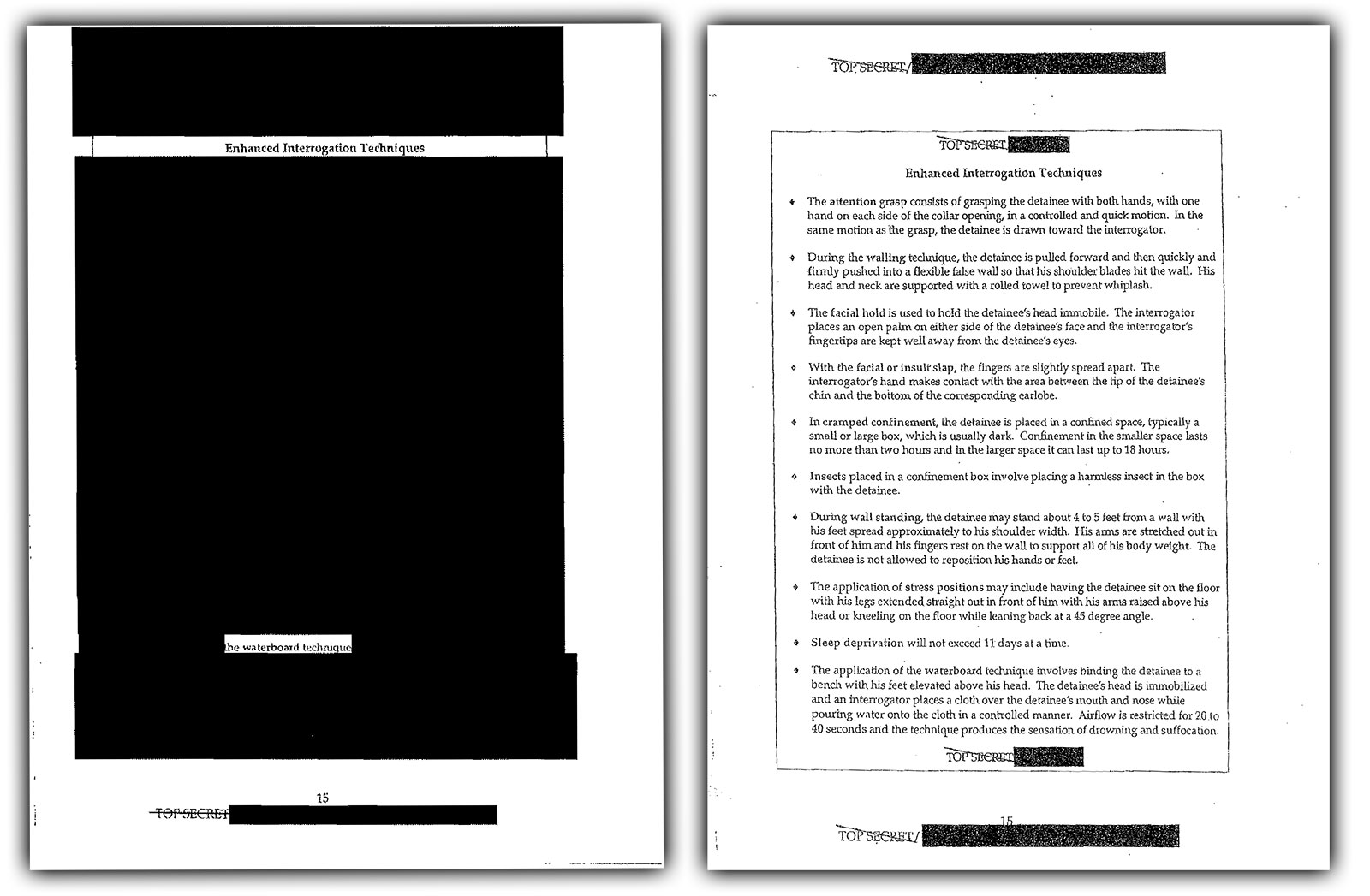
- Delaying Declassification of Documents: Many governments classify sensitive documents for decades, sometimes even a century or more. While some classification is legitimate for national security, it also serves as a convenient tool to delay accountability or prevent scrutiny of past actions until key figures have passed away or public interest has waned.
- Incomplete Understanding of the Present: Our present is a direct outgrowth of our past. When significant historical events or systemic injustices are suppressed, we lack the full context to understand current social, political, and economic challenges. Issues like racial inequality, economic disparities, or geopolitical tensions often have roots in historical events that have been deliberately obscured.
- Perpetuation of Injustice: Suppressed histories often involve acts of injustice, oppression, or violence. When these acts remain unacknowledged, there is no accountability for perpetrators and no closure or reparations for victims and their descendants. This perpetuates cycles of grievance and prevents genuine healing and reconciliation.
- Erosion of Trust: A society built on a foundation of historical falsehoods ultimately erodes trust in institutions—governments, media, educational systems—that are perceived as complicit in the cover-up. When people realize they’ve been misled about their own past, it fosters cynicism and makes it harder to build consensus on present-day issues.
- Vulnerability to Manipulation: A populace unaware of its true history is more susceptible to propaganda and manipulation. Without a critical understanding of how power operates and how narratives can be controlled, citizens are less equipped to discern truth from falsehood, making them vulnerable to new forms of historical distortion.
- Loss of Collective Memory and Identity: For marginalized groups whose histories are systematically erased, the impact can be devastating. It can lead to a loss of cultural identity, a sense of disconnection from their heritage, and a profound feeling of being invisible or unheard. Reclaiming these histories is vital for self-affirmation and empowerment.
- Preventing Future Mistakes: Learning from the full scope of human experience, including its darkest chapters, is essential for avoiding similar errors in the future. If we only remember a sanitized version of the past, we risk repeating its mistakes. Unmasking past cover-ups can provide crucial lessons in ethical governance, human rights, and the dangers of unchecked power.
- Interdisciplinary Research: History doesn’t exist in a vacuum. Combining historical research with insights from sociology, anthropology, forensics, psychology, and even environmental science can reveal new connections and interpretations. For instance, archaeological digs can uncover evidence of suppressed events, while demographic studies can expose hidden patterns of violence or displacement.
- Oral Histories and Eyewitness Accounts: Giving voice to those who lived through suppressed events is paramount. Collecting and preserving oral histories, especially from marginalized communities or survivors of trauma, can provide invaluable perspectives that are often absent from official records. These personal narratives humanize history and challenge dominant, often sterile, accounts.
- Declassified Documents and FOIA Requests: The slow but steady release of government documents through declassification processes or Freedom of Information Act (FOIA) requests is a crucial source. These documents, though often heavily redacted, can provide tantalizing clues and direct evidence of past cover-ups. Persistence is key, as the fight for access can be long.
- Comparative Analysis: Examining how different nations or groups narrate the same historical event can highlight discrepancies and omissions. By comparing textbooks, official histories, and cultural memories across borders, scholars can identify where narratives diverge and why.
- Digital Humanities and Data Mining: The advent of digital tools allows historians to process and analyze vast amounts of historical data—from digitized archives to newspaper databases—identifying patterns, connections, and anomalies that might have been impossible to detect manually. This can bring new evidence to light or challenge long-held assumptions.
- Independent Journalism and Investigative Reporting: Beyond academia, courageous investigative journalists play a vital role in exposing hidden truths. Their ability to conduct interviews, follow leads, and present compelling narratives to a broad public can force institutions to confront their past.
- Archival Activism: Activists and scholars often push for greater transparency and access to archives, advocating for the declassification of documents and the preservation of endangered historical records. This proactive approach ensures that future generations have the resources to conduct their own investigations.
- Critical Thinking and Source Scrutiny: At the core of all these methods is a rigorous commitment to critical thinking. This means questioning dominant narratives, scrutinizing sources for bias and omissions, and being open to uncomfortable truths, even when they challenge deeply held beliefs.
- The Ethics of Historical Research: Navigating Bias and Interpretation
- Understanding Propaganda: How Narratives Shape Reality
- The Role of Archives in Preserving Collective Memory
- The National Archives (USA): www.archives.gov
- History News Network: historynewsnetwork.org
- This article would be suitable for Article Schema.
- A section on “Common Questions About Censored History” could be added to implement FAQ Schema. For example: “What is the difference between revisionist history and historical distortion?”, “How can I identify a historical cover-up?”, “Are all historical omissions considered censorship?”
The common thread running through all these definitions is a conscious or unconscious effort to control the historical narrative, shaping what we remember, how we remember it, and what lessons we draw from the past.
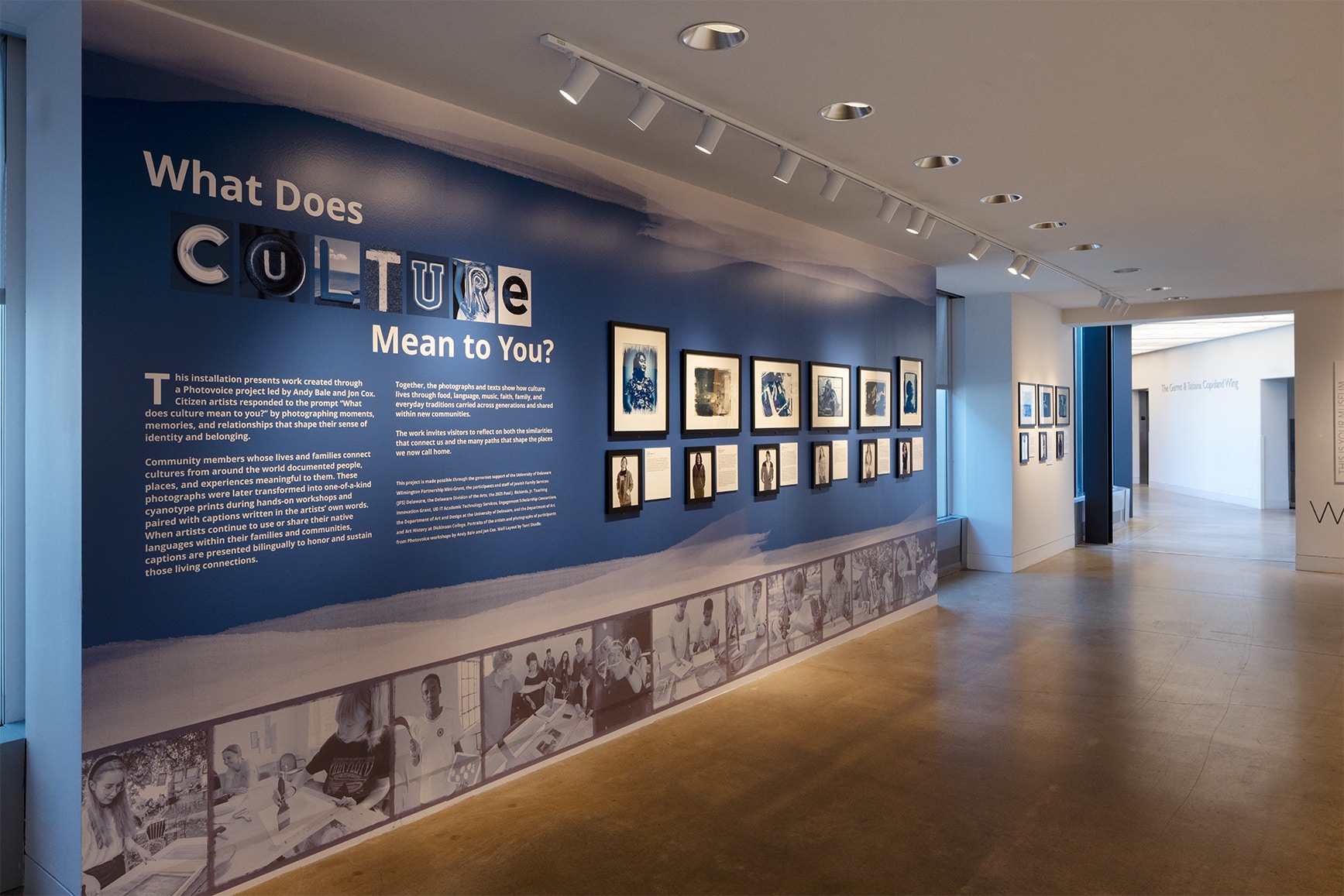
The Architects of Amnesia: Who Censors History and Why?
Understanding who benefits from historical suppression is key to uncovering it. The motivations are varied, but they almost always revolve around power, reputation, and control.
These entities, whether acting individually or in concert, effectively become the architects of amnesia, curating a version of history that serves their present-day interests.
The Playbook of Obfuscation: How Are Histories Suppressed?
The methods used to suppress history are as varied as the motivations behind them. They range from overt acts of destruction to subtle forms of narrative control.
These tactics, often used in combination, create a formidable barrier to historical truth, making the work of unmasking these histories a challenging but vital endeavor.

Case Studies: Glimpses into the Unmasked Past
Examining specific instances where suppressed histories have been brought to light offers powerful insights into the mechanisms of cover-up and the perseverance of truth-seekers.

The Tulsa Race Massacre: A Century of Silence
For decades, the horrific events of May 31 and June 1, 1921, in Tulsa, Oklahoma, were largely absent from mainstream American history. A thriving Black community known as “Black Wall Street” in the Greenwood district was attacked by a white mob, leading to the destruction of homes and businesses, the murder of an estimated 300 people, and the displacement of thousands. Local and state officials actively suppressed the story. Newspaper accounts were minimal and often biased, official reports were buried or destroyed, and survivors were threatened into silence.
The cover-up was so effective that many Oklahomans grew up never learning about the massacre. It was excluded from textbooks, public monuments, and local memory. It was not until the late 20th century, largely through the determined efforts of descendants, local historians, and journalists, that the truth began to emerge. A state commission was established in 1997 to investigate, leading to official acknowledgment and recommendations for reparations. The unmasking of the Tulsa Race Massacre serves as a stark reminder of how deeply traumatic events can be deliberately erased from public consciousness for generations.
Project MKUltra: Government Experiments and Destroyed Evidence
During the Cold War, the U.S. Central Intelligence Agency (CIA) initiated a series of clandestine and often illegal human experimentation programs, collectively known as Project MKUltra. These experiments, conducted from the 1950s through the 1970s, aimed to develop techniques for mind control, interrogation, and psychological manipulation. Subjects, often unwitting, were given psychoactive drugs (like LSD), subjected to hypnosis, sensory deprivation, verbal and sexual abuse, and other forms of torture.
The existence of MKUltra was largely unknown until the mid-1970s, when congressional investigations, particularly by the Church Committee, brought it to light. A major challenge in understanding the full scope of MKUltra was the deliberate destruction of most project records in 1973 by then-CIA Director Richard Helms, purportedly to prevent public scrutiny. This act of suppression made a complete accounting of the project’s activities and victims nearly impossible. Despite this, declassified documents, congressional testimony, and the persistent work of investigative journalists and historians pieced together enough information to expose this dark chapter of government overreach and unethical experimentation.
Colonial Atrocities and Their Sanitized Narratives
Many former colonial powers have long presented a sanitized version of their imperial past, downplaying or outright omitting the brutality, exploitation, and mass violence inflicted upon colonized populations. For instance, the atrocities committed by Belgian King Leopold II in the Congo Free State, which led to the deaths of millions, were systematically covered up for decades, with a carefully constructed narrative of “civilizing mission” being promoted. Similarly, the British Raj in India, the French colonization of Algeria, or the Spanish conquest of the Americas often feature narratives in former colonial countries that emphasize economic development or cultural exchange, while glossing over famines, massacres, and the systematic destruction of indigenous cultures.
The unmasking of these histories often comes from the voices of the colonized, from post-colonial scholars, and from a re-examination of primary sources in archives across the globe. It involves challenging deeply ingrained national myths and confronting uncomfortable truths about the origins of modern wealth and power structures. This ongoing process of re-evaluation is crucial for reconciliation and for a more accurate global historical understanding.
The Ripple Effect: Why Unmasking Matters
The consequences of suppressed history are far-reaching, impacting everything from individual identity to international relations. Unmasking these hidden truths is not just about correcting the record; it’s about addressing fundamental issues of justice, understanding, and prevention.
The Quest for Truth: Tools and Tactics for Unmasking
The journey to unmask censored histories is often arduous, requiring dedication, critical thinking, and a diverse toolkit of investigative methods.
Navigating Revisionist History: A Scholar’s Responsibility
It’s crucial to distinguish between legitimate historical revision and deliberate historical distortion. Legitimate revisionism is the healthy evolution of historical understanding, driven by new evidence, new perspectives, or new analytical frameworks. It’s the hallmark of a vibrant academic discipline. However, there’s also a dangerous form of “revisionism” that seeks to rewrite history for ideological gain, often by denying inconvenient facts, promoting conspiracy theories, or glorifying past regimes.
The responsibility of history scholars and truth-seekers is to engage with both forms critically. They must embrace legitimate revisionism, always striving for a more nuanced and accurate understanding of the past. Simultaneously, they must rigorously debunk and expose deliberate historical distortion, upholding the ethical imperative to present the fullest possible picture, even when that picture is unsettling or challenges established power structures. This requires adherence to academic rigor, transparent methodology, and a commitment to evidence-based inquiry.
Conclusion: The Unending Pursuit of the Past
The unmasking of censored histories is an ongoing, vital process. It reminds us that history is not a static collection of facts, but a dynamic, often contested, narrative shaped by power, memory, and interpretation. By shining a light on suppressed information, hidden truths, and historical cover-ups, we not only correct the record but also gain a deeper, more honest understanding of how the world came to be. This pursuit is essential for accountability, for fostering reconciliation, and for empowering individuals and societies to learn from the full, unvarnished story of human experience. The quest for truth in history is never truly finished, and it remains one of the most profound and necessary endeavors for a just and informed society.
Subscribe for exclusive updates on suppressed historical evidence and join our community of truth-seekers.
Internal Link Opportunities:
External Link Opportunities:
Structured Data Notes: