
Secrets of the Timber Barons: Unveiling Wisconsin’s Hidden Logging Boom History of the 1800s
The whispers of axes and the roar of sawmills once echoed across Wisconsin’s vast wilderness, shaping its landscape, economy, and very identity. For over half a century, from the mid-1800s into the early 20th century, the state was the undisputed king of lumber production, a titan built on the seemingly endless bounty of its white pine forests. This era, often romanticized, holds a hidden history of Wisconsin’s logging boom in the 1800s – a saga of unparalleled ambition, immense wealth, grueling labor, and profound environmental transformation. It was a time when powerful figures, the 19th-century timber barons, carved empires from trees, leaving an indelible mark on places like the Chippewa Valley history and the burgeoning Eau Claire logging camps.
Beyond the romanticized image of rugged lumberjacks and pristine forests lies a complex narrative of industrial might, cutthroat competition, and the birth of modern American enterprise. This article delves into the untold stories of this pivotal period, exposing the sheer scale of the operations, the lives of those who fueled the boom, and the lasting legacy of the men who became legends. We will journey back to a time when Wisconsin’s dense forests were seen not just as natural beauty, but as raw capital waiting to be harvested, uncovering the true secrets of an industry that built cities, forged fortunes, and forever changed the Badger State. Prepare to explore a pivotal chapter in American history, revealing the human stories and economic forces that propelled Wisconsin to the forefront of the nation’s industrial revolution.
The Untapped Wilderness: Wisconsin’s White Pine Empire
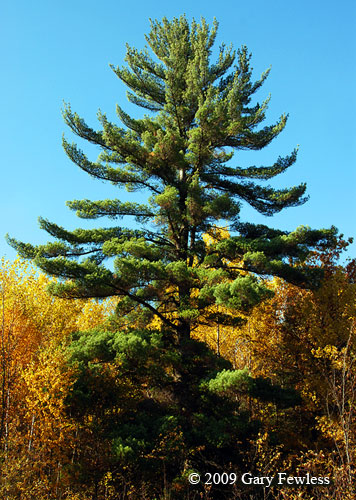
In the mid-19th century, Wisconsin was a land of staggering natural wealth, blanketed by immense forests of towering white pine. These majestic trees, often reaching over 150 feet in height with diameters of several feet, were the “green gold” that beckoned entrepreneurs, laborers, and dreamers alike. The demand for lumber was insatiable, fueled by the rapid expansion of American cities, the construction of railroads, and the rebuilding efforts following the Civil War. The vast, unbroken expanses of pine in northern Wisconsin, particularly within the Chippewa Valley, offered an opportunity too grand to ignore.
This wasn’t just any timber; white pine was prized for its strength, light weight, and ease of working, making it ideal for everything from house framing to ship masts. The sheer volume of these forests, coupled with a network of powerful rivers like the Chippewa, Black, and Wisconsin, provided the perfect conditions for a logging boom. These waterways served as natural highways, ready to transport millions of logs from remote forests to bustling sawmills downstream. It was this perfect storm of abundant resources and burgeoning national demand that set the stage for Wisconsin’s transformation into the nation’s timber heartland, attracting a wave of ambitious individuals ready to stake their claim.

From Axe to Empire: The Rise of the 19th Century Timber Barons
The era of Wisconsin’s logging boom was defined by a new breed of industrialist: the 19th-century timber barons. These were not merely lumberjacks but shrewd businessmen, visionaries, and often ruthless competitors who saw beyond the individual tree to the vast potential of an entire forest. They amassed staggering fortunes, building powerful companies that controlled immense tracts of land, state-of-the-art sawmills, and extensive transportation networks. Figures like Frederick Weyerhaeuser, who began his empire in Wisconsin, and the powerful partnership of Knapp, Stout & Co., became household names in the lumber industry.
Knapp, Stout & Co., based in Menomonie, Wisconsin, epitomized the scale and influence of these barons. They owned hundreds of thousands of acres of timberland, operated massive sawmills, and even controlled company towns. Daniel Shaw, another prominent baron in the Chippewa Valley, likewise built an impressive enterprise that dominated the lumber trade. These men were not just entrepreneurs; they were architects of an industrial revolution, employing thousands, fueling local economies, and exerting significant political influence. Their strategies included aggressive land acquisition, vertical integration of logging and milling operations, and technological innovation, all aimed at maximizing efficiency and profit. Their stories are central to the hidden history of Wisconsin’s logging boom in the 1800s, revealing how immense wealth was concentrated and wielded.
The Engines of Industry: Sawmills and Innovation
The true powerhouses of the timber empire were the colossal sawmills, transforming raw logs into marketable lumber at an unprecedented pace. Cities like Eau Claire, nestled at the confluence of the Chippewa and Eau Claire rivers, became prime locations for these industrial giants. The Eau Claire logging camps and surrounding areas supplied a constant stream of logs, which were then processed in mills that often ran day and night, powered by steam and water.
These sawmills were marvels of 19th-century engineering. They featured massive gang saws that could slice multiple boards simultaneously, circular saws that ripped through logs with incredible speed, and intricate conveyor systems that moved timber through various stages of processing. Innovation was key to survival and dominance. Mill owners continuously sought ways to increase efficiency, reduce waste, and improve output. The sheer noise, steam, and activity of these mills were a testament to the industrial might that propelled Wisconsin’s economy. They were dangerous places, demanding grueling labor, yet they were also the heart of the boom, churning out the material that built America.
Life in the Logging Camps: A Harsh Reality Behind the Boom
While the timber barons amassed fortunes, the foundation of their empires was built on the sweat and sacrifice of the lumberjacks. Life in the Eau Claire logging camps and others scattered across the wilderness was brutally hard, a stark contrast to the opulence enjoyed by their employers. These were isolated, all-male communities, often deep in the forest, where men toiled from dawn till dusk in harsh conditions, facing extreme cold, deep snow, and constant danger.
A typical day involved felling trees with axes and crosscut saws, skidding logs to frozen rivers with teams of horses, and enduring primitive living conditions. Bunkhouses were crowded, food was basic but plentiful, and entertainment was scarce, often limited to storytelling, card games, and occasional visits from peddlers. Accidents were common and often fatal, from falling trees and runaway logs to injuries from sharp tools and frostbite. Despite the hardships, these men, many of them immigrants seeking opportunity, formed tight-knit communities, bound by shared labor and resilience. Their grit and determination were indispensable, yet their contributions are often overshadowed by the grand narratives of the barons. To understand the true hidden history of Wisconsin’s logging boom in the 1800s, one must acknowledge the daily struggles and dangers faced by the men in the camps.
The Log Drives: Conquering the Chippewa Valley’s Waterways
Perhaps the most iconic and perilous aspect of the logging boom was the spring log drive. After a winter of felling and hauling, millions of logs were banked along the frozen rivers, waiting for the spring thaw. When the ice broke, river pigs – elite and fearless lumberjacks – would guide these massive log rafts downstream, battling treacherous currents, rapids, and logjams. The Chippewa Valley history is particularly rich with tales of these dramatic drives.
The Chippewa River, one of the longest and most powerful rivers in Wisconsin, became a primary artery for these drives. Thousands of logs, branded with their company’s mark, would surge downriver, forming a massive, moving carpet of timber. Log jams, some stretching for miles, were a constant threat, requiring immense courage and skill to break apart without being crushed or drowned. These drives were a race against time and nature, critical for getting the timber to the sawmills before low water levels made transport impossible. The men on the drives lived a precarious existence, often wet and cold, risking their lives daily to ensure the flow of timber, a testament to the raw human effort behind the industrial machine.
The Economic and Social Transformation of Wisconsin
The logging boom fundamentally reshaped Wisconsin. It spurred massive economic growth, transforming a largely agricultural frontier into an industrial powerhouse. Boomtowns like Eau Claire, Chippewa Falls, and Stevens Point exploded in population, attracting laborers, merchants, and entrepreneurs. Infrastructure developed rapidly, with new roads, railroads, and communication lines connecting previously isolated regions. The wealth generated by lumber fueled other industries and laid the groundwork for the state’s future economic diversity.
However, this rapid transformation came with a significant cost, forming a critical part of the hidden history of Wisconsin’s logging boom in the 1800s. The environmental impact was immense. Vast tracts of old-growth forest were clear-cut, leading to soil erosion, altered water cycles, and the loss of biodiversity. The once-pristine rivers became choked with logs and mill waste. Socially, the boom created sharp divisions between the wealthy barons and the working class, leading to labor disputes and calls for better conditions. The exploitation of natural resources and human labor, while driving prosperity, left a complex legacy that Wisconsin continues to grapple with today. For a deeper understanding of this era’s societal shifts, consider exploring resources like the Wisconsin Historical Society.
Legacies Beyond the Lumber: Philanthropy and Power
The fortunes amassed by the 19th-century timber barons extended beyond their sawmills and logging camps. Many used their wealth to wield significant political influence, shaping legislation and development in their favor. Yet, some also became notable philanthropists, leaving a more positive, lasting mark on the communities they helped build. For example, prominent families in Eau Claire contributed to the establishment of libraries, hospitals, and educational institutions, shaping the cultural and civic landscape of the cities that had grown from their lumber operations.
This dual legacy – of both immense power and civic contribution – defines the complex character of these historical figures. Their impact can still be seen in the architectural heritage of many Wisconsin towns, the names of streets and institutions, and the very fabric of the state’s economic and social identity. The decisions made by these barons continue to resonate, offering valuable insights into the dynamics of wealth, power, and responsibility in a rapidly industrializing nation.
The Shifting Sands: Decline of the Logging Boom and Its Aftermath
By the early 20th century, the seemingly endless supply of white pine began to dwindle. Decades of aggressive logging had depleted the vast forests, and the center of the lumber industry gradually shifted westward to states like Minnesota and the Pacific Northwest. The grand era of Wisconsin’s logging boom drew to a close, leaving behind a changed landscape and a new set of challenges.
The decline forced Wisconsin to adapt, transitioning to other industries such as dairy farming, manufacturing, and tourism. However, the environmental scars of the logging era remained, prompting early conservation efforts and a greater awareness of sustainable resource management. The hidden history of Wisconsin’s logging boom in the 1800s serves as a powerful reminder of the consequences of unchecked industrial expansion and the importance of balancing economic growth with environmental stewardship. The legacy of the timber barons and the lumberjacks lives on, not just in historical records, but in the very character of Wisconsin, a state forged by the axe and the saw.
Unearthing the Past: A Lasting Legacy
The story of Wisconsin’s logging boom is far more than a simple account of timber and trade. It is a profound narrative of human ambition, industrial innovation, and environmental impact that shaped a state and contributed significantly to the building of a nation. The hidden history of Wisconsin’s logging boom in the 1800s, from the ruthless ambition of the 19th-century timber barons to the grueling daily lives in the Eau Claire logging camps and the dramatic log drives through Chippewa Valley history, reveals a dynamic and often challenging period.
Understanding this era means appreciating the complex interplay of natural resources, economic forces, and human endeavor. It reminds us that history is not just about grand figures, but also about the countless individuals whose labor fueled an empire, and the lasting consequences of decisions made in pursuit of prosperity. The echoes of the axes and sawmills may have faded, but their legacy continues to inform our understanding of Wisconsin’s past and present.
*
Discover more forgotten local history by subscribing to our weekly deep-dive newsletter. Uncover the untold stories that shaped our communities and gain exclusive insights into the hidden chapters of our shared heritage.