
Wisconsin’s Civil Rights Marches: Unveiling Untold Stories from the 1960s
When we think of the American Civil Rights Movement, images of Selma, Montgomery, and Birmingham often come to mind, painting a vivid picture of the struggle for racial equality in the Deep South. While these pivotal events rightly hold a central place in our historical narrative, they represent only one facet of a nationwide movement. Lesser known, yet equally significant, are the untold Wisconsin civil rights struggles and the courageous marches that unfolded far from the Jim Crow South, right in the heart of the Midwest.
The 1960s in Wisconsin were a period of intense activism, challenging the state’s progressive self-image and exposing deep-seated racial inequalities in housing, education, employment, and public accommodations. From the bustling streets of Milwaukee to the academic halls of Madison and even smaller communities, ordinary citizens, students, and religious leaders took to the streets, demanding justice and equality. These Wisconsin civil rights marches 1960s were not merely echoes of Southern protests; they were unique battles fought on distinct Northern grounds, revealing complex issues of de facto segregation and systemic discrimination. This article delves into these overlooked chapters, bringing to light the fierce determination, the strategic brilliance, and the enduring legacy of those who marched for freedom in Wisconsin. Prepare to uncover a rich tapestry of activism that reshaped the Badger State and contributed profoundly to the broader American Civil Rights Movement.
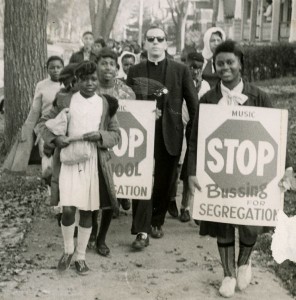
Beyond the South: Wisconsin’s Unique Civil Rights Landscape
Wisconsin, often perceived as a bastion of progressive politics and social reform, presented a different, often more subtle, landscape for the Civil Rights Movement compared to the Southern states. While overt legal segregation like Jim Crow laws didn’t exist, the state grappled with pervasive de facto segregation—racial separation enforced not by law, but by social customs, economic practices, and residential patterns. This created a unique set of challenges and necessitated distinct strategies for civil rights activists.
The post-World War II economic boom drew many African Americans from the South to Northern industrial cities like Milwaukee, seeking better opportunities and an escape from racial oppression. However, they often encountered a new form of discrimination. Restrictive covenants, redlining, and discriminatory real estate practices confined Black families to specific neighborhoods, leading to overcrowded housing, underfunded schools, and limited access to jobs. This hidden segregation fueled a powerful local movement that demanded federal and state intervention, pushing the boundaries of what was considered a “Northern problem.”

The Myth of Northern Liberalism Challenged
Many Northerners, including those in Wisconsin, believed that racial discrimination was primarily a Southern issue. This belief often led to a lack of empathy or understanding regarding the struggles faced by Black communities within their own state. Activists frequently had to confront this ingrained complacency and resistance to acknowledging local prejudice. The untold Wisconsin civil rights narrative reveals a profound internal struggle for the state to live up to its own ideals of equality and justice. Marches and protests served as a stark reminder that racial injustice knew no geographic bounds.
Economic Disparities and Social Injustice
Beyond housing, economic disparities were a significant driver of Wisconsin civil rights marches 1960s. African Americans often faced discrimination in hiring and promotion, relegating many to lower-paying jobs regardless of their qualifications. This economic marginalization was compounded by unequal access to quality education and public services. The fight for civil rights in Wisconsin, therefore, was intrinsically linked to the broader struggle for economic justice and social equity, advocating for fair employment practices, equitable wages, and an end to all forms of discrimination.
Milwaukee’s Open Housing Marches: A Northern Battleground
Milwaukee became a focal point for the Civil Rights Movement in the North, largely due to the impassioned and relentless activism surrounding fair housing. The city’s tightly segregated housing market, reinforced by discriminatory practices, meant that African Americans were largely confined to the inner core, particularly the Near North Side. This systemic segregation led to overcrowding, dilapidated housing, and a host of social problems.
The Milwaukee open housing marches, led by the charismatic Catholic priest Father James Groppi and the dynamic NAACP Youth Council, became legendary. Beginning in August 1967, these daily marches across the 16th Street Viaduct into white ethnic neighborhoods aimed to highlight and dismantle the city’s deeply entrenched housing discrimination. For 200 consecutive nights, activists faced hostile crowds, racial slurs, thrown objects, and police brutality, enduring immense pressure but refusing to back down.
Father Groppi and the NAACP Youth Council: Leading the Charge
Father James Groppi, a white priest from St. Boniface Church, became an unlikely but powerful ally and leader in the Black freedom struggle. His dedication to justice, combined with the tireless energy of the NAACP Youth Council, particularly its Youth Commander, Frank James, galvanized the movement. The Youth Council, comprised largely of teenagers and young adults, employed non-violent direct action tactics, drawing inspiration from Southern civil rights leaders like Martin Luther King Jr. Their courage in the face of violent opposition brought national attention to the untold Wisconsin civil rights struggle.
- Strategic Non-Violence: The Youth Council, under Groppi’s guidance, meticulously planned their marches, emphasizing discipline and non-violence despite constant provocation.
- Community Mobilization: They effectively mobilized the local Black community, drawing hundreds, sometimes thousands, of participants, including families and children.
- Media Engagement: Groppi was adept at using media attention to expose Milwaukee’s racial divide, forcing the city and the state to confront their issues.
- The transfer of Black students to less crowded, predominantly white schools.
- The redrawing of school district boundaries.
- The integration of faculty and staff.
- The elimination of discriminatory tracking systems.
- Local Anti-Discrimination Efforts: Protesting discriminatory practices in local businesses, such as barbershops and restaurants, that refused service to Black individuals.
- Solidarity with Southern Movements: Organizing fundraising, awareness campaigns, and even sending students South to participate in voter registration drives and freedom rides.
- Demands for University Change: Pressuring the university to recruit more minority students and faculty, establish Black studies programs, and divest from companies with ties to apartheid South Africa, demonstrating the interconnectedness of civil rights with global justice.
- Beloit: Home to Beloit College, this city saw student activism intertwined with local community efforts to address racial disparities. Protests sometimes targeted local businesses or sought to raise awareness about systemic issues.
- Green Bay: Even in a predominantly white city like Green Bay, instances of discrimination occurred, and individuals worked to challenge them, often through community organizing and advocacy rather than large-scale marches.
- Vel Phillips: A pioneering force in Wisconsin politics and civil rights, Vel Phillips was the first African American woman to graduate from the University of Wisconsin Law School, the first African American and first woman elected to Milwaukee’s Common Council, and later the first African American Secretary of State for Wisconsin. She tirelessly fought for fair housing legislation and integration, often facing immense political pressure.
- Elinor and John R. Williams: As leaders of the Milwaukee NAACP, they provided crucial organizational support and advocacy, often working behind the scenes to build coalitions and strategize.
- Marches: Public demonstrations were central, aimed at raising awareness and putting pressure on local authorities. The sheer duration of the Milwaukee open housing marches (200 nights) was unprecedented in the North.
- Sit-ins: Used to protest discrimination in public accommodations, such as restaurants, barbershops, and university facilities.
- Boycotts: Economic boycotts, particularly school boycotts, were employed to highlight systemic inequalities and pressure institutions to change their policies.
- Fair Housing Laws: These laws, while not instantly eradicating segregation, provided a legal framework for challenging discriminatory practices.
- Increased Awareness: The marches forced many white Wisconsinites to confront the reality of racism in their own communities, leading to a greater, albeit sometimes reluctant, public awareness of racial injustice.
The 200 Nights of Protest and Their Impact
The “200 Nights of Freedom” were a grueling test of endurance and resolve. Marchers endured not only verbal abuse but physical assaults from counter-protesters, often while police stood by. The marches continued through the fall and winter, demonstrating an unwavering commitment to the cause. This sustained pressure eventually forced the Milwaukee Common Council to pass a comprehensive fair housing ordinance in April 1968, shortly after the assassination of Dr. Martin Luther King Jr. While the ordinance itself was a significant victory, its implementation faced challenges, and the struggle for true housing equality continued for decades.
Key Takeaway: The Milwaukee open housing marches are a stark reminder that the fight for civil rights was not confined to the South, and that Northern cities harbored their own deeply rooted forms of racial discrimination.
The Struggle for Educational Equity: Desegregation in Milwaukee and Beyond
Educational inequality was another critical front in the Wisconsin civil rights marches 1960s. While Wisconsin did not have legally mandated segregated schools, de facto segregation led to vast disparities in resources, teacher quality, and educational outcomes between predominantly white and predominantly Black schools. This systemic inequality became a major focus for activists, who argued that separate was inherently unequal, regardless of whether it was enshrined in law.
In Milwaukee, the NAACP Youth Council, alongside other community groups, launched campaigns to desegregate the Milwaukee Public Schools (MPS). They argued that the school board’s policies, such as gerrymandering school district lines and building new schools in segregated neighborhoods, perpetuated racial isolation. The struggle for educational desegregation Wisconsin was fierce, involving boycotts, sit-ins, and direct action aimed at forcing the school board to address these injustices.
School Boycotts and Demands for Integration
One of the most significant actions was the “Freedom School” boycott in May 1964. Thousands of African American students boycotted regular classes to attend alternative “freedom schools” where they learned about Black history and civil rights. This dramatic demonstration aimed to highlight the inequities within the public school system and pressure the MPS board to adopt a plan for desegregation. Activists demanded:
The Madison School Integration Debate
While Milwaukee grappled with its urban school system, the issue of educational equity also surfaced in other parts of Wisconsin. In Madison, for instance, discussions around racial imbalances in schools, though less overt than Milwaukee’s, also gained traction. Activists and concerned parents pushed for proactive measures to ensure diverse and equitable educational opportunities, emphasizing the importance of integrated learning environments for all students. These efforts, while sometimes less confrontational than Milwaukee’s, contributed to the broader statewide conversation about fairness in education.
Madison’s Activism: Student Power and Broader Causes
Madison, as the state capital and home to the University of Wisconsin-Madison, developed its own distinct strain of civil rights activism. While Milwaukee’s movement was heavily focused on housing and urban issues, Madison’s scene was often characterized by student-led protests, intellectual discourse, and a broader engagement with national and international civil rights and anti-war movements. The university campus served as a vibrant hub for organizing, debates, and demonstrations, attracting a diverse group of activists.
Students at UW-Madison were actively involved in advocating for civil rights, often connecting local issues with national struggles. They organized sit-ins at local businesses that practiced discrimination, participated in solidarity marches for Southern movements, and pushed the university itself to address issues of diversity and inclusion. The untold Wisconsin civil rights stories from Madison often highlight the intersectionality of various social justice movements of the era.
University of Wisconsin-Madison: A Hub for Protest
The UW-Madison campus became a hotbed of activism, producing a generation of leaders and activists. Students played a crucial role in:
The Broader Scope of Madison’s Activism
Madison’s civil rights activism often intertwined with other progressive causes. The anti-Vietnam War movement, women’s rights, and environmentalism found common ground with racial justice advocates. This created a powerful, albeit sometimes fractured, coalition of activists who believed in fundamental societal change. Marches and demonstrations in Madison frequently addressed multiple issues, reflecting a holistic view of justice and equality. The city’s progressive political climate, while not immune to racial bias, provided a more receptive environment for these broader social justice movements than some other parts of the state.
Small Towns, Big Fights: Lesser-Known Protests Across Wisconsin
While Milwaukee and Madison often dominate the narrative of Wisconsin civil rights marches 1960s, the struggle for equality was not confined to these urban centers. Across the state, in smaller towns and rural communities, individuals and groups also rose to challenge local instances of discrimination, often with fewer resources and less media attention. These untold Wisconsin civil rights stories reveal the pervasive nature of racial prejudice and the widespread courage of those who fought against it.
From Green Bay to Beloit, Racine to Kenosha, local activists organized, protested, and pushed for change. These smaller movements often focused on specific local grievances, such as discrimination in employment at a particular factory, exclusion from local social clubs, or subtle forms of housing discrimination that prevented Black families from moving into certain neighborhoods. The challenges in these communities could be particularly isolating, as activists might face a smaller, more insular opposition.
Examples from Wisconsin’s Smaller Communities
* Racine and Kenosha: These industrial cities along Lake Michigan had growing African American populations and faced similar issues to Milwaukee regarding housing and employment discrimination. Local NAACP chapters and community groups organized protests and advocated for fair practices.
These localized efforts, though perhaps not as widely publicized as the Milwaukee open housing marches, were crucial. They demonstrated that racial injustice was a statewide issue and that the fight for civil rights required vigilance and action in every corner of Wisconsin. The cumulative effect of these smaller battles contributed significantly to the broader momentum for change.
Key Figures and Unsung Heroes
The Wisconsin civil rights marches 1960s were shaped by a multitude of dedicated individuals, many of whom remain unsung heroes. Beyond Father James Groppi, whose name is synonymous with Milwaukee’s open housing movement, countless others played vital roles, sacrificing their time, safety, and sometimes their livelihoods for the cause of justice. Unveiling these untold Wisconsin civil rights stories means recognizing the collective power of community leaders, youth activists, legal minds, and ordinary citizens.
Leaders and Organizers
* Frank James: As the Youth Commander of the NAACP Youth Council, James was a fearless and strategic leader, often on the front lines of the open housing marches. His ability to organize and motivate young people was instrumental to the movement’s success.
Lloyd Barbee: A prominent civil rights attorney in Milwaukee, Barbee was a key figure in the legal battle against school segregation. He filed a landmark lawsuit in 1965, Amos et al. v. Board of School Directors of the City of Milwaukee*, which ultimately led to a federal court order for desegregation.
The Youth Council Members
The backbone of the Milwaukee open housing marches was the NAACP Youth Council. These young people, often teenagers, displayed extraordinary courage and resilience. They were the ones who faced the taunts, the threats, and the physical assaults night after night. Their commitment to non-violence in the face of extreme provocation was a testament to their conviction and discipline. Their stories, though often overshadowed by adult leaders, are central to understanding the dynamism of Wisconsin’s civil rights movement.
Tactics and Resilience: What Made Wisconsin’s Movement Unique
The strategies employed during the Wisconsin civil rights marches 1960s were both inspired by national movements and uniquely adapted to the local context. Activists demonstrated remarkable resilience in the face of intense opposition, employing a range of tactics to expose injustice and demand change. The particular dynamics of Northern racism, which was often more subtle and systemic than the overt legal segregation of the South, required nuanced approaches.
Non-Violent Direct Action and Civil Disobedience
Like their Southern counterparts, Wisconsin activists embraced non-violent direct action as a primary tool. Marches, sit-ins, and boycotts were carefully planned to disrupt the status quo, draw media attention, and appeal to the conscience of the public. The daily marches for open housing in Milwaukee, for example, were a sustained act of civil disobedience designed to force a confrontation with discriminatory practices and highlight the moral imperative of fair housing.
Legal Challenges and Political Pressure
Beyond direct action, legal strategies played a crucial role in the untold Wisconsin civil rights movement. Attorneys like Lloyd Barbee used the courts to challenge de facto segregation in schools and housing, laying the groundwork for significant legal precedents. Simultaneously, activists exerted political pressure, lobbying city councils, state legislatures, and governors to enact and enforce anti-discrimination laws. The passage of fair housing ordinances and state civil rights legislation was often the direct result of sustained protests coupled with strategic political advocacy.
The Role of Coalition Building
Activists in Wisconsin understood the importance of building broad coalitions. The NAACP Youth Council partnered with religious leaders (like Father Groppi), student groups, labor unions, and sympathetic white allies. This inter-racial and inter-generational collaboration was essential for sustaining the movement and broadening its appeal. Despite facing significant opposition, the ability to forge alliances across different segments of society was a testament to the movement’s strength and adaptability.
The Lasting Legacy: Wisconsin’s Civil Rights Impact Today
The Wisconsin civil rights marches 1960s left an indelible mark on the state, profoundly influencing its legal, social, and political landscape. While the battles fought were arduous and often met with fierce resistance, the efforts of those who marched paved the way for significant advancements in racial equality and justice. The legacy of these untold Wisconsin civil rights stories continues to resonate, shaping ongoing conversations about systemic injustice and the pursuit of a truly equitable society.
Legislative and Policy Changes
The most immediate and tangible legacy was the passage of landmark legislation. The Milwaukee fair housing ordinance in 1968, though initially limited, was a direct result of the open housing marches. This was followed by broader state and federal fair housing laws, which legally prohibited discrimination in housing based on race, religion, national origin, and other protected characteristics. Similar legislative victories were achieved in education and employment, though enforcement and full implementation remained ongoing challenges.
Desegregation Orders: Court-ordered desegregation plans for schools, particularly in Milwaukee, aimed to dismantle de facto* segregation and create more equitable educational opportunities.
Shifting Social Consciousness
Beyond legal changes, the civil rights movement in Wisconsin contributed to a gradual, though incomplete, shift in social consciousness. The visibility of the marches, particularly the daily confrontations in Milwaukee, shattered the myth of Northern liberalism and forced a re-evaluation of the state’s racial dynamics. While prejudice did not disappear, the public discourse around race and equality was irreversibly altered.
Strong Call to Action: Understanding these historical struggles is crucial for addressing contemporary issues of racial inequality. We encourage you to support local organizations working for social justice today.
Ongoing Challenges and Modern Relevance
Despite the victories of the 1960s, the fight for true racial equity in