
Wisconsin’s Civil Rights Marches: Unveiling Untold Stories from the 1960s
The 1960s represent a pivotal decade in American history, marked by fervent social and political upheaval, with the Civil Rights Movement at its core. While national narratives often spotlight events in the Deep South, the struggle for racial equality was a pervasive force that touched every corner of the nation, including the seemingly progressive state of Wisconsin. Far from being a quiet observer, Wisconsin was a battleground where dedicated activists, both Black and white, confronted deeply entrenched discrimination in housing, employment, education, and public accommodations. These aren’t just stories of Milwaukee’s famous open housing marches; they are a tapestry of courage woven across cities like Racine, Kenosha, Madison, and Beloit, often involving ordinary citizens who took extraordinary stands.
This comprehensive article delves into the less-explored facets of Wisconsin’s Civil Rights Movement, bringing to light the challenges, triumphs, and sacrifices that shaped the state’s social landscape. We will uncover the nuances of local activism, the specific forms of discrimination faced by African American communities, and the often-overlooked figures who catalyzed change. By examining these untold Wisconsin civil rights narratives, we gain a richer understanding of the movement’s complexity and its enduring legacy. Prepare to journey beyond the headlines and discover the profound impact of Wisconsin’s fight for justice in the turbulent 1960s.
The National Context and Wisconsin’s Local Realities
The national Civil Rights Movement, fueled by iconic figures like Dr. Martin Luther King Jr. and landmark legislation such as the Civil Rights Act of 1964 and the Voting Rights Act of 1965, provided a powerful backdrop. However, the struggle for equality in Wisconsin was distinct, primarily focusing on de facto segregation and systemic discrimination rather than the de jure segregation enforced by law in the South. African Americans migrating north in search of better opportunities often found themselves trapped in a different, yet equally oppressive, system of racial injustice.
Wisconsin’s cities, particularly Milwaukee, experienced a significant influx of African American families during the Great Migration. This demographic shift, coupled with existing prejudices, exacerbated racial tensions and led to severe disparities. The promise of the North often turned into a harsh reality of limited opportunities and systemic barriers. Understanding this local context is crucial to appreciating the specific nature of Wisconsin’s civil rights activism.
The Invisible Walls: Housing Discrimination in Wisconsin
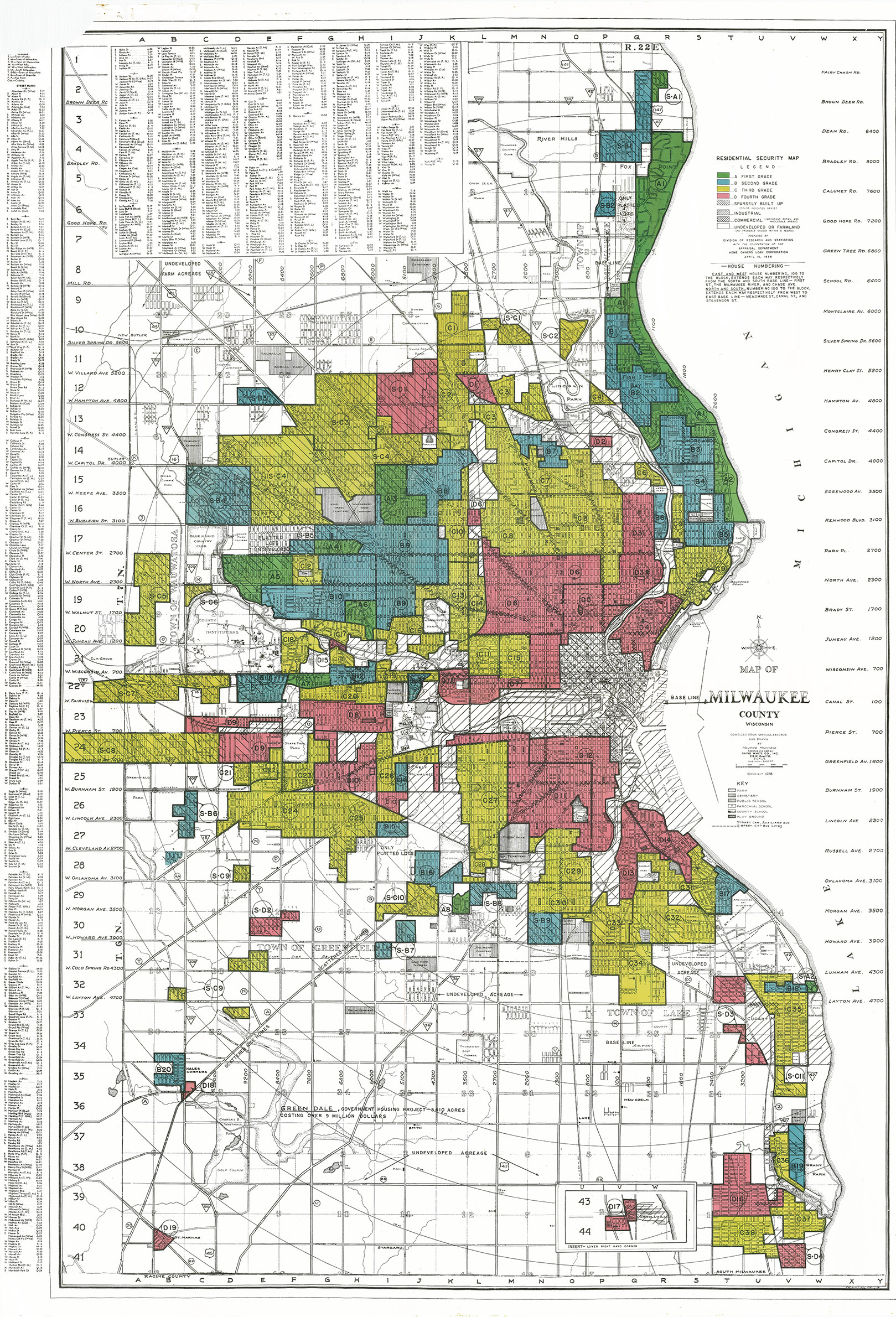
Perhaps the most pervasive and insidious form of discrimination in 1960s Wisconsin was in housing. Restrictive covenants, redlining, and outright refusal to sell or rent to Black families created rigidly segregated neighborhoods. This practice, while not legally sanctioned, was widely accepted and enforced by real estate agents, landlords, and even financial institutions. The consequence was the concentration of African American families in overcrowded, under-resourced areas, primarily in the inner cores of cities.
For instance, in Milwaukee, the near North Side became a designated “ghetto,” with residents facing substandard living conditions and limited access to public services. This segregation was not accidental; it was the result of deliberate policies and practices designed to maintain racial separation. The fight for open housing would become the defining struggle for many Wisconsin civil rights marches during this era.
Barriers to Opportunity: Employment and Education Inequality
Beyond housing, African Americans in Wisconsin faced significant hurdles in employment and education. Despite federal anti-discrimination laws, Black workers often encountered discrimination in hiring, promotions, and wages. Many were relegated to lower-paying, less desirable jobs, regardless of their qualifications. Labor unions, too, sometimes contributed to exclusionary practices, limiting access to skilled trades.
Educational inequality mirrored these challenges. While schools were not legally segregated, residential segregation led to de facto segregated schools. Schools in predominantly Black neighborhoods often received fewer resources, had less experienced teachers, and offered inferior facilities. This cycle of discrimination in housing, employment, and education perpetuated economic and social disparities, fueling the urgency of the civil rights movement in the state.
Milwaukee’s Open Housing Marches: A Defining Chapter
When discussing Wisconsin’s civil rights marches, the image that often comes to mind is that of Father James Groppi and the NAACP Youth Council leading thousands through the streets of Milwaukee. From August 1967 to March 1968, these marches became a national symbol of the Northern civil rights struggle, enduring over 200 consecutive nights of protests. While widely recognized, even these iconic events hold untold stories that deserve deeper exploration.
Father Groppi and the NAACP Youth Council: Beyond the Headlines
Father James Groppi, a white Catholic priest, emerged as a controversial yet charismatic leader, aligning himself fully with the NAACP Youth Council, predominantly composed of young African American activists. His commitment to nonviolent direct action and his willingness to confront the status quo electrified the movement. The Youth Council, often overlooked in favor of Groppi’s prominence, was the engine of these protests, meticulously planning and executing the daily marches.
Their demands were clear: a strong open housing ordinance that would guarantee fair housing for all, regardless of race. They marched from Milwaukee’s inner city across the 16th Street Viaduct, a symbolic bridge separating the predominantly Black North Side from the largely white South Side, where they often faced violent opposition. These marches were not just about legislation; they were about challenging deeply ingrained racial prejudice and demanding respect.
The Role of Women and Youth in Milwaukee’s Movement
While Groppi is often the face of these marches, the backbone of the NAACP Youth Council and the broader movement was its young, predominantly female membership. These women, many still teenagers, organized, strategized, and endured daily harassment, threats, and violence. Their resilience and unwavering commitment to justice were instrumental in sustaining the movement for over 200 nights.
Consider the tireless efforts of individuals like Gloria Williams, who was a key organizer and often faced down angry mobs with remarkable composure. Their stories highlight the grassroots nature of the movement and the critical role played by those who rarely made national headlines. These young activists demonstrated extraordinary bravery, proving that the fight for civil rights was a collective effort driven by dedicated community members.
The Long Walk to Legislation: Impact of the Marches
The Milwaukee open housing marches, despite facing fierce resistance and initially failing to pass a strong ordinance, eventually contributed to significant change. The sheer persistence of the activists, coupled with national attention, pressured the Milwaukee Common Council to pass a comprehensive open housing law in April 1968, shortly after the assassination of Dr. Martin Luther King Jr.
This local victory, though hard-won, mirrored the passage of the federal Fair Housing Act of 1968. The marches exposed the raw nerve of racial prejudice in Northern cities and demonstrated the power of sustained, nonviolent protest. They left an indelible mark on Milwaukee’s history, forcing a reckoning with its racial divides and setting a precedent for future civil rights advocacy.
Beyond Milwaukee: Echoes of Resistance Across Wisconsin
While Milwaukee’s open housing struggle commanded significant attention, it was by no means the only front in Wisconsin’s civil rights battle. Other cities and towns across the state witnessed their own struggles, marked by unique challenges and courageous local activism. These untold Wisconsin civil rights stories reveal the widespread nature of discrimination and the diverse forms of resistance it provoked.
Racine’s Fight for Fair Housing and School Integration
Racine, a smaller industrial city south of Milwaukee, also faced significant racial discrimination, particularly in housing and education. African American families moving to Racine during the Great Migration found themselves confined to specific neighborhoods, often enduring substandard housing and limited opportunities.
In the mid-1960s, local civil rights groups, including the Racine Branch of the NAACP and the Racine Civil Rights Council, spearheaded efforts to desegregate housing and schools. They organized protests, sit-ins, and legal challenges, mirroring many of the tactics used in larger cities. One notable struggle involved the integration of Racine’s public schools, where de facto segregation led to disparities in educational quality. Activists pushed for busing and other measures to achieve a more equitable educational system, facing considerable opposition from white residents.
Key Takeaway: Racine’s struggles underscore that housing and educational discrimination were not unique to large urban centers but were systemic issues affecting even smaller Wisconsin communities.
Kenosha’s Quest for Equal Opportunity
Just south of Racine, Kenosha also experienced its share of civil rights activism. While less documented than Milwaukee’s, Kenosha’s African American community mobilized to address issues of employment discrimination and police brutality. Local organizations worked to ensure fair hiring practices in the city’s factories and businesses, which were major employers.
Activists in Kenosha also raised concerns about the treatment of Black residents by law enforcement, a common grievance across the nation. They organized community meetings and engaged with city officials to demand accountability and reform. These efforts, though often less dramatic than large-scale marches, were crucial in chipping away at systemic injustices and advocating for the rights of marginalized communities.
Madison’s Progressive Façade and Underlying Discrimination
Madison, often perceived as a liberal bastion, was not immune to racial prejudice. While it didn’t experience the large-scale, violent confrontations seen in Milwaukee, African Americans in Madison faced subtle yet pervasive discrimination in housing, employment, and social interactions. The city’s small but growing Black population struggled against redlining and exclusionary practices that limited their access to prime residential areas and job opportunities at the University of Wisconsin.
University students and faculty, alongside local community groups, played a significant role in Madison’s civil rights movement. They organized protests against discriminatory businesses, advocated for fair housing ordinances, and pushed the university to address racial inequities on campus. The Madison Urban League and the local NAACP chapter were instrumental in these efforts, working to expose and dismantle the “invisible walls” that existed even in a seemingly progressive environment.
Beloit’s Battle for Educational Equity
In Beloit, a city on the state’s southern border, the civil rights struggle often centered on educational equity. Like many communities, Beloit’s residential patterns led to de facto segregated schools, with predominantly Black schools receiving fewer resources. Local activists, including parents and community leaders, organized protests and engaged in dialogue with the school board to demand integration and equal educational opportunities.
These efforts sometimes involved boycotts and demonstrations aimed at pressuring school officials to address racial disparities. The commitment of Beloit’s African American community to ensuring a better future for their children drove these important, though often localized, struggles.
Key Figures and Organizations: The Unsung Heroes
Behind every march and every legislative victory were countless individuals and organizations whose dedication often goes unacknowledged. Unearthing these untold Wisconsin civil rights stories means recognizing the diverse array of leaders and groups that shaped the movement.
Local NAACP Chapters: Pillars of the Movement
While the national NAACP provided a framework, local chapters across Wisconsin were the true engines of change. Beyond Milwaukee’s Youth Council, branches in Racine, Kenosha, Madison, and Green Bay tirelessly worked on voter registration, legal challenges, and community organizing. These chapters often served as central hubs for activism, providing support, resources, and a platform for local voices.
They organized peaceful protests, engaged in negotiations with city officials, and filed complaints against discriminatory practices, embodying the steadfast spirit of the civil rights movement at the grassroots level. Their sustained efforts laid the groundwork for many of the larger demonstrations and legislative successes.
The Urban League and Other Community Groups
The National Urban League also had a strong presence in Wisconsin, particularly in Milwaukee and Madison. These organizations focused on economic empowerment, job training, and advocating for fair employment practices. They worked to bridge the gap between African American communities and the broader economic structure, providing crucial support services.
Beyond these national organizations, numerous local, often ad-hoc, groups emerged. These included student activist groups on college campuses, interfaith coalitions, and neighborhood associations, all contributing to the multifaceted struggle for justice. Their flexibility and deep community ties allowed them to address specific local grievances effectively.
Women Leaders: The Unseen Architects of Change
As noted with the NAACP Youth Council, women were indispensable to Wisconsin’s civil rights movement. Beyond the prominent male figures, women organized boycotts, managed administrative tasks, provided spiritual and emotional support, and often faced the brunt of public hostility. They were the strategists, the communicators, and the unwavering presence that kept the movement alive.
From grassroots organizers like Vel Phillips, who became the first African American woman to graduate from the University of Wisconsin Law School and later the first African American judge in Wisconsin, to countless unnamed mothers, teachers, and church leaders, women were the foundational strength. Their contributions highlight the often-gendered dynamics of social movements, where women frequently perform the essential, yet unrecognized, labor.
Tactics and Strategies: Adapting to Local Realities
The Wisconsin civil rights marches and broader movement employed a variety of tactics, often adapting national strategies to local conditions. Nonviolent direct action remained a cornerstone, but legal challenges, boycotts, and community education were equally vital.
Nonviolent Direct Action: Marches, Sit-ins, and Pickets
Inspired by the national movement, nonviolent direct action was a primary tactic. Marches, like those in Milwaukee, were designed to draw public attention, expose injustice, and pressure elected officials. Sit-ins and pickets targeted discriminatory businesses and public spaces, aiming to disrupt the status quo and force desegregation.
These actions required immense courage, as participants often faced verbal abuse, physical assaults, and arrests. The discipline of nonviolence, however, was a powerful moral force, often winning over public opinion and exposing the brutality of the opposition.
Legal Challenges and Legislative Advocacy
While direct action grabbed headlines, legal challenges and legislative advocacy were critical for systemic change. Civil rights lawyers in Wisconsin filed lawsuits against discriminatory housing practices, employment bias, and school segregation. They worked to enforce existing anti-discrimination laws and pushed for stronger local and state ordinances.
Lobbying efforts were also crucial. Activists tirelessly advocated for the passage of fair housing laws, equal employment opportunity commissions, and other legislation that would dismantle institutionalized racism. This dual approach of direct action and legal strategy proved effective in gradually transforming Wisconsin’s legal and social landscape.
Community Organizing and Education
Perhaps the most fundamental, yet often overlooked, tactic was community organizing and education. Civil rights groups worked within Black communities to empower residents, register voters, and educate them about their rights. They held workshops, hosted speakers, and distributed literature to raise awareness and build collective action.
This grassroots organizing was essential for sustaining the movement over time, fostering leadership from within the community, and ensuring that the demands of the movement truly reflected the needs and aspirations of those it sought to serve.
Opposition and Resistance: The Harsh Realities
The fight for civil rights in Wisconsin was met with significant opposition, often violent and deeply rooted in racial prejudice. Understanding this resistance is crucial to fully appreciating the courage of the activists.
White Backlash and Violent Confrontations
The most visible opposition came from white residents who resisted integration, particularly in housing. In Milwaukee, marchers crossing the 16th Street Viaduct were frequently met by angry mobs throwing rocks, bottles, and racial slurs. The level of hatred and hostility was shocking, even to seasoned civil rights veterans.
This backlash was not limited to physical violence; it manifested in political resistance, with white politicians often delaying or watering down civil rights legislation. The fear of property value decline and the discomfort with racial integration fueled much of this opposition, revealing the deep-seated racial anxieties present in Northern society.
Institutional Resistance and Police Response
Beyond individual acts of prejudice, institutions also posed significant resistance. Real estate boards, banks, and some labor unions actively maintained discriminatory practices. City governments and police departments, while sometimes attempting to maintain order, were often perceived as biased or ineffective in protecting civil rights marchers.
In many instances, police presence during marches was primarily to contain the activists rather than protect them from hostile counter-protesters. This institutional resistance highlighted the systemic nature of discrimination and the uphill battle faced by civil rights advocates.
The Enduring Legacy: Wisconsin’s Civil Rights Movement Today
The Wisconsin civil rights marches of the 1960s, with their untold stories and hard-won victories, left an indelible mark on the state. While racial equality remains an ongoing struggle, the activism of that era laid crucial groundwork for future progress.
Policy Changes and Legal Precedents
The passage of open housing ordinances in Milwaukee and other cities, as well as the eventual statewide fair housing law, were direct results of the civil rights movement. These policies, alongside federal legislation, provided legal recourse against discrimination and began to dismantle the structures of segregation. The legal precedents set during this period continue to inform civil rights law today.
Shifting Social Consciousness
Beyond legal changes, the marches and protests forced Wisconsin residents to confront uncomfortable truths about racial prejudice in their own communities. While deeply divisive at the time, the sustained activism contributed to a gradual, though incomplete, shift in social consciousness. It made overt discrimination less acceptable and paved the way for greater dialogue about race and equality.
Inspiration for Future Activism
The courage and resilience of the 1960s activists continue to inspire new generations. The tactics of nonviolent direct action, community organizing, and legislative advocacy remain relevant in contemporary social justice movements in Wisconsin, addressing issues ranging from police reform to educational equity. The lessons learned from these untold Wisconsin civil rights stories serve as a powerful reminder of the importance of vigilance and sustained effort in the pursuit of justice.
Explore More: Engaging with Wisconsin’s Civil Rights History
Understanding Wisconsin’s civil rights history is not merely an academic exercise; it is an active engagement with the ongoing narrative of justice and equality. The untold Wisconsin civil rights stories remind us that progress is often incremental, hard-fought, and requires the dedication of many.
Suggested Internal Links:
* Learn more about the history of social justice movements in Wisconsin.
- Discover profiles of other influential Wisconsin figures in civil rights.
- Explore the impact of the Great Migration on Wisconsin’s urban centers.
- Milwaukee Public Library – Wisconsinology: Often contains digitized collections and historical articles on local civil rights efforts.
- University of Wisconsin-Milwaukee Libraries – Archives: Home to extensive collections related to Milwaukee’s civil rights history, including Father Groppi’s papers.
Suggested External Resources:
* Wisconsin Historical Society: A primary source for documents, photographs, and oral histories related to Wisconsin’s civil rights movement.
Frequently Asked Questions About Wisconsin’s Civil Rights Marches
What was the main focus of Wisconsin’s Civil Rights Movement in the 1960s?
The primary focus of Wisconsin’s Civil Rights Movement in the 1960s was combating de facto segregation and systemic discrimination in housing, employment, and education. Unlike the South, Wisconsin’s struggle centered on dismantling practices like redlining and restrictive covenants rather than legally sanctioned segregation.
Who was Father James Groppi and what was his role?
Father James Groppi was a white Catholic priest who became a prominent leader of the Milwaukee NAACP Youth Council’s open housing marches from 1967-1968. He was known for his radical commitment to nonviolent direct action and his unwavering support for racial equality, often facing severe backlash for his activism.
Were there civil rights marches outside of Milwaukee in Wisconsin?
Yes,