
Unmasking Censored Histories: Illuminating Hidden Truths and Historical Cover-Ups
History, as we often learn it, is a narrative carefully constructed, a tapestry woven from selected threads. But what happens to the threads left on the cutting room floor? Censored histories, often referred to as suppressed histories or historical cover-ups, represent those hidden truths and inconvenient narratives actively omitted, downplayed, or outright buried by those in power. For history scholars and truth-seekers alike, the journey to unmask these obscured pasts is not just an academic exercise; it is a vital quest to understand our present, challenge dominant narratives, and learn from a more complete, albeit often uncomfortable, record.
This article delves into the intricate world of suppressed history, exploring the mechanisms by which truths are buried, the motivations behind such actions, and the profound impact these omissions have on our collective understanding. We will examine compelling case studies and discuss the crucial role of historians and investigators in reclaiming these lost narratives, ultimately advocating for a more comprehensive and honest engagement with our shared human story.

The Nature of Suppressed History: More Than Just Omission
When we talk about suppressed history, we are not simply referring to facts that have been forgotten over time or records that have been lost to the elements. Instead, suppressed history implies an active, deliberate process of concealment or manipulation, often driven by specific agendas. It is the difference between a forgotten diary and a diary intentionally burned to hide its contents. This active suppression can manifest in various forms, from subtle editorial choices in textbooks to the wholesale destruction of documents and the silencing of dissenting voices.
The motivations behind such actions are complex, often rooted in the desire to protect national identity, maintain political power, serve economic interests, or simply avoid confronting uncomfortable truths about past atrocities or injustices. Understanding this intentionality is key to distinguishing suppressed history from mere historical oversight or the natural decay of memory.

Distinguishing Suppression from Erasure
It is important to differentiate between historical suppression and historical erasure. While both result in a loss of knowledge, erasure often implies a more complete removal, almost as if the event or perspective never existed. Suppression, on the other hand, suggests that the truth exists somewhere—perhaps in fragmented form, in obscure archives, or in the oral traditions of marginalized communities—waiting to be unearthed. The goal of suppression is to control the narrative, not necessarily to make the event vanish entirely, but to prevent its widespread acknowledgment or critical interpretation.
Mechanisms of Historical Cover-Ups: How Truths Are Buried
How exactly does history get suppressed? The methods are as varied as the motivations behind them, ranging from bureaucratic red tape to overt acts of violence. Understanding these mechanisms is crucial for anyone attempting to uncover hidden truths.

Archival Secrecy and Document Control
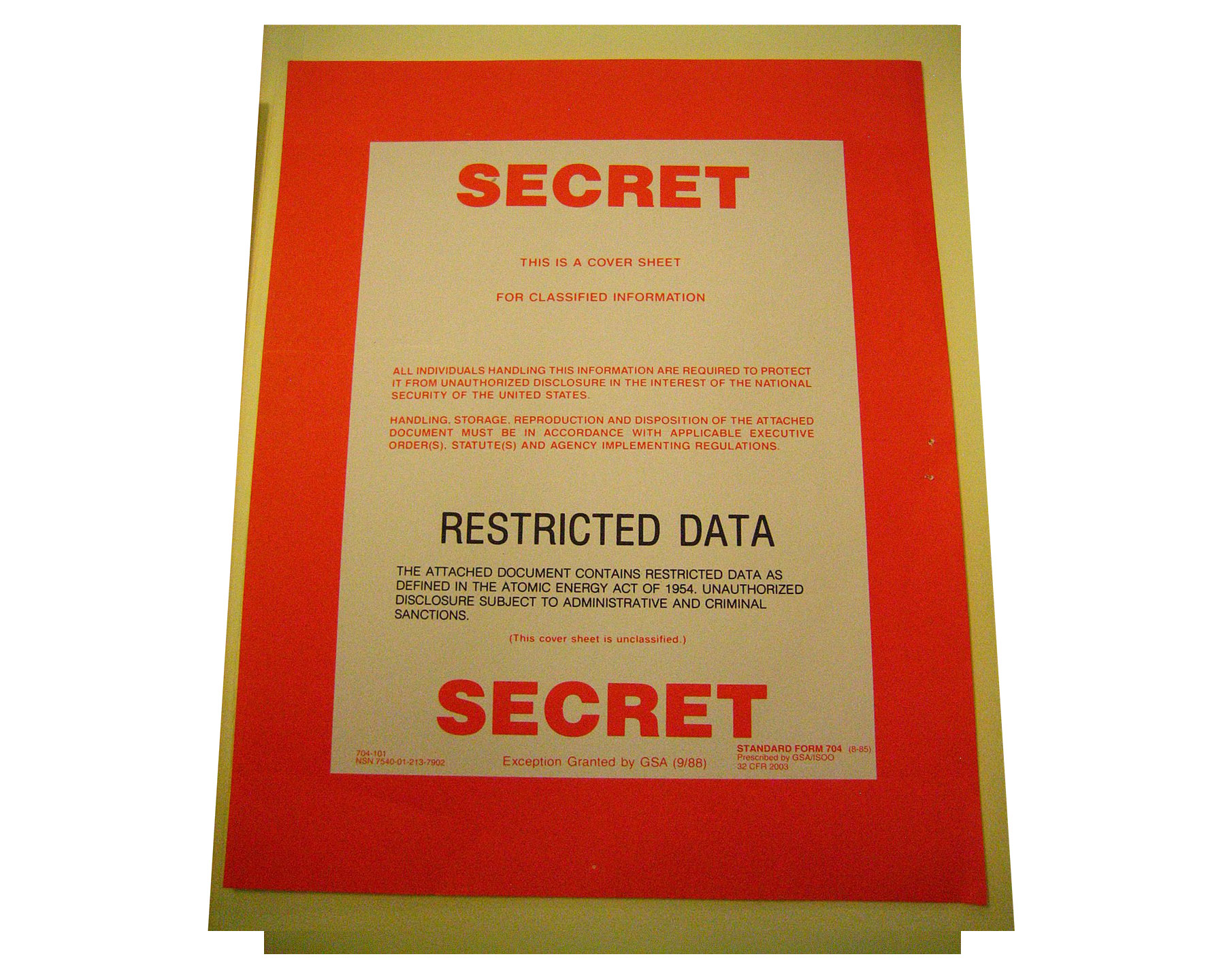
One of the most effective ways to suppress history is to control access to its primary sources. Governments, corporations, and even religious institutions often classify documents, restrict access to archives, or simply “lose” inconvenient records. This can involve:
- Indefinite Classification: Designating documents as top secret for decades, or even centuries, preventing historians and the public from examining them.
- Selective Declassification: Releasing only portions of documents, often heavily redacted, to control the narrative.
- Destruction of Evidence: Purposely shredding, burning, or otherwise eliminating records that could expose wrongdoing. Think of the infamous “missing 18 minutes” from the Watergate tapes, a classic example of attempted document destruction.
- Strategic Placement: Burying crucial documents within vast, unindexed archives, making them virtually impossible to find.
- State-Controlled Media: Using media outlets to propagate official narratives and discredit alternative viewpoints.
- Censorship of Publications: Banning books, articles, or films that challenge the established history.
- Rewriting Textbooks: Crafting educational materials that present a sanitized or biased version of events, often omitting inconvenient facts or glorifying controversial figures.
- Public Relations Campaigns: Launching coordinated efforts to influence public opinion, often employing misinformation or disinformation tactics.
- Omitting Key Events: Leaving out significant historical events that might portray the nation or certain groups in a negative light. The long-term omission of the Tulsa Race Massacre from many American history textbooks is a stark example.
- Downplaying Atrocities: Minimizing the scale or severity of injustices, wars, or genocides.
- Glorifying Controversial Figures: Presenting historical figures in an overwhelmingly positive light, ignoring their problematic aspects or actions.
- Ignoring Marginalized Voices: Focusing almost exclusively on the histories of dominant groups, effectively silencing the experiences and contributions of minorities, indigenous peoples, or women.
- Persecution of Historians and Journalists: Accusing researchers of being unpatriotic, biased, or even treasonous for presenting evidence that contradicts the official story.
- Threats and Intimidation: Using legal, economic, or social pressure to silence whistleblowers and truth-tellers.
- Discrediting Witnesses: Attacking the credibility of individuals who provide inconvenient testimony or oral histories.
- Physical Violence and Elimination: In extreme cases, those who hold too much inconvenient truth may face lethal consequences, ensuring their stories remain untold.

Propaganda and Information Control
Beyond controlling raw data, shaping the public narrative is a powerful tool for suppression. This involves:
Educational Curricula and Textbooks
What is taught in schools profoundly shapes a nation’s understanding of its past. When governments or powerful groups exert influence over educational curricula, they can effectively suppress histories that do not align with their preferred narrative. This means:
Silencing Dissenting Voices
Those who attempt to challenge official narratives or reveal suppressed truths often face severe consequences. This can range from academic ostracization and professional ruin to imprisonment, torture, or even assassination.
Why Do We Censor Our Past? The Motivations Behind Historical Revisionism
The act of suppressing history is rarely arbitrary; it stems from deep-seated motivations tied to power, identity, and the desire to control the present and future. Understanding these underlying reasons helps us identify where hidden truths might lie.
Protecting National Identity and Myth-Making
Nations often construct founding myths and heroic narratives to foster unity, pride, and a sense of shared purpose. Any historical event that challenges these myths, reveals national flaws, or exposes past injustices can be seen as a threat to this carefully cultivated identity. Governments might suppress stories of colonial brutality, internal conflicts, or discriminatory policies to maintain a facade of national greatness and moral superiority. This selective storytelling aims to create a cohesive, positive self-image, even if it means distorting reality.
Political Expediency and Power Consolidation
For authoritarian regimes and even democratic governments, controlling the historical narrative is a powerful tool for maintaining power. By shaping how the past is remembered, leaders can justify their rule, legitimize their policies, and demonize opponents. Suppressing inconvenient truths about previous regimes, economic failures, or human rights abuses prevents critical examination and can quell dissent. A controlled past helps to ensure a controlled present and future.
Economic Interests and Corporate Secrecy
Corporations and powerful economic entities have a vested interest in suppressing histories that expose unethical practices, environmental damage, exploitation of labor, or involvement in illicit activities. The financial and reputational costs of such revelations can be immense. Documents detailing past collusion, environmental negligence, or the funding of oppressive regimes are often zealously guarded or destroyed to protect profits and public image. The history of certain industries, from tobacco to oil, is replete with examples of deliberate efforts to suppress scientific findings or inconvenient facts.
Social Cohesion and Avoiding Uncomfortable Truths
Sometimes, history is suppressed not out of malice, but from a collective desire to avoid pain, shame, or division. Societies may choose to downplay or ignore events that expose deep-seated prejudices, systemic injustices, or widespread complicity in wrongdoing. Confronting such truths can be deeply unsettling, forcing a re-evaluation of national character or individual responsibility. While this impulse is understandable, it ultimately hinders true healing and reconciliation, leaving underlying issues unresolved.
Ideological Purity and Religious Dogma
Throughout history, ideological and religious institutions have often suppressed scientific discoveries, philosophical ideas, or historical accounts that contradict their established dogmas. From the persecution of Galileo for his heliocentric views to the suppression of archaeological evidence challenging creationist narratives, the desire to maintain ideological purity can lead to aggressive censorship and the rewriting of history to fit a predetermined worldview.
Case Studies in Suppressed History: Illuminating Hidden Truths
To truly grasp the impact of suppressed history, it helps to look at concrete examples where hidden truths have been systematically obscured, only to be brought to light through diligent effort.
The Tulsa Race Massacre (1921)
For decades, one of the deadliest acts of racial violence in American history was largely erased from public memory. In 1921, a prosperous Black community in Tulsa, Oklahoma, known as “Black Wall Street,” was attacked by a white mob. Homes and businesses were burned, and hundreds of Black residents were killed, though official numbers were deliberately undercounted. Local authorities and newspapers actively suppressed information, with records destroyed and survivors often too traumatized or intimidated to speak.
It was not until the late 20th century