
Suppressed Historical Evidence: Uncovering the Truth Behind Censored Narratives
Imagine walking through a vast library where entire wings have been sealed off, their books never to be read again. Now imagine that library is our collective past. This isn’t fiction—it’s the reality of how history is often curated. Some narratives are meticulously preserved, while others are quietly buried, burned, or ridiculed into obscurity. Why does this happen? Who decides what we remember and what we forget? And more importantly, what are we missing? This investigation dives deep into the realm of suppressed history—the hidden truths and historical cover-ups that challenge the tidy stories we’re taught. Whether you’re a seasoned historian or a truth-seeker tired of the official line, prepare to question everything you thought you knew about the past.
—
The Anatomy of a Historical Cover-Up
Before we explore specific cases, let’s talk about how history gets suppressed in the first place. It’s rarely as dramatic as men in black suits burning documents under cover of darkness (though that does happen). More often, suppression is a slow, bureaucratic process that unfolds in one of three ways:
- Deliberate Destruction: Militaries, governments, and institutions physically destroy evidence. Think of the FBI burning files on citizen surveillance or the Catholic Church losing records on abuse scandals.
- Classification & Secrecy: Documents are stamped “top secret” and locked away for decades—sometimes forever. The UK government’s 100-year rule on certain colonial records is a prime example.
- Omission Through Narrative Control: Historians, textbook writers, and media simply leave out inconvenient facts. Over time, the omitted details cease to exist in the public consciousness.
- Follow the Primary Sources: Real suppressed history leaves a paper trail—censored documents, whistleblower testimony, physical artifacts that were confiscated or destroyed. Conspiracy theories rely on hearsay and missing evidence as “proof” of a cover-up.
- Look for Convergent Lines of Evidence: When multiple independent sources (archaeology, genetics, oral tradition, written records) all point to the same hidden truth, it’s hard to ignore. Single-source stories are red flags.
- Remain Skeptical, Not Cynical: Skepticism means demanding evidence; cynicism means believing nothing can be known. The goal is to hold space for uncertainty while following the facts wherever they lead.
- Digital Archives & FOIA Requests: The U.S. National Archives, the UK’s National Archives, and countless other repositories have millions of declassified documents online. The Freedom of Information Act (and its international equivalents) allows you to formally request records on specific topics, a technique that has pried loose everything from UFO files to CIA mind-control experiments.
- Forensic Linguistics: Analyzing the language of official documents can reveal when statements are being deliberately evasive or when multiple authors are hiding behind a single name. This method has been used to uncover plagiarism in historical texts and to trace anonymous leaks back to their source.
- Satellite Imagery & GIS: Archaeologists now use satellite photos to discover lost cities and ancient roads that were erased from maps. Environmental historians track deforestation and pollution that corporations tried to hide.
- Genetic Studies: DNA analysis has overturned countless historical cover-ups, from the true origins of the Etruscans to the hidden lineages within royal families. Ancient genomes are rewriting the peopling of the Americas, challenging the single-migration theory that dominated for decades.
None of this is accidental. Every historical account is a selection process—a decision to include some threads and exclude others. The problem arises when that exclusion becomes systematic, designed to uphold a particular worldview or political structure. And here’s the kicker: the most effective historical cover-ups don’t look like cover-ups at all. They look like common sense, like natural gaps in the record, or like “settled science” that no one bothers to question.
—

Why Do Societies Bury Their Pasts?
You might wonder: if historical truth is so valuable, why would anyone work so hard to hide it? The answer lies in power, identity, and the deep human need for coherent stories.
Nations are built on foundational myths. For America, it’s the story of liberty-seeking Pilgrims and rugged individualists. For Britain, it’s the narrative of benevolent empire and civilizing mission. These stories aren’t just feel-good fluff; they’re the psychological glue that holds societies together. When evidence emerges that complicates these myths—say, records of genocide against Indigenous peoples or the economic brutality of colonialism—it threatens to unravel national identity. So, in a sense, suppressed history is a defense mechanism. It protects institutions, justifies current policies, and keeps uncomfortable questions at bay.
Psychologists also point to a phenomenon called “narrative closure.” Humans crave neat, satisfying stories with clear heroes and villains. Ambiguous or traumatic historical truths—like the fact that many “freedom fighters” were also terrorists, or that revered leaders committed atrocities—disrupt that closure. Rather than live with the discomfort, societies often choose to forget, or to label challenging evidence as revisionist history in a pejorative sense.
—
Case Studies of Suppressed Historical Evidence
Let’s get specific. The following examples aren’t fringe conspiracy theories; they’re documented instances where hidden truths were actively buried, only to resurface through dogged investigation.

The Lost Library of Alexandria – Knowledge Destroyed
It’s the classic tale of cultural loss: the great Library of Alexandria, containing the wisdom of the ancient world, burned to the ground. But what if its destruction wasn’t just a tragic accident of war? Some scholars argue that the library was deliberately targeted multiple times—by Julius Caesar’s troops, by Christian zealots under Theophilus, and finally by Muslim conquerors—each group determined to wipe out pagan and heretical knowledge. The result? Countless works of science, philosophy, and history vanished, leaving us with a fractured understanding of antiquity. How different would our world look if that knowledge had survived? This is suppressed history on a civilizational scale.
The Armenian Genocide Denial – A Living Cover-Up
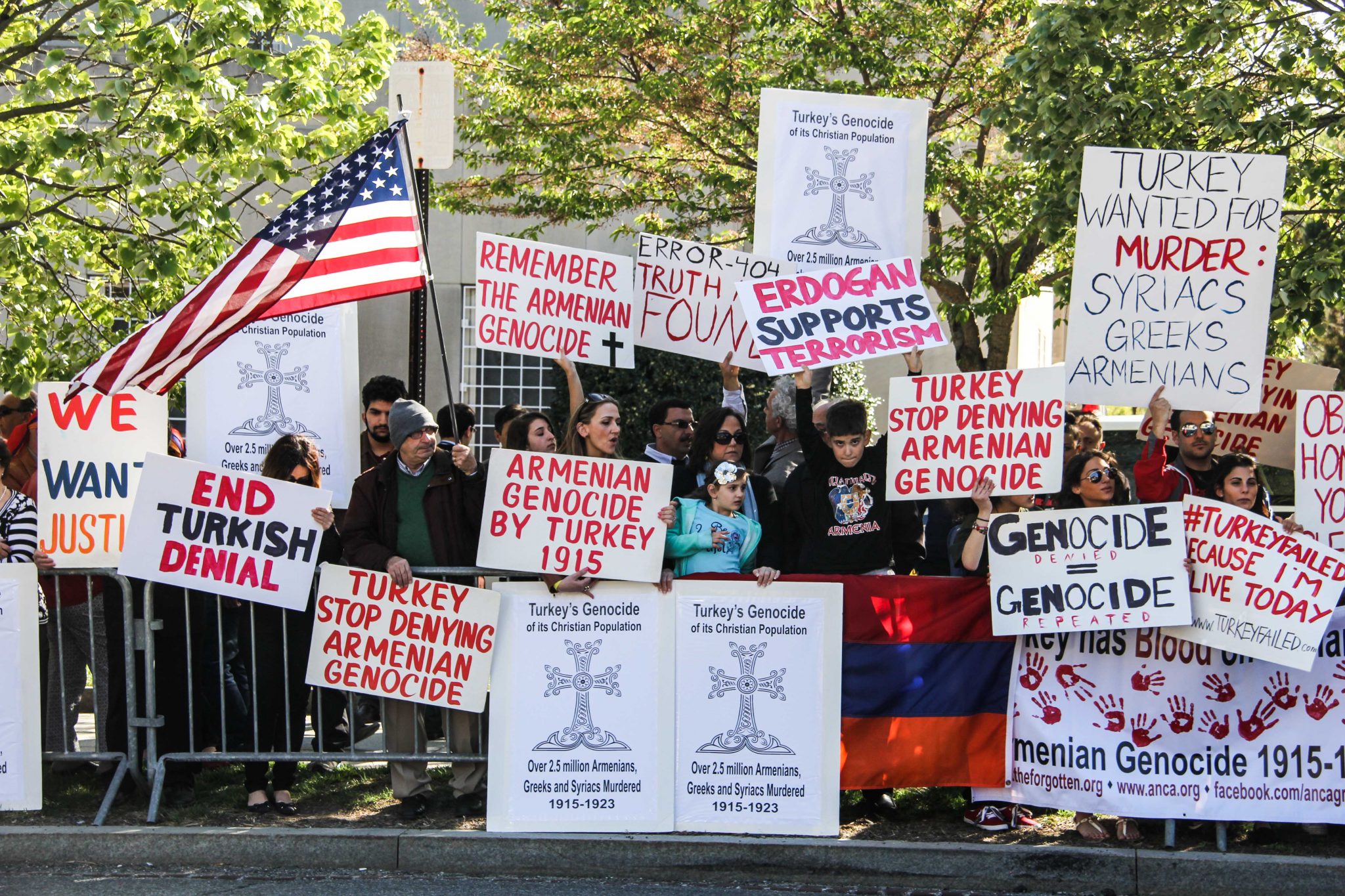
From 1915 to 1923, the Ottoman Empire systematically exterminated an estimated 1.5 million Armenians. Despite overwhelming testimony, photographs, and diplomatic records from neutral nations, the Turkish government to this day denies it was a genocide. This isn’t just a matter of hurt feelings; it’s an active, well-funded historical cover-up that involves lobbying efforts, textbook revisions, and legal threats against scholars who speak out. What makes this case so striking is that it’s not ancient history—it’s a live, ongoing campaign to control the narrative, proving that hidden truths can shape geopolitics a century later.
The Suppression of Native American Histories
Walk through any American history textbook from the 20th century, and you’ll find Indigenous peoples largely relegated to the background—obstacles to westward expansion or noble savages in a romanticized past. What’s missing? The advanced agricultural systems, the confederacies with sophisticated governance (like the Iroquois League that inspired aspects of the U.S. Constitution), and, most glaringly, the intentional spread of smallpox through infected blankets. Letters between British officers, including Lord Jeffrey Amherst, explicitly discuss the tactic. Yet for generations, this was a hidden truth, dismissed as anti-American propaganda. Today, archaeologists and tribal historians are reclaiming that erased past, revealing a more complex and intentional suppression than we ever imagined.
The Vela Incident: Did a Nuke Explode in 1979?
On September 22, 1979, a U.S. Vela satellite designed to detect nuclear detonations recorded a double flash of light—the unmistakable signature of an atomic explosion—in the South Atlantic. What happened? Official panels chalked it up to a “meteoroid impact” or “sensor glitch,” but declassified documents and whistleblower testimonies suggest something far darker: a joint Israeli-South African nuclear test, conducted in secret and covered up by the U.S. to avoid the political fallout. The Vela Incident remains one of the most tantalizing historical cover-ups of the nuclear age, a case where raw data was overridden by diplomatic convenience.
Censored Archaeologies: Giants, Advanced Ancient Tech?
Now, this is where things get dicey. Mainstream archaeology has long dismissed stories of giant skeletons, out-of-place artifacts, or ancient high technology as hoaxes or misidentifications. But a growing number of investigators argue that the gatekeeping is too aggressive, that any discovery challenging the orthodox timeline of human civilization gets systematically ridiculed and buried. For instance, reports of giant skeletons unearthed in North American mounds in the 19th century—documented in newspapers and Smithsonian files—have largely disappeared from the record. Were they all fabrications, or did they threaten a deeply held narrative of linear progress? While caution is essential, the pattern of dismissal raises legitimate questions. When institutions reflexively label all anomalous evidence as pseudo-science, they may be performing their own form of revisionist history—rewriting the past to fit a rigid paradigm.
—
Revisionist History: Rewriting the Past for the Present
The term “revisionist history” gets thrown around like an insult, but let’s be honest: all history is revisionist. Every generation reinterprets the past through its own lens. The question is whether that rewriting illuminates hidden truths or obscures them further.
In the best sense, revisionism corrects biases. For decades, American history was written by white men about white men. The inclusion of women, people of color, and working-class voices is a revision—a necessary one. But in the wrong hands, revisionism becomes a tool of propaganda. The Soviet Union famously airbrushed purged officials out of photographs; modern apologists for imperialism recast colonization as a benign exchange of cultures. So how do you tell the difference? Genuine revisionist history adds nuance and complexity, while propagandistic revision simplifies, demonizes, or erases.
The trouble is, we’re often too close to see which is which. That’s why cracking open suppressed history requires more than just picking a side—it demands a relentless commitment to primary sources, no matter how inconvenient.
—
The Digital Age: A Double-Edged Sword for Hidden Truths
The internet has been a game-changer. Declassified document troves like WikiLeaks, the Snowden revelations, and mass digitization of archives have brought a tidal wave of hidden truths into public view. Citizen historians now collaborate across borders to unearth what was once locked away. In many ways, we’re living in a golden age of historical discovery.
But there’s a dark side. The same tools that expose cover-ups also enable sophisticated disinformation. Deepfakes can forge historical footage. Conspiracy theories can spread faster than sober research. And governments have learned to weaponize the “too much information” problem—flood the zone with so much data and disinformation that the truth becomes indistinguishable from trash. So while we have more access than ever, we also face a credibility crisis. Historical cover-ups haven’t vanished; they’ve evolved. Today, the suppression isn’t always about hiding documents; it’s about eroding trust in the very concept of objective truth.
—
How to Distinguish Genuine Suppressed History from Conspiracy Theories
If you’re a truth-seeker, you’ve probably wrestled with this dilemma: where’s the line between legitimate inquiry and tinfoil-hat territory? Here’s a practical framework used by investigative historians:
Check the Motives for Suppression: Ask cui bono*—who benefits from the cover-up? If there’s a clear political, economic, or institutional motive, the case for suppression strengthens.
This approach won’t protect you from every false lead, but it will help you navigate the murky waters where revisionist history and genuine hidden narratives collide.
—
The Role of Whistleblowers and Defectors
Some of the greatest breakthroughs in uncovering historical cover-ups come from insiders who decide they can no longer stay silent. Daniel Ellsberg’s release of the Pentagon Papers in 1971 exposed decades of deception about the Vietnam War, showing that four successive presidents had lied to the public and to Congress. Edward Snowden’s 2013 leaks revealed a global surveillance apparatus that most citizens had no idea existed—a suppressed history being written in real time.
Soviet defectors like Walter Krivitsky and Vasili Mitrokhin smuggled out documents that exposed Stalin’s terror network and KGB operations worldwide. Without these whistleblowers, entire chapters of history would remain locked in the shadows. Their stories remind us that hidden truths often hinge on individual courage. It’s worth asking: what information is being suppressed right now, sitting in some intelligence analyst’s safe, waiting for its own Ellsberg?
—
Uncovering Suppressed History Today: Tools and Techniques
So, you’re ready to join the search. What can you actually do? The tools available to everyday researchers today would have been the envy of Cold War spies.
These technologies don’t belong to elites anymore. They’re in your hands. Combine them with old-fashioned archival grit, and you have a real shot at bringing suppressed history to light.
—
The Quest Is Never Over
If there’s one lesson buried in all this, it’s that history is never finished. Every era reexamines the past and finds new hidden truths that previous generations missed—or actively hid. The burning of Alexandria, the denial of genocide, the secret nuclear flashes, the sidelined voices of Indigenous peoples: these aren’t isolated incidents. They’re part of a continuous struggle over who controls the story of humanity.
As a truth-seeker, your greatest weapon is curiosity tempered with rigorous method. Don’t accept just because something is official; don’t dismiss just because it’s unpopular. The most dangerous narratives are often the ones kept just out of sight, sustained by a quiet alliance of embarrassment, politics, and fear. By pulling back the curtain on historical cover-ups, we don’t just set the record straight—we empower ourselves to think critically about the power structures that shape our world today.
What will the next generation uncover about our own time? Perhaps they’ll find that we were sitting on answers we refused to see. Perhaps they’ll unseal records we currently deem too sensitive. One thing’s for sure: the quest for suppressed history never ends. And that’s exactly why we need people like you—curious, persistent, and unwilling to settle for the comfortable version.
—
The investigation continues. Subscribe to our newsletter and never miss an exclusive update on suppressed historical evidence, new document releases, and hidden stories that are finally coming to light. Join a community of historians and truth-seekers dedicated to uncovering what the textbooks left out.