
Explore Remarkable Women Through History: Interactive Timeline to Inspire and Educate
Introduction
Across centuries and continents, women have driven social change, scientific breakthroughs, artistic revolutions, and political transformation. Yet their stories are often marginalized in traditional histories. This article guides you through an immersive exploration of remarkable women whose achievements reshaped societies and expanded human possibility. You’ll learn about influential figures—from early trailblazers and unsung innovators to contemporary leaders—and understand the contexts that amplified their impact. By the end, you’ll be directed to our interactive timeline where you can explore these lives visually, filter by field or era, and dive into primary sources, multimedia, and suggested readings. Whether you’re a student, educator, researcher, or curious reader, this resource will enrich your knowledge and inspire action.
Why an Interactive Timeline Matters
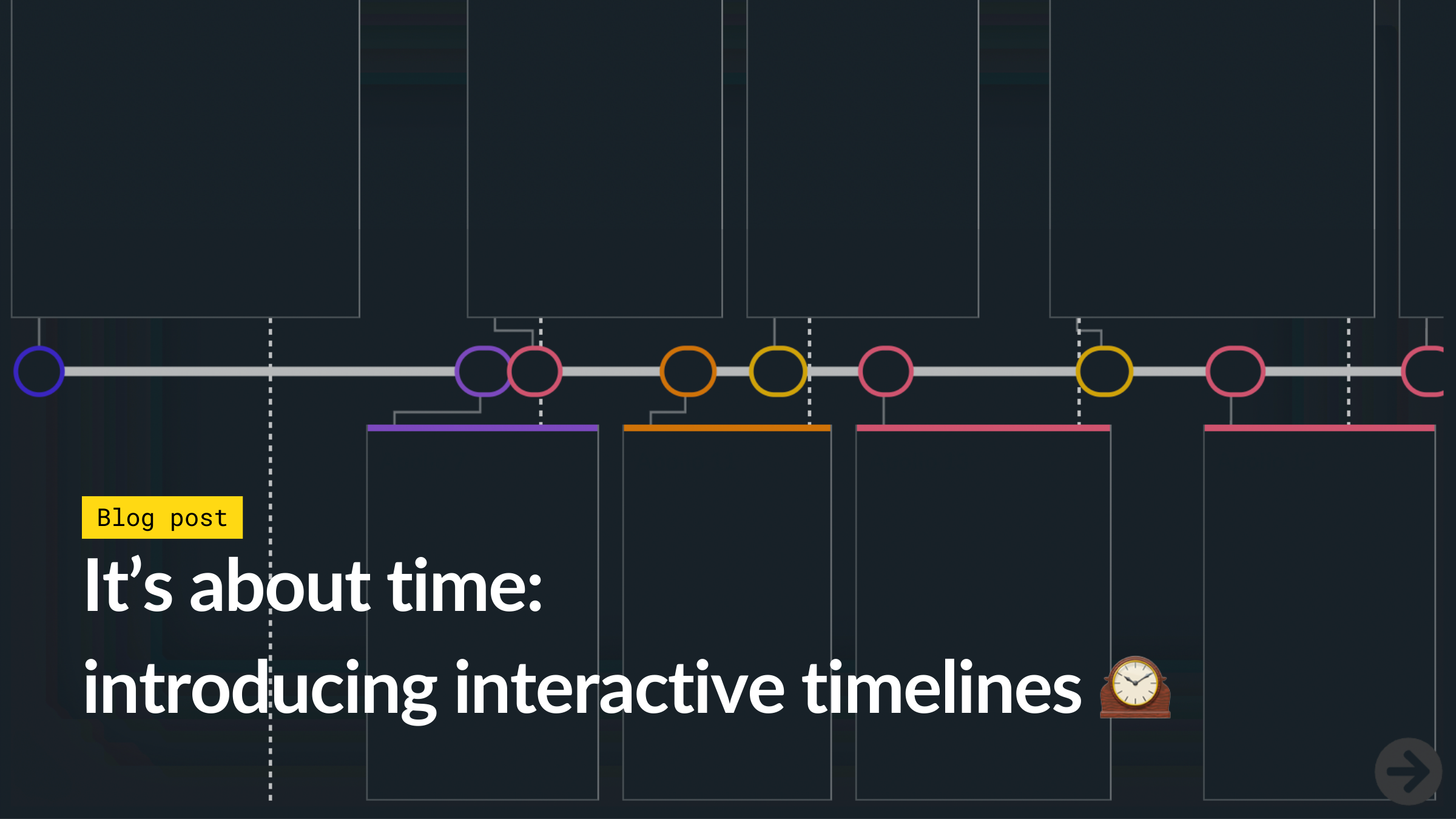
Traditional lists and biographies offer valuable information, but an interactive timeline transforms how we understand historical influence. Visual chronology reveals patterns—waves of activism, the clustering of breakthroughs around institutions, and global exchanges that spur innovation. Interactivity allows users to:
- Filter women by domain (science, politics, arts, civil rights, entrepreneurship)
- See geographic distributions and temporal trends
- Access primary documents, images, and short video clips for context
- Compare contemporaries to understand networks, mentorships, and rivalries
- Hover or tap a profile to see a snapshot: key dates, accomplishments, and legacy.
- Click a profile for an expanded view: chronological biography, related media, bibliographic references, and suggested lesson plans for educators.
- Use the “Compare” tool to analyze two or more figures side-by-side.
- Save and share curated collections for research or classroom use.
- Marie Curie (1867–1934) — Pioneering physicist and chemist; first person to win Nobel Prizes in two sciences. Timeline highlights: radioactivity research, lab photographs, Nobel lecture excerpts.
- Rosalind Franklin (1920–1958) — Crystallographer whose X-ray diffraction work was critical to discovering DNA’s structure. Timeline highlights: original images, correspondence, and later recognition debates.
- Mae Jemison (b. 1956) — Engineer, physician, and the first Black woman in space. Timeline highlights: mission logs, STEM advocacy, and current educational initiatives.
- Suffrage Leaders: Susan B. Anthony (1820–1906) & Emmeline Pankhurst (1858–1928) — Central figures in U.S. and U.K. suffrage movements. Timeline highlights: speeches, arrest records, and movement networks.
- Indira Gandhi (1917–1984) — India’s first female Prime Minister; a complex legacy of development policies and emergency rule. Timeline highlights: policy milestones, speeches, and scholarly critiques.
- Ruth Bader Ginsburg (1933–2020) — U.S. Supreme Court Justice; advanced gender equality through litigation and jurisprudence. Timeline highlights: landmark cases, opinions, and cultural impact.
- Sojourner Truth (c. 1797–1883) — Abolitionist and women’s rights advocate. Timeline highlights: “Ain’t I a Woman?” speech context and primary transcriptions.
- Ella Baker (1903–1986) — Organizer who emphasized grassroots leadership in civil rights movements. Timeline highlights: organizing memos, influence on SNCC, and oral testimonies.
- Wangari Maathai (1940–2011) — Environmentalist and Nobel Peace Prize laureate who linked democracy, human rights, and environmental conservation. Timeline highlights: Green Belt Movement archives and environmental policy outcomes.
- Maya Angelou (1928–2014) — Poet and memoirist whose writing galvanized civil rights and personal resilience narratives. Timeline highlights: readings, manuscripts, and performance recordings.
- Toni Morrison (1931–2019) — Novelist who reshaped American literature with focus on Black experiences and language. Timeline highlights: prize citations, interviews, and teaching materials.
- Technical diagrams and photographs of mobile units
- Accounts from battlefield surgeons and patients
- Analysis of how field radiography accelerated diagnostic medicine
- High school civics: Compare suffrage strategies in different countries and create debate prompts.
- Middle school STEM: Recreate simplified experiments inspired by women scientists and document methodology.
- University seminars: Use the “Compare” tool to analyze jurisprudential approaches of female jurists and assign primary-source critiques.
- Documented impact on field or society
- Availability of primary-source material
- Representative geographic and cultural diversity
- Educational value for multiple audiences
- High-resolution images with descriptive alt text
- Captioned videos and transcripts
- Downloadable PDFs of primary documents
- Responsive design for mobile and tablet users
- Advanced filters (field, impact type, source type, continent, era)
- CSV export of selected profiles for researchers and educators
- Annotation layer allowing registered users to add notes and cite sources
- “Narrative Builder” that compiles a shareable timeline of selected figures and events
- Networks and mentorships that cross borders and disciplines
- Intersectionality: how race, class, and gender shaped opportunity and recognition
- Institutional barriers and strategies used to overcome them
- The relationship between cultural production and political activism
- Library of Congress collections
- UNESCO Memory of the World
- National archives and university special collections
- Major biographies and academic journals (selected per profile)
- Comparative Biography Essay: Use the Compare tool to develop a thesis-driven essay comparing the strategies of two activists from different eras.
- Digital Exhibit Project: Students curate a mini-exhibit within the timeline, selecting artifacts, writing interpretive labels, and creating a narrative path.
- Interactive visualization enhances comprehension of historical impact.
- Curated primary sources deepen critical thinking and research skills.
- Accessible design and educator resources broaden classroom use.
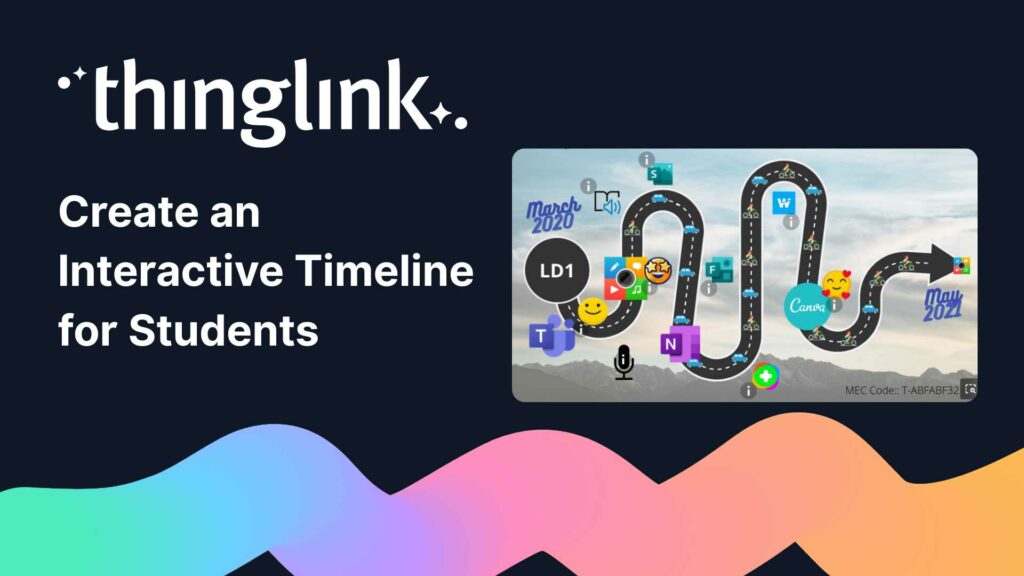
How to Use the Interactive Timeline (Step-by-Step)
1. Open the timeline and choose a filter: field, region, or period.
Key Categories and Representative Figures
Below are curated categories in the timeline with representative women who illustrate the breadth and depth of female contribution. Each entry includes why they matter and what to explore in the timeline.
Science and Innovation
* Hypatia of Alexandria (c. 350–415) — Early mathematician and philosopher; symbolizes classical learning and the vulnerability of knowledge institutions in times of turmoil. Timeline highlights: surviving writings, scholarly networks, and context of late Roman Alexandria.
Politics, Law, and Governance
* Catherine the Great (1729–1796) — Empress of Russia; expanded state power, patronized arts, and engaged with Enlightenment thinkers. Timeline highlights: reforms, diplomatic correspondence, and portraiture.
Civil Rights and Social Justice
* Harriet Tubman (c. 1822–1913) — Conductor on the Underground Railroad and Union spy. Timeline highlights: mission routes, oral histories, and commemorations.
Arts, Literature, and Culture
* Frida Kahlo (1907–1954) — Painter whose work explored identity, pain, and postcolonial Mexican identity. Timeline highlights: major works, diary excerpts, and cultural influence.
Case Studies: Deep Dives in the Timeline
Each case study in the timeline provides comprehensive context—social, political, and scientific—so readers understand cause, consequence, and legacy.
Case Study 1: From Clinic to Clinic — Marie Curie’s Mobile Radiography
Marie Curie’s work in World War I to deploy mobile X-ray units (“Little Curies”) dramatically improved battlefield medicine. The timeline includes:
Case Study 2: Grassroots Organizing — Ella Baker and Networked Leadership
Ella Baker’s philosophy prioritized decentralized leadership, which reshaped civil rights strategy. Timeline materials include meeting minutes, correspondence, and oral histories showing how her methods fostered sustainable movements.
Case Study 3: From Lab to Law — Ruth Bader Ginsburg’s Strategic Litigation
Ginsburg’s early ACLU litigation strategy targeted sex-discrimination laws by representing male plaintiffs in cases that exposed gender-based legal inequalities. Timeline elements: case files, opinions, and interviews that trace how incremental litigation reshaped constitutional doctrine.
Educational Uses: Lesson Plans and Classroom Integration
The interactive timeline is built for educators. Each profile includes ready-to-use lesson plans, primary-source exercises, and assessment prompts tailored to K–12 and university levels. Examples:
How the Timeline Was Curated: Methodology and Sources
Entries are the product of interdisciplinary curation by historians, archivists, and subject-matter experts. Selection criteria prioritize:
Primary sources include archival letters, government records, oral histories, and contemporaneous news reports. Secondary sources include peer-reviewed scholarship, biographies, and critical essays. Suggested external references in each profile link to digitized archives and reputable institutions.
Featured Multimedia and Accessibility
The timeline integrates multimedia to enrich engagement while maintaining accessibility:
Interactive Features That Enhance Research
Tools are built to support scholarly work and public curiosity alike:
Prominent Themes You’ll Discover
Exploring the timeline reveals recurring themes that connect disparate lives:
Recommended Reading and External Resources
For those who want deeper study, each timeline profile lists curated bibliographies and links to authoritative sources. Suggested external resources include:
FAQ (Optimized for Featured Snippets)
Who are considered remarkable women in history?
Remarkable women are individuals whose actions, ideas, or creations caused significant change in their field or society. They include scientists, political leaders, artists, activists, and entrepreneurs who demonstrate leadership, innovation, or transformative influence.
How can I use the interactive timeline for teaching?
The timeline offers lesson plans, primary-source sets, and assessment prompts aligned to curricular standards. Teachers can build custom timelines, assign profiles for student research, and use the Compare tool for classroom debates or presentations.
Can I contribute to the timeline?
Registered scholars and verified contributors can submit profile suggestions, upload primary-source materials, and propose corrections. Submissions are reviewed by the editorial board for accuracy and relevance.
Is content in the timeline accessible for people with disabilities?
Yes. The timeline was designed following accessibility best practices: alt text on images, transcripted videos, keyboard-navigation support, and high-contrast themes.
Examples of Classroom Activities and Assignments
1. Primary Source Workshop: Assign a woman from the timeline; students analyze three primary documents and present how sources shape our understanding of her impact.
Measuring Impact: Analytics and Community Feedback
Site administrators can track engagement metrics—time on profile pages, shares of user-curated timelines, downloads of resources, and educator signups. Community feedback loops include surveys, classroom impact reports, and scholar reviews to refine curation and interface design.
Privacy, Data Use, and Academic Integrity
User data for personalized features follows standard privacy protocols and is not sold to third parties. Academic integrity guidelines are provided for educators and researchers using exported data; citation formats and attribution requirements accompany all downloadable materials.
Mobile and Social Sharing Optimization
The timeline is mobile-first and optimized for social sharing with Open Graph metadata, Twitter Cards, and shareable snapshot images. Each profile has prewritten share text to encourage dissemination while preserving context and attribution.
Editorial Standards and Fact-Checking
All entries are vetted by subject experts and supported by citations to primary and secondary sources. Editorial policies require at least two independent sources for biographical assertions and transparent notes where interpretation is contested.
Quotes and Key Takeaways
“Understanding the networks and contexts of remarkable women reveals not only individual genius but the collaborative and structural forces that enable change.”
Key takeaways:
Final Thoughts and Next Steps
Exploring the lives of remarkable women through an interactive timeline is more than a historical exercise—it’s a way to reframe narratives, recognize diverse contributions, and build resources for future learning. Start exploring curated profiles, save collections relevant to your field, and bring these stories into classrooms and conversations.
Call to Action: Explore more about these remarkable women in our interactive timeline
Visit the interactive timeline now to filter by field, create custom collections, and access primary sources and lesson plans. Dive deeper, share your favorite profiles, and help expand the archive by submitting authoritative materials or classroom impact stories.