
Unveiling Suppressed Histories: A Closer Look at the Hidden Truths Behind Censored Narratives
Introduction
History, as we know it, is often a carefully curated narrative—a story stitched together from a multitude of sources, each carrying its own underlying biases and perspectives. Yet sometimes, this narrative is not the complete picture. Hidden beneath the surface lie suppressed histories: untold stories systematically silenced and relegated to the shadows. This article aims to shed light on these obscured truths, breaking through historical cover-ups to reveal the full story.

The Nature of Suppressed History
Understanding suppressed history begins with recognizing that history is often written by the victors. Those in power possess the resources and influence to shape public perception, molding narratives to fit their objectives. The result is a sanitized version of events—a revisionist history that glosses over uncomfortable truths and inconvenient details.
Suppressed history refers to the events, figures, and narratives that have been deliberately omitted, distorted, or downplayed in mainstream historical accounts. These include the stories of marginalized groups, contentious events, and uncomfortable truths that challenge the accepted narrative.
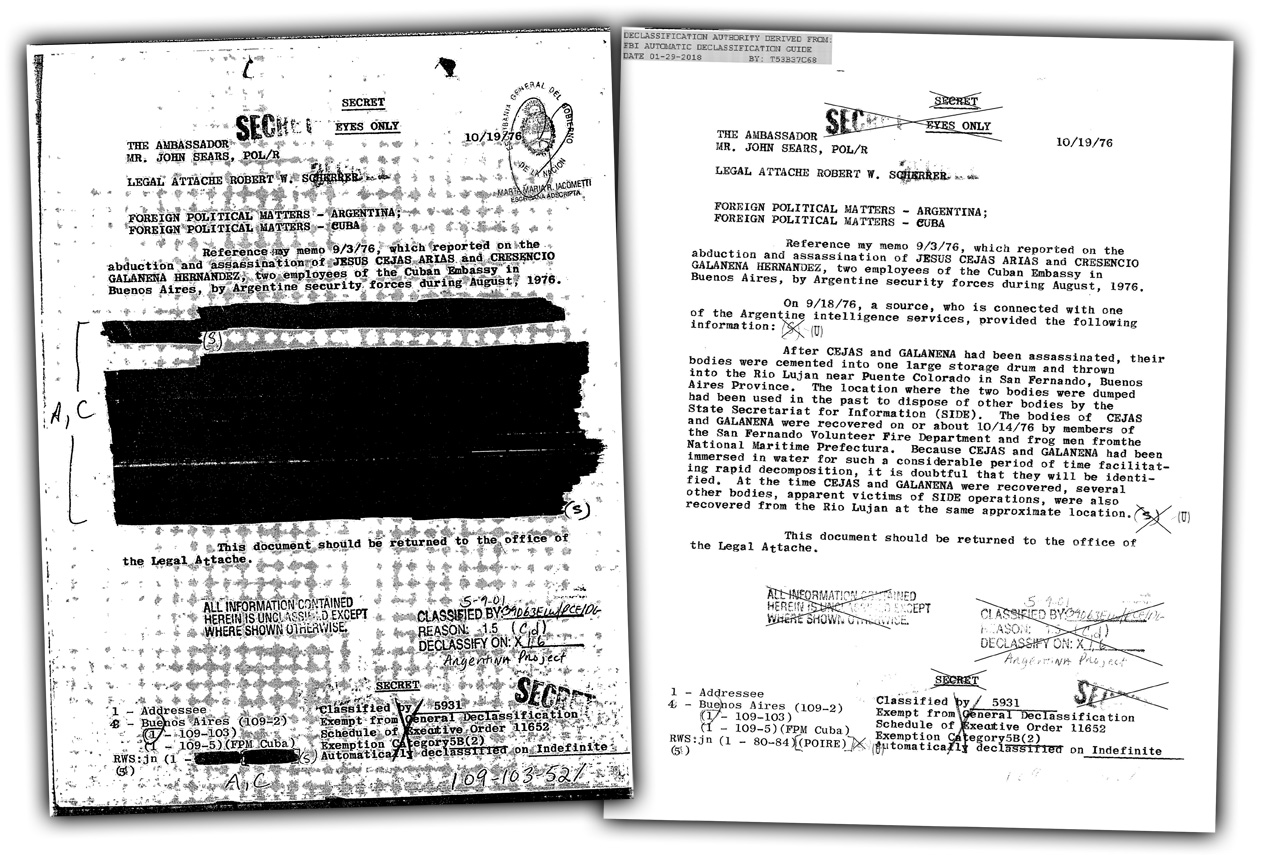
Examples of Historical Cover-ups
One of the most striking examples of suppressed history is the internment of Japanese-Americans during World War II. For decades, this injustice was largely absent from American textbooks—an unfortunate testament to the power of historical erasure.
Another poignant example is the Tulsa Race Massacre of 1921, when a prosperous Black neighborhood was destroyed by a white mob. For years, this tragedy was systematically erased from history, with many survivors silenced by fear and intimidation.
Uncovering Hidden Truths
Uncovering these suppressed histories demands rigorous research, critical thinking, and a willingness to challenge accepted narratives. It involves sifting through primary sources, critically analyzing secondary literature, and piecing together fragmented accounts.
Decolonizing history is another crucial aspect of this process. This means recognizing and challenging the colonial biases embedded in many historical records. By doing so, we can begin to understand history from a more nuanced and inclusive perspective.

The Role of Technology in Revealing Suppressed Histories
The advent of digital technologies has revolutionized how we access and interpret history. Digitized archives, online databases, and cutting-edge software tools have made it easier than ever to uncover and share suppressed histories.
Digital humanities projects such as “Mapping Violence,” for example, use GIS technology to map incidents of racial violence in Texas. Similarly, the “Reclaiming History” project employs virtual reality to recreate historical sites, allowing users to experience history in an immersive and engaging way.
Conclusion
Unveiling suppressed histories involves peeling back the layers of established narratives to reveal the hidden truths beneath. It is a challenging yet vital endeavor—one that not only enriches our understanding of the past but also informs our present and future.
By shining a spotlight on these censored narratives, we can begin to rectify historical injustices, challenge systemic biases, and strive toward a more inclusive and accurate representation of history. Subscribe to our newsletter for exclusive updates on suppressed historical evidence, and join us on this riveting journey into the depths of hidden truths.
After all, as George Orwell once wrote, “Who controls the past controls the future. Who controls the present controls the past.” Let us reclaim control over our past to better understand our present—and to pave the way for a more equitable future.