Unmasking Censored Histories: Illuminating Hidden Truths and Historical Cover-Ups
History, as we often encounter it, is a carefully curated narrative—a selection of events, figures, and interpretations presented as the definitive past. Yet beneath the surface of accepted accounts lies a vast, often turbulent ocean of suppressed history, hidden truths, and deliberate historical cover-ups. These are not merely forgotten details but actively manipulated or concealed aspects of our collective past, shaping our understanding of the world in profound and often misleading ways. For historians and truth-seekers alike, the journey to unmask these hidden narratives is essential for a more complete, accurate, and just understanding of where we have come from and, crucially, where we are headed.
This article delves into the fascinating and often unsettling world of censored histories, exploring the motives behind their suppression, the methods employed to keep them hidden, and the vital importance of bringing these hidden truths to light. We will uncover why certain narratives are deemed too inconvenient, too dangerous, or too contradictory to prevailing power structures to ever see the light of day, and how dedicated individuals work tirelessly to piece together these fragmented pasts.
What is Censored History? Defining the Unseen Narrative
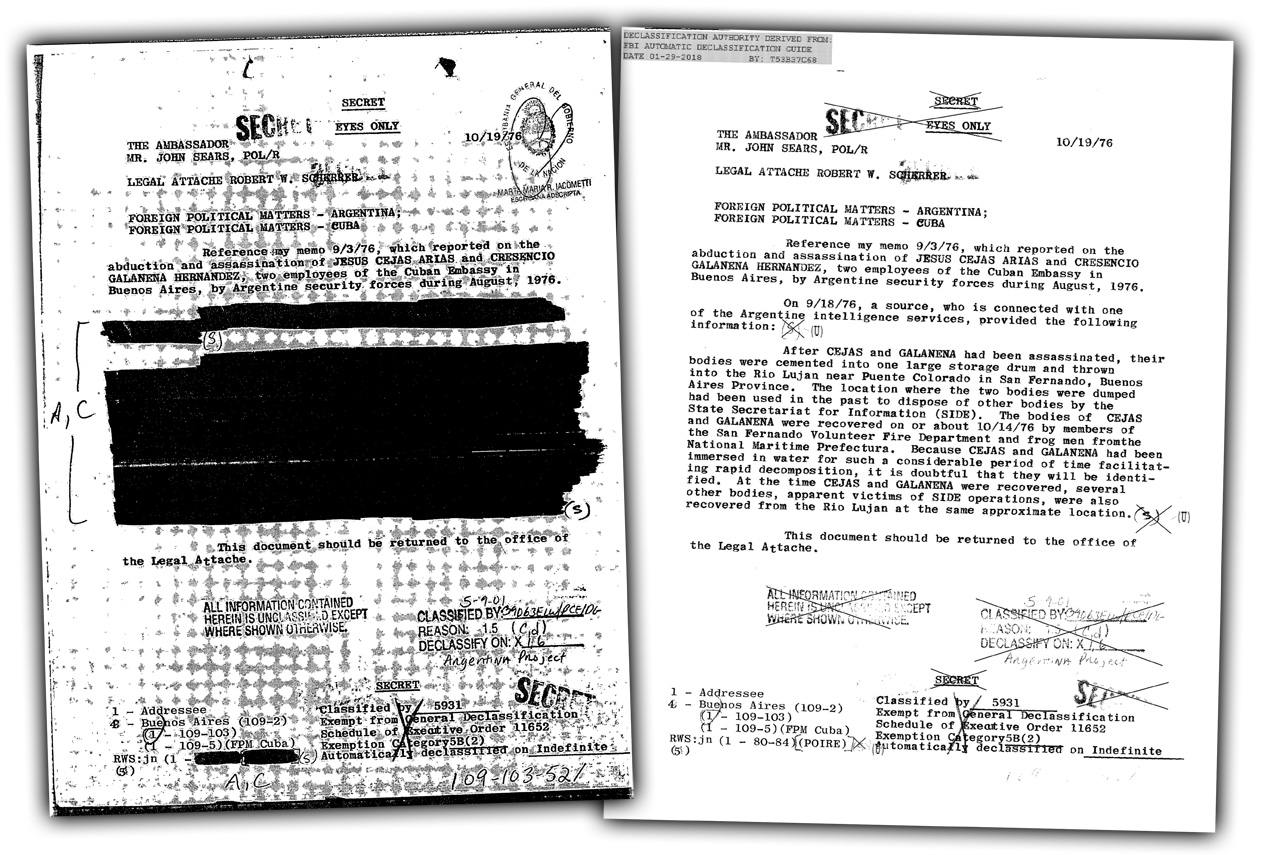
When we talk about censored history, we are not simply referring to events that have faded from collective memory or details that have been lost to time. Instead, we are discussing a deliberate act: the active suppression, manipulation, or outright fabrication of historical records, accounts, and interpretations. This is not passive omission; it is an intentional effort to control the narrative, often by those in power, to serve specific political, social, or economic agendas.
Think of it as a sculptor who not only shapes the clay but also carefully removes certain pieces, ensuring they never see the light of day. The resulting sculpture tells a story, but it is an incomplete one, designed to evoke a particular emotion or convey a specific message. Similarly, censored history presents a version of the past that aligns with a desired present, often at the expense of accuracy and comprehensive understanding. It is about controlling not just what we remember, but how we remember it, and what implications those memories have for our present and future.

Why Are Histories Suppressed? The Motives Behind the Veil
The reasons for suppressing historical truths are as complex and varied as human motivation itself. Often, they stem from a desire to maintain power, uphold ideology, or protect reputations. Understanding these underlying motives is crucial for recognizing when a historical account might be less than complete.
Political Power and Control
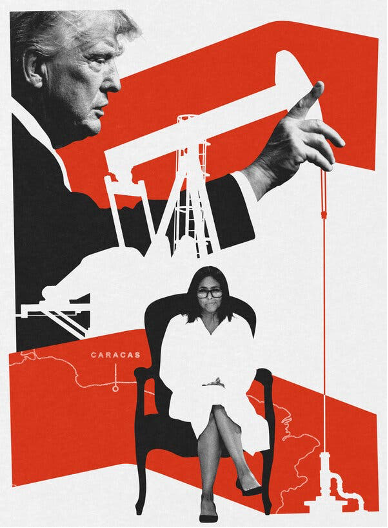
Perhaps the most potent driver of historical cover-ups is the desire for political power and control. Regimes, governments, and ruling parties frequently manipulate history to legitimize their authority, justify their actions, and suppress dissent. By crafting a narrative that portrays them as benevolent, inevitable, or heroic, they can rally public support and demonize opponents. Erasing inconvenient truths—such as past atrocities, failed policies, or an illegitimate rise to power—becomes a tool for stability and continued dominance. For instance, totalitarian states are notorious for rewriting textbooks and purging archives to align with the party line, effectively erasing individuals or events that do not fit the approved story.

Ideological Purity
Beyond raw political power, the pursuit of ideological purity often compels the suppression of history. When a society is built upon a specific set of beliefs—be they religious, economic, or philosophical—facts that contradict or challenge these foundational tenets can be seen as dangerous. Suppressing such information helps maintain the coherence and perceived infallibility of the ideology. This can manifest in the downplaying of scientific discoveries that challenge dogma, the erasure of cultural practices deemed heterodox, or the silencing of voices that offer alternative worldviews.

National Identity and Myth-Making
Nations, like individuals, often construct their identities through stories. These national myths, while often inspiring, can also be deeply flawed, built upon selective memory and the omission of uncomfortable truths. Governments might suppress histories that reveal national failings, colonial abuses, or internal conflicts to present a unified, heroic image to their citizens and the world. The goal is to foster patriotism and collective pride, even if it means glossing over or outright denying darker chapters. This process can lead to a distorted sense of national character, making it difficult for a society to reckon with its past and learn from its mistakes.
Economic Interests
Financial gain and the protection of powerful economic interests can also lead to historical cover-ups. Corporations, industries, or wealthy individuals might suppress information about past exploitation, environmental damage, or unethical practices to avoid legal repercussions, maintain public trust, or prevent financial losses. The discovery of hidden truths about the origins of certain industries or the impact of specific products could trigger massive lawsuits, consumer boycotts, or regulatory crackdowns, making suppression a financially attractive, albeit morally reprehensible, option.
Social Cohesion and Stability
Sometimes historical truths are suppressed out of a misguided desire to maintain social cohesion and stability. Unearthing past conflicts, injustices, or societal divisions might be seen as too disruptive, potentially reigniting old wounds or fracturing a fragile peace. While reconciliation is often built on confronting the past, some prefer to bury it, hoping that silence will lead to harmony. This can be particularly prevalent in post-conflict societies where a fragile peace might be prioritized over a full accounting of past wrongs, leading to a superficial calm that often masks simmering resentment.
Protecting Reputations
Finally, the desire to protect the reputations of individuals, families, institutions, or even entire communities can be a powerful motive for historical suppression. Whether it is shielding a revered historical figure from scandal, preventing embarrassment for a prominent family, or safeguarding the legacy of an institution, uncomfortable truths are often swept under the rug. This can lead to whitewashed biographies, selective institutional histories, and a collective unwillingness to acknowledge past transgressions, making it difficult for society to hold itself accountable.
How Are Truths Hidden? The Mechanics of Historical Cover-Ups
The methods employed to suppress history are often sophisticated and multi-layered, ranging from overt censorship to subtle manipulation. Unmasking these truths requires an understanding of the various techniques used to keep them hidden.
Archival Manipulation
One of the most effective ways to control history is to control the historical record itself. This can involve the destruction of incriminating documents, the reclassification of sensitive files to restrict access, or the deliberate misfiling of records to make them virtually impossible to find. Governments and institutions have historically engaged in these practices, ensuring that certain narratives simply cannot be supported by official evidence. Even more subtly, archives can be curated, with certain types of documents prioritized for preservation while others are allowed to degrade or are simply not collected.
Propaganda and Controlled Media
In the age of information, shaping public perception is paramount. Propaganda, disseminated through state-controlled media or sympathetic outlets, plays a crucial role in historical cover-ups. This involves presenting a biased version of events, discrediting alternative viewpoints, and outright fabricating information to support the desired narrative. By controlling the flow of information and framing public discourse, those in power can effectively dictate what is believed about the past, ensuring that inconvenient truths never gain widespread traction.
Educational Curriculum Control
What is taught in schools profoundly shapes a society’s understanding of its history. Controlling educational curricula is a powerful tool for historical suppression. Governments can