
Unveiling Hidden Empires: Modern Archaeology’s Revolutionary Discoveries of Ancient Civilizations
Have you ever wondered what secrets lie buried beneath our feet, hidden by centuries of dust, jungle, or ocean? Imagine entire cities, forgotten cultures, and hidden empires waiting to be rediscovered, ready to rewrite our understanding of human history. For centuries, archaeology has been a meticulous, often slow, pursuit, relying on intuition, historical texts, and the painstaking work of the shovel. But today, a new era has dawned. Modern archaeology, armed with cutting-edge technology, is embarking on an unprecedented journey, revealing ancient civilizations at a breathtaking pace.
From the dense jungles of Central America to the arid plains of Anatolia and the depths of the Mediterranean Sea, archaeologists are no longer just digging; they are scanning, mapping, and analyzing with precision never before imagined. These archaeological discoveries aren’t just adding footnotes to history books; they are fundamentally reshaping our narratives of human ingenuity, social complexity, and global interconnectedness. Prepare to journey through time and space as we explore some of the most astounding revelations of our age, uncovering hidden empires that challenge everything we thought we knew about our past. Get ready to witness how technology is bringing long-lost worlds back to life, one incredible find at a time.

The New Frontier of Modern Archaeology: A Technological Revolution
The romantic image of an archaeologist brushing dust off a priceless artifact still holds true, but it’s now just one piece of a much larger, technologically advanced puzzle. Modern archaeology has been utterly transformed by innovations that allow us to “see” beneath the surface without even breaking ground. This revolution has exponentially increased the rate of archaeological discoveries, pushing the boundaries of what’s possible.
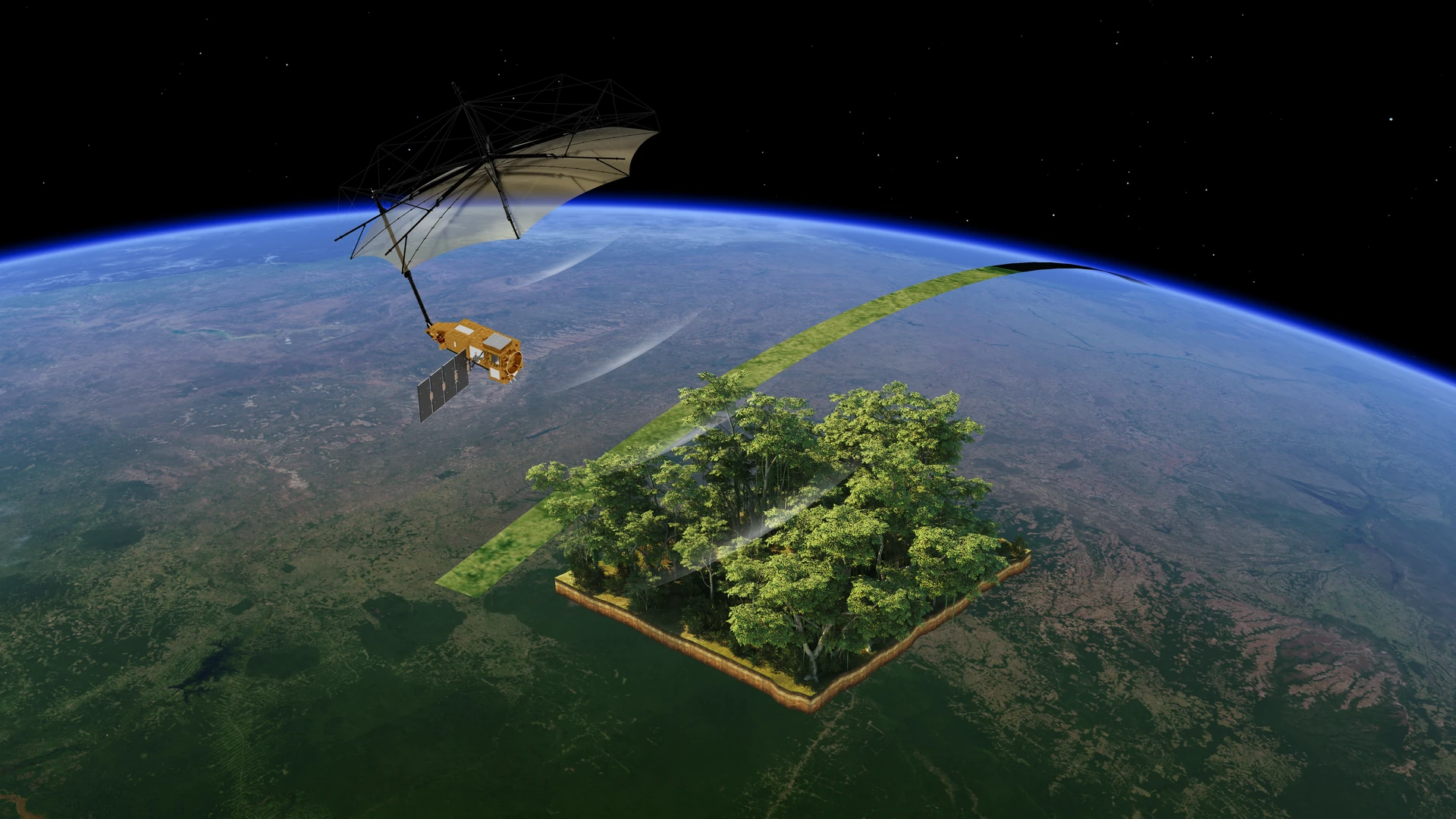
Remote Sensing: Peering Through Earth and Foliage
One of the most significant game-changers is remote sensing. Technologies like LiDAR (Light Detection and Ranging) use pulsed lasers to measure distances, creating incredibly detailed 3D maps of landscapes. What’s truly revolutionary is LiDAR’s ability to penetrate dense vegetation, effectively stripping away jungles to reveal ancient structures, roads, and agricultural systems that have been hidden for millennia. This allows archaeologists to identify vast, previously unknown urban sprawl and infrastructure, dramatically expanding our understanding of ancient civilizations.
Satellite imagery, often combined with AI analysis, also plays a crucial role. By analyzing subtle changes in vegetation, soil moisture, or even faint geometric patterns visible from space, researchers can spot anomalies that indicate buried structures. Ground-penetrating radar (GPR) and magnetometry further refine these aerial surveys, offering detailed subsurface maps of buried walls, foundations, and artifacts before a single shovel enters the earth. These non-invasive methods save time, resources, and, most importantly, preserve fragile sites.

Underwater Archaeology’s Depths: Exploring Sunken Worlds
While land-based discoveries capture headlines, the ocean floor holds an equally vast, often perfectly preserved, archive of human history. Advanced sonar, remotely operated vehicles (ROVs), and autonomous underwater vehicles (AUVs) equipped with high-resolution cameras and manipulators have opened up the deep sea to archaeological exploration. These tools allow researchers to map vast underwater landscapes, identify shipwrecks, and even locate entire sunken cities. The cold, dark, oxygen-deprived environment of the deep sea can act as a natural conservator, preserving organic materials far better than on land, offering unique insights into daily life, trade, and technology of ancient civilizations.
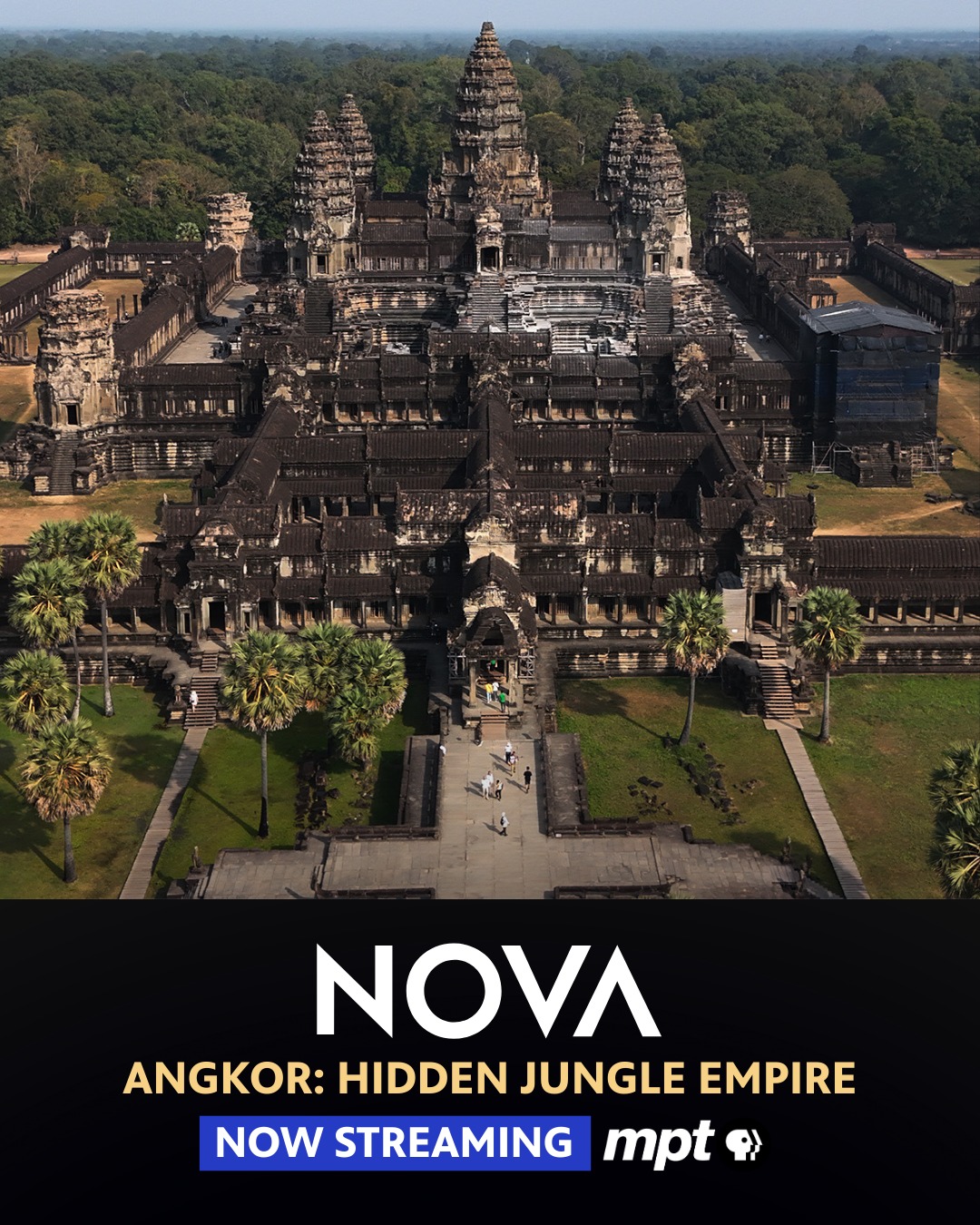
Unveiling Lost Worlds: Iconic Archaeological Discoveries of Hidden Empires
The application of these modern techniques has led to a series of breathtaking archaeological discoveries, each one a testament to the ingenuity of ancient civilizations and the dedication of modern archaeology. These finds aren’t just isolated sites; they are windows into hidden empires that once thrived, shaping the course of human history.
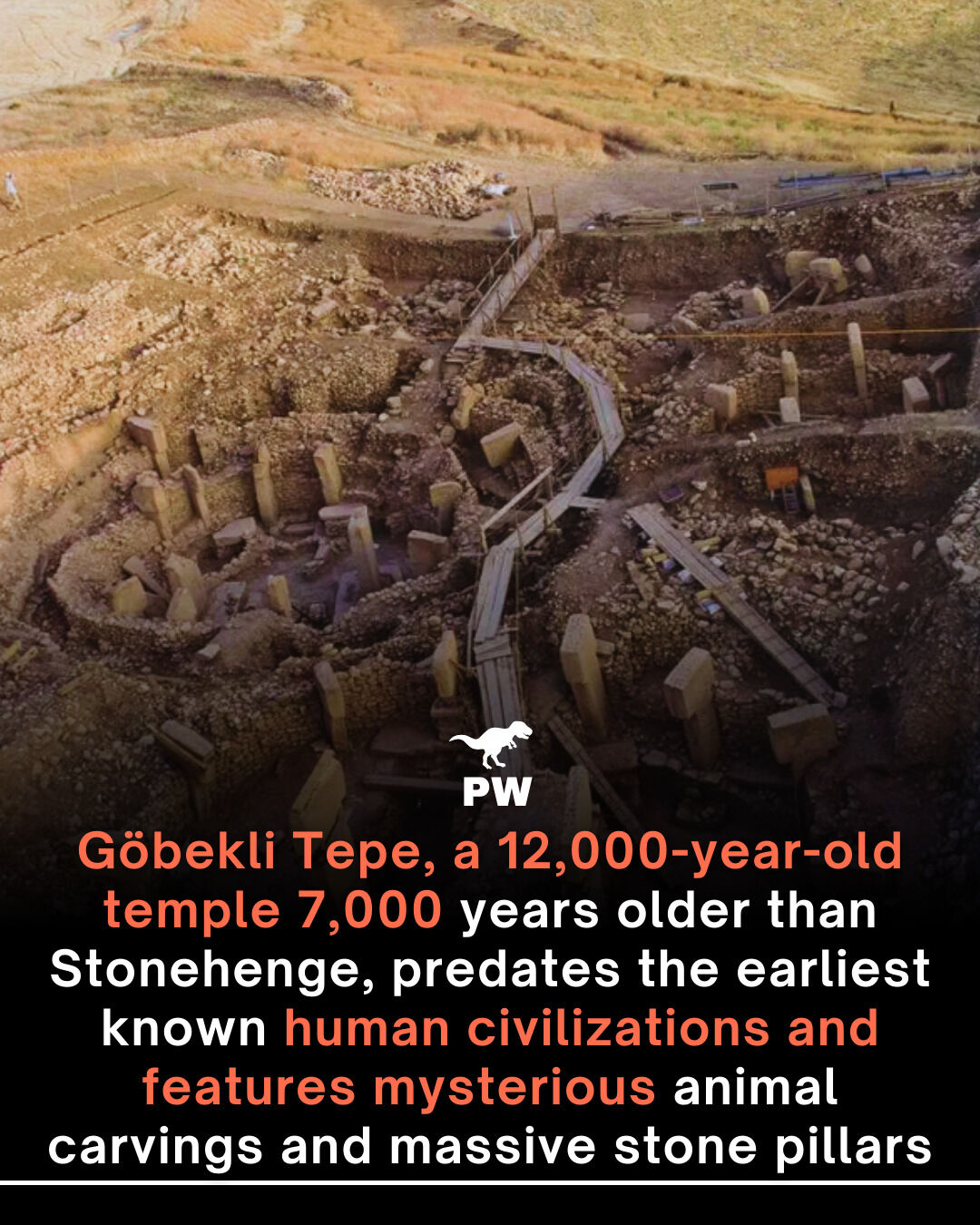
Göbekli Tepe: Rewriting Prehistory in Stone
Perhaps one of the most astonishing archaeological discoveries of the modern era is Göbekli Tepe in southeastern Turkey. Discovered in the 1990s and extensively excavated since, this site has utterly reshaped our understanding of the Neolithic period. Dating back to around 9600 BCE, it predates Stonehenge by 6,000 years and the invention of pottery, writing, and even agriculture.
Göbekli Tepe consists of massive, intricately carved T-shaped pillars arranged in circular enclosures, adorned with reliefs of animals like boars, foxes, lions, and birds. Its sheer scale and sophisticated artistry suggest a complex, organized society of hunter-gatherers capable of monumental construction. This discovery challenges the long-held belief that monumental architecture and complex social structures only emerged after the development of agriculture and settled communities. Instead, it proposes that the desire for communal ritual spaces might have driven the shift towards agriculture. It’s a profound example of how hidden empires of thought and belief predated what we considered the foundations of civilization.
Key Takeaway: Göbekli Tepe demonstrates that sophisticated religious and social structures existed among hunter-gatherers much earlier than previously thought, potentially influencing the development of agriculture.
Caral-Supe: The Americas’ First City and a Hidden Empire
In the arid Supe Valley of Peru, another extraordinary ancient civilization was brought to light through systematic modern archaeology. Caral-Supe, often referred to simply as Caral, is recognized as the oldest known city in the Americas, flourishing between 3000 and 1800 BCE. Its discovery and subsequent dating pushed back the timeline for complex urban societies in the New World by over a thousand years.
The site features immense platform mounds, circular plazas, and residential areas, all meticulously planned. What’s particularly striking about Caral is the absence of evidence for warfare or defensive structures. Instead, its power seems to have been based on trade, religious authority, and a sophisticated understanding of irrigation and agriculture. The presence of quipu (knotted cords used for record-keeping) indicates advanced administrative capabilities. Caral-Supe represents a truly hidden empire that developed independently, without clear influence from Old World civilizations, offering a unique parallel study for the origins of urbanism.
External Link Suggestion: Learn more about Caral-Supe’s significance at the Archaeological Zone of Caral website.
The Maya’s Hidden Urban Sprawl: LiDAR’s Revelation of a Vast Empire
For decades, archaeologists believed the ancient Maya civilization consisted of scattered, independent city-states. The dense jungles of Central America made comprehensive surveys impossible, leaving vast tracts of land unexplored. Then came LiDAR. In 2018, a groundbreaking LiDAR survey of the Mirador Basin in Guatemala revealed a staggering network of interconnected cities, towns, and defensive structures, transforming our understanding of the Maya.
The scans uncovered over 60,000 previously unknown structures, including pyramids, palaces, causeways, and intricate agricultural systems, all hidden beneath the thick canopy. This suggests a population density far greater than previously imagined—millions more people—and a level of political and economic integration akin to an empire. The discovery of extensive raised fields and elaborate irrigation systems also demonstrated the Maya’s incredible ability to manage their environment and sustain large populations. This monumental archaeological discovery painted a picture of a vast, integrated ancient civilization that rivaled contemporary empires elsewhere in the world.
Internal Link Suggestion: Dive deeper into the wonders of Maya civilization by reading our article on [The Engineering Marvels of Ancient Mesoamerica].
Thonis-Heracleion: Egypt’s Sunken Metropolis and a Crossroads of Antiquity
Not all hidden empires are buried under earth; some lie beneath the waves. The legendary Egyptian city of Thonis-Heracleion, mentioned in ancient Greek texts but long thought mythical, was dramatically rediscovered by underwater archaeologists in 2000 in the Bay of Aboukir, near Alexandria. Using advanced sonar and magnetometers, a team led by Franck Goddio located the city’s ruins submerged beneath 10 meters of water.
The subsequent archaeological discoveries have been astonishing. Excavations have revealed well-preserved temples, colossal statues of pharaohs and gods, gold coins, and hundreds of smaller artifacts, all offering a vivid snapshot of life in a bustling port city that flourished from the 7th to the 2nd century BCE. Thonis-Heracleion served as Egypt’s main port for international trade and a crucial customs hub, a true gateway to a powerful ancient civilization. Its sudden disappearance, likely due to a combination of earthquakes, tsunamis, and soil liquefaction, preserved it as a time capsule, allowing modern archaeology to reconstruct its vibrant past.
CTA: Ready to piece together these incredible stories? Explore hidden empires with our interactive timeline and see how these discoveries fit into the grand tapestry of human history.
Beyond the Dig Site: Advanced Analytical Techniques in Modern Archaeology
The work of modern archaeology doesn’t end when an artifact is unearthed or a structure is mapped. The real detective work often begins in the lab, where advanced analytical techniques unlock even deeper secrets about ancient civilizations and their hidden empires.
Ancient DNA and Isotope Analysis: Tracing Ancestry and Diet
The study of ancient DNA (aDNA) extracted from skeletal remains is revolutionizing our understanding of human migration patterns, population movements, and genetic relationships between ancient and modern peoples. For example, aDNA analysis can reveal the ancestry of individuals found at a site, providing direct evidence of cultural exchange or conquest.
Stable isotope analysis, particularly of carbon, nitrogen, and strontium from bones and teeth, offers insights into the diets and mobility of ancient populations. Carbon and nitrogen isotopes can tell us what people ate (e.g., marine vs. terrestrial foods, plant vs. meat-heavy diets), while strontium isotopes, which vary geographically, can indicate where an individual grew up or lived throughout their life, shedding light on migration and trade networks within and between hidden empires.
Geophysical Surveys and Ground-Penetrating Radar: Non-Invasive Insights
Before any excavation begins, geophysical surveys provide crucial, non-invasive insights into what lies beneath the surface. Techniques like magnetometry detect variations in the Earth’s magnetic field, often caused by buried features like kilns, hearths, or ditches. Electrical resistivity surveys measure the electrical resistance of the soil, which changes depending on the presence of walls, foundations, or filled-in pits.
Ground-penetrating radar (GPR) sends radio waves into the ground and measures the reflections, creating a cross-sectional view of the subsurface. This allows archaeologists to identify the depth, shape, and even material of buried structures without disturbing the site. These methods are invaluable for planning excavations, preserving archaeological integrity, and efficiently focusing resources, ensuring that archaeological discoveries are made with minimal impact.
The Ethical Compass of Modern Archaeology: Responsible Discovery
As modern archaeology advances, so too does its ethical responsibility. Uncovering hidden empires and ancient civilizations is not just about discovery; it’s about respectful engagement, preservation, and ensuring that the past serves the present and future responsibly.
Conservation and Cultural Heritage: Protecting the Past for the Future
The sheer volume of new archaeological discoveries brings with it the immense challenge of conservation. Many newly found sites are fragile, vulnerable to environmental degradation, looting, and rapid development. Modern archaeology places a strong emphasis on site preservation, often employing digital documentation (3D scanning, photogrammetry) to create virtual records that can outlast the physical remains. International collaboration and funding are crucial to protect these irreplaceable windows into ancient civilizations.
Collaboration with Local Communities: Shared Ownership of Heritage
A critical shift in modern archaeology is the recognition of the importance of collaborating with local and indigenous communities. These communities are often the descendants of the ancient civilizations being studied and hold invaluable traditional knowledge. Engaging them in the archaeological process—from planning and excavation to interpretation and heritage management—ensures that discoveries are culturally sensitive, respectful, and mutually beneficial. This approach transforms archaeology from an extractive practice into a collaborative effort, fostering a shared sense of ownership over hidden empires and their legacies.
The Future of Uncovering Hidden Empires: What’s Next?
The pace of archaeological discoveries shows no sign of slowing down. As technology continues to evolve, the future of modern archaeology promises even more incredible revelations about ancient civilizations and their hidden empires.
Imagine AI algorithms sifting through vast amounts of satellite data, identifying patterns that human eyes might miss, or swarms of autonomous drones mapping entire regions in unprecedented detail. Advanced robotics could explore dangerous or inaccessible environments, while further developments in non-invasive techniques could allow us to understand complex sites without ever needing to dig. The integration of big data, machine learning, and citizen science initiatives will likely democratize archaeology, allowing more people to contribute to and engage with the process of discovery.
The potential for uncovering truly global hidden empires—connecting cultures and migrations across continents in ways we can only just begin to imagine—is immense. Each new find deepens our understanding of human resilience, innovation, and our shared heritage.
Internal Link Suggestion: Read our expert predictions on [Emerging Technologies Shaping the Future of Archaeological Research] to learn more.
Conclusion: The Enduring Allure of Ancient Civilizations
The journey through modern archaeology’s recent archaeological discoveries of ancient civilizations has been nothing short of breathtaking. From the monumental pre-agricultural temples of Göbekli Tepe to the sophisticated urban planning of Caral-Supe, the vast interconnectedness of the Maya, and the sunken wonders of Thonis-Heracleion, we’ve seen how cutting-edge technology is peeling back the layers of time to reveal hidden empires that once shaped our world. These revelations not only ignite our imagination but also fundamentally alter our understanding of human ingenuity, social development, and the complex tapestry of global history.
Modern archaeology is more than just digging; it’s a dynamic, interdisciplinary field constantly pushing the boundaries of knowledge, driven by an insatiable curiosity about our ancestors. As we continue to explore, map, and analyze, we gain not just artifacts and structures, but a deeper appreciation for the rich diversity of human experience and the enduring legacies of those who came before us. The thrill of discovery, the meticulous work of interpretation, and the profound impact on our historical narrative make this one of the most exciting times to be a history enthusiast.
Ready to connect the dots and visualize these incredible stories? Explore hidden empires with our interactive timeline and embark on your own journey through the annals of human history.
Frequently Asked Questions About Modern Archaeological Discoveries
Q1: What is the biggest game-changer in modern archaeology?
A1: Without a doubt, remote sensing technologies, especially LiDAR (Light Detection and Ranging), have been the biggest game-changer. LiDAR allows archaeologists to see through dense vegetation and map vast landscapes in 3D, revealing hidden structures and urban networks that were impossible to detect previously. Satellite imagery and geophysical surveys like ground-penetrating radar (GPR) also play crucial roles in non-invasive exploration.
Q2: How do archaeologists find ancient civilizations buried underwater?
A2: Underwater archaeologists use a combination of advanced technologies. These include side-scan sonar to map the seabed, magnetometers to detect metallic objects, and remotely operated vehicles (ROVs) or autonomous underwater vehicles (AUVs) equipped with high-resolution cameras and manipulators for detailed survey and excavation. Divers are then deployed for closer inspection and recovery of artifacts.
Q3: What is a “hidden empire” in the context of modern archaeology?
A3: A “hidden empire” refers to a large, complex ancient civilization or society whose scale, influence, or even existence was previously unknown or underestimated by historians and archaeologists. These empires are often “hidden” by dense jungle, ocean, desert sands, or simply by a lack of historical records, only to be revealed through the application of modern archaeological techniques.
Q4: Why is ethical archaeology important when making new discoveries?
A4: Ethical archaeology is crucial for several reasons. It ensures the preservation of cultural heritage for future generations, prevents looting and damage to sites, and respects the rights and traditions of local and indigenous communities who may be descendants of the ancient civilizations being studied. Collaboration and shared ownership of discoveries are key tenets of ethical archaeological practice.
Q5: Can anyone contribute to archaeological discoveries today?
A5: While professional archaeology requires specialized training, there are increasing opportunities for public involvement. Citizen science initiatives, such as online platforms for analyzing satellite imagery or transcribing historical documents, allow enthusiasts to contribute to ongoing research. Supporting archaeological foundations, visiting museums, and advocating for heritage preservation are also valuable ways to engage with the field.
Social Share Optimization
Meta Description: Discover how modern archaeology is unveiling hidden empires and ancient civilizations with cutting-edge tech like LiDAR and underwater robots. Explore breathtaking discoveries reshaping history!
Social Media Post (LinkedIn/Facebook):
“The secrets of ancient civilizations are no longer just buried; they’re being unveiled at an incredible pace by modern archaeology! From the vast Maya cities hidden by LiDAR to Egypt’s sunken metropolis, technology is rewriting history. Dive into the world of #HiddenEmpires and #ArchaeologicalDiscoveries. #AncientCivilizations #ModernArchaeology #HistoryBuffs [Link to Article] Explore hidden empires with our interactive timeline!”
Social Media Post (Twitter):
“Mind-blowing! 🤯 #ModernArchaeology is using LiDAR & underwater tech to uncover #HiddenEmpires & #AncientCivilizations. See how discoveries like Göbekli Tepe & Caral-Supe are rewriting history! #ArchaeologicalDiscoveries #History [Link to Article] Explore hidden empires with our interactive timeline!”
Image Alt Text Suggestions:
- Image 1 (Introductory): “Archaeologist using a tablet and surveying equipment at an excavation site, symbolizing modern archaeology’s blend of tech and traditional methods.”
- Image 2 (LiDAR): “A 3D LiDAR scan image revealing ancient Maya structures hidden beneath dense jungle canopy, showing pyramids and causeways.”
- Image 3 (Göbekli Tepe): “Massive carved T-shaped pillars at Göbekli Tepe, Turkey, depicting ancient animal reliefs within a circular enclosure.”
- Image 4 (Caral-Supe): “Aerial view of the ancient city of Caral-Supe in Peru, showing large platform mounds and circular plazas in a desert landscape.”
- Image 5 (Thonis-Heracleion): “Underwater archaeologist examining a colossal stone statue submerged on the seabed, part of the ruins of Thonis-Heracleion.”
- Image 6 (DNA/Isotope Lab): “Scientist in a laboratory examining ancient bone samples, representing advanced DNA and isotope analysis in archaeology.”
- Image 7 (Ethical Archaeology): “Archaeologists working collaboratively with local community members at an archaeological site, discussing artifacts.”
- Image 8 (Future Archaeology): “Concept art of autonomous drones mapping an ancient ruin site in a remote location, symbolizing future archaeological exploration.”