
Hidden Empires: Unveiling Forgotten Civilizations Through Modern Archaeology
In 2018, a laser scan of the Guatemalan jungle peeled back the canopy to reveal something astonishing: more than 60,000 previously unknown Maya structures hidden beneath the foliage. Roads, reservoirs, defensive fortifications, and entire neighborhoods emerged from the data as if an ancient world had suddenly materialized. That moment wasn’t science fiction. It was the new face of modern archaeology, and it’s rewriting the story of hidden empires across the globe.
For centuries, history buffs and archaeologists have been captivated by the idea of lost civilizations—cultures that rose to greatness, carved their mark into the earth, and then vanished, leaving only whispers in stone and soil. Today, thanks to breakthroughs in remote sensing, DNA analysis, and underwater exploration, we’re uncovering those whispers and turning them into vivid narratives. In this article, we’ll journey through the technologies bringing forgotten empires back to light, explore some of the most breathtaking archaeological discoveries of the last decade, and examine what these ancient civilizations can teach us about our own world. Along the way, you’ll discover how you can dig deeper into these stories than ever before.

The Irresistible Allure of Lost Civilizations
Why do hidden empires fascinate us so deeply? Perhaps because they challenge our assumptions about progress and permanence. We like to believe our cities, technologies, and institutions are built to last. Yet the archaeological record tells a different story: great powers rise, flourish, and sometimes crumble with breathtaking speed.
Think about the Minoans, whose palace at Knossos boasted flush toilets and multi-story architecture nearly 4,000 years ago. Or the Nabataeans, who carved the rose-red city of Petra from desert cliffs and then faded into obscurity. These lost civilizations weren’t primitive; they were sophisticated. Their disappearances remind us that even the most advanced societies can be vulnerable to climate shifts, economic collapse, or conquest.
But there’s another reason we’re drawn to ancient civilizations. Every new archaeological discovery is a kind of time travel. It allows us to stand in the dusty footprints of a merchant, peer into the workshop of a potter, or trace the mourning rituals of a queen. When we uncover a hidden empire, we don’t just find buildings and bones—we find people who loved, feared, innovated, and dreamed much like we do.

How Modern Archaeology Is Revolutionizing Discovery
For much of the 20th century, archaeology relied on trowels, brushes, and a great deal of educated guesswork. Excavation was slow, expensive, and often destructive. Today, the discipline has transformed into a high-tech science that can see through soil, forest, and even ocean water. These innovations are accelerating the pace of archaeological discoveries and reshaping our understanding of ancient civilizations.
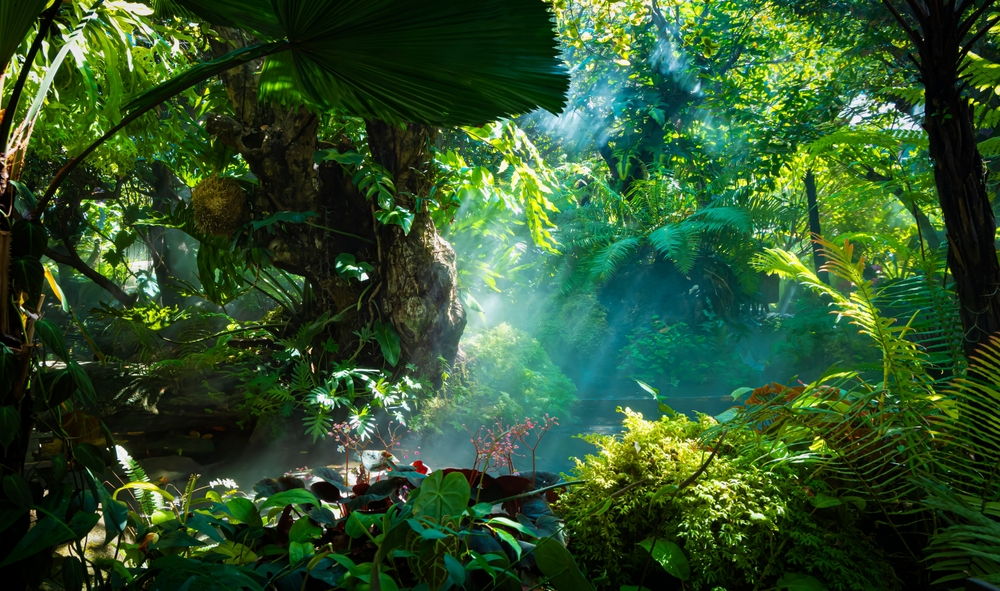
LiDAR: Peeling Back the Jungle
Light Detection and Ranging, or LiDAR, is perhaps the most revolutionary tool in modern archaeology. Mounted on aircraft or drones, LiDAR fires millions of laser pulses at the ground. By measuring how long each pulse takes to bounce back, it creates a precise 3D map of the terrain—even beneath dense vegetation.
The Maya civilization is the poster child for LiDAR’s power. In 2018, a massive LiDAR survey of northern Guatemala revealed that the Maya lowlands supported a population of 10 to 15 million people—far more than previous estimates. The scans exposed an interconnected network of cities, raised causeways, agricultural terraces, and irrigation channels. What early explorers had mistaken for empty jungle was actually one of the most densely populated regions of the pre-modern world.
LiDAR has also uncovered previously unknown Amazonian settlements, Khmer temple complexes in Cambodia, and Roman roads buried beneath European farmland. Each scan adds another layer to the map of hidden empires.
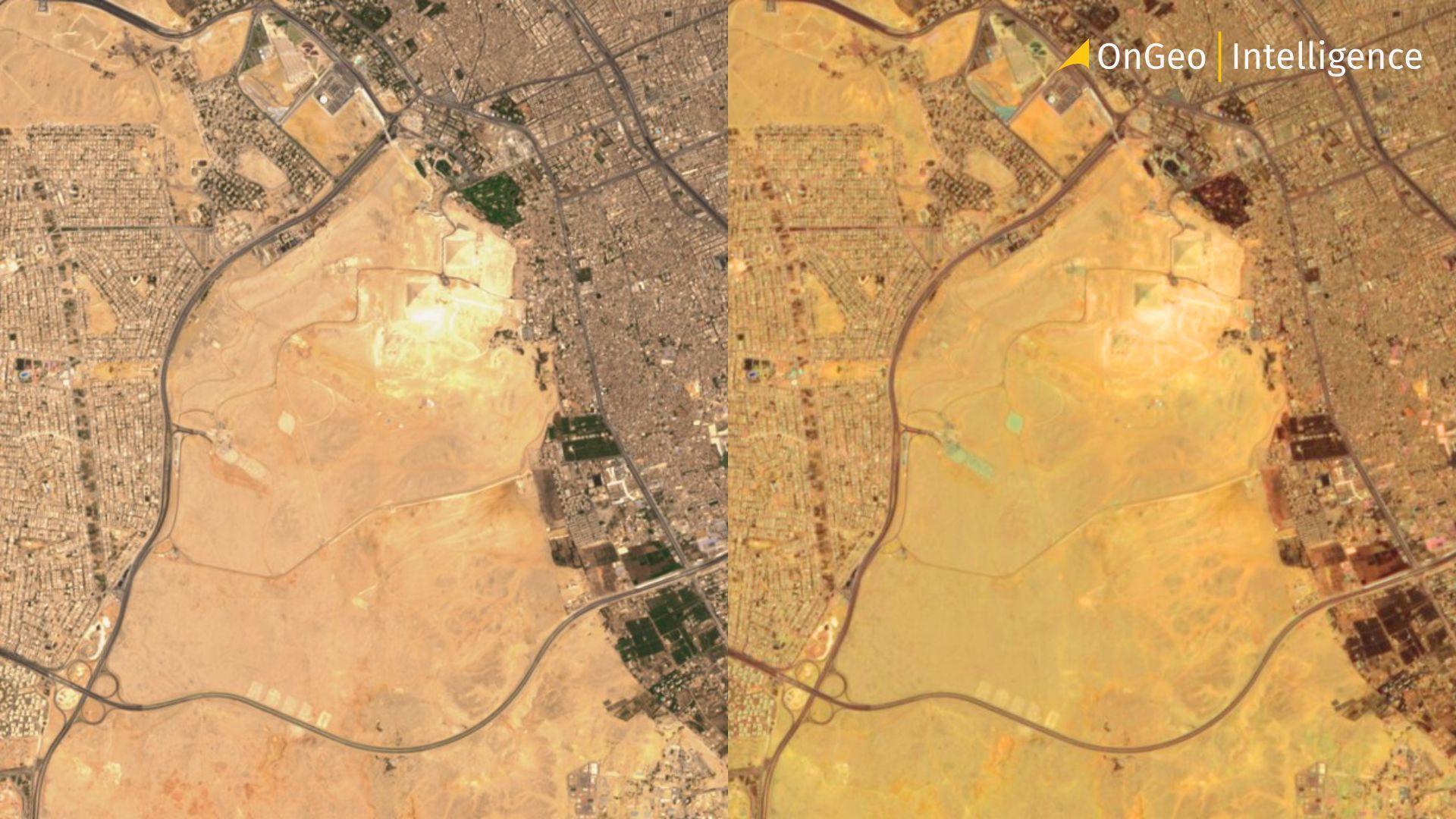
Satellite Imagery: The View from Space
When archaeologist Dr. Sarah Parcak won the 2016 TED Prize, she used the funds to launch GlobalXplorer, a citizen science platform that lets volunteers scan satellite images for signs of looting and undiscovered sites. Parcak’s work demonstrates just how powerful orbital eyes have become.
Modern satellites can detect subtle differences in soil color, crop growth, and thermal signatures that hint at buried walls and foundations. In Egypt, satellite surveys have located thousands of potential tomb sites, including entire pyramid complexes swallowed by desert sands. In Peru, high-resolution imagery helped identify hundreds of ancient geoglyphs and hilltop fortresses. These discoveries are often made without a single shovel touching the ground, preserving fragile sites for future excavation.
Satellite data also helps archaeologists monitor threats. By comparing images over time, researchers can spot illegal digging, urban encroachment, and climate-related erosion before irreplaceable history is lost forever.

Ground-Penetrating Radar and Magnetometry: Seeing Beneath the Surface
On a smaller scale, ground-penetrating radar (GPR) and magnetometry allow archaeologists to map what lies beneath their feet. GPR sends radar pulses into the soil and records the echoes, revealing walls, pits, and even human remains without excavation. Magnetometry detects variations in the Earth’s magnetic field caused by burned features, metal artifacts, or ancient ditches.
These tools recently helped identify a massive ceremonial complex at the ancient city of Teotihuacan in Mexico, as well as a previously unknown Viking ship burial in Norway. By combining GPR and magnetometry, teams can create detailed blueprints of hidden empires before deciding where—or whether—to dig.
DNA Analysis and Isotope Chemistry: Reading Bones and Teeth
Modern archaeology isn’t just about finding things; it’s also about understanding people. Ancient DNA analysis has revolutionized the study of migration and identity. By sequencing genetic material from teeth and bones, scientists can trace family relationships, map population movements, and even identify the diets of individuals who lived millennia ago.
Isotope analysis adds another layer. The chemical signatures locked in tooth enamel and bone collagen reveal where a person was born and what they ate throughout their life. This has upended long-held assumptions about ancient civilizations. For example, tests on remains from the Maya city of Copán showed that many residents were immigrants from distant regions, suggesting a far more interconnected world than previously imagined.
These scientific techniques are breathing new life into old bones and rewriting the biographies of forgotten peoples.
Four Hidden Empires Brought Back to Light
Every pioneering technology finds its true value in the stories it uncovers. Below are four lost civilizations that modern archaeology has dramatically redefined in recent years.
1. The Hittites: Resurrecting a Bronze Age Superpower
For centuries, the Hittites were little more than a footnote in the Old Testament. Mentioned as a minor tribe, they were overshadowed by Egypt, Babylon, and Assyria. But archaeological discoveries in central Turkey—especially at the capital city of Hattusa—have revealed one of the greatest empires of the ancient world.
The Hittites mastered ironworking, negotiated the world’s earliest known peace treaty with Egypt after the Battle of Kadesh, and controlled vast trade networks stretching from the Aegean to Mesopotamia. Their legal codes were surprisingly progressive, including protections for women and slaves. Modern excavations have unearthed thousands of clay tablets that detail everything from royal succession to horse training manuals.
Recent surveys using magnetometry around Hattusa have located new temple districts and fortification walls, suggesting the city was even larger than previously thought. The Hittite Empire collapsed around 1200 BCE amid the mysterious Bronze Age collapse—a period of rapid decline that sacked cities and disrupted trade across the Mediterranean. But their rediscovery has filled a major gap in our understanding of ancient civilizations.
2. The Kingdom of Aksum: Africa’s Forgotten Trading Giant
In the highlands of northern Ethiopia, the Kingdom of Aksum rose to prominence around the first century CE. It minted its own gold and silver coins, traded with Rome, Persia, and India, and erected massive stone obelisks called stelae—some standing over 100 feet tall. At its height, Aksum was ranked among the world’s most powerful states.
Yet for centuries, this African empire was ignored by Western archaeology. Today, new research is reclaiming its legacy. Ground-penetrating radar has mapped the city’s sprawling residential quarters, revealing a sophisticated urban plan with paved streets and drainage systems. Isotope analysis of human remains indicates that Aksumites consumed a varied diet of grains, legumes, and imported luxury foods, reflecting their role as a global trading hub.
One of the most tantalizing discoveries is the possible location of the Ark of the Covenant, which Ethiopian tradition says was brought to Aksum by the Queen of Sheba’s son. While the ark itself remains a matter of faith, the palace complex of the Queen of Sheba has been tentatively identified at the site of Dungur, where archaeologists continue to excavate. Aksum’s story is a powerful reminder that hidden empires existed across Africa, not just in the Mediterranean and the Americas.
3. The Indus Valley Civilization: Deciphering an Enigma
The Indus Valley Civilization, which flourished around 2500–1900 BCE in what is now Pakistan and northwest India, was one of the world’s earliest urban cultures. Its cities—Harappa, Mohenjo-daro, Dholavira—featured advanced plumbing, grid-pattern streets, and standardized brick sizes. At its peak, it may have been home to five million people.
Despite more than a century of excavation, the Indus script remains undeciphered, and many details of its political and religious life are unknown. But modern archaeology is peeling back the mystery. Recent surveys using drone photography and satellite imagery have identified hundreds of previously unknown Indus settlements along the now-dry Ghaggar-Hakra riverbed. This supports the theory that the civilization was far more extensive than classical excavation maps suggested.
Carbon dating and isotope studies of animal bones show that the Indus people domesticated zebu cattle, cultivated wheat and barley, and managed water resources with astonishing precision. Yet around 1900 BCE, the civilization declined. Climate data from lake sediments suggest a weakening monsoon and shifting river courses may have forced urban populations to disperse. Rather than a violent collapse, the Indus story may be one of gradual adaptation—a lesson in resilience for our own era of climate change.
4. The Norte Chico: The Americas’ Oldest Civilization
High on the arid coast of Peru, the Norte Chico civilization emerged around 3500 BCE, making it contemporary with ancient Egypt and Mesopotamia—and older than the Olmec or Maya. Its people built monumental platform mounds, sunken circular plazas, and irrigation canals, all without pottery, writing, or metal tools.
Modern archaeologists once dismissed Norte Chico as a loose collection of fishing villages. But radiocarbon dating and aerial surveys at sites like Caral and Vichama have revealed a complex society with centralized leadership and long-distance trade. Marine shells and fish bones found far inland suggest that coastal products were exchanged for cotton and agricultural goods. This challenges the traditional narrative that civilization requires grain-based agriculture and cereal surpluses.
Perhaps most intriguing, Norte Chico shows no evidence of warfare—no defensive walls, no weapons caches. Its hidden empire seems to have been organized around religion and shared labor rather than conquest. As archaeologists continue to dig into this ancient civilization, they’re expanding our definition of what an empire can be.
Reinterpreting Ancient Civilizations Through New Lenses
Modern archaeology does more than discover hidden empires; it also changes how we interpret them. Old narratives often framed ancient civilizations as isolated, hierarchical, and bound by rigid social structures. New evidence paints a more dynamic picture.
Take gender roles, for example. Excavations at the Maya site of Copán have uncovered royal women who wielded significant political power, including one queen who founded a new dynasty. DNA analysis of Viking graves has confirmed that some high-status warriors were female, shattering the stereotype of the all-male Norse raiding party. Even the image of the caveman brute has been softened by discoveries of Neanderthal art, medicine, and burial rituals.
Similarly, ancient economies were more interconnected than we once thought. Chemical analysis of artifacts from the Bronze Age shows that tin from Afghanistan, copper from Cyprus, and amber from the Baltic circulated through vast trade networks. The hidden empires of the past were not isolated pockets; they were nodes in a global web of exchange.
This reinterpretation extends to collapse as well. Archaeologists now describe the “fall” of ancient civilizations less as a single dramatic event and more as a process of transformation. The Maya didn’t vanish; millions of Maya descendants still live in Central America today. The Hittite Empire dissolved, but its people blended into new political entities. Understanding these transitions can help us reframe our own fears about civilizational decline.
How You Can Explore the Secrets of Hidden Empires
The beauty of modern archaeology is that it’s no longer confined to university digs and museum basements. Here are a few ways you can join the adventure of uncovering lost civilizations:
- Use virtual LiDAR maps: Platforms like Google Earth and NASA’s Worldview allow you to scan terrain from space and spot potential archaeological features.
- Join citizen science projects: Sites such as GlobalXplorer and Zooniverse let volunteers analyze satellite images and ancient texts alongside professional researchers.
- Visit interactive museum exhibits: Many museums now offer digital reconstructions of hidden empires, letting you walk through a virtual Hattusa or fly over Caral.
- Follow field reports: Organizations like the Archaeological Institute of America and the Oriental Institute publish free updates on current excavations.
You don’t need a trowel to make a difference. Simply engaging with these stories—sharing them, questioning them, exploring their timelines—helps preserve the legacy of ancient civilizations for future generations.
Ready to walk through the ruins of empires long buried? Explore the secrets of hidden empires with our interactive timeline and trace the rise and fall of more than a dozen lost civilizations.
Frequently Asked Questions About Hidden Empires and Modern Archaeology
What counts as a “hidden empire”?
A hidden empire is a civilization or political power that was largely forgotten, overlooked, or misunderstood by later history. It may have been buried by time, obscured by vegetation, or simply ignored by early archaeologists. Modern discoveries often bring these cultures back into historical view.
How does LiDAR actually find hidden structures?
LiDAR sends rapid laser pulses from an aircraft to the ground. By measuring the time each pulse takes to return, it creates a detailed elevation model. Algorithms then filter out vegetation to reveal subtle bumps and depressions that indicate walls, roads, and foundations.
Which lost civilization has been most changed by modern archaeology?
The Maya are arguably the most dramatic example. LiDAR surveys revealed that Maya cities were far larger, more densely populated, and more interconnected than previously believed, forcing archaeologists to revise population estimates and models of resource management.
Can anyone participate in archaeological discovery?
Yes. Citizen science platforms like GlobalXplorer train volunteers to identify looted sites and potential archaeological features using satellite imagery. You don’t need formal training to contribute to real research.
Why are hidden empires important today?
Studying lost civilizations helps us understand resilience, adaptation, and the consequences of environmental and social decisions. Hidden empires offer case studies in long-term sustainability that are directly relevant to modern challenges like climate change and urbanization.
Conclusion: The Past Is Waiting Beneath Our Feet
Hidden empires are not only remnants of lost worlds. They are stories waiting to be told—stories of human ingenuity, ambition, and fragility. Thanks to modern archaeology, those stories are emerging faster than ever before. From the jungle-covered cities of the Maya to the windswept platforms of Peru, each new discovery adds a vibrant chapter to the shared chronicle of humanity.
The tools of the trade have changed dramatically. LiDAR sees through forests, satellites peer through centuries of dust, and DNA reads the travel logs written in our bones. But the fundamental questions remain the same: Who were these people? How did they live? And what can they teach us about our own future?
Whether you’re a seasoned archaeology buff or a curious newcomer, there has never been a more exciting time to explore ancient civilizations. The hidden empires of the past are rising from the earth, and their secrets are within your reach.
Don’t just read about these lost worlds—experience them. Explore the secrets of hidden empires with our interactive timeline, where you can trace the milestones, marvel at the monuments, and uncover the mysteries of civilizations long forgotten.