Unmasking Censored Histories: Illuminating Hidden Truths and Historical Cover-Ups
Have you ever stopped to consider that the history we learn might represent only one version of the story? It’s a provocative thought. For centuries, narratives have been shaped—sometimes deliberately—to serve particular agendas, leaving vast swathes of human experience relegated to the shadows. This isn’t about conspiracy theories; it’s about a critical examination of how power, politics, and societal biases can influence what becomes official history and what remains suppressed. The past is rarely a straightforward tale. It is a complex tapestry woven with threads of hidden truths and deliberate historical cover-ups, often obscured by layers of time, propaganda, and selective remembrance.
In this comprehensive exploration, we delve into the often uncomfortable realm of censored histories. We’ll shed light on the mechanisms that control historical narratives, the profound impact of these distortions, and the vital work involved in uncovering what has been deliberately concealed. We’ll examine compelling examples of revisionist history and historical cover-ups that have reshaped our understanding of significant events, from ancient civilizations to modern conflicts. Along the way, we challenge assumptions, question established narratives, and appreciate the relentless pursuit required to bring hidden truths into the light. The journey begins by defining the very nature of these historical silences.

Defining Suppressed History and Historical Cover-Ups
What exactly do we mean when we talk about suppressed history or historical cover-ups? It’s more than just forgotten details or the natural erosion of memory over time. Suppressed history refers to events, perspectives, or facts that have been deliberately omitted, marginalized, or actively concealed from public knowledge or mainstream historical discourse. This suppression is rarely accidental. It often serves specific political, social, or economic interests, designed to maintain power structures, protect reputations, or control public opinion.
Historical cover-ups, on the other hand, are the active, often coordinated efforts by individuals, institutions, or governments to prevent specific truths from emerging. These efforts can range from the destruction of documents and intimidation of witnesses to the dissemination of disinformation and the outright rewriting of historical records. The motivation is typically to evade accountability, sanitize legacies, or prevent societal unrest. Understanding these distinctions is crucial for anyone attempting to navigate the labyrinthine paths of the past. History isn’t just discovered; it is often constructed—and sometimes meticulously deconstructed—to reveal its true form.

The Spectrum of Historical Omission
The act of omitting historical facts exists on a spectrum. At one end, we find the natural selectivity of historical narratives, where historians choose what to emphasize based on research questions and available evidence. At the other, we encounter the insidious practice of outright fabrication or deliberate historical cover-ups.
- Selective Emphasis: Every historical account is selective by nature. Historians must choose which details to highlight, which perspectives to include, and which events to connect. This is a legitimate part of the craft, but it can inadvertently lead to certain stories being overlooked.
- Marginalization: This occurs when certain histories—particularly those of marginalized groups such as women, minorities, and Indigenous peoples—are deemed less significant or are simply ignored in mainstream narratives. Their contributions, struggles, and perspectives become suppressed history.
- Active Censorship: A more aggressive form occurs when information is intentionally blocked from public view. This can involve government control over media, academic institutions, or the arts.
- Destruction of Evidence: Perhaps the most egregious form of historical cover-up involves the physical destruction of documents, artifacts, or other evidence that could reveal inconvenient truths.
- Propaganda and Disinformation: Crafting false narratives or heavily biased accounts to replace or obscure the truth is a potent tool for historical cover-ups. This often involves creating “official” stories that align with a desired political or social agenda.
- Declassification Delays: Many crucial documents related to state actions, conflicts, or intelligence operations are kept classified for extended periods, sometimes indefinitely. This prevents contemporary scholars and the public from scrutinizing past decisions.
- Strategic Destruction: In cases of egregious wrongdoing, records might be deliberately destroyed to eliminate any trace of a historical cover-up. Think of documents shredded before an investigation or the “accidental” loss of sensitive files.
- Limited Access: Even when documents exist, access can be restricted to a select few—or made so difficult that only the most persistent researchers can uncover the hidden truths.
- Nationalist Narratives: Many nations present a highly sanitized version of their past, downplaying atrocities, colonial exploitation, or internal conflicts while emphasizing heroic achievements. This can lead to a significant disconnect between official history and the experiences of marginalized groups.
- Ideological Indoctrination: Regimes—both authoritarian and democratic—can use education to promote specific ideologies, often by omitting or demonizing alternative perspectives and historical events that contradict the desired narrative.
- Silencing Dissent: Histories of protest movements, civil disobedience, or revolutionary figures who challenged the status quo might be minimized or portrayed negatively, effectively suppressing their impact and lessons for future generations.
- State-Controlled Media: In many countries, media outlets are directly controlled by the government, allowing for the systematic promotion of official narratives and the suppression of dissenting views.
- Disinformation Campaigns: Modern digital platforms have amplified the ability to spread false historical accounts, making it harder for individuals to discern accurate information from deliberate fabrications designed to obscure suppressed history.
- Cultural Production: Films, literature, and art can also reinforce preferred historical interpretations, subtly influencing public memory and glossing over uncomfortable cover-ups.
- Official Silence: Local authorities and the state government actively participated in the cover-up, refusing to investigate, prosecuting no one for the violence, and destroying records. Survivors were often intimidated into silence.
- Media Blackout: Contemporary news reports downplayed the scale of the violence or blamed the Black community. Subsequent generations grew up without any knowledge of this devastating event.
- Rediscovery: Only in the late twentieth century, largely through the tireless efforts of historians, journalists, and descendants of survivors, did the hidden truths begin to emerge. A state commission in 2001 officially acknowledged the massacre and recommended reparations. The story of Tulsa stands as a stark reminder of how deeply suppressed history can be buried.
- Secrecy and Denial: For years, the CIA maintained strict secrecy around these programs, denying their existence or downplaying their scope. The hidden truths were only revealed through persistent investigative journalism and congressional inquiries.
- Destruction of Evidence: Much of the documentation related to MKUltra was deliberately destroyed in 1973, making a full accounting of the program incredibly difficult and exemplifying a severe historical cover-up.
- Impact on Public Trust: The eventual revelations severely eroded public trust in government institutions and raised profound ethical questions about state power and accountability.
- Minimizing Atrocities: The scale of violence, disease, and cultural destruction inflicted upon Indigenous populations was often downplayed or omitted from official histories and textbooks in colonizing nations.
- Ignoring Indigenous Agency: Indigenous resistance, governance systems, and complex societies were frequently erased, presenting a one-sided view of history in which colonizers were the sole agents of progress.
- Reclaiming Narratives: Today, Indigenous scholars, activists, and communities are at the forefront of unearthing these hidden truths, challenging dominant revisionist histories, and sharing their own suppressed histories through oral traditions, archival research, and cultural revitalization.
- New Evidence: The discovery of previously unknown letters, diaries, government documents, or scientific data can fundamentally alter our understanding of an event.
- New Perspectives: As societies evolve, so do our ethical frameworks and the
These mechanisms rarely operate in isolation. They often work in concert to create a robust system of historical control. Recognizing them is the first step in the investigative process of unmasking what has been hidden.

Mechanisms of Suppression: How Hidden Truths Are Buried
The methods used to bury hidden truths are as varied as the societies that employ them. From ancient empires to modern democracies, the desire to control narratives and manage public perception has led to sophisticated strategies for historical suppression. Understanding these mechanisms is key to identifying when suppressed history might be at play.
Archival Control and Selective Preservation
One of the most effective ways to manage history is to control the raw materials from which it is written: archives. Governments and institutions often exert significant power over what documents are preserved, what is declassified, and what remains sealed for decades or even centuries. This selective preservation can ensure that inconvenient facts never see the light of day.
Rewriting Textbooks and Curricula
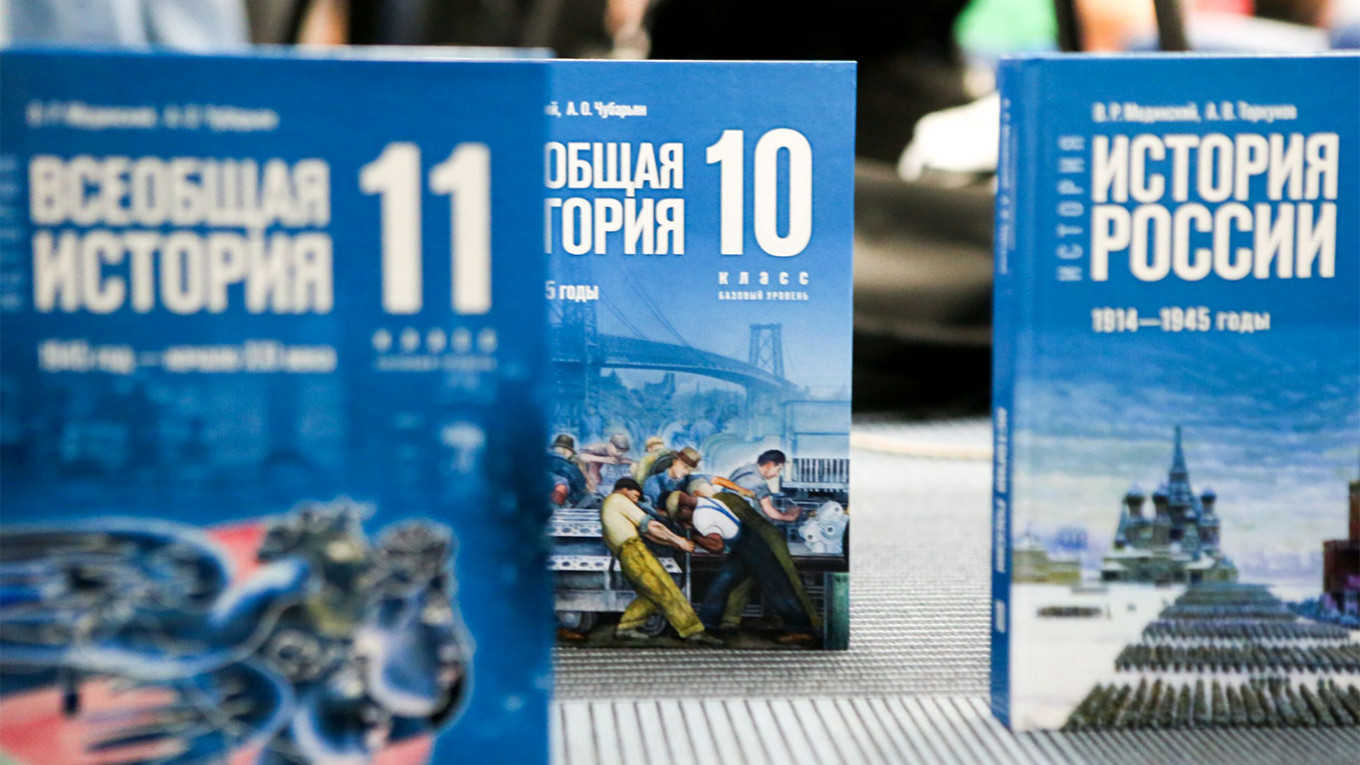
Education systems are powerful tools for shaping national identity and collective memory. Consequently, textbooks and school curricula are frequently targeted for revisionist history that aligns with the prevailing political ideology. This is a profound form of suppressed history, as it influences generations of citizens from a young age.
Propaganda and Media Manipulation
In the age of information, media plays a pivotal role in shaping public understanding of the past and present. Propaganda, whether overt or subtle, can be used to create historical cover-ups by disseminating false information, discrediting truth-tellers, or overwhelming the public with biased narratives.
These mechanisms demonstrate that the battle for historical truth is ongoing. It requires constant vigilance and a commitment to critical inquiry—especially for those dedicated to unmasking censored histories.
Unearthing Hidden Truths: Notable Historical Cover-Ups and Suppressed Narratives
The landscape of history is littered with examples of suppressed history and historical cover-ups. Examining these cases allows us to grasp the pervasive nature of these phenomena and the immense effort required to bring hidden truths to light. These are not isolated incidents; they represent systemic attempts to control the past.
The Tulsa Race Massacre of 1921: A Century of Silence
One of the most harrowing examples of suppressed history in American memory is the Tulsa Race Massacre. In May 1921, a prosperous African American community known as “Black Wall Street” in Greenwood, Tulsa, Oklahoma, was attacked by a white mob. Businesses and homes were looted and burned, and hundreds of residents were killed. For decades, this event was largely absent from history books, local records, and public discourse.
Operation Mockingbird and CIA Covert Operations: State Secrets Unveiled
The Cold War era saw numerous historical cover-ups orchestrated by intelligence agencies, particularly the CIA. Operations like MKUltra, a mind-control program involving human experimentation, and the allegations surrounding “Operation Mockingbird,” which reportedly involved the agency’s use of journalists for propaganda purposes, represent significant suppressed history.
Colonial Narratives and Indigenous Erasure: The Power of Revisionist History
Across the globe, the histories of colonization are rife with suppressed history and revisionist history. European powers often crafted narratives that justified their conquests, portraying Indigenous peoples as primitive or inferior and their cultures as backward. This historical cover-up served to legitimize brutal exploitation and dispossession.
These examples highlight a critical lesson: history is not static. It is a dynamic field of inquiry in which new evidence can constantly challenge established narratives. The pursuit of hidden truths is an ongoing ethical imperative.
The Role of Revisionist History: Legitimate Re-evaluation vs. Malicious Distortion
The term revisionist history often carries a negative connotation, conjuring images of denialism or propaganda. However, it’s crucial to distinguish between legitimate historical revisionism—the ongoing process of re-examining the past with new evidence or perspectives—and malicious revisionist history that seeks to distort or deny hidden truths for political gain.
Legitimate Historical Revisionism
Genuine historical revisionism is the engine of historical progress. As new documents are declassified, archaeological finds emerge, or previously marginalized voices gain prominence, historians must update our understanding of past events. This is a healthy and necessary part of the academic process.