
Challenging History: Unearthing Provocative and Controversial Archaeological Finds
From ancient mysteries that defy conventional timelines to artifacts that hint at forgotten civilizations, archaeology is a field constantly unearthing surprises. But what happens when a discovery doesn’t just add to our understanding, but fundamentally challenges it? This article delves into the most provocative and controversial archaeological finds—the “forbidden archaeology” that sparks heated debates, fuels conspiracy theories, and occasionally forces a complete re-evaluation of human history. Prepare to explore the fringes of discovery, where established narratives clash with intriguing anomalies and the very definition of “truth” is up for grabs.
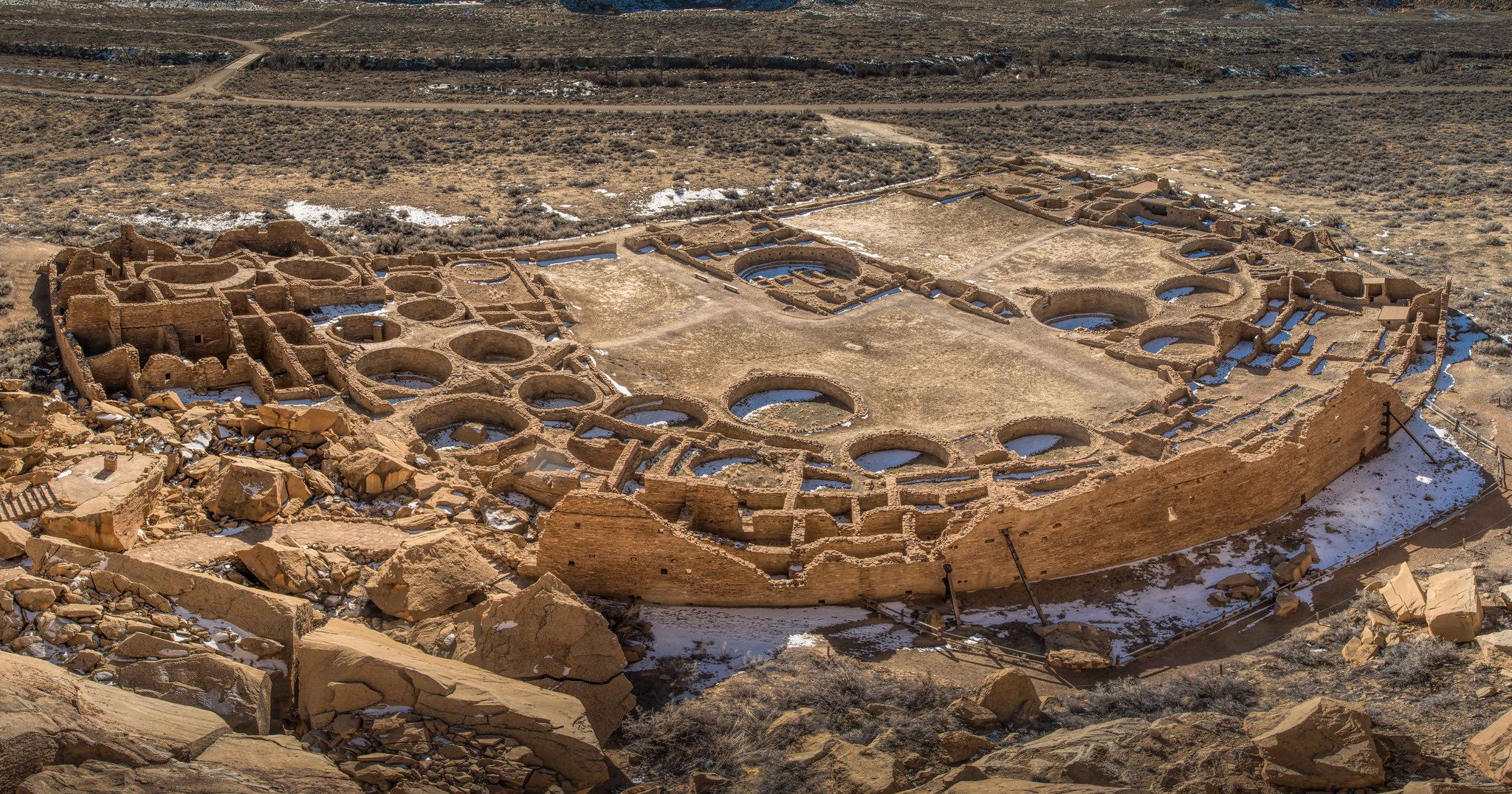
What Makes an Archaeological Find “Controversial”?
Archaeology, at its heart, is a methodical science. Researchers meticulously excavate, document, and analyze artifacts and sites to reconstruct the past. But sometimes, a discovery emerges that doesn’t fit neatly into the established chronological or technological framework. These are the finds that become controversial. They might be “out-of-place artifacts” (OOPArts) suggesting advanced knowledge far earlier than believed, or evidence hinting at civilizations that shouldn’t have existed according to mainstream history.
The controversy often stems from a tension between rigorous scientific methodology and the tantalizing possibility of a grander, more mysterious past. For history buffs and conspiracy theory enthusiasts alike, these finds represent a thrilling challenge to the status quo, prompting questions like: Are we missing crucial pieces of the puzzle? Or are some discoveries simply misinterpretations, hoaxes, or genuine anomalies that have yet to be fully understood? The debate is rarely quiet, and often, it’s exactly where the most fascinating questions about our origins lie.

Challenging the Timeline: Out-of-Place Artifacts (OOPArts)
Perhaps nothing stirs the imagination quite like an object that seems to belong to a different time altogether. These Out-of-Place Artifacts (OOPArts) are often at the heart of “forbidden archaeology,” suggesting a level of ancient technology or understanding that clashes with accepted historical narratives.

The Antikythera Mechanism: A Glimpse into Ancient Ingenuity
Discovered in a shipwreck off the Greek island of Antikythera in 1901, this corroded bronze device initially baffled researchers. It wasn’t until decades later, with the advent of X-ray tomography, that its true complexity was revealed. The Antikythera Mechanism is an intricate astronomical calculator, a clockwork marvel with dozens of gears that could predict solar and lunar eclipses, track planetary movements, and even calculate the dates of ancient Olympic Games.
Dating back to the 2nd century BCE, this device is startlingly sophisticated, far surpassing anything thought possible for its era. It’s not “forbidden” in the sense of being suppressed, but it certainly challenges our understanding of ancient Greek technological prowess, suggesting a level of mechanical engineering that wouldn’t be seen again until the medieval clockmakers of Europe. Its existence forces us to reconsider the intellectual capabilities of ancient civilizations and the potential for lost knowledge.

The Baghdad Battery: Ancient Power Source or Ritual Vessel?
Unearthed near Baghdad in 1936, the “Baghdad Battery” consists of a 5.5-inch clay jar containing a copper cylinder, which encloses an iron rod. When filled with an acidic electrolyte, some hypothesize it could have generated a small electrical current. If true, this 2,000-year-old artifact would predate Alessandro Volta’s battery by nearly two millennia.
The implications are profound: did ancient Parthians have a grasp of electrochemistry? While the idea of ancient batteries powering everything from electroplating to religious rituals is captivating, mainstream archaeological consensus remains divided. Many scholars suggest it was more likely used for storing sacred scrolls or as a ritual object, noting the absence of any other evidence of electrical technology in the region. Yet, the possibility continues to electrify the imaginations of those who believe in advanced ancient technologies.

The Ica Stones: Dinosaurs and Ancient Humans Coexisting?
Among the most sensational, and ultimately debunked, OOPArts are the Ica Stones from Peru. Thousands of these engraved andesite stones, purportedly discovered in a cave near Ica, depict scenes that challenge every aspect of conventional history. They show humans interacting with dinosaurs, performing advanced surgery, using telescopes, and even flying in what appear to be ancient aircraft.
For proponents of “forbidden archaeology,” these stones were proof of a lost civilization that coexisted with dinosaurs or possessed incredibly advanced knowledge. However, the stones have been widely exposed as a modern hoax. Their primary purveyor, Dr. Javier Cabrera Darquea, claimed to have collected them from local farmers, who later confessed to carving the stones themselves to sell to tourists. While the Ica Stones are a classic example of a “debunked theory,” their enduring appeal among some conspiracy enthusiasts highlights the desire to believe in a more complex, mysterious past.
The Acámbaro Figures: Dinosaurs in Mesoamerica?
Similar to the Ica Stones, the Acámbaro figures are a collection of thousands of small ceramic figurines discovered in Acámbaro, Mexico, starting in 1944. These figures depict a wide array of creatures, including what appear to be dinosaurs, alongside humans and various animals. Their discoverer, Waldemar Julsrud, claimed they were evidence of a culture that lived alongside dinosaurs.
Despite radiocarbon dating attempts that yielded conflicting results—some suggesting ancient origins, others modern—the scientific community largely considers the Acámbaro figures to be an elaborate hoax or modern folk art. The lack of proper archaeological context for their discovery, combined with stylistic inconsistencies and the sheer improbability of their claims, places them firmly in the realm of “debunked theories” for most scholars. Yet, for those who question official narratives, they remain a potent symbol of “suppressed history.”
Giants and Anomalous Human Remains: Reimagining Our Ancestors
The idea of ancient giants walking the Earth is a recurring theme in mythology and folklore across cultures. When archaeological finds seem to hint at such possibilities, the debate becomes particularly heated.
The “Giant Skeletons” Hoax: A Persistent Myth
Search online for “giant skeletons,” and you’ll find a plethora of images depicting enormous human remains being excavated. These images, often accompanied by sensational stories of archaeological cover-ups, fuel the narrative of a “suppressed history” where mainstream science hides evidence of giant humanoids.
However, virtually every single one of these images and stories has been thoroughly debunked. The photographs are almost universally digital manipulations (Photoshop hoaxes), and the accompanying narratives are fabricated. The myth of ancient giants, while captivating, is a prime example of how readily misinformation can spread and become ingrained in certain communities, despite overwhelming evidence to the contrary. It speaks to a deep human desire for a more awe-inspiring, mysterious past.
Elongated Skulls: Ancient Cranial Modification
While giant skeletons are largely hoaxes, some human remains do exhibit unusual characteristics. The elongated skulls found in various ancient cultures, particularly in Peru (Paracas skulls are famous examples) and parts of Africa, are a genuine archaeological phenomenon. These skulls are dramatically stretched and flattened, often appearing far larger than typical human skulls.
For some, these skulls are evidence of an unknown hominid species or even extraterrestrial intervention. However, scientific consensus points to cranial deformation, a widespread cultural practice where infants’ heads were intentionally bound and shaped over several years. This practice, often associated with social status or tribal identity, is well-documented ethnographically and archaeologically. While not “forbidden” or “suppressed,” the initial appearance of these skulls is certainly provocative and often misunderstood outside of academic circles.
Lost Civilizations and Advanced Ancient Knowledge
Some archaeological sites don’t just present an odd artifact; they challenge our entire understanding of when and where complex human societies first emerged.
Gobekli Tepe: Rewriting the Dawn of Civilization
Located in southeastern Turkey, Gobekli Tepe is a truly revolutionary site that has upended conventional archaeological timelines. Discovered in the mid-1990s, this complex of massive carved stone pillars, arranged in circular enclosures, dates back to around 9600 BCE—making it thousands of years older than Stonehenge and the earliest known megalithic structures.
What makes Gobekli Tepe so controversial is its age and sophistication. It predates settled agriculture, the invention of pottery, and even the widespread use of metal tools. The prevailing theory was that monumental architecture and complex social organization only arose after the development of agriculture allowed for sedentary lifestyles and surplus food. Gobekli Tepe suggests the opposite: that complex ritual centers may have preceded and even driven the shift to agriculture. While not “forbidden archaeology,” this site is a genuine game-changer, forcing archaeologists to rewrite textbooks on the origins of civilization.
The Yonaguni Monument: Natural Formation or Sunken City?
Off the coast of Yonaguni Island in Japan lies a massive underwater rock formation that has ignited fierce debate. Discovered in 1986, the Yonaguni Monument features flat terraces, right angles, and staircase-like structures that, to many, strongly resemble an artificial, man-made complex—a sunken city or monument. Some estimates place its submersion at around 10,000 years ago, pushing back the timeline for advanced civilizations in the region dramatically.
Mainstream geologists largely argue that the formations are natural, carved by seismic activity and erosion over millennia. They point to similar geological structures found elsewhere. However, proponents of the “man-made” theory highlight features like perfectly straight edges, carved steps, and even what appear to be animal carvings, arguing that natural processes alone cannot explain such regularity. The Yonaguni Monument remains a captivating enigma, a true archaeological Rorschach test where scientific interpretation battles with the allure of a lost ancient world.
The Bosnian Pyramids: Europe’s Oldest Megastructures?
In 2005, Semir Osmanagić, an amateur archaeologist, claimed that a cluster of hills near Visoko, Bosnia, were not natural formations but ancient pyramids, potentially thousands of years older than the Egyptian pyramids. He named them the “Pyramid of the Sun,” “Pyramid of the Moon,” and “Pyramid of the Dragon,” among others. Osmanagić and his team have conducted excavations, claiming to find paved terraces, geometrically cut blocks, and even “energy beams” emanating from the apex.
The “Bosnian Pyramids” are arguably one of the most controversial archaeological claims of the 21st century. The vast majority of professional archaeologists, geologists, and historians have vehemently rejected the claims, citing a complete lack of credible evidence for artificial construction. They contend that the “pyramids” are natural geological formations (flat-topped hills called “flatirons”), and the “paved terraces” are natural rock fractures or modern infill. Despite widespread scientific debunking, the site continues to attract tourists and volunteers, fueled by the narrative of “suppressed history” and the desire for a grander, hidden past in Europe. This makes it a perfect example of a widely “debunked theory” that still holds sway with a specific audience.
Suppressed History: The Conspiracy Angle
Why do these controversial discoveries and “forbidden archaeology” narratives resonate so deeply, even when debunked by mainstream science? Part of the appeal lies in the idea of “suppressed history”—the notion that an elite group of academics or institutions is actively hiding the truth about our past.
This perspective suggests that official archaeology is too rigid, too invested in its existing paradigms, to accept evidence that challenges its foundations. It posits that discoveries hinting at advanced ancient civilizations, extraterrestrial contact, or forgotten knowledge are deliberately ignored, ridiculed, or even confiscated to maintain a controlled narrative. While this view often lacks concrete evidence of actual suppression, it taps into a broader distrust of authority and a romanticized vision of a more mysterious, powerful ancestry.
The reality is often far less dramatic. Scientific consensus is built on rigorous peer review, repeatable evidence, and a cautious approach to claims that lack corroboration. When a discovery is dismissed, it’s usually not because it’s being “suppressed,” but because it fails to meet the stringent evidentiary standards of the scientific method. However, for those who prefer the thrill of the unknown and the allure of a hidden truth, the idea of a “suppressed history” offers a compelling alternative to what they perceive as dry, conventional explanations.
The Fine Line Between Provocation and Pseudoscience
Navigating the world of controversial archaeological finds requires a discerning eye. It’s a fascinating space where genuine anomalies push the boundaries of knowledge, but also where outright hoaxes and pseudoscientific interpretations can flourish.
How can we tell the difference?
- Evidence vs. Anecdote: Legitimate archaeological claims are built on quantifiable data, peer-reviewed studies, and verifiable context. Pseudoscientific claims often rely on personal belief, anecdotal evidence, or selective interpretation.
- Openness to Scrutiny: True scientific inquiry welcomes debate and challenges, allowing for replication and independent verification. Claims of “suppressed history” often resist scrutiny, framing criticism as part of the “suppression” itself.
- Consistency: Does the find fit within a broader, coherent understanding of the past, even if it pushes boundaries? Or does it stand alone, requiring an entirely new, unproven framework to explain it?
- Funding and Motives: While not always definitive, consider the source. Is research funded through legitimate academic grants, or is it heavily reliant on sensationalism, book sales, or tourism?
- Exploring Ancient Technologies: Beyond the Pyramids and Roman Roads (Anchor Text: “ancient technologies”)
- The Allure of Lost Civilizations: Myth, Legend, and Archaeological Fact (Anchor Text: “lost civilizations”)
- Decoding Megalithic Structures: The Secrets of Ancient Stone Builders (Anchor Text: “megalithic structures”)
- The Antikythera Mechanism Research Project (Anchor Text: “Antikythera Mechanism”)
- National Geographic: Gobekli Tepe (Anchor Text: “Gobekli Tepe”)
- A close-up of the intricate gears of the Antikythera Mechanism.
- Illustration depicting the supposed internal structure of the Baghdad Battery.
- A selection of Ica Stones showing engraved images of humans and dinosaurs.
- Workers excavating one of the circular enclosures at Gobekli Tepe.
- Underwater photograph of the Yonaguni Monument showing its geometric formations.
- Panoramic view of the “Pyramid of the Sun” hill in Visoko, Bosnia.
- Article Schema: This article would benefit from standard
Articleschema, including headline, author, publish date, and image. - FAQ Schema: An optional FAQ section could be added at the end, addressing common questions like “What is an OOPArt?” or “Are the Bosnian Pyramids real?” if the article were expanded with direct Q&A.
- HowTo Schema: Not applicable for this content.
The pursuit of understanding our past is a dynamic and thrilling endeavor. Sometimes, the most provocative finds genuinely force us to rethink everything we thought we knew, like Gobekli Tepe. Other times, the allure of a “forbidden archaeology” can lead us down paths paved with hoaxes and wishful thinking. The challenge, and the excitement, lies in critically evaluating each claim, separating the truly mysterious from the merely fabricated, and always keeping an open mind, tempered by a healthy dose of skepticism.
In the end, whether it’s a genuine enigma like the Antikythera Mechanism or a widely “debunked theory” like the Ica Stones, these controversial discoveries continue to fuel our collective imagination. They remind us that history is not a static narrative, but an ongoing investigation, full of twists, turns, and endless possibilities.
Join the debate in our community forum!
Did these finds challenge your view of history? Do you believe in “suppressed history” or that mainstream archaeology is too rigid? Share your thoughts, theories, and any other provocative archaeological finds you’ve encountered with fellow history buffs and conspiracy theory enthusiasts. Let’s unearth the truth together!
*
Suggested Internal Links:
Suggested External Links:
Suggested Image Alt Text:
Schema Markup Notes: