
Challenging History: Unearthing Archaeology’s Most Provocative and Controversial Finds
History, as we know it, is often a neatly packaged narrative, meticulously constructed from accepted archaeological evidence and historical texts. But what happens when a shovel hits something that simply doesn’t fit the established timeline? What if an artifact appears thousands of years too early, or a structure defies the known engineering capabilities of its era? This is where the thrilling, often contentious world of “forbidden archaeology” begins, pushing the boundaries of what we thought possible.
Archaeological finds frequently challenge established timelines and human capabilities, sparking intense debates between mainstream science and those who champion alternative interpretations. These controversial discoveries compel us to question everything we thought we knew, inviting speculation about advanced ancient civilizations, forgotten technologies, and even suppressed knowledge. For history buffs and conspiracy enthusiasts alike, these anomalies are not just curiosities; they are potential keys to rewriting the entire human story.
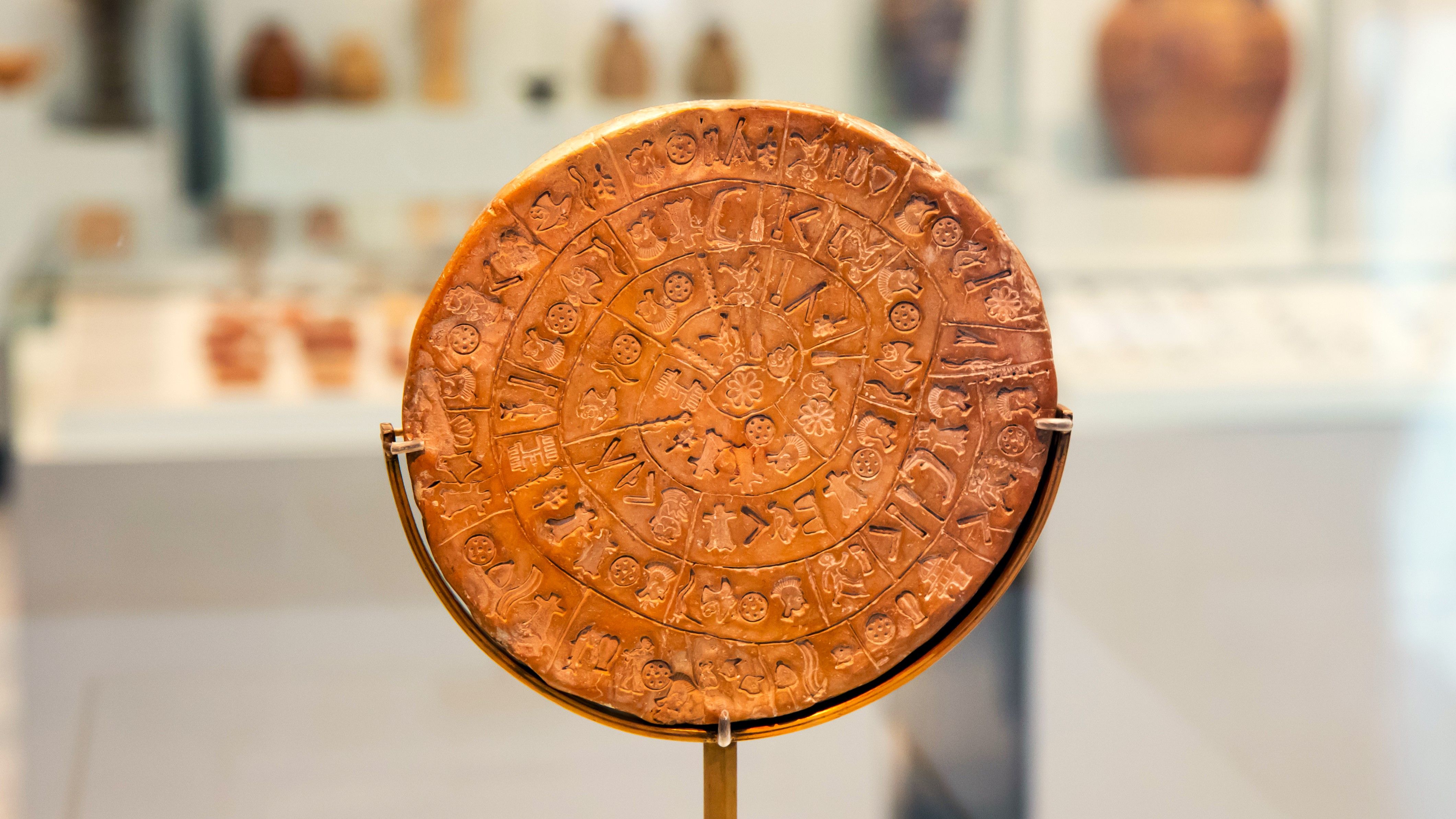
Out-of-Place Artifacts (OOPArts): Echoes from Impossible Eras
Imagine finding a smartphone in a Roman ruin, or a jet engine in an ancient Egyptian tomb. That’s the essence of an Out-of-Place Artifact, or OOPArt—an object found in a context that utterly defies its presumed technological or historical period. These anomalies are the bread and butter of controversial archaeology, serving as tantalizing glimpses into a past far more complex than mainstream narratives suggest.

The Antikythera Mechanism: A Clockwork Universe from Ancient Greece
Discovered in a shipwreck off the coast of Greece in 1901, the Antikythera Mechanism is arguably the most famous OOPArt. Dating back to the 1st century BCE, this intricate bronze device, recovered in fragments, was initially baffling. Further study revealed it to be a sophisticated astronomical calculator, capable of predicting solar and lunar eclipses, tracking planetary movements, and even calculating Olympic cycles.
Its complexity is staggering, featuring dozens of precisely cut gears, differential gearing, and an accuracy that rivals 19th-century clockwork. For centuries, historians believed such intricate mechanisms were impossible before the Middle Ages. The Antikythera Mechanism not only challenges this assumption but forces us to reconsider the technological prowess of the ancient Greeks. Was it a unique masterpiece, or a surviving example of a lost tradition of high-tech engineering? The debate continues to captivate researchers and enthusiasts alike, hinting at a forgotten chapter of scientific advancement.

The Baghdad Battery: Ancient Power Source or Ritual Object?
In 1938, German archaeologist Wilhelm König discovered a curious artifact in the basement of the National Museum of Iraq: a small clay jar containing a copper cylinder, an iron rod, and traces of asphalt. Dating to the Parthian era (roughly 250 BCE to 224 CE), this assembly bore an uncanny resemblance to a galvanic cell. König proposed that it was an ancient battery, capable of generating a small electrical current.
The implications are electrifying: did ancient peoples harness electricity? If so, for what purpose? Some speculate it could have been used for electroplating jewelry, mild medical treatments, or even religious rituals involving static shocks. Mainstream archaeologists often counter that the “battery” might have been a storage vessel for scrolls, or part of a ritualistic apparatus with no electrical function. Yet the possibility that our ancestors possessed a rudimentary understanding of electricity thousands of years before Volta’s pile remains a provocative thought, challenging our understanding of ancient technology.
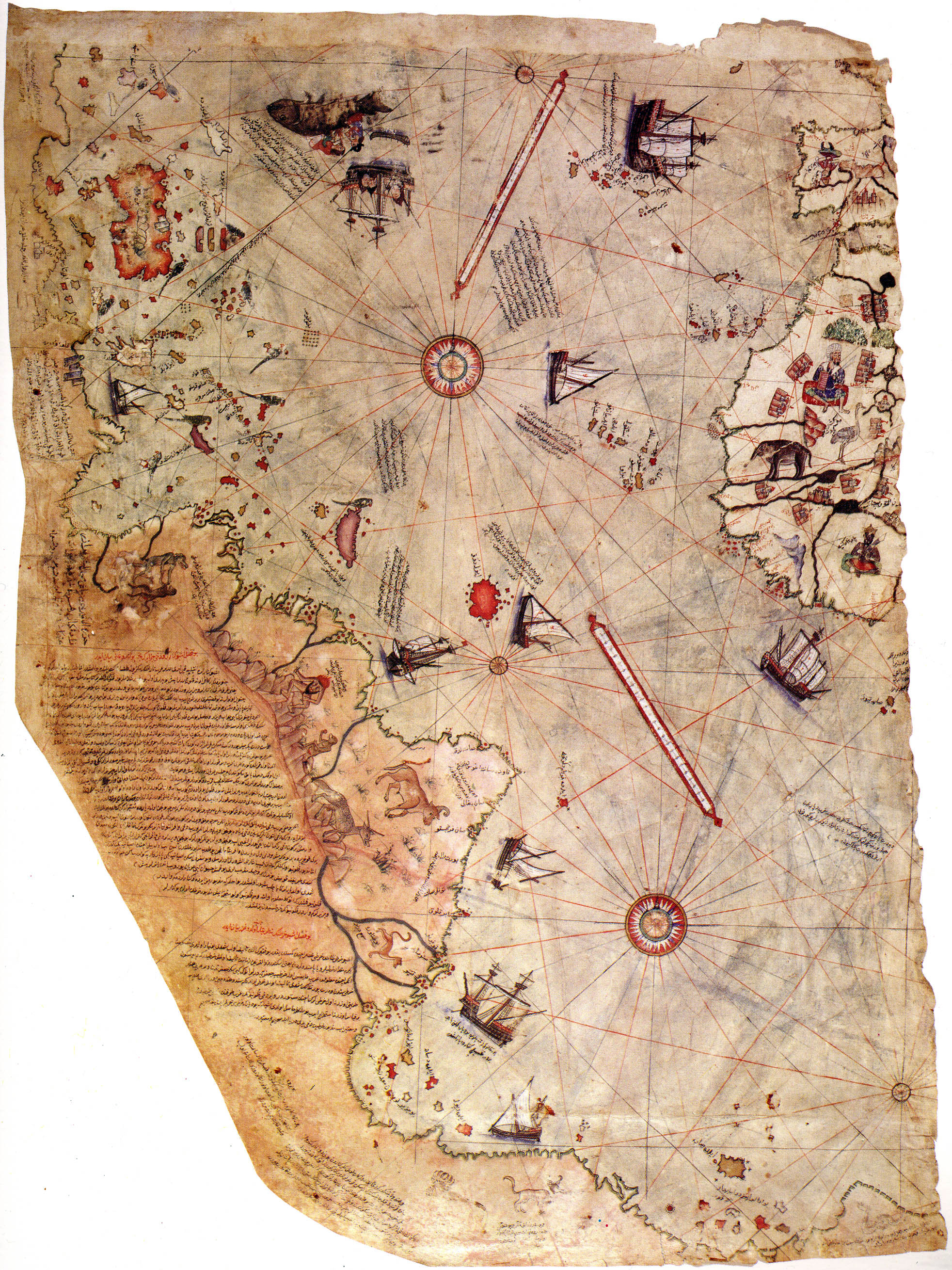
The Piri Reis Map: A Glimpse of Antarctica Before Discovery?
The Piri Reis Map, compiled by the Ottoman admiral Piri Reis in 1513, is a remarkable document. What makes it controversial is its astonishing accuracy, particularly in its depiction of the coastlines of West Africa, South America, and—most astonishingly to some—what appears to be the coastline of Antarctica, free of ice. Antarctica wasn’t officially “discovered” until 1820, and its sub-glacial topography wasn’t fully mapped until the 20th century.
How could a 16th-century mapmaker possess such knowledge? Proponents of “forbidden archaeology” suggest it points to a lost ancient civilization with advanced cartographic skills, perhaps even mapping the world before the last ice age, when Antarctica’s coasts were indeed ice-free. Mainstream scholars typically argue that the “Antarctic” portion is either a speculative landmass, a misinterpretation of South America’s coast, or a compilation of various, sometimes inaccurate, existing maps. Regardless, the Piri Reis Map remains a potent symbol of potential suppressed history and forgotten knowledge.

Monumental Mysteries: Structures That Defy Explanation
Beyond portable artifacts, some of the most profound challenges to conventional history come in the form of colossal structures. These ancient edifices are so grand, so precisely engineered, or so unexpectedly old that they force us to question the capabilities and timelines we assign to ancient civilizations.
Göbekli Tepe: Rewriting the Dawn of Civilization
Tucked away in southeastern Turkey, Göbekli Tepe is a site that has single-handedly upended our understanding of early human history. Discovered in the mid-1990s and dating back to approximately 9600 BCE, this sprawling complex of massive, intricately carved stone pillars predates Stonehenge by 6,000 years and the invention of pottery, writing, and even agriculture by millennia.
The implications are staggering: these monumental structures were built by hunter-gatherers. Conventional wisdom held that settled life, agriculture, and complex social organization were prerequisites for such massive undertakings. Göbekli Tepe suggests the opposite: perhaps the desire to build and congregate for ritualistic purposes led to the development of agriculture and permanent settlements. It challenges the linear progression of human civilization, hinting at a level of sophisticated social organization among pre-agricultural societies that we are only just beginning to comprehend. It’s a true game-changer, forcing historians to re-evaluate the very foundations of civilization.
The Yonaguni Monument: Japan’s Submerged Enigma
Off the coast of Yonaguni Island in Japan lies a mysterious underwater rock formation that has sparked intense debate since its discovery in the mid-1980s. Featuring massive, geometric structures with straight edges, right angles, terraces, and what appear to be carved steps, the Yonaguni Monument looks strikingly like a submerged ancient city or pyramid.
Its proponents argue that these features are too regular and too precise to be purely natural geological formations. They suggest it is a man-made structure, possibly from a lost civilization that was submerged by rising sea levels at the end of the last ice age, perhaps 10,000 years ago. Geologists, however, largely contend that the monument is a natural phenomenon, shaped by tectonic activity, erosion, and currents acting on sandstone. While the scientific consensus leans toward natural formation, the uncanny regularity of its features continues to fuel speculation and inspire divers to explore its enigmatic depths, keeping the controversy very much alive.
Anomalous Human Origins: Challenging the Evolutionary Narrative
The story of human evolution is often presented as a clear, albeit complex, lineage. However, certain archaeological and anthropological finds have emerged that complicate this narrative, pushing back timelines or suggesting alternative paths for human development, challenging our understanding of when and where humanity truly emerged.
“Footprints in Time”: When Did Humans Really Emerge?
The Laetoli footprints, discovered in Tanzania in 1978, are a celebrated example of early hominin activity. Dated to 3.6 million years ago, these remarkably preserved footprints of Australopithecus afarensis provide irrefutable evidence of bipedal locomotion far earlier than once thought. While now accepted, their initial discovery was a significant challenge to evolutionary models.
However, the realm of “forbidden archaeology” often pushes these boundaries much further. Throughout history, there have been claims of human or human-like footprints found in much older geological strata—sometimes even alongside dinosaur tracks. While many of these have been debunked as misidentified animal tracks, natural erosion, or outright hoaxes (like some of the infamous “giant skeleton” claims), the persistent search for anomalies reflects a deep human curiosity: what if intelligent hominids existed far, far earlier than currently accepted? What if our evolutionary tree is much bushier, or even entirely different, than the one currently taught? These questions, though often leading to debunked theories, fuel the provocative side of archaeological inquiry.
Pre-Columbian Transoceanic Contact: Beyond Columbus
The traditional narrative of the Americas holds that Christopher Columbus “discovered” the New World in 1492, initiating sustained contact with Europe. Yet archaeological evidence continues to surface that challenges this isolationist view, suggesting various forms of transoceanic contact long before Columbus.
The most widely accepted example is the Norse settlement at L’Anse aux Meadows in Newfoundland, Canada, dating to around 1000 CE. This site, now a UNESCO World Heritage site, definitively proves that Vikings reached North America centuries before Columbus. Beyond the Norse, more controversial claims abound: the discovery of cocaine and nicotine traces in ancient Egyptian mummies, potentially suggesting contact with the Americas; Olmec colossal heads with features some interpret as African, sparking theories of ancient African voyages; and debated finds of Roman, Phoenician, or even Chinese artifacts in the Americas.
While mainstream archaeology often explains these anomalies as incidental drift voyages, hoaxes, or misinterpretations, the cumulative weight of such evidence keeps the debate alive. The idea that multiple ancient cultures might have crossed vast oceans, exchanging goods, ideas, and even genetics, fundamentally reshapes our understanding of global history and the interconnectedness of ancient civilizations.
The Lure of Suppressed History: Why These Theories Persist
The human mind is drawn to mystery, and the idea of a hidden past, of knowledge lost or deliberately concealed, holds a powerful allure. This fascination is precisely why “forbidden archaeology” and “suppressed history” theories resonate so deeply with history buffs and conspiracy enthusiasts alike. They offer an alternative narrative, a sense that there’s more to the story than what the textbooks tell us.
The Allure of the Unknown and the Power of Narrative
At its core, the appeal of controversial archaeology lies in its ability to challenge authority and spark the imagination. The thought that ancient peoples might have possessed technologies or knowledge far beyond what we credit them with is inherently exciting. It suggests a more complex, perhaps even more advanced, past, which can be both humbling and inspiring. Such narratives often tap into a desire for a grander, more mysterious human story, one where our ancestors were not just struggling primitives but sophisticated innovators. This sense of wonder, combined with a healthy skepticism toward established dogma, fuels the continuous search for evidence that could truly rewrite history.
Debunked Theories and the Scientific Process
It’s crucial to acknowledge that many “forbidden” finds and controversial theories are eventually explained by mainstream science, or proven to be misinterpretations, hoaxes, or simply products of poor scholarship. The scientific process is, by its very nature, one of constant questioning, testing, and refinement. When an anomaly is discovered, it sparks intense scrutiny. If it withstands rigorous scientific analysis, it can indeed lead to paradigm shifts, as seen with Göbekli Tepe.
However, many alleged OOPArts or anomalous structures ultimately fall short under closer examination. The “Coso Artifact,” claimed to be a spark plug encased in a 500,000-year-old geode, was later identified by geologists as a 1920s spark plug encased in rapidly forming iron oxide concretions. The “Acámbaro Figures,” thousands of ceramic dinosaur figurines found in Mexico, were eventually dismissed as a modern artistic hoax.
Yet even debunked theories play a role. They highlight the dynamic nature of archaeology and the scientific method itself. The initial challenge, the debate, and the eventual resolution (or lack thereof) are all part of the ongoing quest for truth, demonstrating that history is not a static set of facts but a living, evolving narrative.
The Unending Quest for Truth
The past is not a neatly sealed book; it’s a vast, complex tapestry, constantly being re-woven with every new discovery and every re-examination of existing evidence. The debate between mainstream archaeological interpretations and the proponents of “forbidden archaeology” is not just about specific artifacts or sites; it’s about the very nature of truth, the limits of human achievement, and the stories we choose to tell ourselves about where we come from.
Whether you lean toward established scientific consensus or find yourself captivated by the tantalizing possibilities of suppressed history, one thing is certain: the most exciting discoveries might still be buried, waiting for a curious mind and a careful shovel to unearth them. True history is often stranger than fiction, and the quest to understand our ancient past is an unending adventure.
Join the debate in our community forum and share your thoughts on these challenging archaeological finds. What do you believe?