Unmasking Censored Histories: Illuminating Hidden Truths and Challenging Cover-Ups
History, often presented as a fixed narrative, is in reality a dynamic and contested field. Beneath the polished surface of official accounts lies a vast, intricate web of suppressed history, hidden truths, and deliberate cover-ups. For historians and truth-seekers alike, the journey to unmask these obscured realities is not merely an academic exercise; it is a crucial quest to understand our past more fully, to learn from its complexities, and to prevent the perpetuation of injustice. This article examines the mechanisms of historical suppression, explores compelling case studies, and considers why the diligent pursuit of hidden narratives is more vital than ever.
The Nature of Suppressed History: Why Truths Get Buried
Why would anyone want to bury historical truths? The reasons are as varied as human motivation itself, but they often coalesce around power, ideology, and convenience. Governments, institutions, and influential individuals frequently find it advantageous to control the historical narrative. Such control can legitimize authority, bolster national pride, silence dissent, or protect reputations and economic interests.
A nation built on a myth of unwavering moral rectitude may find it inconvenient to acknowledge past atrocities. A ruling party may erase the contributions of its predecessors to consolidate its own legacy. Corporations may suppress information about environmental damage or labor exploitation. In essence, history becomes a tool—a malleable resource shaped and presented to benefit those in power rather than a neutral record of events. This deliberate manipulation can lead to significant portions of our collective past being omitted, subtly distorted, or actively denied, leaving gaping holes in our understanding.
Mechanisms of Suppression: How History Is Rewritten or Erased
The suppression of history is not always a dramatic, cloak-and-dagger affair. More often, it is a sophisticated, multi-pronged effort that unfolds over time, making it particularly insidious. Understanding these mechanisms is the first step toward recognizing when history is being manipulated.
One of the most straightforward methods is deliberate omission. This involves leaving inconvenient facts, individuals, or entire events out of official records, textbooks, and public discourse. If something is not taught, discussed, or documented, it slowly fades from collective memory, as if it never happened.
Far more destructive is the destruction of evidence. This can range from burning documents and erasing records to demolishing historical sites or artifacts that contradict an official narrative. Consider the meticulous destruction of archives related to a controversial political purge, or the bulldozing of a neighborhood that once stood as a testament to racial violence. Such actions aim to remove tangible proof, making it harder for future generations to reconstruct the truth.
Propaganda and misinformation are active forms of suppression. Instead of merely omitting, this involves promoting false narratives, twisting facts, or demonizing dissenting voices. State-controlled media, educational systems, and cultural institutions can be leveraged to disseminate a version of history that aligns with an agenda, effectively drowning out alternative perspectives. This is not just about what is not said, but what is actively asserted, often with great conviction.
The control of education is a particularly potent tool. By dictating what is taught in schools and universities, governments and powerful groups can shape the historical understanding of entire generations. Textbooks become battlegrounds where narratives are fought over, revised, and sometimes sanitized to remove anything deemed controversial or unpatriotic. This creates a foundational historical understanding that is often difficult to challenge later in life.
Finally, the silencing of dissenters is a brutal but effective tactic. Historians, journalists, whistleblowers, or ordinary citizens who attempt to bring hidden truths to light can face persecution, imprisonment, professional ruin, or worse. This creates a climate of fear that discourages independent inquiry and critical thought, further entrenching the official narrative. Through these combined efforts, a distorted or incomplete version of history can become widely accepted, making the work of truth-seekers all the more challenging and essential.

Case Studies in Historical Cover-Ups and Hidden Truths
To truly grasp the impact of suppressed history, it is vital to examine concrete examples. These are not obscure footnotes; they are pivotal moments where the truth was deliberately obscured, often with profound and long-lasting consequences.

The Tulsa Race Massacre (1921): A Century of Silence
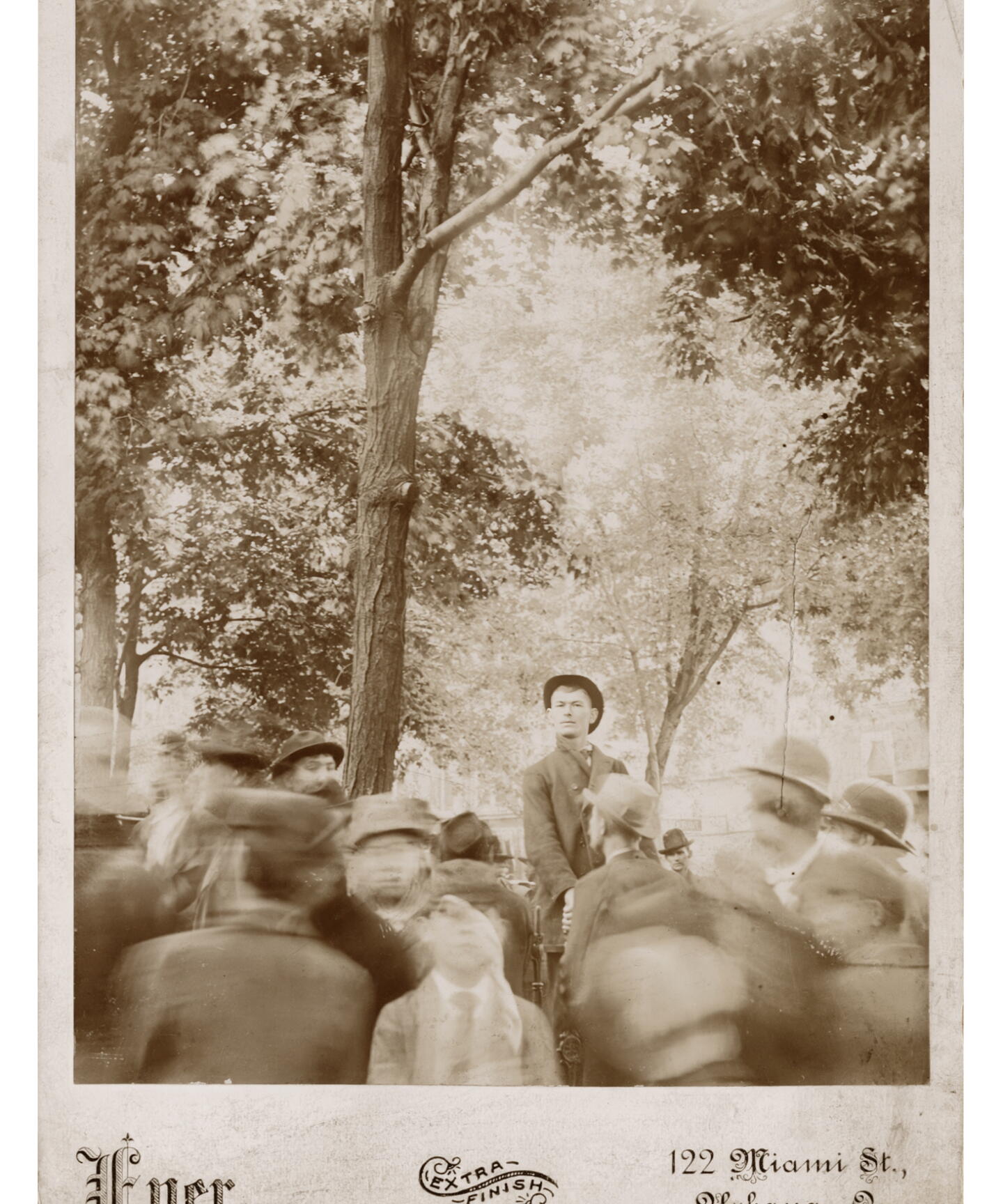
In May and June of 1921, the prosperous Black community of Greenwood in Tulsa, Oklahoma—known as “Black Wall Street”—was brutally attacked by a white mob. What began with an accusation against a Black man escalated into one of the worst acts of racial violence in American history. White residents, some deputized and armed by city officials, looted and burned Greenwood to the ground, killing hundreds of Black citizens and displacing thousands.
What followed was a deliberate and systematic cover-up. Local newspapers largely omitted the white mob’s culpability or downplayed the destruction. Official reports were altered, and many records were destroyed or “lost.” For decades, the event was virtually erased from Oklahoma’s history books and public memory. Survivors and their descendants faced not only the trauma of the massacre but also the indignity of its denial. It was not until the late 1990s and early 2000s, driven by the persistent efforts of survivors, historians, and local activists, that the full scale of the tragedy began to receive widespread recognition. The story of Tulsa highlights how a powerful community could be destroyed, and its memory almost entirely suppressed, to maintain a narrative of racial order and white supremacy.
Operation Mockingbird (CIA): Shaping Public Perception
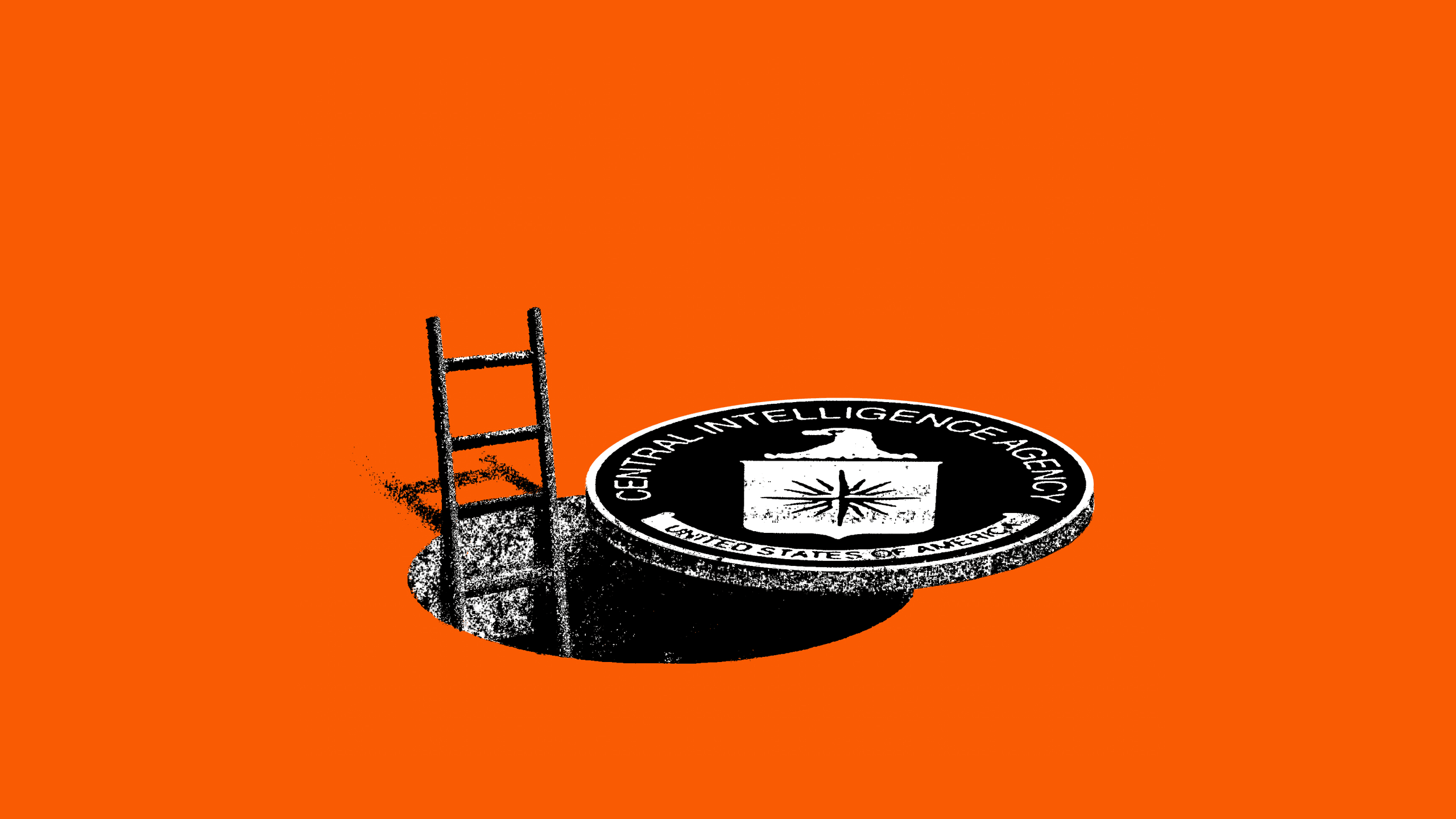
While not a direct cover-up of a specific event, Operation Mockingbird represents a historical cover-up of a different kind: the manipulation of information itself. Allegations later examined in part by the Church Committee investigations in the 1970s suggested that the CIA had secretly funded and utilized journalists, media organizations, and cultural groups during the Cold War to disseminate propaganda and influence public opinion, both domestically and internationally.
The true extent of the operation remains debated, but evidence suggests that the CIA cultivated relationships with prominent figures in the media, using them to plant stories, spread disinformation, and shape narratives favorable to U.S. foreign policy objectives. This covert influence meant that much of the news and cultural content consumed by the public was not entirely independent, but subtly guided by intelligence agencies. The cover-up here was the deception itself—the hidden hand behind what appeared to be objective reporting, leading to a distorted public understanding of global events and domestic policies. The implications for trust in media and the integrity of public discourse are profound.
The My Lai Massacre (Vietnam War): Whistleblowers and Public Exposure
The My Lai Massacre, which occurred on March 16, 1968, saw American soldiers murder hundreds of unarmed Vietnamese civilians—women, children, and elderly men—in the hamlet of My Lai. The initial response from the U.S. military was a concerted effort to cover up the atrocity. Senior officers suppressed reports, destroyed evidence, and actively discouraged soldiers from speaking out.
For over a year, the massacre remained largely hidden. However, the persistent efforts of a few brave individuals, most notably soldier Ron Ridenhour, who wrote letters to members of Congress and the Pentagon detailing what he had heard, eventually broke the silence. Investigative journalist Seymour Hersh picked up the story, and his reporting, published in late 1969, exposed the full horror of My Lai to the world. The subsequent public outcry and court-martial proceedings shattered the military’s carefully constructed narrative of the war and deeply impacted American public opinion. My Lai stands as a powerful testament to the fact that even the most determined cover-ups can be unmasked by the courage of whistleblowers and the tenacity of independent journalism.
The Holodomor (Ukrainian Famine, 1932–1933): A Deliberate Act of Starvation
The Holodomor, meaning “to kill by starvation,” was a man-made famine engineered by the Soviet regime under Joseph Stalin that devastated Soviet Ukraine. Millions of Ukrainians perished as a result of forced collectivization, grain requisitions, and artificial famine policies designed to crush Ukrainian nationalism and resistance to Soviet rule. Estimates of the death toll range from 3.5 to 7 million people.
For decades, the Soviet Union vehemently denied the famine, suppressing all information and punishing anyone who spoke of it. Diaries, letters, and any evidence of the catastrophe were confiscated or destroyed. Historians and journalists outside the Soviet Union who attempted to expose the truth were often dismissed as propagandists. It was not until the collapse of the Soviet Union in 1991 that the full extent of the Holodomor could be openly investigated and acknowledged. Today, it is recognized by many nations as an act of genocide. The long and painful journey to uncover the truth of the Holodomor underscores how ideological regimes can systematically erase a horrific chapter of their own history, only for the truth to eventually emerge from the shadows.
The Comfort Women of WWII: A Battle for Recognition
During World War II, hundreds of thousands of women and girls, primarily from Korea, China, and other occupied territories, were forcibly recruited into sexual slavery by the Imperial Japanese Army. These women, euphemistically called “comfort women,” endured unimaginable brutality in military brothels.
After the war, the Japanese government largely denied or downplayed its role in this system, and the issue remained a deeply buried secret for decades. Many survivors, out of shame and trauma, remained silent. It was not until the early 1990s, when elderly Korean women began to publicly share their testimonies, that the scale of the atrocity gained international attention. Despite overwhelming historical evidence and survivor testimonies, the Japanese government has consistently resisted full acknowledgement, apologies, and reparations, often attempting to rewrite or minimize this dark chapter of its wartime history. The ongoing struggle for the comfort women to receive justice and recognition illustrates how national pride and political expediency can lead to prolonged historical cover-ups, forcing victims and their advocates into a decades-long battle for the truth.
The Impact of Suppressed History: Why Unmasking Matters
The consequences of suppressing history extend far beyond academic curiosity; they ripple through societies, distorting national identities, perpetuating injustices, and hindering genuine progress.
One of the most immediate impacts is a distorted understanding of the past. If we do not know what truly happened, we cannot accurately analyze the causes and effects of historical events. This prevents us from learning critical lessons and makes us vulnerable to repeating past mistakes. How can we address systemic issues like racial inequality or political corruption if their historical roots are deliberately obscured?
Furthermore, suppressed history often leads to the perpetuation of injustice. When atrocities or human rights abuses are denied, victims are denied recognition, validation, and often reparations. Their suffering is erased, and perpetrators are never held fully accountable. This lack of justice can fester for generations, creating deep societal wounds that impede reconciliation and healing. Consider the descendants of the Tulsa Massacre survivors, who for so long lived with the official silence surrounding their ancestors’ trauma.
The systematic denial of historical facts also leads to a profound erosion of trust in institutions, governments, and even the media. When people discover that official narratives have been manipulated, it breeds cynicism and makes it harder to believe future pronouncements, undermining the very foundations of civil society. This distrust can make it difficult for societies to unite around common goals or address shared challenges.
Ultimately, suppressing history is a threat to democracy and informed citizenship. A healthy democracy relies on an educated populace capable of critical thought and independent judgment. If citizens are fed a sanitized or false version of their history, they cannot make informed decisions about their present or future. Unmasking these hidden truths is not just about correcting the record; it is about empowering individuals and societies to grapple with their complex past honestly, paving the way for a more just and truthful future.
The Role of Revisionist History: Challenging Established Narratives
The term “revisionist history” sometimes carries a negative connotation, conjuring images of denialists or those seeking to whitewash uncomfortable truths. However, in its purest and most valuable form, revisionist history is a cornerstone of robust historical inquiry. It is the essential process by which historians re-examine established narratives, challenge long-held assumptions, and reinterpret events based on new evidence, fresh perspectives, or evolving methodologies.
Genuine revisionist history is not about fabricating facts or pushing a political agenda. Instead, it is about pushing the boundaries of our understanding. It asks critical questions: Were certain voices excluded from the original account? Has new archaeological evidence come to light? Do contemporary ethical frameworks demand a re-evaluation of past actions? For example, the re-examination of colonial histories from the perspective of colonized peoples is a vital form of revisionism that significantly enriches our understanding of global power dynamics and their human cost.
This process is crucial for unmasking suppressed histories. Often, hidden truths come to light precisely because a new generation of scholars, unburdened by old biases or political pressures, dares to look at familiar events through a different lens. Of course, this process is not without its challenges. Revisionist historians often face resistance from those invested in the established narrative, sometimes being accused of disrespecting tradition or even outright denialism. However, the academic rigor, commitment to evidence, and open peer review within the historical community serve as crucial safeguards against illegitimate distortions. The constant, critical re-evaluation of history is not a weakness, but a strength, ensuring that our understanding of the past remains dynamic, comprehensive, and as truthful as possible.
Tools and Strategies for Unmasking Hidden Truths
For those committed to illuminating suppressed histories, a range of tools and strategies are available. The work requires diligence, skepticism, and a willingness to dig deep.
Archival research remains paramount. This involves sifting through declassified government documents, private collections, church records, court transcripts, and organizational archives. Often, the most revealing details are hidden in plain sight within these vast repositories, waiting for a keen eye to connect the dots. The declassification of intelligence files, for instance, has been instrumental in uncovering state-sponsored cover-ups.
Oral histories provide invaluable insights, especially for events where official records are sparse or biased. Giving voice to marginalized communities, survivors, and witnesses who were previously ignored allows for the collection of personal testimonies that can challenge official narratives and fill crucial gaps in our understanding. The stories of comfort women survivors or Holocaust witnesses are powerful examples of how oral histories can reshape historical consciousness.
Investigative journalism often works hand-in-hand with historical research. Independent journalists, driven by a commitment to truth, can expose contemporary cover-ups and bring suppressed historical events back into the public eye, often leading to official re-investigations. The My Lai Massacre was famously brought to light by investigative reporting.
Forensic archaeology and anthropology can uncover physical evidence of past events, particularly mass graves, destroyed settlements, or other sites of violence. This tangible evidence can corroborate oral accounts or contradict official denials, providing irrefutable proof of historical atrocities.
Finally, cross-referencing sources and interdisciplinary approaches are critical. By comparing multiple accounts, official records against private diaries, or government reports against journalistic investigations, inconsistencies and omissions become apparent. Combining historical inquiry with insights from sociology, anthropology, psychology, and even environmental science can offer a more holistic and nuanced understanding of complex historical events and the motivations behind their suppression. The digital humanities, using advanced computational tools to analyze vast datasets, also promises new avenues for uncovering patterns and connections previously invisible.
The Ethical Imperative: Responsibility in Historical Inquiry
Unmasking censored histories is not just an intellectual pursuit; it carries a profound ethical responsibility. Historians and truth-seekers are entrusted with the delicate task of reconstructing the past, often dealing with traumatic events and sensitive information. This demands an unwavering commitment to accuracy, integrity, and empathy.
The primary ethical imperative is the pursuit of truth, grounded in rigorous evidence and sound methodology. This means critically evaluating all sources, acknowledging biases—both one’s own and those inherent in the historical record—and avoiding speculation where evidence is lacking. The goal is to illuminate, not to fabricate or sensationalize.
Moreover, there is a responsibility to the subjects of history, especially the victims of suppression. Presenting their stories with dignity and respect, ensuring their voices are heard authentically, and advocating for justice are crucial aspects of this work. This means being mindful of the potential for re-traumatization when engaging with survivors or their descendants and ensuring that the pursuit of truth does not inadvertently cause further harm.
Finally, those who unmask hidden truths have a responsibility to communicate their findings clearly and responsibly to a broader audience. History is not static; it is a continuous conversation. By engaging in open dialogue, encouraging critical thinking, and providing access to well-researched information, we empower others to become active participants in the ongoing quest for a more complete and honest understanding of our shared human