
Uncovering Greed, Copper, and Tragedy: Investigating the 1913 Italian Hall Disaster
The chill wind of December 24, 1913, carried more than just snow across the Keweenaw Peninsula of Michigan; it carried the devastating cries of a community shattered. Inside the Italian Hall in Calumet, Michigan, hundreds of striking copper miners and their families gathered for a Christmas Eve celebration, a rare moment of respite amidst a brutal labor dispute. What began as a joyous occasion for children and adults alike ended in an unimaginable catastrophe: 73 people, 59 of them children, perished in a stampede triggered by a false cry of “fire.” This tragic event, forever etched into the annals of American labor history, is far more than a simple accident. It stands as a stark testament to the profound human cost of industrial greed, unchecked corporate power, and the desperate struggle for workers’ rights in the early 20th century.
This article delves into the investigative history of the 1913 Italian Hall disaster, peeling back layers of corporate influence, community strife, and lingering questions that continue to haunt Calumet. We will explore the context of the Calumet copper strike, examine the sequence of events that led to the tragedy, and scrutinize the subsequent investigations that left many unsatisfied. The story of the Italian Hall disaster offers a chilling glimpse into a pivotal moment where the line between misfortune and malice remains tragically blurred.
The Copper Empire’s Grip: Calumet and Hecla in the Early 20th Century
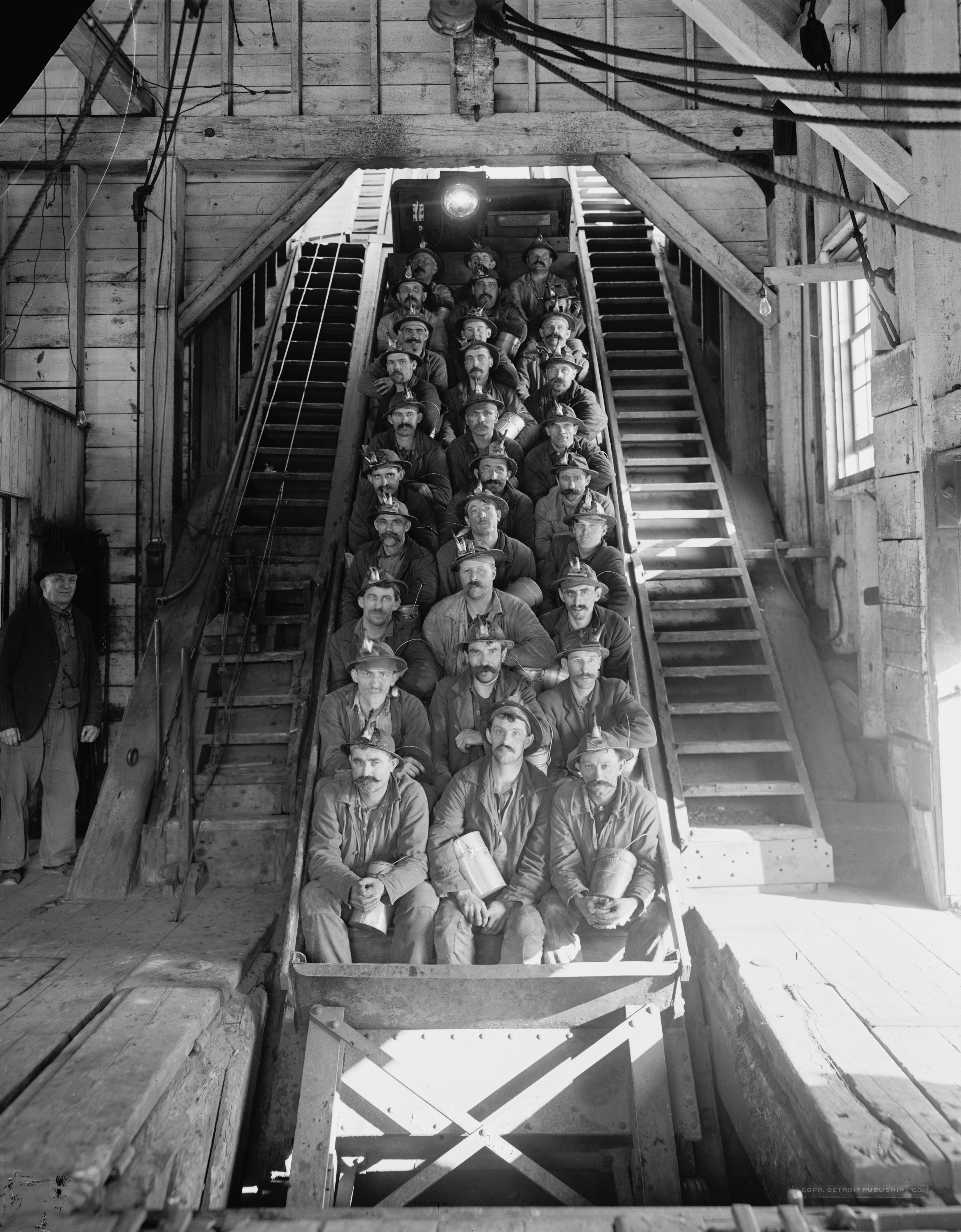
At the dawn of the 20th century, Calumet, Michigan, was the bustling heart of America’s copper industry. Nestled in the rugged Upper Peninsula, this region was a powerhouse, producing vast quantities of the essential metal that fueled the nation’s electrification and industrial growth. Dominating this landscape was the Calumet and Hecla Mining Company (C&H), an enterprise of immense wealth and power, often described as a benevolent dictator by some, and a ruthless oppressor by others. C&H owned not just the mines, but also much of the town’s infrastructure, housing, and even stores, creating a deeply entrenched system where the company’s influence permeated every aspect of its employees’ lives.
Life for the copper miners was exceptionally harsh. They toiled deep underground in dangerous, often suffocating conditions, extracting ore with primitive tools and minimal safety precautions. Wages were low, hours were long, and the threat of injury or death was a constant companion. Furthermore, C&H had resisted technological advancements like the one-man drill, which would have increased efficiency but also reduced the workforce, clinging instead to the more labor-intensive two-man drill system. This decision, ostensibly to maintain employment, was also a tactic to keep wages stagnant and control the workforce. Such oppressive conditions, coupled with a lack of any meaningful representation or recourse, brewed a potent cocktail of resentment and desperation among the diverse immigrant population that formed the backbone of the mining workforce.
Seeds of Discontent: The Rise of Labor Unrest
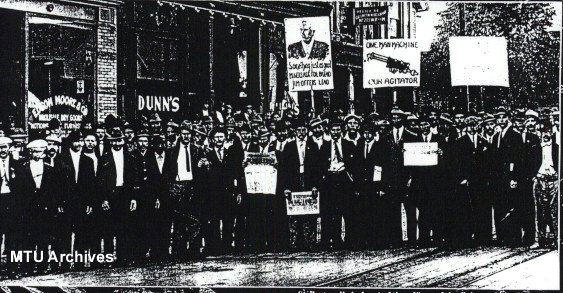
The simmering discontent among the miners eventually reached a boiling point. Many of the workers, primarily immigrants from Finland, Italy, Croatia, and other European nations, had little to lose and much to gain by standing together. They dreamed of better wages, safer working conditions, and an eight-hour workday—a standard already adopted in many other industries. It was against this backdrop that the Western Federation of Miners (WFM), a militant labor union known for its aggressive organizing tactics, began to gain traction in the Keweenaw Peninsula.
The WFM arrived in Calumet promising solidarity and a unified voice against the monolithic power of C&H. They organized covertly at first, building membership among the wary but hopeful miners. Their demands were simple but profound: recognition of the union, an eight-hour day, and an end to the two-man drill system in favor of the more efficient one-man drill, which would allow for higher wages per man. For years, C&H had successfully fended off unionization, but by 1913, the collective frustration was too great to suppress. The stage was set for one of the most significant labor disputes in Michigan’s history.
The Strike Ignites: A Summer of Tensions (1913)
On July 23, 1913, the long-simmering tensions erupted. Thousands of copper miners across the Keweenaw Peninsula walked off the job, initiating the Calumet copper strike. It was a bold and unprecedented move, challenging the very foundation of C&H’s control. The company, however, was not prepared to yield. Their response was swift and uncompromising, setting the tone for a summer and fall marked by escalating conflict and violence.
C&H immediately brought in strikebreakers, often referred to as “scabs,” from outside the region to try and maintain production. To protect these workers and intimidate the strikers, the company hired a private army of Pinkerton agents and other security forces. When these measures proved insufficient to quell the widespread solidarity of the striking miners, the Michigan National Guard was deployed to the region, further militarizing the already tense environment. Clashes between strikers and company guards became commonplace, marked by arrests, beatings, and even deaths. Families of striking miners faced eviction from company-owned housing, and stores often refused them credit, pushing them to the brink of starvation. This period was a true labor tragedy in the making, as the community was torn apart by economic and social warfare.
The Brink of Winter: Hardship and Resolve
As autumn turned to winter, the resolve of the striking families was tested to its limits. The harsh Michigan winter brought biting cold and heavy snows, exacerbating the already dire conditions. Without wages, many families struggled to heat their homes, put food on the table, or buy basic necessities. Children, in particular, suffered from malnutrition and exposure. Despite the immense hardship, the vast majority of miners held firm, supported by the WFM and aid from sympathetic unions and charitable organizations across the country.
Community support efforts became vital for survival. Local churches, benevolent societies, and the WFM itself organized relief efforts, providing food, clothing, and shelter. It was in this spirit of solidarity and a desperate attempt to bring some semblance of joy to the children during a bleak holiday season that the local chapter of the WFM planned a grand Christmas Eve party at the Italian Hall in Calumet. This festive gathering was meant to be a beacon of hope, a temporary escape from the grinding reality of the strike, and an affirmation of their collective strength.
Christmas Eve, 1913: A Celebration Turns to Catastrophe
The Italian Hall, a modest two-story brick building, stood as a community hub for Calumet’s Italian population and, during the strike, a gathering place for the WFM. On the afternoon of December 24, 1913, its second-floor hall buzzed with festive anticipation. Hundreds of striking miners, their wives, and especially their children, had gathered for a Christmas party organized by the WFM. The air was thick with the scent of pine, the murmur of excited voices, and the promise of gifts and warmth. For a few precious hours, the crushing weight of the copper strike seemed to lift, replaced by laughter and holiday cheer.
Suddenly, around 4:30 PM, the joyous atmosphere was shattered. A single, terrifying cry pierced through the merriment: “Fire!” The word, shouted by an unknown individual near the main entrance, instantly ignited panic. While there was no actual fire, the cry alone was enough to trigger a primal fear. What followed was a horrific, uncontrolled rush towards the building’s only exit, a steep and narrow staircase that led down to the street. This moment marks the beginning of the investigative history of the 1913 Italian Hall disaster, a historical crime whose central mystery remains unsolved.
The Deadly Stairwell: Anatomy of a Stampede
The Italian Hall’s design, tragically, was a death trap in waiting. Its main hall was on the second floor, accessible by a single, internal wooden staircase that descended to the street level. This staircase was enclosed, relatively narrow, and steep, with a heavy door at the bottom that opened inwards. When the cry of “fire” rang out, the instinct of every person, especially the children, was to escape. A wave of terrified individuals surged towards the exit, creating an unstoppable human crush.
As people tumbled down the stairs, they piled up against the inwardly opening door at the bottom, creating an impenetrable barrier of bodies. Those behind, propelled by the panicked crowd, continued to push, unaware of the blockage. Trapped, suffocated, and crushed, 73 people died on that staircase. The vast majority, 59, were children, their young lives extinguished not by flames, but by a deadly stampede born of fear and a tragically flawed escape route. The scenes that unfolded as rescuers finally broke through the door were unimaginable—a tangled mass of lifeless bodies, a haunting testament to one of the most devastating labor tragedies in American history.
The Aftermath: Grief, Accusations, and Unanswered Questions
The immediate aftermath of the Italian Hall disaster plunged Calumet into a profound state of grief and outrage. The small community was overwhelmed by the sheer scale of the tragedy. Makeshift morgues were set up in churches and public buildings as families desperately searched for their loved ones. The images of so many dead children galvanized national attention, but instead of unifying the community, the disaster deepened the existing divisions fueled by the copper strike.
Almost immediately, accusations began to fly. The Citizens’ Alliance, a powerful pro-company organization formed to break the strike, was quick to point fingers at the WFM, suggesting the union’s irresponsible gathering had led to the disaster. However, many striking miners and their sympathizers suspected a more sinister plot. They believed the “fire” cry was not a random act, but a deliberate act of sabotage intended to terrorize the strikers and break their morale. Rumors circulated that a member of the Citizens’ Alliance, identifiable by a distinctive Alliance button, had been seen near the entrance just before the cry. The question of “who cried fire?” became the central, agonizing mystery.
Unraveling the Evidence: Official Inquiries and Eyewitness Accounts
In the wake of the disaster, several official inquiries were launched, including a coroner’s inquest and a state investigation. The goal was to determine the cause of the deaths and, crucially, to identify the person responsible for the fatal cry. However, these investigations quickly became mired in controversy and conflicting testimonies. Eyewitness accounts varied wildly, often influenced by the deep-seated loyalties and animosities of the strike. Some witnesses claimed to have seen a man with a Citizens’ Alliance button shout “fire,” while others denied hearing anything or offered different descriptions.
The official reports ultimately concluded that the individual who shouted “fire” could not be positively identified. The coroner’s jury cited “panic caused by an alarm of fire from some unknown person” as the cause of death for the victims. This lack of definitive closure left a gaping wound in the community and fueled persistent allegations of a cover-up. Many believed that the powerful interests of the mining company and its allies had influenced the investigations, ensuring that no one from their ranks would be implicated. The truth, buried under layers of fear, grief, and political maneuvering, remained elusive.
The Shadow of Greed: Corporate Influence and Cover-Up Allegations
The Italian Hall disaster cannot be fully understood in isolation. It was a direct consequence of the brutal copper strike, a conflict driven by the immense wealth and power of the Calumet and Hecla Mining Company. The company’s unwavering refusal to negotiate, its deployment of private security forces, and its influence over local authorities created an environment ripe for tragedy. The subsequent failure to conclusively identify the person who cried “fire” only intensified suspicions that corporate interests played a role, either directly or indirectly, in suppressing the truth.
In the context of early 20th-century corporate scandals, where industrial magnates often operated with little oversight, the idea of a deliberate act to break a strike was not far-fetched. While direct evidence of a C&H-orchestrated plot remains elusive, the company’s pervasive influence undeniably shaped the narrative and the official response. Allegations of a cover-up persisted for decades, suggesting that witnesses were intimidated, evidence was overlooked, or investigations were intentionally steered away from implicating powerful figures or their associates. This lack of accountability deepened the sense of injustice among the striking miners and cemented the Italian Hall disaster as a symbol of corporate malfeasance and the severe price paid by the working class.
The Legacy of Loss: Impact on the Strike and Beyond
The devastating loss of life at the Italian Hall profoundly impacted the morale of the striking miners. While some were hardened in their resolve, others were utterly broken by the tragedy. The WFM, despite its efforts to maintain solidarity, struggled to recover from the blow. The sheer scale of grief and the accusations swirling around the disaster eventually contributed to the weakening of the strike. By April 1914, after nine months of grueling struggle and immense suffering, the Calumet copper strike officially ended. The miners returned to work without achieving their primary demands: the WFM was not recognized, and the eight-hour workday was not universally adopted immediately, though some concessions on wages and conditions were eventually made.
Yet, the legacy of the Italian Hall disaster endures. It stands as a powerful, somber reminder of the human cost of industrial conflict and the fight for labor rights. The site of the Italian Hall, now marked by a memorial, serves as a pilgrimage for labor historians and those who seek to understand the darker chapters of American history. The tragedy galvanized public opinion in some quarters, highlighting the extreme conditions faced by industrial workers and contributing to the broader progressive movement for labor reform. It remains a stark example of labor tragedies, a story that continues to resonate, prompting us to reflect on the importance of justice, accountability, and the value of every human life, especially in the face of overwhelming corporate power.
Conclusion
The 1913 Italian Hall disaster is more than a historical footnote; it is a profound and chilling narrative of human suffering, corporate might, and unresolved justice. Born from the crucible of the Calumet copper strike, a brutal struggle against the immense power of Calumet and Hecla, the tragedy on Christmas Eve, 1913, claimed 73 lives, predominantly children, in a stampede triggered by a false alarm. While official inquiries failed to definitively identify the culprit, the shadow of corporate influence and the bitter divisions of the strike leave many questions unanswered.
The investigation into this pivotal moment in labor history reminds us of the fragility of life and the enduring fight for dignity and safety in the workplace. The Italian Hall disaster stands as a powerful testament to the human cost of unchecked greed and the imperative to remember and learn from the past.
Explore more investigative history on early American corporate scandals and the enduring struggles for workers’ rights. Dive deeper into the stories that shaped our nation’s industrial landscape and challenged the very fabric of justice.
- Internal Link Suggestion: Discover more about the “History of American Labor Unions” and their pivotal role in shaping modern worker protections.
- Internal Link Suggestion: Read about “Major US Strikes of the Early 20th Century” and their lasting impact on industrial relations.
- External Link Suggestion: Learn more about the Italian Hall Disaster from the Michigan Historical Society.
- External Link Suggestion: Explore primary sources and historical documents related to the Calumet Copper Strike at the Library of Congress.
Share this investigative account to ensure the victims of the Italian Hall Disaster are never forgotten and their story continues to inform our understanding of justice and labor history.