
Unmasking the Shadows: An Investigative History of the 1913 Italian Hall Disaster, Greed, and the Calumet Copper Strike
On a frigid Christmas Eve in 1913, joy turned to unspeakable horror in Calumet, Michigan, when a festive children’s party at the Italian Hall became the site of one of America’s most devastating and mysterious labor-related tragedies. Seventy-three people, overwhelmingly children of striking copper miners, perished not from fire, but from a stampede triggered by a false alarm. This isn’t merely a historical footnote; it’s an investigative history of the 1913 Italian Hall disaster, a somber journey into the heart of corporate greed, bitter labor strife, and the lingering questions surrounding a mass casualty event that remains officially unsolved.
The tragedy unfolded amidst the brutal Calumet Michigan copper strike, a nine-month struggle that pitted thousands of immigrant miners against the powerful Calumet & Hecla Mining Company. This period was fraught with tension, violence, and profound social division, making the Italian Hall incident a stark symbol of the human cost of industrial conflict. For readers fascinated by midwest true historical crime and the profound injustices embedded within labor movement tragedies, the events of December 24, 1913, offer a chilling glimpse into an era where corporate power often overshadowed human life, leaving a legacy of unanswered questions and enduring sorrow. We delve into the context, the catastrophe, and the contentious aftermath, seeking to uncover the layers of culpability that history has struggled to fully acknowledge.
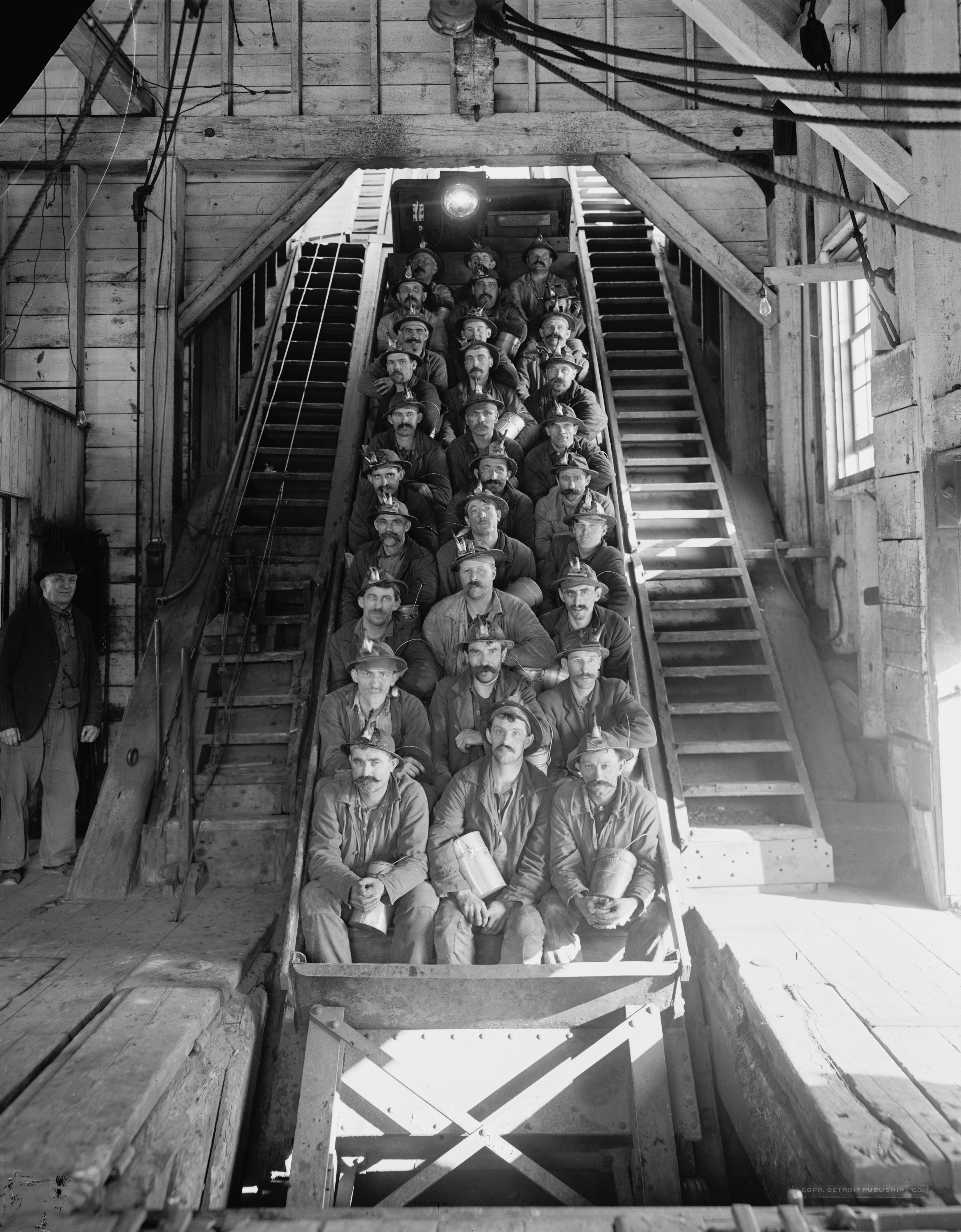
The Copper Empire’s Iron Grip: Life in Calumet Before the Strike
Calumet, Michigan, nestled in the heart of the Keweenaw Peninsula, was once the undisputed kingdom of copper. By the early 20th century, the region accounted for a significant portion of the nation’s copper output, fueling the industrial revolution and enriching a select few. Dominating this landscape was the Calumet & Hecla Mining Company (C&H), an enterprise so vast and powerful it effectively controlled every aspect of life in the community—from housing and schools to stores and local governance. This paternalistic system, while providing some amenities, also ensured an ironclad grip over its workforce.
Miners, largely immigrants from Italy, Finland, Croatia, and other European nations, toiled in dangerous conditions deep beneath Lake Superior. They faced long hours, low wages, and the constant threat of injury or death from rockfalls, gas, and explosions. Wages had stagnated for decades, even as copper prices soared, and the introduction of new, more efficient one-man drilling machines threatened to eliminate jobs and further intensify the pace of work. These simmering resentments, coupled with a lack of representation, laid the groundwork for a massive confrontation. This scenario was not unique to Calumet; it mirrored countless 1910s corporate scandals where unchecked industrial power clashed with the burgeoning demands of labor.
Key Facts about Calumet’s Copper Kingdom:
- Dominant Force: Calumet & Hecla Mining Company controlled over 75% of the region’s copper production.
- Workforce: Primarily immigrant laborers from diverse European backgrounds.
- Working Conditions: Dangerous, deep underground mines with low pay and long hours.
- Company Control: C&H owned most housing, businesses, and even local newspapers, exerting immense influence.
- Evictions: Striking families were thrown out of company housing, often in the harsh Michigan winter.
- Strikebreakers: Thousands of replacement workers were brought in, exacerbating tensions.
- National Guard: Deployed to maintain order, but often perceived as protecting company interests.
- Citizens’ Alliance: A powerful anti-union group, ostensibly formed by local businessmen, but heavily funded and influenced by the mining companies. They actively worked to undermine the WFM, distributing anti-union propaganda and organizing opposition.
- Media Control: Local newspapers, often beholden to the mining companies, painted the strikers and the WFM in a negative light.
- 73 Fatalities: All but two were children.
- Cause of Death: Asphyxiation and crushing injuries, not burns.
- Location: The main staircase and landing of the Italian Hall.
- The Identity of the Shouter: Despite numerous witnesses, no one was officially identified or charged.
- The Doors: Was one of the main exit doors intentionally blocked or held shut, or did it simply jam due to inward opening design and the crush of bodies? Eyewitness accounts varied, but many strikers insisted on deliberate obstruction.
- The Citizens’ Alliance: Widely suspected by the WFM and striking families of orchestrating the false alarm.
- Corporate Power: Demonstrated the immense power of companies like C&H and their ability to influence local governance and suppress labor.
- Labor’s Struggle: Highlighted the desperate conditions and profound risks faced by workers fighting for basic rights.
- Unresolved Justice: The failure to identify the “Fire!” shouter and fully investigate allegations of door obstruction left a deep scar of injustice.
- Community Impact: The tragedy devastated a community already fractured by the strike, leaving an indelible mark.
- The Ludlow Massacre: Another Labor Tragedy
- A History of American Labor Unions
- Corporate Power in the Gilded Age
- Michiganology – Italian Hall Disaster
- Western Federation of Miners History
- Calumet & Hecla Mining Company Archive
Italian Hall Calumet Michigan exterior 1913Crowd of striking miners and families Calumet Michigan 1913Newspaper headline reporting Italian Hall disaster 1913Memorial for Italian Hall disaster victims Calumet- Headline: Unmasking the Shadows: An Investigative History of the 1913 Italian Hall Disaster
- Description: On Christmas Eve 1913, 73 people, mostly children, died in a stampede at Calumet’s Italian Hall. Was it an accident, or a sinister act tied to the bitter copper strike and corporate greed? Dive into this chilling chapter of Midwest true crime and labor history. #ItalianHallDisaster #CalumetCopperStrike #LaborHistory #TrueCrime #MichiganHistory
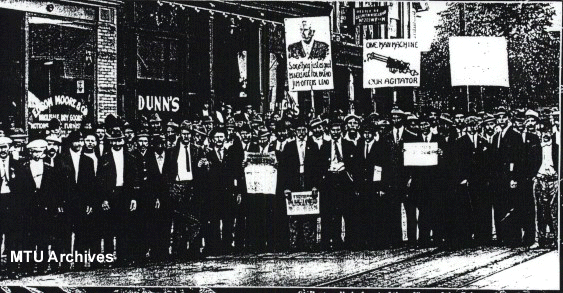
The Calumet Michigan Copper Strike: A Battle for Dignity
The Calumet Michigan copper strike officially began on July 23, 1913, when the Western Federation of Miners (WFM) called for a walkout. The miners’ demands were clear and urgent: an eight-hour workday, an end to the one-man drill system, and recognition of their union. For nearly nine months, the Keweenaw Peninsula became a battleground, not just for wages and working conditions, but for the fundamental right of workers to organize and negotiate.
C&H, under the staunch leadership of President James MacNaughton, refused to negotiate, viewing unionization as an existential threat to its control. The company evicted striking miners from company-owned homes, hired strikebreakers (often African Americans brought in from the South, further stoking racial tensions), and enlisted the Michigan National Guard to protect its property and intimidate strikers. Local law enforcement, heavily influenced by the mining companies, often sided against the workers. The atmosphere was one of intense hostility, marked by sporadic violence, boycotts, and widespread deprivation among the striking families. This protracted struggle became one of the most significant labor movement tragedies of its time, highlighting the severe imbalances of power between capital and labor.
Tactics of Intimidation and Division
The company and its allies employed a range of tactics to break the strike:
This sustained campaign of pressure and propaganda created a deeply polarized community, where lines were drawn sharply between union and non-union, striker and company loyalist. It was into this volatile environment that Christmas Eve, 1913, dawned.
Christmas Eve, 1913: A Day of Joy Turned Horror
On December 24, 1913, amidst the grim reality of the strike, the Western Federation of Miners organized a Christmas party for the children of striking miners at the Italian Hall in Calumet. The hall, a three-story brick building, was a community hub, and on this day, its second-floor ballroom was filled with approximately 500-700 men, women, and children, eager for a moment of respite and cheer. Gifts were being distributed, carols were sung, and the air was thick with the innocent joy of childhood.
Suddenly, around 4:30 PM, a man burst into the crowded hall and, according to numerous witnesses, shouted “Fire!” The cry, clear and terrifying, instantly transformed the festive atmosphere into one of panic. There was no fire. Yet, the word itself, a primal fear, triggered an immediate and catastrophic stampede towards the main exit.
The Stampede and the Stairwell of Death
The Italian Hall had a single, narrow staircase leading down from the second-floor ballroom to the street-level exit doors. As hundreds of terrified people, many of them small children, surged towards this bottleneck, the staircase became a death trap. People tripped, fell, and were crushed under the weight of those behind them. The sheer force of the crowd pressed bodies against the railings and walls, suffocating those caught at the bottom.
Eyewitness accounts describe a scene of unimaginable chaos and horror. Parents desperately tried to shield their children, only to be swept away or crushed alongside them. The sheer volume of people trying to escape through a single, constricted passage led to a tragic pile-up. When rescuers finally managed to clear the blockage, they found a gruesome scene: a tangled mass of bodies, many still clutching their Christmas presents, their lives extinguished not by flames, but by the terror of a false alarm.
The Toll of the Tragedy:
The Investigation and Its Controversies: A Midwestern True Historical Crime
In the immediate aftermath, a profound sense of shock and grief gripped Calumet. But as the initial sorrow subsided, questions began to mount, quickly turning into accusations and fueling the sense of midwest true historical crime. Who shouted “Fire!”? Why? And why were the exit doors at the bottom of the staircase reportedly blocked or difficult to open?
The official inquest, convened by Houghton County Coroner E.S. Grierson, concluded that the identity of the person who shouted “Fire!” could not be determined. It also found no evidence that the doors were deliberately held shut from the outside. However, many witnesses, particularly strikers and their families, vehemently disagreed. They testified that the main doors, which opened inward, were either obstructed by a bar or held closed by men wearing Citizens’ Alliance buttons. If true, this obstruction would have turned the stampede into an inescapable trap.
Suspicions and Accusations
The focus of suspicion quickly fell on the Citizens’ Alliance, the anti-union organization heavily backed by the mining companies. Many believed that the “Fire!” shout was a deliberate act of terror, intended to disrupt the WFM’s Christmas party and further intimidate the striking miners. The fact that the official investigation largely dismissed these claims, despite compelling witness testimony, only deepened the community’s distrust and sense of injustice.
Key Contention Points:
This lack of conclusive answers and the perceived whitewash by authorities cemented the Italian Hall disaster as a true historical crime, where the perpetrator, if not definitively identified, was strongly implied by the circumstances and the prevailing social climate.
The Shadow of Corporate Scandals: The Citizens’ Alliance and Beyond
The role of the Citizens’ Alliance in the events leading up to and including the Italian Hall disaster is central to understanding it within the context of 1910s corporate scandals. While ostensibly a community group, the Alliance was a formidable anti-union force, actively working to crush the strike. Its members, many of whom were businessmen dependent on the mining companies, engaged in intimidation, surveillance, and propaganda.
Historians and labor activists have long argued that the Citizens’ Alliance functioned as an extension of the mining companies’ power, providing a civilian front for their anti-union efforts. The widespread belief among strikers that Alliance members were responsible for the “Fire!” shout, and potentially for obstructing the doors, highlights the deep-seated animosity and the perception of corporate-backed malice. The failure of official investigations to thoroughly explore these allegations only reinforced the view that powerful interests were being protected.
The Legacy of Unanswered Questions: The Italian Hall disaster, with its ambiguous origins and unsatisfying official conclusions, became a symbol of the broader injustices faced by labor in an era dominated by powerful corporations. It underscores how economic power could translate into political and legal impunity, leaving communities to grapple with profound loss and unresolved grievances.
Enduring Legacy and Lessons Learned
The investigative history of the 1913 Italian Hall disaster is not just about a single tragic event; it’s a testament to the brutal realities of the early 20th-century labor movement and the enduring fight for workers’ rights. The disaster, along with other labor movement tragedies of the era, galvanized support for unionization and exposed the severe human cost of corporate indifference and anti-union violence.
While the Calumet strike ultimately ended without the WFM achieving its demands, the memory of the Italian Hall tragedy lived on, etched into the collective consciousness of the Copper Country and beyond. It served as a stark reminder of the vulnerability of working families and the lengths to which powerful entities would go to maintain control. Today, the site of the Italian Hall, marked by a memorial, stands as a solemn reminder of the 73 lives lost and the unresolved questions that continue to haunt this dark chapter in American history.
Key Takeaways from the Italian Hall Disaster:
The Italian Hall disaster serves as a chilling case study for anyone exploring midwest true historical crime and the complex interplay of industrial greed, class conflict, and human tragedy. It compels us to remember the victims, question official narratives, and reflect on the persistent struggle for justice and accountability in the face of power.
Frequently Asked Questions About the 1913 Italian Hall Disaster
Q: What was the immediate cause of death for the victims in the Italian Hall disaster?
A: The victims died primarily from asphyxiation and crushing injuries due to a stampede down a narrow staircase, not from fire. A false shout of “Fire!” triggered the panic.
Q: Was anyone ever held responsible for shouting “Fire!”?
A: No. Despite an official inquest and numerous eyewitness accounts, the person who shouted “Fire!” was never definitively identified or charged. This remains one of the central mysteries of the disaster.
Q: What role did the Calumet & Hecla Mining Company play in the disaster?
A: While C&H was not directly involved in the immediate incident, the disaster occurred during a bitter copper strike against the company. The company’s staunch anti-union stance, its funding of the anti-union Citizens’ Alliance, and the intense social tensions created by the strike provided the volatile context in which the tragedy unfolded.
Q: What was the Citizens’ Alliance?
A: The Citizens’ Alliance was an anti-union organization formed during the Calumet Michigan copper strike, ostensibly by local businessmen. However, it was widely believed to be heavily funded and influenced by the mining companies, including Calumet & Hecla, to counter the Western Federation of Miners and break the strike. Many striking families suspected members of the Citizens’ Alliance were involved in the false fire alarm.
Q: How did the Italian Hall disaster impact the labor movement?
A: The Italian Hall disaster became a powerful symbol of the dangers and injustices faced by striking workers and their families. It brought national attention to the plight of miners in Michigan and underscored the extreme measures taken by corporations to suppress unionization, galvanizing further support for the broader labor movement.
Conclusion: A Lingering Cry for Justice
The 1913 Italian Hall disaster remains a poignant and infuriating chapter in American history, a stark reminder of the human cost exacted by unbridled corporate power and the raw brutality of early 20th-century labor disputes. It is a story steeped in the rich but often tragic history of the Calumet Michigan copper strike, where the pursuit of profit overshadowed the lives and dignity of working families. The unanswered questions surrounding the false alarm and the alleged obstruction of the doors continue to resonate, transforming this event into a compelling case of midwest true historical crime that demands ongoing investigation and remembrance.
The 73 lives lost, mostly children, serve as a permanent indictment of the era’s social and industrial inequities. Their memory compels us to look beyond official reports and delve into the testimonies of those who suffered, understanding the Italian Hall tragedy not as an isolated accident, but as a direct consequence of the deep-seated animosity and power struggles characteristic of 1910s corporate scandals. As we reflect on this solemn event, we are reminded of the critical importance of workers’ rights, corporate accountability, and the enduring quest for truth in the face of historical injustice.
Explore more investigative history on early American corporate scandals and the crucial struggles that shaped the nation’s labor landscape. Understanding these past conflicts provides invaluable insight into the ongoing fight for equity and justice in our society.
—
Suggested Internal Links:
Suggested External Links (Open in New Window):
Image Alt Text Suggestions:
Schema Markup Recommendation:
Consider adding FAQPage schema for the “Frequently Asked Questions” section to improve search engine visibility for direct answers.
Social Sharing Optimization: