
Challenging History: Unearthing Provocative and Controversial Archaeological Finds
Have you ever looked at a historical artifact and wondered if there’s more to the story than the textbooks tell us? For history buffs and those fascinated by the unexplained, the world of archaeology isn’t always neat and tidy. Beneath the surface of accepted narratives lie controversial discoveries and what some call forbidden archaeology—finds that seem to defy our understanding of ancient civilizations, technology, or even human origins. These provocative relics and sites spark intense debate, challenging mainstream historical timelines and occasionally hinting at a suppressed history just waiting to be unearthed.
This article explores some of the most captivating and fiercely debated archaeological finds, examining both the conventional explanations and the more radical theories that often accompany them. From perplexing ancient mechanisms to alleged evidence of lost civilizations and giants, we’ll consider why these discoveries continue to ignite our imaginations and sometimes force us to reconsider everything we thought we knew about the past.
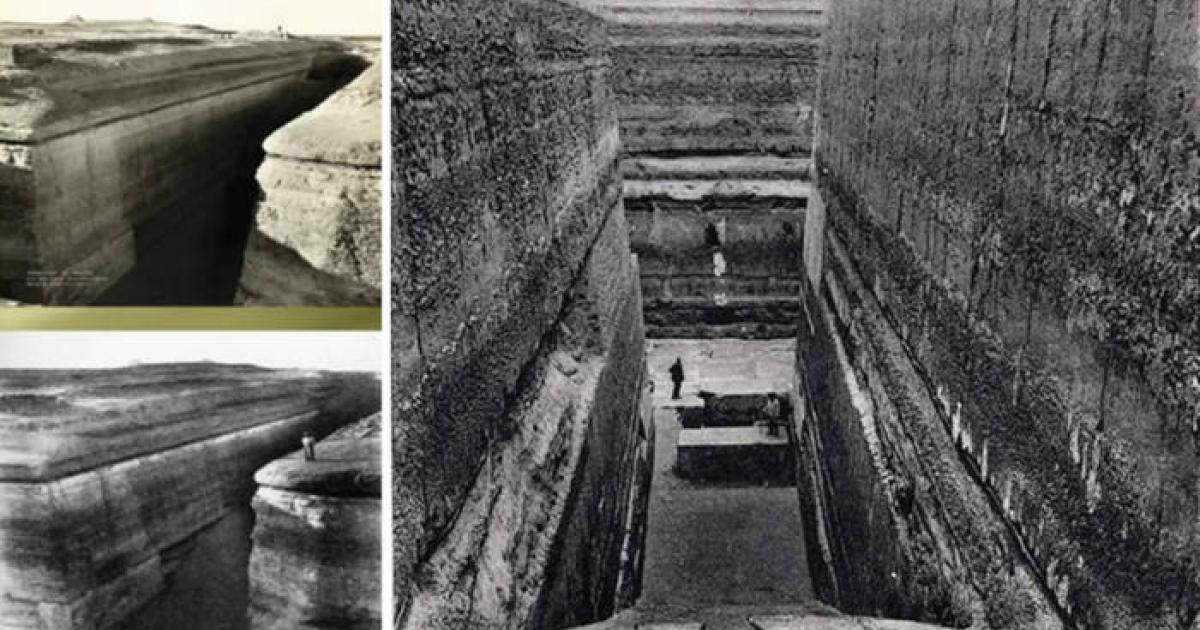
The Allure of “Forbidden Archaeology”
Why are we so drawn to archaeological finds that challenge the status quo? Perhaps it’s the thrill of the unknown, the universal human desire to question authority, or the romantic notion that there’s a grander, more mysterious past hidden from us. Mainstream archaeology operates on the rigorous scientific method, requiring verifiable evidence, contextual analysis, and peer review. This approach, while robust, can sometimes feel restrictive to those who suspect that conventional science might be overlooking anomalies or dismissing evidence that doesn’t fit neatly into established paradigms.
The term “forbidden archaeology” often refers to artifacts or sites that seem “out of place” in time or technology, leading some to believe they represent evidence of advanced ancient cultures, unknown human ancestors, or even extraterrestrial influence. While many of these claims are ultimately met with skeptical scientific scrutiny and sometimes even debunked theories, their existence continues to fuel a vibrant subculture of alternative history enthusiasts.

Out-of-Place Artifacts (OOPArts): A Glimpse Beyond the Accepted Timeline?
Out-of-Place Artifacts, or OOPArts, are perhaps the most compelling category of controversial finds. These objects appear to possess a level of technological sophistication or knowledge that shouldn’t exist for their supposed age, forcing us to question the capabilities of ancient peoples.

The Antikythera Mechanism: Ancient Tech or Alien Intervention?
Discovered in a shipwreck off the coast of the Greek island of Antikythera in 1901, the Antikythera Mechanism is often described as the world’s first analog computer. Dating back to around 150–100 BCE, this intricate device consists of dozens of interlocking bronze gears, dials, and inscriptions. Its purpose was to predict astronomical positions and eclipses for calendrical and astrological purposes, tracking the movements of the sun, moon, and possibly several planets.
Mainstream archaeologists and historians marvel at its complexity, viewing it as a testament to the incredible ingenuity of ancient Greek engineers. It suggests a far greater understanding of celestial mechanics and precision manufacturing than previously attributed to the Hellenistic period. However, its unparalleled sophistication for its time has led some to speculate about a “lost technology” or even question whether such a device could have originated from human hands alone, fueling theories of extraterrestrial influence or a forgotten advanced civilization. The Antikythera Mechanism remains a powerful symbol of how ancient capabilities can surprise and challenge our assumptions.

The Baghdad Battery: Electrical Precursors or Ritual Objects?
In 1938, German archaeologist Wilhelm König discovered several intriguing clay jars in Khujut Rabou, near Baghdad, dating back to the Parthian era (around 250 BCE to 224 CE). These jars, approximately 5.5 inches tall, contained a copper cylinder that encased an iron rod. When filled with an acidic liquid, some theorize, these “Baghdad Batteries” could have generated a small electrical current.
Proponents of this theory suggest the Parthians may have used these devices for electroplating jewelry, mild medical pain relief, or even as a source of light for religious rituals. This would radically push back the known history of electricity by nearly two millennia. Mainstream archaeologists, however, largely dismiss the “battery” theory. They argue that there is no definitive archaeological evidence of wires, electroplated artifacts, or other electrical applications in the region. Instead, they propose the jars were more likely used for storing sacred scrolls, pigments, or other ritualistic materials, with the metal components serving another, non-electrical purpose. The debate continues, leaving us to wonder about the true purpose of these ancient vessels.
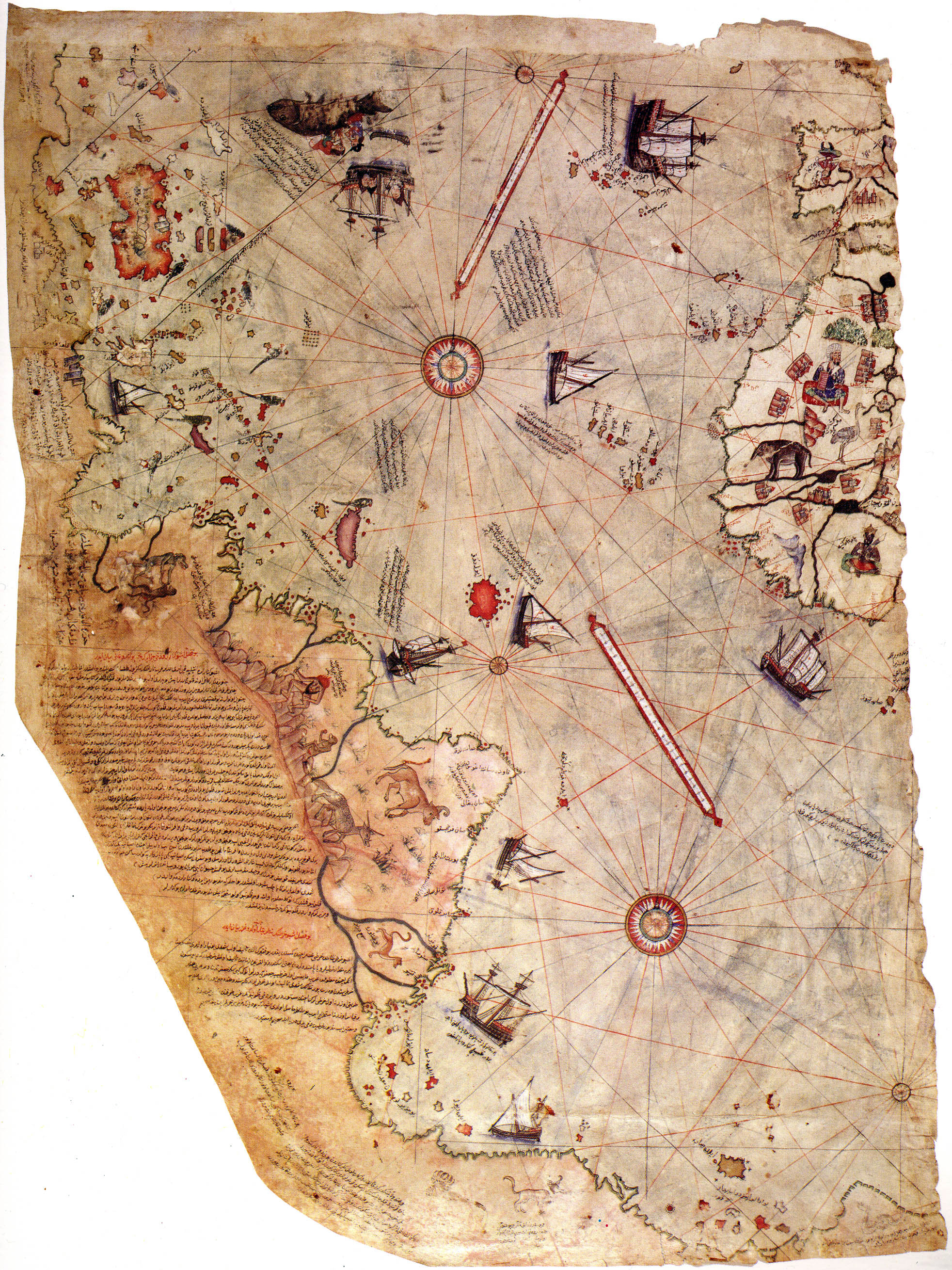
The Piri Reis Map: A Map of Antarctica Before Its “Discovery”?
The Piri Reis Map, compiled in 1513 by the Ottoman admiral and cartographer Piri Reis, is a fragment of a world map that has fascinated researchers for decades. What makes it particularly controversial is its apparent depiction of the coastline of Antarctica, free of ice, roughly 300 years before the continent was officially “discovered” and centuries before its sub-glacial topography was mapped. The map also shows surprising accuracy for some known landmasses of its time.
Mainstream historians acknowledge the map’s remarkable accuracy for certain regions, attributing it to Piri Reis’s access to numerous older source maps, some potentially dating back to ancient times, which he compiled. However, the Antarctic depiction remains a sticking point. Skeptics argue that the landmass shown isn’t definitively Antarctica, or that its features are coincidental. Proponents, on the other hand, suggest it’s evidence of a highly advanced ancient civilization with global navigational and cartographic capabilities, whose knowledge was somehow preserved and passed down. They argue that the map hints at a time when parts of Antarctica were ice-free, potentially thousands of years ago, challenging our understanding of ancient exploration and climate history.
Giants, Lost Civilizations, and Suppressed Discoveries
Beyond individual artifacts, some archaeological claims point to entirely different versions of history, featuring colossal beings or technologically advanced societies that vanished without a trace. These narratives often involve claims of suppressed history, where evidence is allegedly hidden or ignored by academic institutions.
The Giant Skeletons of Lovelock Cave and Beyond
Tales of ancient giants populate the myths and legends of cultures worldwide. In the United States, particularly compelling stories emerged from Lovelock Cave in Nevada. Accounts from the early 20th century describe miners finding unusually large human skeletons, some reportedly over 8 to 10 feet tall, belonging to a race of red-haired giants. These discoveries fueled local Paiute legends of a fearsome race called the “Si-Te-Cah,” giant cannibals who were eventually trapped and annihilated in the cave.
While large human remains have been found in Lovelock Cave, mainstream archaeologists attribute them to normal, albeit robust, ancient populations, or dismiss the “giant” claims as exaggerations, misidentifications of animal bones, or hoaxes. The “red hair” is often explained as a post-mortem chemical reaction. However, proponents of the giant theory argue that these discoveries, along with similar reports from other sites across America, are evidence of a forgotten race of enormous humans whose existence has been allegedly suppressed by institutions such as the Smithsonian to maintain a particular historical narrative. The allure of ancient giants remains a powerful and enduring element in forbidden archaeology.
Yonaguni Monument: Natural Formation or Sunken City?
Off the coast of Yonaguni Island in Japan lies a colossal underwater rock formation that has sparked intense debate since its discovery in the mid-1980s. The Yonaguni Monument consists of massive, angular stone terraces, straight edges, right angles, and pillar-like structures, all resting on the seabed at depths of 25 to 100 feet. Its sheer scale and geometric precision have led many to believe it’s a man-made pyramid or the ruins of a lost city, potentially dating back thousands of years to a time when sea levels were lower.
Masaaki Kimura, a marine geologist, has extensively studied the site and is a leading proponent of its artificial origin, suggesting it could be a remnant of a Pacific “Mu” or Lemuria civilization. He points to features such as carved stairs, pathways, and rock carvings as evidence of human modification. Conversely, mainstream geologists argue that the Yonaguni Monument is a purely natural geological formation, shaped over millennia by tectonic activity, erosion, and currents. They contend that the “straight lines” and “right angles” are naturally occurring fracture patterns in sandstone, and that any apparent carvings are merely natural formations that appear anthropomorphic. The lack of clear tool marks or associated artifacts also contributes to scientific skepticism, but for many, its striking appearance continues to hint at a submerged mystery.
Debunked Theories and the Scientific Method: Separating Fact from Fiction
While the idea of forbidden archaeology is captivating, it’s crucial to understand how the scientific method works to differentiate genuine anomalies from misinterpretations, hoaxes, or debunked theories. Archaeology is a dynamic field, constantly evolving with new discoveries and technologies, but it fundamentally relies on verifiable, contextual evidence. When claims lack this rigor, they are rightly questioned and often rejected by the broader scientific community.
The Crystal Skulls: Ancient Artifacts or Modern Hoaxes?
The mystical crystal skulls, often associated with ancient Mesoamerican civilizations such as the Maya and Aztecs, gained widespread fame for their purported paranormal powers and supposed ancient origins. Crafted from quartz, these skulls were claimed to be thousands of years old, possessing advanced optical properties and representing a lost ancient technology. Their legend suggested they held secrets of the universe and could even heal.
However, scientific analysis has definitively debunked these claims. Independent investigations by the British Museum and the Smithsonian Institution, using scanning electron microscopy, revealed tool marks consistent with 19th-century lapidary techniques rather than ancient methods. Many of these skulls were traced back to European workshops in the mid-1800s, likely created as curiosities for the burgeoning market in exotic artifacts. While their mystique endures in popular culture, the crystal skulls are a prime example of how compelling stories can sometimes overshadow the truth when evidence is not critically examined.
Piltdown Man: The Famous Archaeological Forgery
Perhaps one of the most infamous archaeological hoaxes in history is that of Piltdown Man. Discovered in 1912 in a gravel pit in Piltdown, England, fragments of a skull and jawbone were presented as the “missing link” between apes and humans, supposedly dating back 500,000 years. The find captivated the world, seeming to confirm the idea that early human evolution had occurred in Europe.
For over 40 years, Piltdown Man remained a puzzle, with some scientists expressing doubts about its authenticity. It wasn’t until 1953 that advanced dating techniques and detailed analysis exposed the truth: the skull was that of a modern human, and the jawbone belonged to an orangutan, both deliberately stained to appear ancient. The teeth had been filed down to match the skull. The Piltdown Man forgery serves as a stark reminder of the importance of rigorous scientific scrutiny and peer review. It illustrates how the desire for a particular outcome, or the lack of sophisticated analytical tools, can lead to prolonged acceptance of fraudulent evidence—and why skepticism is a healthy part of scientific inquiry.
Why Do These Controversies Endure?
Even when theories are debunked or alternative explanations are widely accepted by the scientific community, the controversies surrounding certain archaeological finds often persist. This endurance speaks to several deep-seated human tendencies: the natural desire for wonder, the appeal of a narrative that challenges established authority, and sometimes, a distrust of mainstream institutions.
For many, the idea of a suppressed history or hidden knowledge is more compelling than the often-complex and incremental process of scientific discovery. The thought that ancient peoples might have possessed technologies or knowledge far beyond what we currently credit them with opens up exciting possibilities about human potential and the true story of our past. This blend of curiosity, skepticism, and imagination ensures that the debate over controversial discoveries will continue for generations to come.
Conclusion: The Ongoing Quest for Truth
The world of archaeology is a fascinating blend of meticulous scientific investigation and tantalizing mystery. While mainstream archaeology continues to build our understanding of the past through rigorous evidence and peer-reviewed research, the allure of forbidden archaeology and controversial discoveries remains powerful. These provocative finds—whether they are ultimately explained by conventional science, attributed to human ingenuity, or proven to be debunked theories—compel us to continually question, investigate, and re-evaluate our historical narratives.
Ultimately, the quest for truth in history is an ongoing journey, one that benefits from both careful scholarship and a healthy dose of open-minded curiosity. It’s in the tension between these approaches that some of the most captivating insights into humanity’s past emerge.
Do you have a favorite controversial find, or a theory you think deserves more attention? Join the debate in our community forum and share your thoughts on these fascinating archaeological mysteries!