
Cracking Ancient Enigmas: Unveiling Mysteries and Lost Knowledge from the Past
For millennia, humanity has gazed upon the remnants of bygone eras, captivated by the silent whispers of ancient civilizations. From colossal structures defying explanation to texts written in forgotten tongues, the past is a treasure trove of ancient mysteries and unsolved puzzles that continue to baffle our most brilliant minds. These enigmatic artifacts and historical conundrums aren’t just relics; they are invitations to explore the boundaries of our understanding, hinting at lost knowledge and advanced insights that may have vanished with their creators.
The enduring allure of these enigmas lies in their power to challenge our perceptions of history, suggesting that the path of human progress might not be as linear as we assume. Each discovery, each theory, adds another layer to the intricate tapestry of our past, prompting us to question what else lies buried, waiting to be rediscovered. Join us as we journey through some of the most profound ancient mysteries, seeking to understand the secrets they hold and the lost knowledge they might represent.

The Allure of the Unknown: Why Ancient Mysteries Fascinate Us
There’s something inherently thrilling about the unknown, especially when it’s rooted in our shared human story. Ancient mysteries tap into our innate curiosity, sparking a desire to connect with those who came before us and understand the world through their eyes. We’re drawn to the idea that civilizations long gone might have possessed wisdom or technologies that rival, or even surpass, our own. This fascination isn’t just about solving a riddle; it’s about expanding our understanding of human potential and the cyclical nature of knowledge.
From the precision of ancient astronomers to the engineering prowess of long-lost builders, these historical enigmas stand as monuments to ingenuity and unanswered questions. They challenge our modern assumptions, forcing us to consider possibilities beyond conventional historical narratives and igniting the imagination of history lovers and mystery enthusiasts alike.

Echoes of Advanced Civilizations: Lost Knowledge and Forgotten Technologies
One of the most compelling aspects of ancient mysteries is the tantalizing evidence of sophisticated knowledge or technology that appears remarkably advanced for its time. These aren’t just simple tools; they are complex inventions and grand constructions that suggest a deeper understanding of mathematics, astronomy, and engineering than what history books often credit to ancient peoples.

The Antikythera Mechanism: An Astronomical Calculator from Antiquity
Imagine a device, salvaged from a shipwreck over a century ago, that resembles a complex clockwork mechanism. This is the Antikythera Mechanism, an enigmatic artifact recovered from the Aegean Sea in 1901. Dating back to the 2nd century BCE, this intricate bronze instrument is often described as the world’s first analog computer. Its sophisticated gear trains were designed to predict astronomical positions and eclipses decades in advance, track the cycles of the Olympic Games, and model the movements of the sun, moon, and planets with astonishing accuracy.
The complexity of the Antikythera Mechanism is astounding, featuring differential gears and other advanced concepts that weren’t seen again in Europe for over a thousand years. Its discovery revolutionized our understanding of ancient Greek technology, suggesting a level of mechanical engineering and astronomical knowledge previously thought to be impossible for that era. The existence of such a device raises profound questions: Was it a unique invention, or merely one surviving example of a more widespread lost knowledge of precision mechanics?
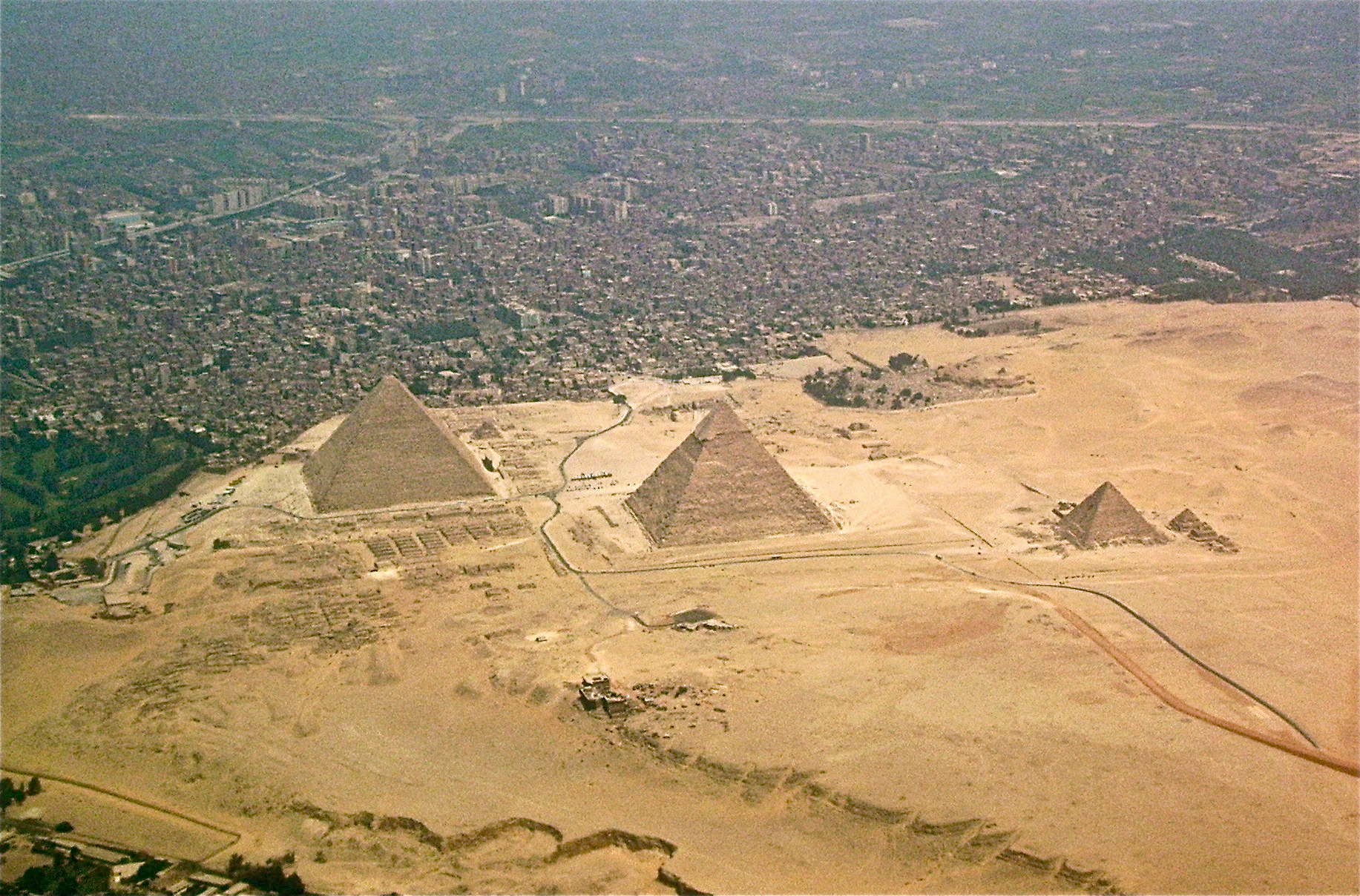
Egyptian Pyramids: Engineering Marvels and Unanswered Questions
No discussion of ancient mysteries would be complete without the colossal pyramids of Egypt. These monumental structures, particularly the Great Pyramid of Giza, stand as testaments to an extraordinary level of architectural and engineering skill. Built over 4,500 years ago, their sheer scale, precise alignment with cardinal directions, and the astronomical accuracy of their construction continue to astound researchers.
How were millions of massive stone blocks, some weighing many tons, quarried, transported, and lifted to such heights with pre-industrial tools? Theories range from elaborate ramp systems to more speculative ideas involving levitation or unknown technologies. The internal passages, ventilation shafts, and the precise angles of the pyramid’s faces all point to a profound understanding of mathematics and geometry. While archaeologists have uncovered much about the lives of the pyramid builders, the exact methods used for their construction remain an unsolved puzzle, sparking endless debate and wonder about the lost knowledge of ancient Egyptian engineers.
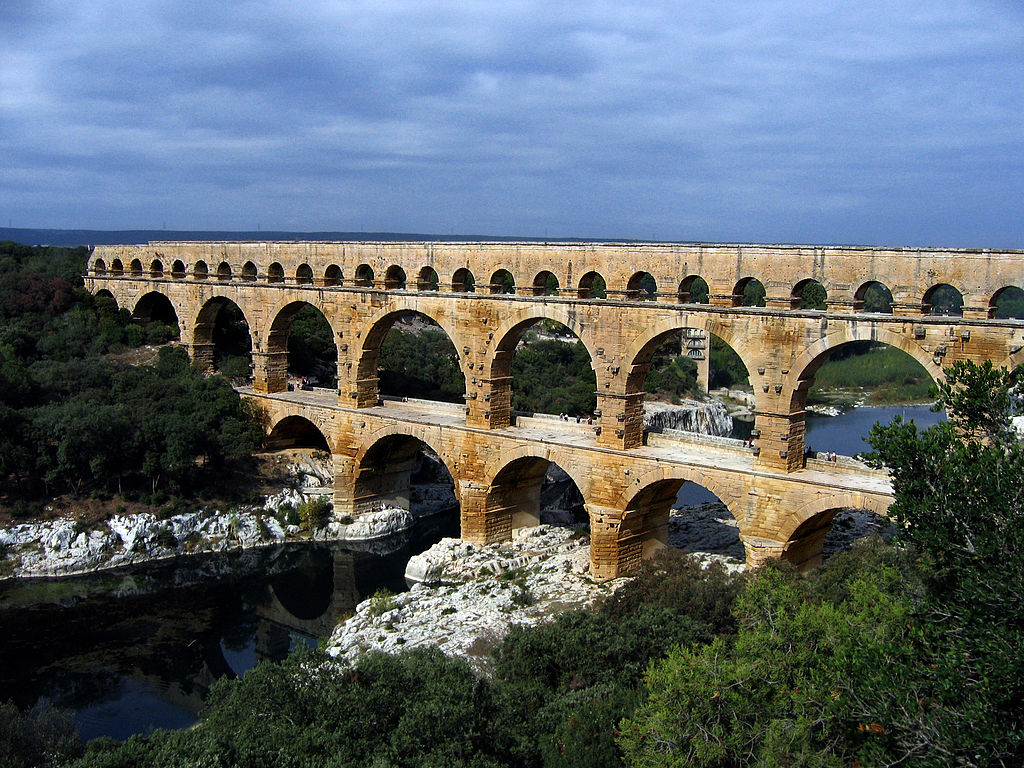
Roman Concrete: A Recipe for Enduring Structures
The Roman Empire left behind a legacy of awe-inspiring architecture, much of which still stands today after two millennia. A significant reason for this longevity is their revolutionary material: concrete. Unlike modern concrete, which often degrades over centuries, Roman concrete structures like the Pantheon and various aqueducts have largely resisted the ravages of time and even seismic activity.
Recent scientific studies have begun to unravel the secrets of Roman concrete, revealing a unique composition that included volcanic ash, lime, and seawater. This mixture, it turns out, created a material that actually grows stronger over time when exposed to seawater, forming self-healing crystals. The precise recipe and construction techniques that allowed for such durable and resilient structures represent a form of lost knowledge that modern engineers are only now beginning to fully comprehend and replicate. The Romans understood material science in a way that was forgotten for centuries, and its rediscovery could revolutionize contemporary construction.
Enigmatic Artifacts: Objects That Defy Explanation
Beyond grand structures, history is littered with smaller, often more personal, enigmatic artifacts that challenge our understanding of ancient cultures. These objects, sometimes mundane in appearance, hold profound secrets within their very fabric, prompting endless speculation and scientific investigation.
The Voynich Manuscript: A Code Unbroken
Among the most famous unsolved puzzles is the Voynich Manuscript, a medieval codex filled with strange illustrations and an undeciphered writing system. Discovered in 1912 by Polish book dealer Wilfrid Voynich, this 240-page book has resisted all attempts at decipherment by cryptographers, linguists, and computer scientists for over a century. Its pages depict exotic plants, astrological diagrams, and nude figures bathing in elaborate systems of pipes, none of which correspond easily to known species or historical contexts.
Is it an elaborate hoax, a sophisticated code, a lost language, or perhaps a unique form of writing from an unknown culture? The mystery of the Voynich Manuscript lies not just in its unreadable text but in its very existence, hinting at a hidden world of lost knowledge or an elaborate deception. The manuscript remains a captivating symbol of the limits of our current understanding, a silent challenge from the past waiting for its key.
The Baghdad Battery: An Electro-Chemical Anomaly?
In 1938, German archaeologist Wilhelm König discovered an enigmatic artifact in the Baghdad Museum, unearthed in Khujut Rabou, Iraq. Known as the Baghdad Battery, this item consists of a clay jar containing a copper cylinder, an iron rod, and traces of bitumen. Dating back to the Parthian era (250 BCE to 224 CE), its resemblance to a galvanic cell has led some to speculate that it might have been an ancient battery, capable of producing a small electrical current.
If true, this would suggest that ancient peoples possessed a form of lost knowledge about electricity, perhaps used for electroplating, medicinal purposes, or even ritualistic practices. While many scholars remain skeptical, suggesting it was merely a storage vessel for scrolls, the possibility that ancient Iraqis were experimenting with electricity centuries before its official discovery is a fascinating unsolved puzzle that continues to spark debate and inspire experimental archaeology.
The Nazca Lines: Geoglyphs of Grand Scale
Etched into the arid plateau of Nazca in Peru are colossal geoglyphs, known as the Nazca Lines. These intricate designs, depicting animals, plants, geometric shapes, and human-like figures, span hundreds of square kilometers and are best appreciated from an aerial perspective. Created by the Nazca culture between 500 BCE and 500 CE, the purpose and methods behind these immense drawings remain one of the most compelling ancient mysteries.
How did the Nazca people, without the benefit of flight, achieve such precise and large-scale designs? Theories range from astronomical calendars to ritualistic pathways, or even signals for sky deities. The sheer effort involved in creating and maintaining these lines, some stretching for kilometers, speaks to a deeply significant cultural or religious purpose. The Nazca Lines are a powerful reminder of the sophisticated observational skills and collective organization of ancient societies, hinting at a lost knowledge of surveying and symbolic representation.
Unsolved Puzzles of Lost Civilizations and Vanished Peoples
Sometimes, the mystery isn’t just an artifact or a structure, but the fate of an entire civilization. History is punctuated by the rise and fall of great cultures, but some disappearances are so abrupt or inexplicable that they leave behind profound unsolved puzzles.
The Disappearance of the Maya: A Cultural Collapse
The Classic Maya civilization, renowned for its advanced writing system, mathematics, astronomy, and elaborate cities, experienced a dramatic decline in the southern lowlands around the 9th century CE. Once bustling metropolises were abandoned, monumental construction ceased, and populations plummeted. This “Maya collapse” is one of history’s most enduring ancient mysteries.
While the Maya people did not vanish entirely, the sudden and widespread abandonment of their major urban centers represents a significant cultural shift. Historians and archaeologists propose various theories: prolonged drought, endemic warfare, environmental degradation leading to resource scarcity, disease, or a combination of these factors. Each theory offers a piece of the puzzle, but no single explanation fully accounts for the scale and speed of the collapse. The lost knowledge of their intricate societal mechanisms and environmental adaptations remains a subject of intense study, as we seek to learn from their past.
Easter Island’s Moai: Statues of a Vanished Society
Remote Easter Island, or Rapa Nui, is famous for its hundreds of monumental stone statues, known as Moai. Carved by the Rapa Nui people between the 10th and 16th centuries, these imposing figures, some weighing over 70 tons, were transported and erected across the island, often atop ceremonial platforms called ahu. The sheer logistical challenge of moving and raising these statues across rugged terrain, sometimes miles from the quarry, remains an unsolved puzzle.
The island’s population eventually suffered a catastrophic collapse, likely due to deforestation and resource depletion, leading to warfare and societal breakdown. The mystery of the Moai is intertwined with the tragic story of the Rapa Nui people and their environment. How did they achieve such incredible feats of engineering with limited resources? What did the statues represent, and why were they eventually toppled? The lost knowledge of their transport techniques and the reasons behind their ultimate demise continue to fascinate researchers and serve as a cautionary tale.
Atlantis: Myth, Legend, or Lost Continent?
Perhaps the most famous ancient mystery of all is the legendary lost city of Atlantis. First described by the Greek philosopher Plato in his dialogues Timaeus and Critias, Atlantis was portrayed as an advanced, utopian island civilization that possessed immense wealth and power, before being swallowed by the sea in a single day and night of catastrophic earthquakes and floods.
For centuries, Atlantis has been debated: Was it a real place, a cautionary tale, or a philosophical allegory? The search for Atlantis has captivated explorers and theorists, with potential locations ranging from the Mediterranean to the Caribbean. While no definitive archaeological evidence has ever been found, the enduring power of the Atlantis myth lies in its depiction of a technologically and spiritually advanced civilization whose lost knowledge was tragically submerged. It continues to fuel our imagination, prompting us to wonder about other potential lost civilizations that might lie hidden beneath the waves.
The Role of Modern Science in Unraveling Ancient Secrets
While ancient mysteries often seem to defy modern logic, contemporary scientific advancements are providing powerful new tools to peel back the layers of time. From remote sensing technologies to genetic analysis, science is increasingly helping us to reconstruct the past, offering fresh perspectives on unsolved puzzles and glimpses into lost knowledge.
LiDAR and Remote Sensing: Peering Beneath the Canopy
LiDAR (Light Detection and Ranging) technology, which uses pulsed laser light to map landscapes, has revolutionized archaeology. By penetrating dense forest canopies, LiDAR can reveal hidden structures, ancient roads, and entire lost cities that were previously invisible to ground surveys or aerial photography. This technology has uncovered vast Maya networks in Guatemala, sprawling medieval cities in Cambodia near Angkor Wat, and complex agricultural systems across the Amazon.
These discoveries are transforming our understanding of the scale and complexity of ancient civilizations, demonstrating that many cultures were far more extensive and interconnected than previously imagined. LiDAR is a powerful key, unlocking secrets that have been hidden for centuries beneath vegetation, offering tangible evidence that helps address ancient mysteries.
DNA Analysis: Tracing Migrations and Ancestry
Advances in ancient DNA (aDNA) analysis are providing unprecedented insights into the movements, relationships, and health of ancient populations. By extracting and sequencing DNA from skeletal remains, scientists can trace migration patterns, identify family lineages, understand dietary habits, and even detect ancient diseases. This genetic lost knowledge allows us to reconstruct the demographic history of regions and shed light on the origins of various cultures.
For instance, aDNA has helped confirm the migration routes of early humans out of Africa, clarified the genetic impact of agricultural revolutions, and revealed surprising connections between distant ancient groups. This biological data provides a new dimension to unsolved puzzles about population movements and cultural diffusion, helping to paint a more detailed picture of our ancient ancestors.
The Enduring Quest: What Drives Our Search for Answers?
Why do these ancient mysteries continue to hold such sway over us? It’s more than just intellectual curiosity; it’s a deep-seated human desire to understand our origins, to connect with the vast sweep of history, and to comprehend the full spectrum of human achievement. Each enigmatic artifact and every lost civilization reminds us that history is not a static collection of facts, but a dynamic, ever-unfolding narrative.
The search for lost knowledge is a testament to our continuous quest for self-discovery. By unraveling the puzzles of the past, we not only gain a richer understanding of those who came before us but also gain insights into our own potential, our resilience, and the enduring capacity of the human spirit to create, adapt, and wonder.
Conclusion: The Unwritten Chapters of Human History
From the astronomical precision of the Antikythera Mechanism to the silent grandeur of the Nazca Lines, the world is rich with ancient mysteries that continue to challenge and inspire us. These enigmatic artifacts and the tales of lost civilizations are not merely relics; they are profound reminders that much of human history remains an unsolved puzzle, waiting for new discoveries and deeper insights.
The journey to understand our past is an ongoing adventure, one that combines rigorous scientific inquiry with a healthy dose of wonder and imagination. As technology advances and our understanding evolves, we continue to uncover new clues, piece together fragmented narratives, and perhaps, one day, fully reclaim the lost knowledge that lies buried beneath the sands of time. The unwritten chapters of