
Unmasking Censored Histories: Illuminating Hidden Truths and Challenging Historical Cover-Ups
History, as we often encounter it, is a carefully curated narrative—a story told by the victors, the powerful, or those with a specific agenda. But beneath the surface of official accounts lies a rich tapestry of suppressed history, hidden truths, and deliberate historical cover-ups. This isn’t about conspiracy theories; it’s about critically examining the gaps, the omissions, and the convenient reinterpretations that have shaped our understanding of the past. For history scholars and truth-seekers alike, the journey to unmask these obscured narratives is not just an academic exercise, but a vital quest to understand our present and shape our future.
In this article, we’ll dive deep into the fascinating, often unsettling world of censored histories, exploring why certain truths are hidden, how they are suppressed, and why their unmasking is crucial for a complete and honest accounting of the human experience. We’ll challenge the notion of history as a fixed, immutable record, and instead embrace it as an ongoing, dynamic dialogue.
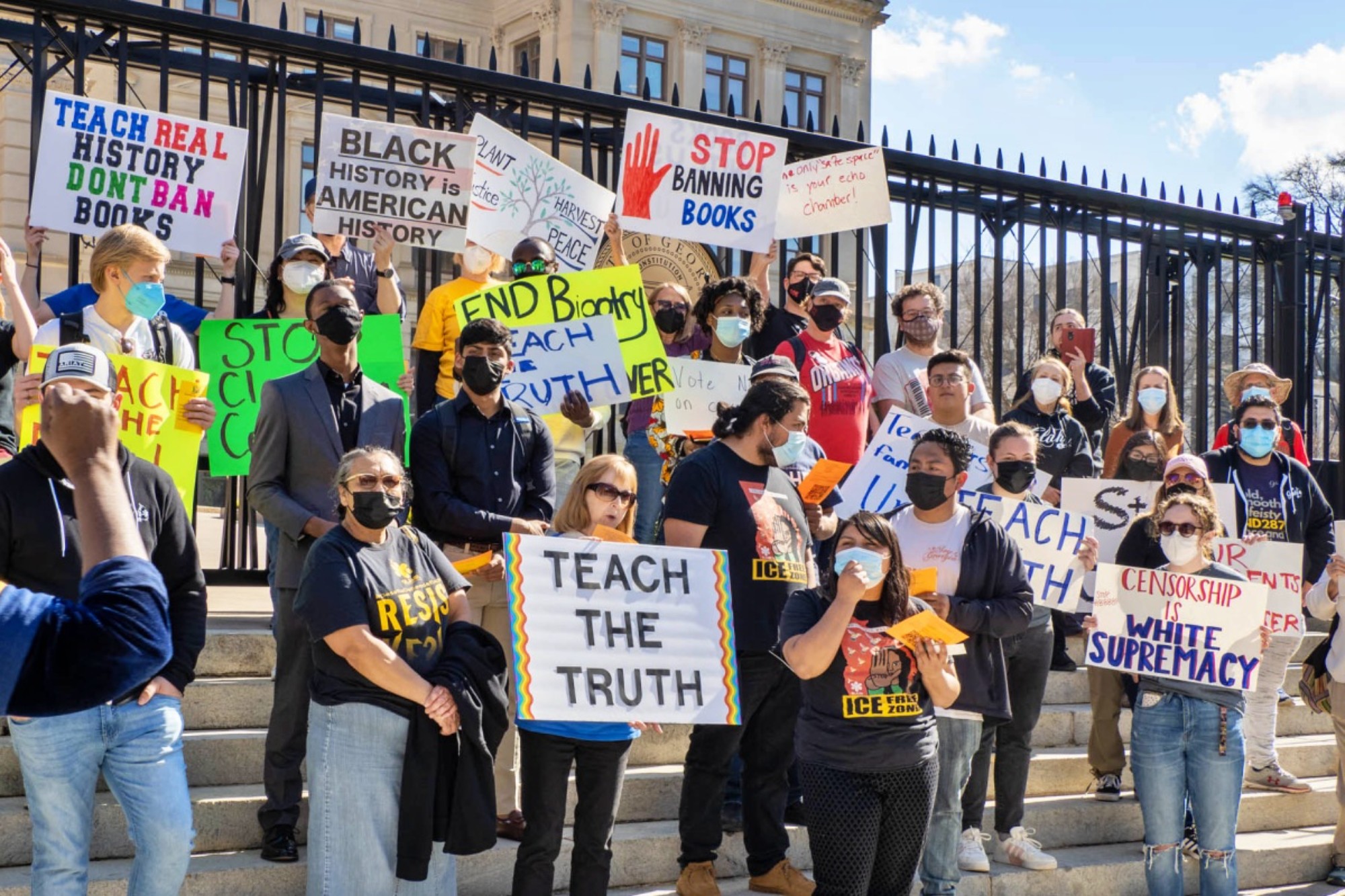
What Exactly Constitutes “Censored History”? It’s More Than Just Burning Books
When we talk about “censored history,” many might envision dramatic book burnings or explicit prohibitions. While such overt acts of suppression certainly occur, the reality is often far more subtle and insidious. Censored history isn’t just about what’s explicitly forbidden; it’s about what’s systematically omitted, downplayed, or intentionally reframed to serve a particular narrative.
Think of it this way: history is fundamentally a process of selection and interpretation. Every historian, every government, every institution chooses what to emphasize, what to gloss over, and what to leave out entirely. Suppressed history refers to those events, perspectives, or experiences that are deliberately excluded from mainstream accounts. These might be inconvenient truths, uncomfortable facts, or narratives that challenge dominant power structures or national myths.
Hidden truths are the specific facts or aspects of an event that remain concealed, sometimes for decades or even centuries, due to classified documents, deliberate misinformation, or the silencing of those who experienced them. And historical cover-ups are the active, often coordinated efforts to conceal or distort past events, ranging from minor scandals to major atrocities, often involving state actors, powerful corporations, or influential individuals.
This isn’t to say that all historical debate or new interpretations are forms of censorship. History is a living discipline, constantly being revised and enriched by new evidence and perspectives. But censored history implies an intentional act to obscure, rather than an evolving understanding. It’s the difference between updating a map with new discoveries and deliberately drawing over a landmass to pretend it doesn’t exist.

Why Are Histories Suppressed or Covered Up? The Motives Behind the Veil
The reasons for obscuring historical truths are as complex and varied as human motivation itself. At their core, these motives often boil down to the preservation of power, reputation, or a particular ideology. Understanding these drivers is key to recognizing when and why history might be manipulated.

Protecting Political Power and Legitimacy
Perhaps the most common motive for historical suppression is the desire to maintain political power and legitimacy. Governments, regimes, and ruling elites often craft narratives that justify their existence, actions, and authority. Inconvenient truths – such as past atrocities, failed policies, or undemocratic origins – can undermine public trust and challenge the very foundation of their rule. By controlling the historical narrative, those in power seek to control public memory, ensuring that their version of events is the accepted truth. Think about how many authoritarian states meticulously rewrite textbooks to glorify their leaders and demonize their opponents.

Forging National Identity and Social Cohesion
Nations often rely on unifying myths and shared historical narratives to foster a sense of collective identity and social cohesion. These narratives can be powerful tools for nation-building, but they often come at the cost of omitting or sanitizing less glorious aspects of the past. The darker chapters – genocides, colonialism, internal conflicts, or systematic injustices against minority groups – might be downplayed or ignored to present a more heroic or unified national image. The goal is to create a story everyone can rally behind, even if it means overlooking painful truths.

Safeguarding Economic Interests and Corporate Reputations
Beyond political motives, economic interests frequently play a significant role in historical cover-ups. Powerful corporations, industries, or wealthy families might actively suppress information about past exploitation, environmental damage, unethical business practices, or their involvement in historical injustices. Admitting to such past wrongs could lead to legal repercussions, financial liabilities, or severe damage to their public image and profitability. The history of certain industries, from tobacco to fossil fuels, offers numerous examples of efforts to control narratives about their impact.
Maintaining Ideological Purity and Moral Authority
Ideologies, whether political, religious, or philosophical, thrive on consistency and the appearance of moral rectitude. Any historical event or figure that contradicts the core tenets or ethical claims of an ideology can be a threat. Therefore, inconvenient facts that challenge an ideology’s purity or moral authority might be suppressed or reinterpreted. This can be seen in movements that attempt to erase the contributions of certain groups or individuals whose beliefs clash with the dominant dogma.
Shielding Individuals and Institutions from Shame or Censure
On a more personal or institutional level, the desire to protect reputations is a potent motivator. Leaders, institutions (like churches, militaries, or universities), and even entire communities might suppress historical information that would bring shame, disgrace, or legal accountability. This could involve covering up scandals, abuses of power, or acts of negligence. The instinct to “protect the institution” can lead to decades of silence and the active concealment of evidence.
National Security and Military Secrecy
During times of war, conflict, or intense geopolitical rivalry, governments often invoke national security to justify the classification and suppression of vast amounts of historical information. While some secrecy is undoubtedly necessary, this rationale can also be used to hide intelligence failures, controversial military operations, or actions that violate international law. Documents might remain classified for decades, only coming to light long after the events, if ever.
How Are Historical Truths Hidden or Manipulated? The Mechanisms of Obscurity
Understanding the motives is one thing, but how exactly do these historical cover-ups and suppressions manifest? The methods are diverse, ranging from outright destruction to subtle reinterpretation, and they often work in concert to create a distorted reality.
Omission and Erasure: The Silence of the Archives
One of the most effective ways to suppress history is simply to not mention it. Omission involves deliberately leaving out events, individuals, or perspectives from official records, textbooks, and public discourse. This can be achieved through selective archiving, destroying documents, or simply choosing not to collect certain types of information in the first place. When an entire group’s contributions or suffering are systematically ignored, it effectively erases their place in the collective memory.
Reinterpretation and Reframing: Shifting the Narrative
Even when events cannot be entirely omitted, they can be reinterpreted or reframed to change their meaning. This involves presenting facts in a biased light, altering context, or emphasizing certain aspects while downplaying others. A military defeat might be reframed as a “strategic retreat,” or a colonial exploitation might be presented as a “civilizing mission.” This manipulation of perspective can profoundly alter how future generations perceive past actions.
Propaganda and Disinformation: Actively Promoting Falsehoods
Beyond mere omission, some historical cover-ups involve the active creation and dissemination of propaganda and disinformation. This means promoting outright false narratives, fabricating evidence, or launching smear campaigns against those who challenge the official story. In the digital age, this has become even more sophisticated, with online echo chambers amplifying preferred narratives and drowning out dissenting voices.
Controlling Archives and Educational Curricula: Gatekeepers of Knowledge
Access to primary sources is fundamental to historical research. By controlling national archives, libraries, and other repositories of historical documents, authorities can limit what information is available to scholars and the public. Similarly, shaping educational curricula in schools and universities allows those in power to determine what versions of history are taught to successive generations, effectively institutionalizing their preferred narrative.
Silencing Dissenting Voices: Marginalizing Truth-Tellers
Historians, journalists, whistleblowers, and activists who attempt to bring suppressed histories to light often face significant challenges. They might be ridiculed, discredited, denied funding, refused access to resources, or even face legal repercussions or threats to their personal safety. The systematic marginalization of these dissenting voices helps maintain the integrity of the official, curated narrative.
Delayed Declassification: The Long Wait for Transparency
Governments often classify documents related to sensitive historical events, citing national security or diplomatic concerns. While some classification is legitimate, the practice of delaying declassification for decades or even centuries can effectively suppress history until all those involved are deceased and the immediate political implications have faded. By the time the truth emerges, its impact is often diminished.
Case Studies: Glimpses into Suppressed Narratives
While specific details of ongoing cover-ups are, by their nature, elusive, history offers numerous instances where once-suppressed narratives have eventually come to light. These examples illustrate the diverse forms and impacts of historical censorship.
Indigenous Histories: The Erasure of Pre-Colonial Worlds and Colonial Atrocities
Across the globe, the histories of Indigenous peoples have been systematically suppressed, rewritten, or ignored in colonial narratives. European colonizers often depicted Indigenous societies as “primitive” or “uncivilized,” downplaying their complex social structures, advanced knowledge systems, and rich cultural traditions. Simultaneously, the brutal realities of colonization – land theft, forced assimilation, genocides, and the destruction of communities – were often minimized or omitted from official histories. The Trail of Tears in the United States, the Stolen Generations in Australia, or the residential school system in Canada are powerful examples of state-sanctioned historical erasure and violence, the full truth of which is still being uncovered and acknowledged.
Cold War Era Cover-Ups: The Shadows of Espionage and Experimentation
The intense ideological struggle of the Cold War fostered an environment ripe for secrecy and suppression. Governments on both sides engaged in clandestine operations, proxy wars, and intelligence activities that were deliberately kept from public knowledge. Projects like the CIA’s MKUltra program, which involved illegal human experimentation, remained hidden for decades until congressional investigations and declassified documents revealed their shocking scope. Similarly, details about covert interventions in foreign elections or support for authoritarian regimes were often obscured in the name of national security.
Economic Exploitation and Corporate Malfeasance: The Unspoken Costs of Progress
The history of industrialization and global capitalism is replete with instances where the negative impacts of economic activities were suppressed to protect profits and reputations. Accounts of brutal labor practices, widespread environmental destruction, or the exploitation of resources in developing nations were often downplayed or omitted from mainstream historical accounts. For example, the long and arduous struggle to expose the health risks associated with asbestos or tobacco involved decades of corporate efforts to suppress scientific evidence and influence public perception.
Social Justice Movements: Sanitizing the Struggle
The histories of various social justice movements, from civil rights to women’s suffrage to LGBTQ+ rights, are often sanitized or simplified in official narratives. The radical origins, the fierce resistance faced by activists, and the ongoing struggles are sometimes softened to present a more palatable, less challenging version of history. The contributions of marginalized figures might be overlooked, or the full extent of systemic discrimination might be downplayed, creating a false sense of linear progress rather than acknowledging sustained struggle.
The Role of Revisionist History: Challenging the Status Quo
In the context of suppressed histories, the term “revisionist history” often carries negative connotations, sometimes mistakenly equated with historical denialism. However, genuine revisionist history is a vital and healthy part of the academic process. It refers to the re-examination of established historical narratives in light of new evidence, different perspectives, or improved methodologies.
True revisionism is not about rejecting established facts for ideological reasons (which is denialism, a dangerous distortion of the past). Instead, it’s about asking new questions of old sources, incorporating previously marginalized voices, or applying contemporary analytical frameworks to historical events. For example, a revisionist historian might re-examine the causes of a war by focusing on economic factors previously overlooked, or re-evaluate a historical figure’s legacy by considering their impact on marginalized communities.
This continuous process of questioning and re-evaluating is essential for uncovering suppressed histories. It allows scholars to challenge dominant narratives, expose omissions, and bring hidden truths to light. Without revisionist history, our understanding of the past would remain static, incomplete, and perpetually vulnerable to the biases of those who initially documented it. It’s a testament to the idea that history is never truly “finished” but is always open to deeper, more nuanced understanding.
Why Does Unmasking Hidden Truths Matter? The Stakes of Historical Accuracy
The pursuit of suppressed history is more than an academic exercise; it has profound implications for our present and future. Why should we care about uncovering events that happened decades or centuries ago?
Informing the Present and Understanding Societal Issues
Our present reality is a direct consequence of our past. Unmasking hidden truths helps us understand the roots of current societal issues, power imbalances, and inequalities. For example, understanding the suppressed history of systemic racism or colonialism is crucial for comprehending contemporary racial disparities or geopolitical conflicts. Without an accurate historical foundation, our efforts to address present-day problems will be built on shaky ground.
Preventing Repetition: Learning from Past Mistakes
“Those who do not learn history are doomed to repeat it.” This adage holds particular weight when considering suppressed histories. When past mistakes, injustices, or abuses of power are covered up, society loses the opportunity to learn from them. Unveiling these truths is a crucial step in ensuring accountability and preventing similar errors or atrocities from recurring.
Justice, Reconciliation, and Healing
For victims of historical injustices, the acknowledgment of suppressed truths can be a vital step towards justice, reconciliation, and healing. Whether it’s the recognition of genocides, the apology for past abuses, or the repatriation of stolen artifacts, bringing hidden histories to light can provide closure, validate experiences, and lay the groundwork for restorative justice. It gives voice to those who were silenced.
Strengthening Democracy and Critical Thinking
An informed citizenry is the bedrock of a healthy democracy. When historical narratives are manipulated or censored, citizens are deprived of the full context needed to make informed decisions and hold their leaders accountable. The pursuit of suppressed history fosters critical thinking, encourages questioning of authority, and promotes a deeper engagement with complex issues, all essential for a robust democratic society.
Completing the Human Story: A More Nuanced Understanding
Ultimately, unmasking hidden truths enriches our collective human story. It adds complexity, nuance, and depth to our understanding of who we are, where we come from, and what we are capable of – both good and ill. A complete history, even with its uncomfortable truths, is a more authentic and powerful narrative, allowing us to embrace the full spectrum of human experience.
How Can We Engage in the Pursuit of Suppressed History? Becoming a Truth-Seeker
For those drawn to the quest for hidden truths, there are concrete steps one can take to engage with suppressed history responsibly and effectively. This isn’t just for professional historians; it’s a call to active citizenship and critical inquiry.
Practice Critical Source Analysis
Always question the source. Who wrote this history? When? For whom? What were their biases or agendas? Seek out primary sources—original documents, letters, diaries, photographs, oral accounts—and compare them against secondary interpretations. Pay attention to what is not said as much as what is.
Embrace Interdisciplinary Approaches
History doesn’t exist in a vacuum. Combine historical research with insights from other disciplines like sociology, anthropology, economics, psychology, and environmental studies. These different lenses can reveal previously overlooked connections and motivations behind historical events.
Support and Engage with Independent Scholarship
Seek out the work of independent historians, investigative journalists, and scholars from marginalized communities who often challenge mainstream narratives. Their research, often conducted outside traditional institutional pressures, can be invaluable in bringing suppressed histories to light.
Utilize Declassified Archives and Freedom of Information Acts
Many governments periodically declassify documents, and Freedom of Information (FOI) requests can open up previously inaccessible records. While these processes can be slow and frustrating, they offer direct access to official accounts that were once hidden.
Prioritize Oral Histories and Community Archives
Many suppressed histories exist outside official written records, particularly for marginalized communities. Oral histories—collecting and preserving the spoken testimonies of individuals—and community archives are vital for capturing these lived experiences and alternative perspectives.
Embrace Nuance and Complexity
The pursuit of truth is rarely about finding simple, black-and-white answers. Be prepared to grapple with ambiguity, contradictory evidence, and the messy realities of the past. Suppressed histories often reveal complex motivations and unintended consequences, requiring a nuanced approach.
Frequently Asked Questions About Hidden Histories
What’s the difference between historical revisionism and denialism?
Historical revisionism is a legitimate and necessary academic process of re-examining established historical narratives using new evidence, perspectives, or methodologies. It aims to refine and deepen our understanding of the past. Historical denialism, on the other hand, is the rejection of established historical facts (often those supported by overwhelming evidence) for ideological, political, or personal reasons, often to exonerate perpetrators or promote a specific agenda.
Is all history subjective?
While all historical interpretation involves a degree of subjectivity (as historians choose what to focus on and how to frame it), the underlying facts of history are not entirely subjective. Events happened or they didn’t. However, the meaning and significance attributed to those events can be highly subjective and open to different interpretations, which is precisely why critical analysis and the pursuit of suppressed histories are so important.
How can I verify historical claims, especially those that challenge mainstream views?
Always seek out primary sources – original documents, eyewitness accounts, archaeological evidence. Cross-reference information from multiple, diverse, and reputable sources. Look for scholarly consensus, but also be open to well-researched, evidence-based challenges to that consensus. Be wary of claims without supporting evidence or those that rely solely on anecdotal accounts or unverified sources.
Conclusion: The Ongoing Journey of Historical Discovery
The journey to unmask censored histories is an ongoing, vital endeavor. It reminds us that history is not a static collection of facts, but a dynamic, contested terrain where power, memory, and truth constantly interact. By critically examining official narratives, seeking out hidden truths, and challenging historical cover-ups, we don’t just learn about the past; we empower ourselves to better understand the present and build a more just future. The work of scholars and truth-seekers in illuminating these obscured narratives is essential for a complete and honest accounting of our collective human story.
Don’t let vital historical evidence remain buried. Subscribe for exclusive updates on suppressed historical evidence and join a community dedicated to uncovering the full, complex tapestry of our past.