
Unveiling Hidden Empires: How Modern Archaeology Is Rewriting Ancient History
Imagine stepping through a veil of time, not into a dusty museum, but into a vibrant, bustling city that history had all but forgotten. That’s precisely what modern archaeology is doing: using cutting-edge technology and innovative approaches to uncover “hidden empires” – ancient civilizations and sophisticated societies long lost to the mists of time, dense jungles, or the depths of the ocean. These remarkable discoveries are not just adding new chapters to our history books; they’re fundamentally rewriting our understanding of human ingenuity, societal complexity, and the very timeline of civilization itself.
From vast Amazonian metropolises hidden beneath the rainforest canopy to submerged port cities in the Mediterranean, today’s archaeologists are equipped with tools that extend their reach far beyond the shovel and trowel. They’re revealing monumental structures, intricate urban planning, and advanced cultural practices that challenge long-held assumptions about ancient peoples. This article delves into some of the most astonishing recent discoveries, exploring the innovative methods that brought them to light and the profound implications they hold for our shared past.

The Dawn of a New Era: How Technology Transforms Archaeology
For centuries, archaeology was largely a hands-on endeavor, relying on painstaking excavation, careful analysis of artifacts, and a bit of luck. While these traditional methods remain crucial, modern archaeology has been revolutionized by technological advancements that allow us to “see” what was once invisible, leading to an unprecedented era of discovery.
Seeing Through the Earth: Remote Sensing and Lidar
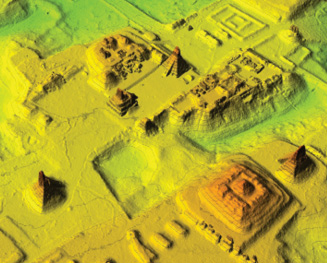
One of the most transformative technologies is Lidar (Light Detection and Ranging). Mounted on aircraft or drones, Lidar systems emit laser pulses that penetrate dense vegetation, mapping the terrain below with incredible precision. By filtering out trees and foliage, archaeologists can create detailed 3D models of the ground surface, revealing hidden structures, roads, agricultural fields, and entire cities that have been swallowed by jungles or forests.
Satellite imagery and aerial photography have also advanced significantly, offering broader perspectives and allowing for the identification of subtle landscape anomalies that might indicate ancient human activity. From crop marks revealing buried walls to faint outlines of ancient road networks, these tools provide invaluable clues, guiding archaeologists to promising sites without disturbing the ground.

Peering Beneath the Waves: Underwater Archaeology
The ocean floor, once an impenetrable barrier, is now yielding incredible secrets thanks to sophisticated sonar technology, remotely operated vehicles (ROVs), and autonomous underwater vehicles (AUVs). These tools can map vast underwater areas, detect anomalies, and even capture high-resolution images and videos of shipwrecks and submerged cities, allowing divers to explore and document these sites safely and efficiently.

Unlocking Genetic Secrets: Ancient DNA Analysis
Beyond physical structures, ancient DNA (aDNA) analysis is revolutionizing our understanding of ancient populations. By extracting and sequencing DNA from human remains, animal bones, and even soil samples, scientists can trace migration patterns, identify kinship, understand ancient diets, and even reconstruct the pathogens that affected past societies. This genetic evidence often complements archaeological findings, providing a richer, more nuanced picture of ancient life.
Geophysical Surveys: X-Rays for the Earth
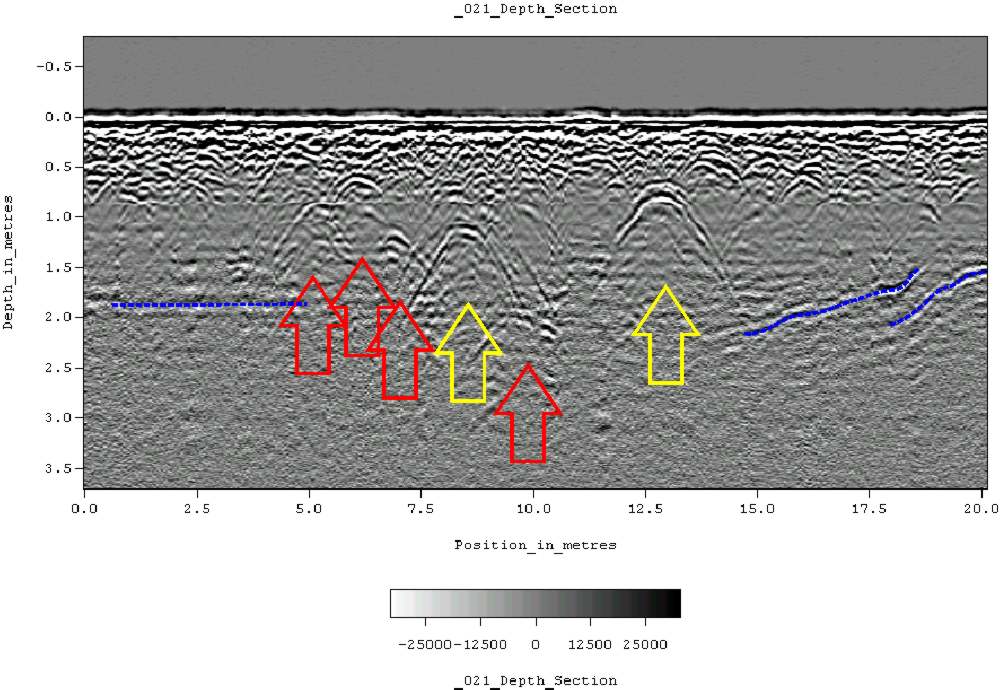
On land, various geophysical survey techniques act like X-rays for the earth. Ground-penetrating radar (GPR), magnetometry, and electrical resistivity tomography (ERT) can detect buried walls, foundations, pits, and other features by measuring changes in the soil’s physical properties. These non-invasive methods allow archaeologists to create detailed maps of subsurface features, helping them decide where to excavate and minimizing destructive digging.
These technological marvels are not just about finding “lost” places; they’re about understanding the full scale and complexity of human history, challenging our perceptions of what ancient societies were capable of.
Unveiling the Lost: Remarkable Discoveries of Hidden Empires
Now, let’s journey through some of the most awe-inspiring discoveries that modern archaeology has brought to light, each revealing a “hidden empire” that reshapes our understanding of the past.
1. The Maya Superhighways and Hidden Cities of the Mirador Basin
For decades, archaeologists knew of impressive Maya cities like Tikal in Guatemala. But dense jungle obscured the true scale of the Maya civilization. Then came Lidar. In 2018, an aerial Lidar survey of the Mirador Basin in northern Guatemala revealed an astonishing network of interconnected cities, towns, and villages, many previously unknown, beneath the rainforest canopy.
What was discovered? The survey unveiled over 60,000 previously undetected ancient Maya structures, including pyramids, palaces, defensive walls, and an elaborate system of raised causeways (sacbeob) stretching for miles, connecting urban centers. These causeways were not just roads; they were often elevated, allowing for year-round travel and trade, even during the rainy season. The scale of the settlement suggested a population far greater than previously estimated, possibly in the tens of millions during the Late Preclassic period (300 BCE – 150 CE).
Why was it hidden? The sheer density of the rainforest had effectively swallowed these vast urban landscapes, making ground-based exploration incredibly difficult and inefficient.
What does it tell us? This discovery dramatically alters our perception of the early Maya. It suggests a highly organized, interconnected, and densely populated society that developed sophisticated urban planning and infrastructure much earlier than previously thought. It challenges the idea of the Maya as a collection of isolated city-states, instead painting a picture of a vast, integrated political and economic system – a true “super-state” or empire. The sheer labor required to build such a network speaks to a powerful centralized authority and a highly organized workforce.
2. The Amazon’s Ancient Urban Network: Geoglyphs and the Casarabe Culture
The Amazon rainforest has long been considered a pristine wilderness, sparsely populated before European contact. However, modern archaeology is systematically dismantling this myth, revealing a vibrant history of complex societies. Since the early 2000s, discoveries in regions like Acre, Brazil, and the Llanos de Mojos in Bolivia have unveiled vast human-made landscapes.
What was discovered? Lidar and satellite imagery, combined with ground surveys, have revealed intricate networks of monumental earthworks, including geoglyphs (geometric designs carved into the earth), extensive raised fields for agriculture, canals, and fortified settlements. In 2022, researchers announced the discovery of a sophisticated urban network belonging to the Casarabe culture in Bolivia, dating from 500 to 1400 CE. This network included multiple large settlements with monumental platform mounds and plazas, connected by linear causeways up to 600 meters wide and several kilometers long, resembling spokes radiating from a central hub.
Why was it hidden? Like the Maya cities, the Amazonian rainforest had overgrown these ancient landscapes, making them invisible from the ground. Traditional archaeological methods were simply inadequate to grasp the scale of these interconnected systems.
What does it tell us? These findings fundamentally rewrite the history of the Amazon. They demonstrate that pre-Columbian Amazonian societies were not just small, nomadic groups but were capable of large-scale environmental engineering, sustainable agriculture, and the creation of complex, densely populated urban centers. The Casarabe culture, in particular, shows a sophisticated understanding of hydrology and resource management, creating thriving societies in what was once thought to be an inhospitable environment for large-scale settlement. It challenges the Eurocentric view of “civilization” and highlights the diverse paths human societies took.
3. Gobekli Tepe: The World’s First Temple, Rewriting the Dawn of Civilization
Often called the “Stonehenge of the Fertile Crescent,” Gobekli Tepe in southeastern Turkey is a site that has stunned the archaeological world and forced a radical rethink of human history. Discovered in 1994, its true significance only became apparent with modern, systematic excavation.
What was discovered? Gobekli Tepe consists of a series of massive circular and oval enclosures, featuring enormous T-shaped pillars, some weighing up to 20 tons, intricately carved with reliefs of animals like boars, foxes, snakes, and birds. What makes it truly extraordinary is its age: the oldest layers date back to around 9600 BCE, making it thousands of years older than Stonehenge and the earliest known monumental architecture built by humans. Crucially, it predates the invention of agriculture and settled life.
Why was it hidden? The structures were deliberately buried by their creators, forming artificial mounds over millennia, preserving them remarkably well.
What does it tell us? Gobekli Tepe completely overturns the long-held theory that agriculture led to settled communities, which then led to complex social structures and monumental architecture. Instead, it suggests that complex religious or ritualistic practices, perhaps requiring a large, organized workforce, may have preceded agriculture, potentially even driving its development. People gathered to build this massive site, perhaps developing the need for a stable food supply to support such endeavors, thereby spurring the invention of farming. It pushes back the timeline for organized religion, monumental building, and complex social organization by thousands of years, placing it firmly in the Stone Age.
4. Thonis-Heracleion and Canopus: Egypt’s Sunken Cities
Beneath the waters of Egypt’s Aboukir Bay, near Alexandria, lie the ruins of two ancient port cities: Thonis-Heracleion and Canopus. These once-thriving hubs of trade and culture vanished without a trace, their legends surviving only in ancient texts. Modern underwater archaeology has brought them back to life.
What was discovered? Since its rediscovery in 2000 by Franck Goddio’s team, Thonis-Heracleion has yielded an incredible trove of artifacts. Divers have uncovered colossal statues of pharaohs and gods, sphinxes, intricate jewelry, everyday objects, and the remains of over 60 ancient ships, along with the foundations of temples and houses. Canopus, also found nearby, reveals similar riches. These cities served as vital gateways to Egypt for centuries, particularly during the late Pharaonic and Ptolemaic periods.
Why was it hidden? Around the 8th century CE, a combination of earthquakes, tsunamis, and rising sea levels caused the land on which these cities stood to liquefy and sink into the Mediterranean. The cities were swallowed whole by the sea, their existence fading into myth.
What does it tell us? The discoveries provide an unparalleled snapshot of life in ancient Egyptian port cities, revealing the intricate blend of Egyptian and Greek cultures that flourished there. The sheer number of artifacts and shipwrecks offers invaluable insights into ancient trade routes, economic systems, religious practices, and daily life. They confirm the historical accounts that were once thought to be exaggerated or purely mythical, adding significant detail to our understanding of a crucial period in Egyptian history.
5. The Scythian Gold and Frozen Tombs of Siberia
The vast steppes of Siberia, often associated with harsh wilderness, were once home to powerful nomadic empires known as the Scythians. For centuries, their history was pieced together from Greek accounts and scattered finds. Modern archaeology, particularly in the remote Altai Mountains, is now revealing their extraordinary wealth and complex culture through the excavation of kurgans (burial mounds).
What was discovered? Beginning in the late 20th century and continuing today, archaeologists have excavated kurgans that, due to permafrost conditions, have preserved organic materials with incredible detail. Sites like Arzhan and Ukok Plateau have yielded spectacular finds: intricately crafted gold artifacts (jewelry, weapons, ceremonial objects), perfectly preserved textiles, wooden carvings, leather goods, felt hangings, horse trappings, and even mummified human remains, including the famous “Ice Maiden.” These burials often contain sacrificed horses, chariots, and a wealth of grave goods reflecting the Scythians’ sophisticated artistry and warrior culture.
Why was it hidden? The kurgans themselves were designed to conceal and protect the burials. The extreme cold and permafrost acted as a natural freezer, preventing decay and preserving organic materials that would have long disintegrated in other climates.
What does it tell us? These discoveries offer an astonishingly vivid window into the Scythian way of life, their beliefs, social structure, and artistic prowess. The gold artifacts showcase their unparalleled metalworking skills, while the preserved organic materials provide unique insights into their clothing, tattooing practices, weaponry, and daily lives. They confirm the existence of a powerful, wealthy, and culturally rich nomadic empire that dominated the Eurasian steppes for centuries, facilitating trade and cultural exchange across vast distances, connecting East and West. They challenge the notion of nomadic peoples as inherently “primitive,” revealing a highly sophisticated and influential civilization.
The Profound Impact: Rewriting History and Challenging Narratives
The ongoing unveiling of these hidden empires is far more than just finding cool old stuff; it’s a paradigm shift in how we understand our past.
A Deeper, More Diverse Human Story
These discoveries demonstrate that human innovation, social complexity, and monumental achievement were not confined to a few traditional “cradles of civilization” (like Mesopotamia or Egypt). Sophisticated societies flourished in diverse environments, from dense rainforests to high plateaus and vast steppes, often developing independently and following unique trajectories. This enriches our understanding of the human experience, showing a much broader spectrum of societal organization and technological prowess.
Challenging Eurocentric Biases
Many historical narratives have been shaped by a Eurocentric perspective, often overlooking or downplaying the achievements of non-European cultures. The revelations from the Amazon, Africa (e.g., the Nok culture, which developed advanced ironworking and terracotta art in West Africa around 1500 BCE), and Central Asia directly challenge these biases, demonstrating advanced civilizations flourishing globally, often millennia ago.
Understanding Environmental Adaptation and Collapse
Studying these hidden empires also provides crucial insights into how past societies interacted with their environments. The Maya’s vast agricultural systems, the Amazonian earthworks, and the Scythians’ mastery of the steppes offer lessons in adaptation, resource management, and the potential consequences of environmental change. Understanding why some of these empires thrived and others collapsed can offer valuable perspectives on modern challenges.
Ethical Considerations and Preservation
With every discovery comes a responsibility. Modern archaeology increasingly emphasizes ethical practices, including collaboration with local and indigenous communities, respecting cultural heritage, and prioritizing conservation. The fragile nature of many newly discovered sites, especially those exposed by Lidar or emerging from underwater, necessitates careful planning for their preservation against looting, environmental degradation, and the impacts of tourism.
The Future of Discovery: More Empires Await
The quest for hidden empires is far from over. With advancements in AI-driven data analysis, quantum sensors that can detect subtle changes underground, and even new ways to analyze environmental DNA from soil, the pace of discovery is only accelerating. Vast regions of the world remain largely unexplored with modern techniques, holding untold secrets beneath their surfaces or within their waters.
Every new find is a reminder that history is not a static text but a living, evolving narrative. It’s a testament to the enduring human spirit of innovation, adaptation, and creation, often in the most unexpected places. The empires we’re discovering today are not just relics of a forgotten past; they are vital pieces of our shared human story, waiting patiently to be brought back into the light.
Conclusion
Modern archaeology, armed with an array of groundbreaking technologies, is truly unveiling a new world of ancient civilizations. From the sprawling urban networks of the Maya and the Amazon to the mind-bending antiquity of Gobekli Tepe and the sunken wonders of Egypt, these discoveries are forcing us to reimagine the scale, complexity, and diversity of human history. They remind us that our planet still holds countless secrets, waiting for the curious minds and innovative tools of today to bring them back to life. The past is not just behind us; it’s all around us, often just beneath the surface.
Curious to delve deeper into the astonishing stories of these ancient civilizations? Explore hidden empires with our interactive timeline and uncover the fascinating journey of human history!
—
Internal Link Opportunities:
- Anchor Text: “The Maya’s vast agricultural systems”
- Suggested Link: To an article on “Ancient Agricultural Innovations” or “Maya Civilization: Urban Planning and Society.”
- Anchor Text: “The Nok culture, which developed advanced ironworking”
- Suggested Link: To an article on “Early Iron Age Societies in Africa” or “African Civilizations Before Colonialism.”
- Anchor Text: “The Scythians’ mastery of the steppes”
- Suggested Link: To an article on “Nomadic Empires of the Eurasian Steppe” or “The Art and Culture of the Scythians.”
- Anchor Text: “Lidar (Light Detection and Ranging)”
- Suggested Link: To a reputable scientific explanation of Lidar technology (e.g., NASA, NOAA, or a university research page). (Target:
https://www.nasa.gov/specials/lidar/or similar) - Anchor Text: “Gobekli Tepe”
- Suggested Link: To the official archaeological project website or a major museum/research institution detailing the site (e.g., German Archaeological Institute, National Geographic). (Target:
https://www.dainst.org/project/15014or similar) - Article Schema: The entire article is suitable for
Articleschema. - HowTo Schema: Could be used if a section focused specifically on “How Lidar Works” or “How Underwater Archaeology is Conducted” with numbered steps, but the current structure is more descriptive.
- FAQ Schema: Could be added if a dedicated FAQ section were included, addressing common questions like “What is the oldest civilization discovered?” or “How do archaeologists find hidden cities?” As the article covers these implicitly, a separate section isn’t strictly necessary but could enhance discoverability.
External Link Opportunities:
Structured Data Opportunities: