
Cracking Ancient Enigmas: Exploring Mysteries and Lost Knowledge from the Past
From colossal structures built with impossible precision to intricate texts that defy translation, the ancient world is a vast canvas of ancient mysteries and unsolved puzzles. These enduring enigmas challenge our understanding of history, hinting at lost knowledge and advanced capabilities that may have vanished with their creators. Join us as we delve into the most captivating secrets of antiquity, exploring the enigmatic artifacts and monumental feats that continue to baffle and inspire history lovers and mystery enthusiasts alike.

The Enduring Allure of the Unknown
There’s an undeniable pull to the mysteries of the past, a primal curiosity that draws us to stories of vanished civilizations and forgotten technologies. Why do these ancient enigmas hold such sway over our imaginations? Perhaps it’s the humbling realization that despite all our modern advancements, significant portions of human history remain shrouded in doubt. Every enigmatic artifact or unexplainable ruin serves as a whisper from a bygone era, suggesting that our ancestors might have possessed wisdom, skills, or even perspectives we have yet to rediscover. This journey into the unknown isn’t just about solving puzzles; it’s about connecting with the deeper currents of human ingenuity and the cyclical nature of knowledge.
Architectural Marvels Beyond Their Time
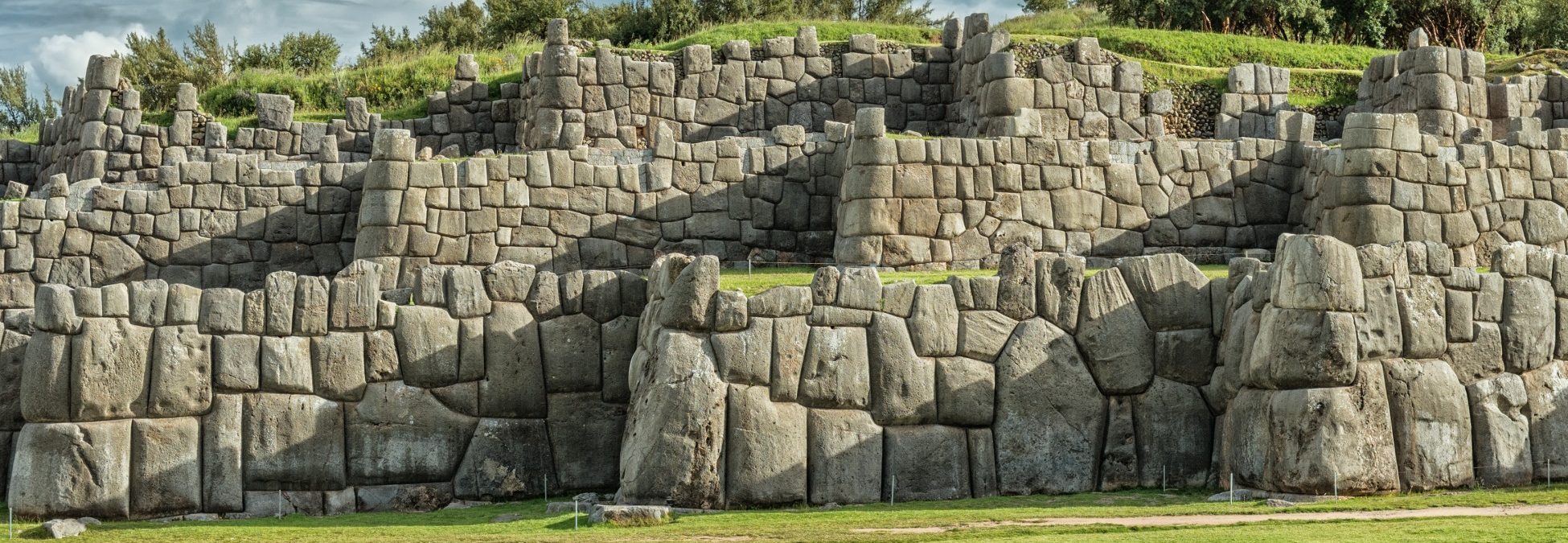
Some of the most compelling ancient mysteries are etched in stone, monumental structures that stand as testaments to forgotten engineering prowess. How were these colossal feats achieved with the supposed tools of their time? The sheer scale and precision of these constructions often defy our modern explanations, leaving us to wonder about the lost knowledge of their builders.
The Pyramids of Giza: Engineering Feat or Lost Technology?
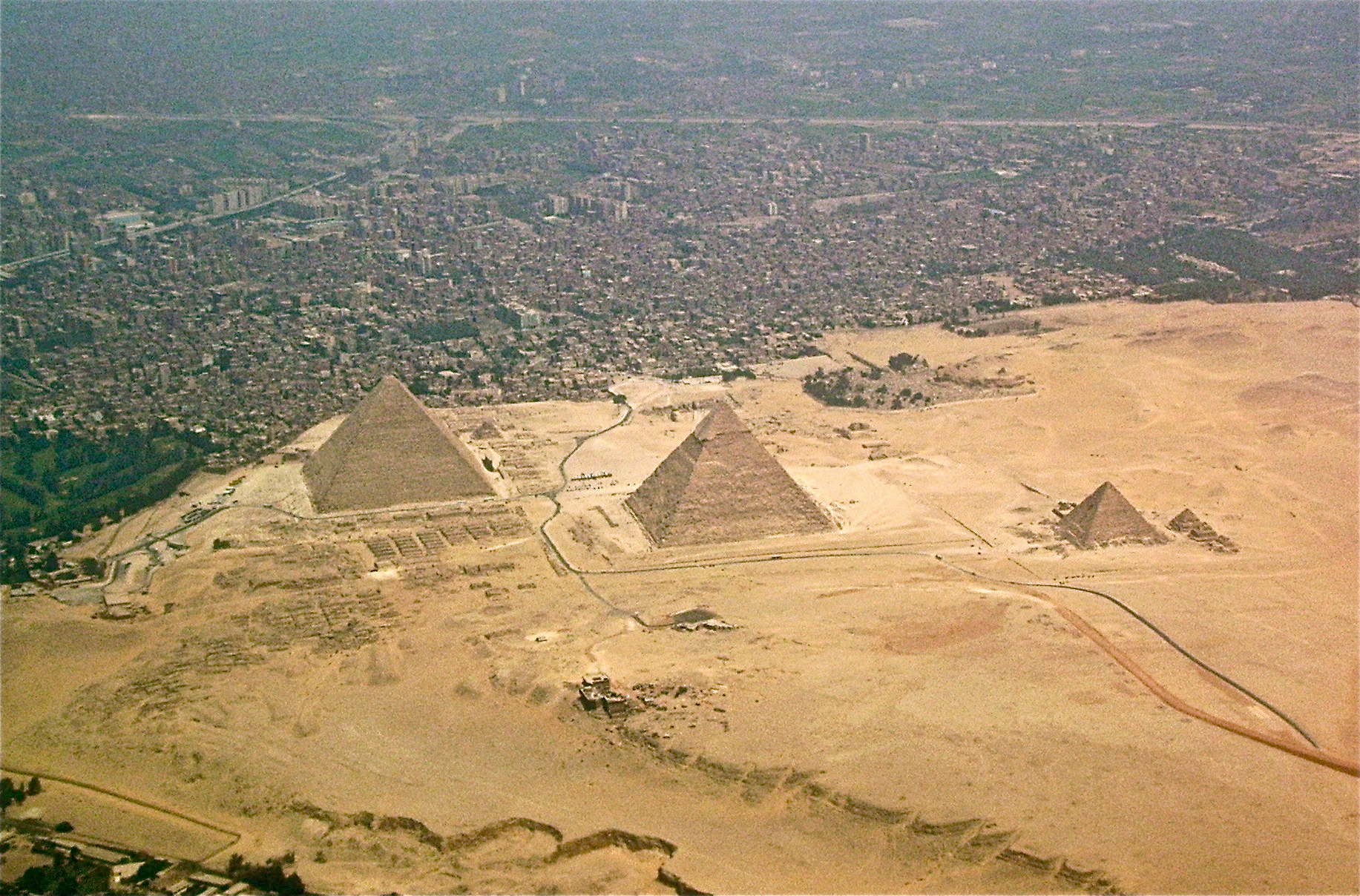
No discussion of ancient wonders is complete without mentioning the Great Pyramids of Giza. Built over 4,500 years ago, these colossal structures remain one of humanity’s most enduring unsolved puzzles. The precision with which the massive stone blocks – some weighing many tons – were quarried, transported, and assembled is astounding. The alignment of the pyramids with cardinal directions and specific celestial bodies speaks to an advanced understanding of astronomy and mathematics.
While mainstream archaeology posits the use of ramps, levers, and sheer manpower, the sheer scale of the undertaking, coupled with the incredible accuracy, has led many to speculate about more sophisticated methods. Were there techniques for stone-cutting or lifting that have been lost to us? Did the ancient Egyptians possess a deeper understanding of physics or acoustics that aided their construction? The answers remain elusive, fueling endless debates and theories.

Stonehenge: A Celestial Calendar or Ritualistic Temple?
Across the globe, in Salisbury Plain, England, stands Stonehenge, another prehistoric monument shrouded in ancient mystery. This iconic ring of standing stones, some weighing up to 50 tons, was erected between 3000 and 2000 BC. The sarsen stones were transported from Marlborough Downs, 20 miles away, and the smaller bluestones from the Preseli Hills in Wales, a journey of over 150 miles. How these massive stones were moved and then precisely positioned, often with lintels balanced atop, continues to baffle engineers and archaeologists.
Stonehenge’s primary purpose is also a subject of intense speculation. Its alignment with the solstices and equinoxes strongly suggests an astronomical observatory or calendar. However, evidence of burials and ritualistic practices points to its use as a sacred site, possibly for healing or ancestor worship. Was it a complex astronomical computer, a temple for sun worship, or perhaps both? The true function of Stonehenge, and the specific knowledge required to build it, remains one of history’s most compelling unsolved puzzles.

Puma Punku: Precision Stonecraft from an Unknown Past
In the highlands of Bolivia lies Puma Punku, part of the larger Tiwanaku site. What makes Puma Punku particularly intriguing is its extraordinary stonework. The ruins feature incredibly intricate and precise cuts, mortises, and tenons in massive blocks of andesite and diorite – stones so hard they are difficult to work even with modern tools. Some blocks exhibit perfectly straight lines, uniform depressions, and sharp internal corners that appear to have been cut with laser-like precision.
The H-shaped blocks, in particular, are remarkable for their uniformity, suggesting a form of modular construction or even prefabrication. The scale of the blocks, some weighing over 100 tons, combined with the extreme hardness of the material and the high altitude (nearly 13,000 feet), makes the construction methods a profound ancient mystery. Who built Puma Punku, and how did they achieve such unparalleled stonecutting and fitting? The sheer precision hints at a lost knowledge of engineering and tools far beyond what is typically attributed to pre-Incan cultures.
Lost Civilizations and Vanished Empires
Beyond individual structures, entire civilizations have faded into the mists of time, leaving behind fragments of their existence and tantalizing clues about their rise and fall. These stories of lost knowledge and forgotten cultures fuel our fascination with the past.
Atlantis: Myth, Legend, or a Buried Truth?
Perhaps the most famous ancient mystery of all is the lost city of Atlantis. First described by the Greek philosopher Plato, Atlantis was depicted as a technologically advanced island civilization that sank into the sea in a single day and night of catastrophic events. For centuries, scholars and adventurers have debated whether Atlantis was a purely allegorical tale, a cautionary myth, or a historical account of a real place.
The enduring appeal of Atlantis lies in its promise of a lost golden age, a civilization that possessed incredible lost knowledge and power before its dramatic demise. While no definitive archaeological evidence has ever been found, the legend continues to inspire searches in various locations, from the Mediterranean to the Caribbean. The story of Atlantis serves as a powerful reminder of the fragility of even the most advanced societies and the potential for knowledge to be lost forever.
The Maya Collapse: An Ecological Puzzle?
The Classic Maya civilization, which flourished in Mesoamerica from around 250 to 900 CE, developed an incredibly sophisticated culture. They were masters of astronomy, mathematics, and writing, creating intricate calendars and monumental cities adorned with elaborate carvings. Yet, around the 9th century, many of their great cities in the southern lowlands were mysteriously abandoned, marking what historians call the “Maya collapse.”
The reasons behind this rapid decline remain an unsolved puzzle. While several theories exist, including warfare, disease, and political instability, many scholars now point to environmental factors. Prolonged droughts, deforestation, and overpopulation may have led to widespread agricultural failure and resource depletion. The Maya’s inability to adapt to these ecological pressures, despite their advanced understanding of their environment, highlights a complex interplay between society and nature. Their lost knowledge wasn’t technological, perhaps, but rather the ability to sustain their complex society in the face of environmental stress.
The Indus Valley Civilization: An Unreadable Script
The Indus Valley Civilization, also known as the Harappan Civilization, thrived between 2500 and 1900 BCE in what is now Pakistan and northwest India. It was one of the world’s three early cradles of civilization, alongside ancient Egypt and Mesopotamia. This vast urban culture boasted impressive city planning, with sophisticated water management systems, grid-like street layouts, and advanced sanitation. Yet, much about them remains an ancient mystery.
The most significant unsolved puzzle is their undeciphered script. Thousands of short inscriptions have been found on seals, pottery, and tablets, but without a Rosetta Stone equivalent, their language remains a mystery. This means we lack direct written accounts of their history, beliefs, and societal structure. What kind of stories do these symbols hold? What lost knowledge about their governance, religion, or daily life is hidden within them? The inability to read their script leaves a vast void in our understanding of one of the ancient world’s most sophisticated societies.
Enigmatic Artifacts and Unsolved Puzzles
Sometimes, the past doesn’t speak through grand structures or vanished cities, but through small, intricate objects. These enigmatic artifacts offer glimpses into lost knowledge and technological prowess that seem out of place for their time, sparking endless speculation.
The Antikythera Mechanism: An Ancient Analog Computer
Discovered in a shipwreck off the coast of the Greek island of Antikythera in 1901, this corroded bronze device is perhaps the most astonishing enigmatic artifact ever found. Dating back to the 2nd century BCE, the Antikythera Mechanism is an incredibly complex astronomical calculator, often referred to as the world’s first analog computer.
Using a sophisticated system of interlocking bronze gears, the device could predict astronomical positions and eclipses decades in advance, track the cycles of the moon and sun, and even calculate the dates of ancient Olympic Games. Its complexity far surpasses anything else known from that era, suggesting a lost knowledge of precision engineering and astronomical calculation that wasn’t seen again until the medieval period. The existence of such a device forces us to rethink the technological capabilities of the ancient Greeks.
The Voynich Manuscript: A Code Unbroken for Centuries
Among the most famous unsolved puzzles in the world is the Voynich Manuscript. This medieval codex, dating from the early 15th century, is filled with strange illustrations of unknown plants, astronomical diagrams, and bathing women, all accompanied by a completely unknown writing system. Despite intense efforts from cryptographers, linguists, and computer scientists for over a century, the Voynich Manuscript remains entirely undeciphered.
Is it an elaborate hoax, a sophisticated code, a lost language, or perhaps a medical or botanical text from a forgotten culture? Its unique script and cryptic imagery have resisted every attempt at translation, making it one of the most enduring ancient mysteries. The manuscript hints at a lost knowledge that could be anything from ancient herbal remedies to forgotten philosophical concepts, all locked away within its enigmatic pages.
The Nazca Lines: Geoglyphs for the Gods?
Stretching across the arid plains of Peru, the Nazca Lines are a series of enormous geoglyphs depicting animals, geometric shapes, and humanoid figures. Created by the Nazca culture between 500 BCE and 500 CE, these massive designs are best viewed from the air, raising questions about their purpose and the methods used to create them.
The sheer scale of the Nazca Lines, some stretching for hundreds of meters, and their precise execution without an aerial vantage point, represent an ancient mystery. Were they astronomical calendars, ritual pathways, or perhaps signals to deities? The effort required to create these intricate designs, simply by removing dark surface rocks to expose lighter soil beneath, suggests a profound significance. The lost knowledge involved might not be about technology, but about a deep connection to the land, the cosmos, and a spiritual worldview that we can only begin to fathom.
Whispers of Lost Knowledge
Beyond specific artifacts or structures, the study of ancient mysteries often leads us to ponder the broader scope of lost knowledge. What intellectual treasures, scientific principles,