
Challenging History: Unearthing Provocative and Controversial Archaeological Finds
Archaeology, at its heart, is the study of human history through material remains. But sometimes, what we unearth doesn’t quite fit the neat timelines and established narratives we’ve grown accustomed to. These “out-of-place” artifacts and perplexing sites spark intense debates, leading some to question whether there is a “forbidden archaeology” that mainstream science ignores, or whether certain “controversial discoveries” hint at a “suppressed history.” Get ready to dive into some of the most captivating and fiercely debated finds that continue to challenge our understanding of the past.
Archaeology isn’t always a tidy progression of discoveries; sometimes, it’s a messy, passionate argument fueled by inexplicable artifacts and sites that seem to defy our current understanding of ancient civilizations. From complex mechanisms found in ancient shipwrecks to alleged cities at the bottom of the ocean, these finds force us to confront uncomfortable questions: Did advanced civilizations exist far earlier than we believe? Are there chapters of human history that have been lost or deliberately overlooked?
What Makes an Archaeological Find “Controversial”?
A discovery earns its “controversial” label when it fundamentally challenges established archaeological paradigms, lacks definitive evidence, or sparks intense academic (and public) infighting. Often, these are what we call “Out-of-Place Artifacts” or OOPArts – objects that appear to be too advanced or complex for the era they were supposedly created in. For some, these are proof of forgotten technologies or alien influence; for others, they are simply misinterpreted or “debunked theories” awaiting solid scientific explanation. The allure often lies in the suggestion of a “suppressed history,” where official narratives might be incomplete or even deliberately misleading.
The “Out-of-Place” Artifacts (OOPArts) That Baffle Experts
The world is dotted with artifacts that, at first glance, seem to defy their own timelines. These OOPArts ignite the imagination, suggesting a past far more complex and mysterious than we give it credit for.

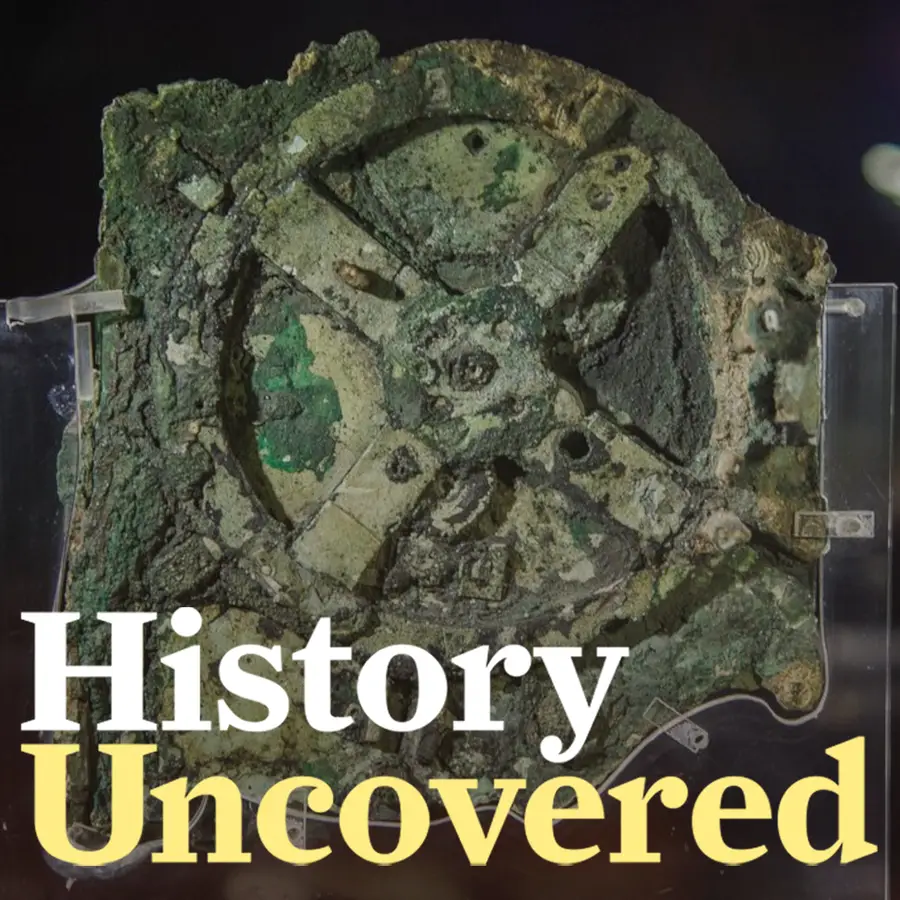
The Antikythera Mechanism: An Ancient Computer?
Discovered in a shipwreck off the coast of the Greek island of Antikythera in 1901, this corroded bronze device initially appeared to be little more than a calcified lump. However, painstaking analysis revealed an intricate system of gears and dials, far more complex than anything else known from its era (around the 1st century BCE). It’s now widely understood to be an astronomical calculator, capable of predicting eclipses, planetary positions, and even Olympic games cycles with astonishing accuracy