
Unmasking Censored Histories: Illuminating Hidden Truths and Historical Cover-Ups
Have you ever wondered if the history we’re taught is the whole story? It’s a question that lingers in the minds of curious individuals, from seasoned history scholars to everyday truth-seekers. The official narratives, neatly packaged in textbooks and public monuments, frequently gloss over inconvenient facts, omit crucial details, or outright bury uncomfortable truths. This isn’t always accidental; it is often the deliberate result of what we call suppressed history and historical cover-ups. These hidden truths, once brought to light, can fundamentally alter our understanding of the past and, by extension, our present.
For generations, power structures, driven by various motives, have skillfully crafted narratives that serve their interests, leaving vast swaths of history in the shadows. But what does it mean for history to be “censored”? It refers to the deliberate act of preventing information about past events from being known, usually by those in authority. This process often involves revisionist history, where existing narratives are altered or reinterpreted to fit a new agenda—sometimes honestly, sometimes deceptively. This article delves into the intriguing world of hidden truths, exploring why certain historical events are swept under the rug, how these cover-ups are maintained, and the profound impact of bringing them to light. Join us as we critically examine the mechanisms of historical suppression and empower ourselves to seek a more complete understanding of our shared human story.

Why Do Histories Get Suppressed? Unpacking the Motives Behind Historical Cover-Ups
The reasons behind historical cover-ups are as varied as the events themselves, but they consistently revolve around the protection of power, reputation, or deeply held beliefs. Understanding these motives is the first step in recognizing when suppressed history might be at play. It’s not always about malicious intent; sometimes, it’s about perceived necessity or national pride.

Political Agendas and Power Consolidation
Governments and political regimes frequently censor history to maintain control and legitimize their rule. By shaping the historical narrative, they can foster a sense of national unity, demonize opponents, or justify past actions. Think about authoritarian states that rewrite textbooks to portray their leaders as infallible heroes, completely omitting periods of dissent or economic hardship. This kind of revisionist history serves to solidify their grip on power, ensuring that citizens learn a version of the past that reinforces loyalty and conformity.

Protecting National Identity and Reputation
Nations, much like individuals, are concerned with their image. Revelations of past atrocities, embarrassing defeats, or unethical practices can tarnish a nation’s reputation on the global stage and erode public trust domestically. Consequently, there is a strong incentive to downplay, deny, or completely erase such events from public consciousness. The desire to present a flawless national identity often leads to the systematic suppression of historical facts that contradict this idealized self-perception.
Economic Interests and Corporate Influence
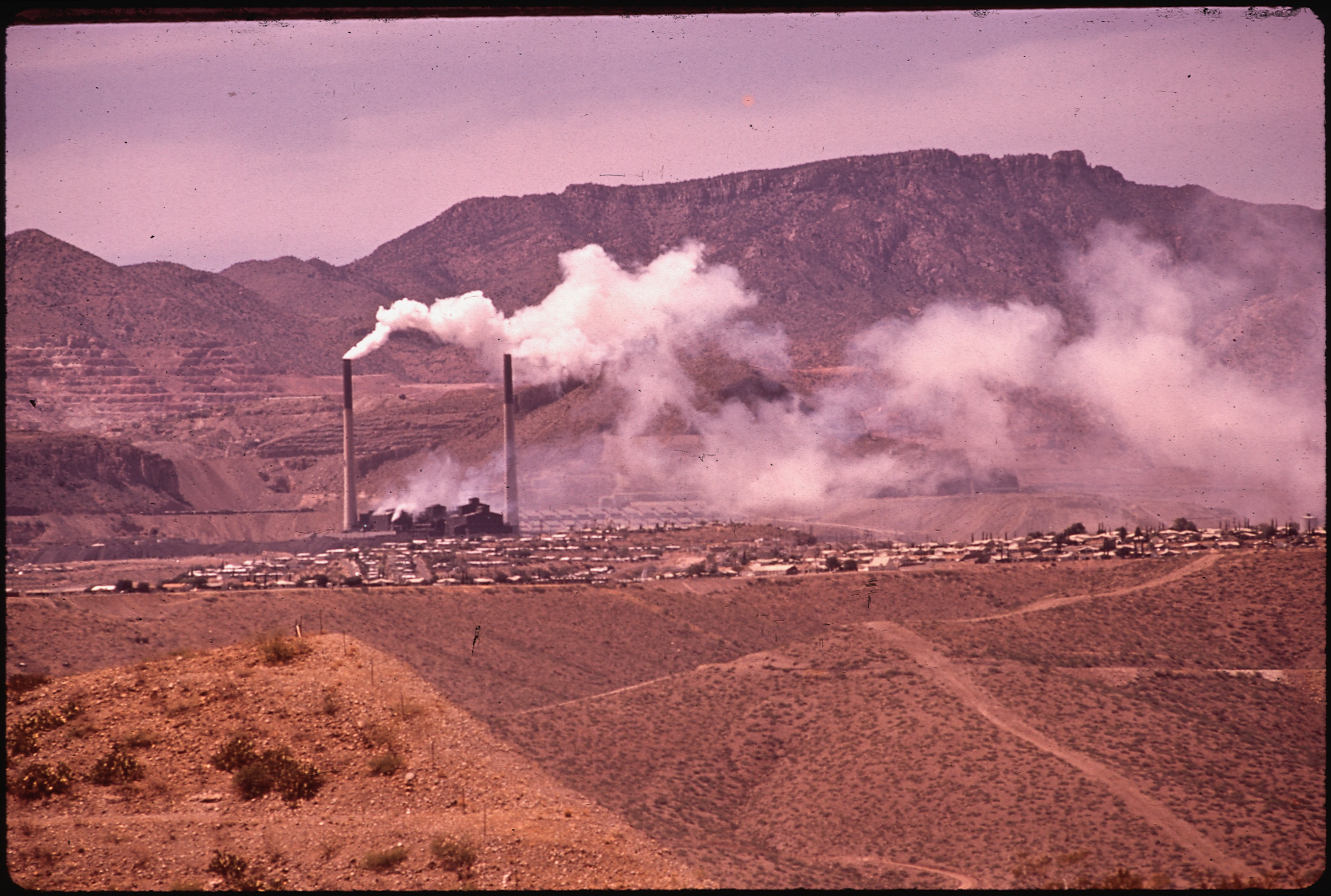
Sometimes, the forces behind hidden truths aren’t governmental but economic. Powerful corporations or industries may have a vested interest in concealing their historical involvement in unethical labor practices, environmental damage, or dangerous product development. For instance, the long history of tobacco companies suppressing research on the dangers of smoking is a stark reminder of how economic motives can fuel extensive historical cover-ups. The pursuit of profit can be a powerful motivator for obscuring inconvenient truths.

Social and Cultural Norms: Silencing Dissent
Beyond politics and economics, societal norms and cultural sensitivities can also contribute to the suppression of history. Certain events or perspectives might be deemed too controversial, too disturbing, or too challenging to prevailing social values. This can lead to the silencing of marginalized voices or the omission of stories that don’t fit the dominant cultural narrative. For example, the struggles and contributions of minority groups were often ignored or minimized in mainstream historical accounts for centuries, only gaining recognition through dedicated efforts to unearth these suppressed histories.
The Mechanics of Obscurity: How Hidden Truths Are Buried
So, how exactly are these historical cover-ups achieved? It’s a multi-faceted process that employs various techniques, from controlling information flow to actively destroying evidence. Understanding these methods is crucial for anyone seeking to uncover hidden truths.
Archival Control and Document Redaction
One of the most effective ways to control history is to control the historical record itself. Governments and institutions often classify documents, restrict access to archives, or redact sensitive information from publicly available files. Declassified documents sometimes arrive heavily censored, with large sections blacked out, making it challenging to piece together the full story. This deliberate gatekeeping ensures that certain narratives remain suppressed history, inaccessible to researchers and the public alike.