Unmasking Censored Histories: Illuminating Hidden Truths and Historical Cover-Ups
Have you ever wondered if the history you learned in school is the complete picture? Is it possible that significant events, pivotal figures, or even entire narratives have been deliberately omitted, altered, or simply swept under the rug? For history scholars and truth-seekers alike, the pursuit of a full and accurate understanding of our past is not just an academic exercise; it’s a moral imperative. We live in an age where information is abundant, yet the shadows of propaganda and selective storytelling still loom large, often obscuring the genuine fabric of human events.
This article delves into the intriguing, often frustrating, world of suppressed history. We’re going to explore the mechanisms behind historical cover-ups, uncover why certain inconvenient facts become hidden truths, and examine how intrepid individuals and dedicated researchers are working tirelessly to bring these secrets to light. From political machinations to economic interests, we’ll peel back the layers of carefully constructed narratives to reveal the untold stories that shape our present and could redefine our future. Join us as we embark on an investigative journey, critically examining the past to truly understand the present.

The Nature of Historical Cover-Ups: Why Do They Happen?
The notion that history can be intentionally concealed might seem cynical, but it’s a reality deeply embedded in human power structures. Historical cover-ups aren’t random occurrences; they are often calculated acts driven by specific motivations. Understanding these motivations is the first step in unmasking the hidden truths that lie beneath official accounts. Why would anyone go to such lengths to alter or erase the past?

Political Agendas and Power Dynamics
Perhaps the most prevalent reason for historical suppression is the desire to maintain political power. Governments, regimes, and ruling elites often curate history to legitimize their authority, demonize opponents, or unify a populace under a specific ideology. Think about how many dictatorships have rewritten textbooks to portray their leaders as benevolent saviors while erasing any record of their atrocities. It’s a classic tactic: control the narrative, control the people.
- Legitimizing Rule: Presenting a fabricated lineage or a heroic origin story to justify current power.
- Demonizing Opponents: Erasing or distorting the contributions of rival groups or past regimes.
- National Unity: Crafting a unified national identity by omitting divisive or uncomfortable historical events.
- Classification: Labeling documents as “secret,” “top-secret,” or “confidential” to prevent public scrutiny.
- Delayed Release: Holding back documents for extended periods, sometimes for 50 years or more, until key witnesses or victims are no longer alive.
- Deliberate Destruction: The outright destruction of records that could incriminate individuals or institutions.
- Selective Reporting: Focusing on certain aspects of an event while ignoring others.
- Framing: Presenting information in a way that encourages a particular interpretation.
- Disinformation Campaigns: Spreading false or misleading information to confuse or discredit dissenting voices.
- Omission: Simply leaving out uncomfortable or inconvenient historical events.
- Emphasis: Highlighting certain aspects of history while downplaying others.
- Distortion: Presenting biased or inaccurate accounts of events.
- Who is telling this story, and what might their agenda be?
- What evidence is presented, and is it reliable?
- Are there alternative perspectives or conflicting accounts?
- What information might be missing or deliberately omitted?
- Seek Primary Sources: Always prioritize original documents, eyewitness accounts, and artifacts over secondary interpretations.
- Corroborate Evidence: Look for multiple independent sources that confirm the same information. If only one source makes an extraordinary claim, proceed with extreme caution.
- Evaluate the Source’s Credibility: Is the author an expert? Do they have a clear bias? Is the publication reputable and peer-reviewed?
- Consider the Context: Understand the historical, political, and social context in which the events occurred.
- Identify Logical Fallacies: Be aware of common logical fallacies, such as appeals to emotion, ad hominem attacks, or false equivalences, which often accompany disinformation.
- National Archives and Records Administration (NARA) – A primary source for U.S. government documents.
- National Security Archive – An independent non-governmental research institute and library that collects and publishes declassified U.S. government documents.
- American Historical Association – Professional organization for historians, promoting historical scholarship.
- <img src=”historical-documents-archive.jpg” alt=”A historian examining old, yellowed documents in a dimly lit archive, symbolizing the search for suppressed history.”>
- <img src=”censored-mouth.jpg” alt=”A person’s mouth covered by a hand, depicting the silencing of hidden truths and historical cover-ups.”>
- <img src=”tulsa-massacre-newspaper.jpg” alt=”An old newspaper clipping reporting on the Tulsa Race Massacre, highlighting a previously suppressed historical event.”>
- <img src=”critical-thinking-magnifying-glass.jpg” alt=”A magnifying glass over a history book, symbolizing critical thinking and the scrutiny of revisionist history.”>

Economic Interests and Corporate Influence
Beyond politics, significant economic interests frequently play a role in shaping historical narratives. Corporations, industries, and powerful financial entities have a vested interest in protecting their reputations, avoiding accountability for past misdeeds, or ensuring favorable public perception. This can lead to the suppression of information about environmental damage, labor exploitation, or unethical business practices that occurred decades ago but could still impact current operations or public trust.
Consider the history of certain industries, where early practices caused widespread harm but were downplayed or actively concealed for decades. The tobacco industry’s long campaign to obscure the health risks of smoking is a stark reminder of how economic power can warp public understanding of scientific and historical facts.

Societal Shame and Collective Memory
Sometimes, the impulse to suppress history comes not from malicious intent but from a collective societal discomfort or shame. Nations, communities, or even families may find certain aspects of their past too painful, embarrassing, or morally reprehensible to confront directly. This can lead to a collective amnesia, where traumatic events, injustices, or morally ambiguous actions are simply not discussed, taught, or acknowledged in official records.
For example, many countries have struggled to fully acknowledge the atrocities committed during periods of colonialism or slavery. The discomfort is understandable, but the consequence is a fragmented understanding of history that fails to account for the experiences of marginalized groups and the lasting impact of these events.
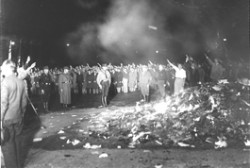
Ideological Control and Narrative Shaping
Ideologies, whether political, religious, or philosophical, often seek to establish dominance by shaping the accepted version of history. This involves promoting narratives that support the ideology’s core tenets while actively suppressing any information that contradicts them. This isn’t just about politics; it can extend to scientific understandings, cultural heritage, and even personal beliefs.
The suppression of scientific discoveries that challenged established religious dogma in past centuries is a clear example. The aim was to maintain an ideological framework, even at the cost of scientific truth. This constant battle over narrative control underscores why the pursuit of hidden truths is so vital for intellectual freedom.
Tools of Suppression: How History Gets Hidden
Knowing why history is suppressed is only half the battle; understanding how it’s done is equally crucial for any truth-seeker. The methods used to obscure the past are varied and sophisticated, ranging from overt censorship to subtle manipulation. These tools collectively create the fog that obscures suppressed history.
Archival Secrecy and Document Control
One of the most direct ways to control history is to control the historical records themselves. Governments and powerful organizations often classify documents, restrict access to archives, or even destroy inconvenient evidence. This can make it incredibly difficult for researchers to piece together events, especially when key documents are held under lock and key for decades, if not forever.
The struggle to access declassified documents from intelligence agencies often highlights this challenge, revealing how much information remains hidden from public view long after events have passed.
Propaganda and Media Manipulation
In the modern era, the media plays a powerful role in shaping public perception. Propaganda, often disguised as objective reporting or entertainment, can be used to promote a preferred version of history while discrediting alternative narratives. This manipulation can take many forms:
The influence of state-controlled media in totalitarian regimes is an obvious example, but even in democracies, subtle biases and corporate interests can lead to a skewed historical perspective. Understanding media literacy is paramount for discerning hidden truths.
Educational Curriculum and Textbook Bias
The education system is a primary vehicle for transmitting historical knowledge to new generations. Consequently, controlling the curriculum and the content of textbooks is a highly effective way to shape a nation’s collective memory. This can involve:
Disputes over how to teach sensitive topics, such as the origins of a conflict or the treatment of indigenous populations, are common battlegrounds for those seeking to control the historical narrative. What isn’t taught can be just as impactful as what is.
Silencing Dissent and Persecuting Whistleblowers
Perhaps the most chilling method of historical suppression is the direct silencing of those who try to reveal hidden truths. Historians, journalists, activists, and whistleblowers who challenge official narratives or expose cover-ups often face severe consequences, ranging from professional ostracism and character assassination to imprisonment or even death.
The persecution of individuals who leak classified documents, even if those documents expose government wrongdoing, serves as a stark warning to others who might consider revealing suppressed history. This creates an environment of fear that allows cover-ups to persist unchallenged for extended periods.
Case Studies in Suppressed History: Illuminating Hidden Truths
To truly grasp the impact of historical cover-ups, it’s essential to examine specific instances where hidden truths have been brought to light. These examples demonstrate the resilience of truth and the dedication of those who refuse to let history be forgotten.
The Tulsa Race Massacre: A Century of Silence
For decades, one of the worst acts of racial violence in American history was largely erased from public memory. In 1921, a prosperous Black community in Tulsa, Oklahoma, known as “Black Wall Street,” was attacked by a white mob. Hundreds of people were killed, and thousands were left homeless as homes and businesses were burned to the ground. Yet, for nearly 75 years, this horrific event was omitted from history books, local records, and public discourse.
The reasons for this suppression were complex, involving racial prejudice, a desire to avoid accountability, and a collective societal reluctance to confront a shameful past. It wasn’t until the late 1990s and early 2000s that concerted efforts by historians, journalists, and survivors finally forced the massacre into the national consciousness, leading to official state recognition and ongoing efforts for reparations. This serves as a powerful testament to how deeply suppressed history can be buried and the long road to its unmasking.
Operation Mockingbird and Media Influence
The relationship between intelligence agencies and the media has long been a subject of speculation and concern. In the 1970s, investigations, particularly by the Church Committee in the U.S. Senate, revealed the existence of “Operation Mockingbird,” a CIA program that allegedly involved using journalists and media outlets for propaganda purposes during the Cold War. While the full extent and nature of the program remain debated, the revelations underscored how government agencies could potentially manipulate public opinion and historical narratives through covert media operations.
The implications are profound: if intelligence agencies can secretly influence news reporting, then the very sources we rely on for historical information might have been compromised. This raises critical questions about the objectivity of historical accounts from that era and highlights the importance of scrutinizing all sources for potential biases and hidden agendas.
The True Cost of Colonialism: Unacknowledged Atrocities
Colonialism, often presented in historical narratives as a civilizing mission, has a far darker side that many former colonial powers have been slow to acknowledge. The brutal exploitation, violence, and cultural destruction inflicted upon indigenous populations across the globe were frequently downplayed or ignored in official histories for centuries. From the Belgian Congo to British India, the true scale of human suffering and resource plunder was immense.
Today, a growing movement of historians, indigenous scholars, and activists are working to bring these hidden truths to the forefront. They are challenging the romanticized versions of colonial history, demanding recognition for past atrocities, and advocating for reparations and restitution. This ongoing process of decolonizing history is a powerful example of how revisionist history, driven by new perspectives and evidence, can fundamentally alter our understanding of global events.
Scientific Discoveries and the Status Quo
It’s not just political or social history that can be suppressed; scientific understanding can also face resistance. Throughout history, groundbreaking scientific discoveries that challenged prevailing paradigms or powerful institutions have sometimes been met with skepticism, ridicule, or outright suppression. Think of Galileo Galilei’s persecution for supporting the heliocentric model, which contradicted the geocentric view endorsed by the Church.
Even in modern times, research that threatens the profitability of certain industries (e.g., fossil fuels, pharmaceuticals) or challenges deeply held beliefs can face significant pressure, funding cuts, or attempts to discredit the findings. The battle for scientific truth is often intertwined with economic and ideological interests, making the unmasking of these particular hidden truths a continuous struggle.
The Role of Revisionist History in Unmasking the Past
The term “revisionist history” can sometimes carry negative connotations, implying a deliberate distortion of facts. However, in its purest and most academic sense, it refers to the legitimate process of re-examining existing historical narratives in light of new evidence, perspectives, or methodologies. This critical re-evaluation is absolutely essential for unmasking suppressed history and illuminating hidden truths.
Challenging Dominant Narratives
Every society has its dominant historical narratives – the stories it tells itself about its origins, its heroes, and its pivotal moments. Revisionist history dares to question these narratives. It asks: Whose voices have been excluded? What evidence has been overlooked? How might power structures have influenced the accepted version of events?
This process is not about erasing the past but about enriching it, making it more inclusive and accurate. It acknowledges that history is not a static collection of facts but an ongoing interpretation, subject to change as new information emerges and societal values evolve.
New Evidence and Methodologies
The unmasking of hidden truths often relies on the discovery of new evidence. This could be declassified government documents, newly translated ancient texts, archaeological finds, or previously overlooked personal accounts. Furthermore, new methodologies in historical research, such as oral history, digital humanities, and interdisciplinary approaches (combining history with sociology, anthropology, or psychology), allow scholars to analyze existing evidence in fresh ways and uncover previously unseen patterns or biases.
For instance, advancements in forensic archaeology have helped uncover details about mass graves and atrocities that were long denied or minimized, providing irrefutable evidence for historical cover-ups.
The Ethical Imperative of Historical Inquiry
For history scholars and truth-seekers, the pursuit of revisionist history is an ethical imperative. It’s about ensuring that the victims of past injustices are remembered, that accountability is sought, and that future generations learn from the mistakes of the past. Ignoring suppressed history not only perpetuates injustice but also leaves us vulnerable to repeating similar errors.
The commitment to historical accuracy, even when it’s uncomfortable, is a cornerstone of a healthy, self-reflective society. It allows us to build a more just and equitable future by confronting the complexities of our past. Ethical historical inquiry demands rigor and an open mind.
Empowering the Truth-Seeker: How You Can Help Uncover Hidden Truths
Unmasking censored histories isn’t solely the domain of professional historians. As truth-seekers, we all have a role to play in advocating for and uncovering hidden truths. Your critical engagement and support are vital in the ongoing battle against historical cover-ups.
Critical Thinking and Source Verification
In an age of information overload, developing strong critical thinking skills is perhaps the most important tool you possess. Don’t passively accept information, especially historical narratives, at face value. Ask questions:
Always cross-reference information from multiple, diverse sources. Learn to identify biases and evaluate the credibility of authors and publishers. This vigilance is your first line of defense against the perpetuation of suppressed history.
Supporting Independent Research and Journalism
Many of the most significant breakthroughs in unmasking historical cover-ups come from independent historians, investigative journalists, and non-profit organizations that are not beholden to corporate or governmental interests. These individuals and groups often operate with limited resources and face significant challenges.
Consider supporting their work through subscriptions, donations, or simply by sharing their findings widely. Their ability to conduct unbiased research and report on uncomfortable truths is critical to illuminating hidden truths. Look for organizations dedicated to investigative journalism and archival transparency.
Advocating for Open Archives and Transparency
Much of suppressed history remains hidden behind closed doors in government archives, corporate records, and private collections. As citizens, we can advocate for greater transparency and open access to historical documents. Support legislation that mandates timely declassification of government records and challenges excessive secrecy. Petitioning institutions to release historical data can make a real difference.
The more open our archives are, the more opportunities there are for researchers to uncover crucial pieces of the puzzle and challenge official narratives. This proactive stance is essential for preventing future historical cover-ups.
Engaging in Thought-Provoking Discussions
Don’t be afraid to discuss sensitive or controversial historical topics. Engaging in respectful, evidence-based conversations with others is a powerful way to challenge conventional wisdom and explore alternative interpretations of the past. Join historical societies, participate in online forums, or simply talk with friends and family about what you’ve learned.
These discussions can help normalize the idea of questioning established narratives and foster a collective commitment to seeking a more complete and accurate understanding of history. Every conversation about a hidden truth helps bring it further into the light.
Navigating the Complexities: Distinguishing Fact from Fiction
The journey to unmask censored histories is not without its pitfalls. In our quest for hidden truths, we must also be vigilant against misinformation and conspiracy theories that can muddy the waters and undermine legitimate historical inquiry. Distinguishing genuine suppressed history from unfounded speculation is crucial for any serious truth-seeker.
The Challenge of Disinformation
The digital age has made it easier than ever for both genuine historical research and baseless disinformation to spread rapidly. While some individuals work tirelessly to expose historical cover-ups with rigorous evidence, others exploit the public’s distrust in official narratives to promote fabricated stories or malicious propaganda. This makes the task of verification even more challenging.
It’s important to recognize that not every claim of “suppressed history” is valid. A healthy skepticism towards official narratives should be balanced with an equally healthy skepticism towards sensational claims lacking credible evidence.
Methodologies for Verifying Suppressed History Claims
When encountering claims about hidden truths, apply a methodical approach to verification:
This rigorous approach ensures that our pursuit of suppressed history is grounded in evidence and intellectual honesty, rather than falling prey to conjecture or deliberate falsehoods.
Conclusion: The Enduring Quest for Historical Accuracy
The journey of unmasking censored histories is a continuous, vital endeavor. It’s a pursuit that demands courage, critical thinking, and an unwavering commitment to truth. We’ve explored the myriad reasons why historical cover-ups occur, from political expediency and economic interests to societal shame, and examined the tools used to keep hidden truths out of sight. From the long-silenced horrors of the Tulsa Race Massacre to the subtle influences on media and education, the evidence is clear: history is not always what it seems.
However, the power of revisionist history, driven by new evidence and methodologies, offers a beacon of hope. It reminds us that history is not static; it’s an evolving narrative constantly shaped by ongoing discovery and re-interpretation. As truth-seekers, our role is crucial: to question, to investigate, and to advocate for transparency. By honing our critical thinking skills, supporting independent research, and engaging in open dialogue, we contribute to a more honest and comprehensive understanding of our collective past.
The work of illuminating suppressed history is far from over. There are countless untold stories waiting to be discovered, countless injustices waiting to be acknowledged. By actively seeking out these hidden truths, we not only honor those whose experiences were erased but also equip ourselves with the knowledge needed to build a more just and informed future. Keep digging, keep questioning, and never stop seeking the full story.
Subscribe for exclusive updates on suppressed historical evidence and join a community dedicated to uncovering the past!
Further Reading & Resources:
Image Alt Text Suggestions:
Schema Markup Recommendation (JSON-LD):
{
  "@context": "https://schema.org",
  "@type": "Article",
  "mainEntityOfPage": {
    "@type": "WebPage",
    "@id": "https://example.com/unmasking-censored-histories"
  },
  "headline": "Unmasking Censored Histories: Illuminating Hidden Truths and Historical Cover-Ups",
  "description": "Explore the world of suppressed history, historical cover-ups, and hidden truths. This investigative article delves into why history is concealed and how truth-seekers can help uncover revisionist history.",
  "image": [
    "https://example.com/images/historical-documents-archive.jpg",
    "https://example.com/images/censored-mouth.jpg"
  ],
  "datePublished": "2023-10-27T09:00:00+08:00",
  "dateModified": "2023-10-27T09:00:00+08:00",
  "author": {
    "@type": "Person",
    "name": "Your Name/Organization"
  },
  "publisher": {
    "@type": "Organization",
    "name": "Your Website Name",
    "logo": {
      "@type": "ImageObject",
      "url": "https://example.com/images/logo.png"
    }
  }
}
Social Sharing Optimization:
- Share Title: Unmasking Censored Histories: Illuminating Hidden Truths & Cover-Ups
- Share Description: Dive deep into suppressed history, historical cover-ups, and the hidden truths that shape our world. A must-read for scholars and truth-seekers. #SuppressedHistory #HiddenTruths #RevisionistHistory
- Hashtags: #SuppressedHistory #HiddenTruths #HistoricalCoverUps #RevisionistHistory #History #TruthSeekers #InvestigativeHistory