
Forbidden Archaeology Unveiled: Startling Discoveries that Challenge History’s Narratives
Introduction
What if everything we thought we knew about human history were suddenly called into question by startling new discoveries? Welcome to the captivating and controversial world of forbidden archaeology. This field delves into suppressed history, unearthing findings that dramatically challenge conventional narratives and upend long-accepted theories. As you journey through this article, prepare to have your perspective radically altered as we explore some of the most contentious discoveries in the realm of forbidden archaeology.

Unearthing Forbidden Archaeology
Forbidden archaeology is often disregarded or marginalized by mainstream scholars because it tends to challenge established views of human history. It presents archaeological evidence that contradicts the accepted timeline of human evolution and civilization—and for that reason, it is frequently met with hostility, skepticism, and outright denial. Yet despite the controversy, the field continues to grow, fueled by an ever-increasing number of inexplicable findings.
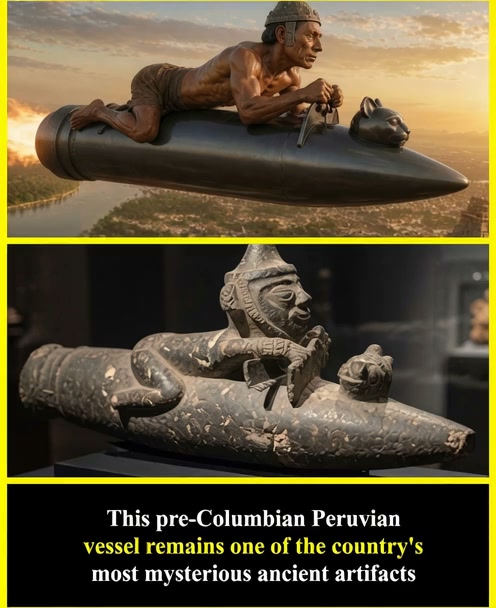
Startling Discoveries that Challenge Conventional History
Over the years, numerous forbidden archaeological discoveries have confounded scientists and historians alike. These findings defy traditional narratives, suggesting the existence of advanced civilizations, early human activity, or anomalous artifacts far older than mainstream history acknowledges.
- The Antikythera Mechanism: This complex ancient Greek device, discovered at the bottom of the sea, dates back to around 100 BC. Often described as the world’s first analog computer, it features intricate gears and dials that accurately predict astronomical positions and eclipses. This discovery challenges the long-held belief that such sophisticated technology did not exist until the Middle Ages.
- The Baghdad Battery: Found in Iraq and believed to have been created during the Parthian or Sassanid period (225 BC to AD 650), this artifact challenges our understanding of ancient technology. It suggests that our ancestors possessed knowledge of electricity long before its accepted discovery in the 18th century.
- The Sphinx Water Erosion Hypothesis: This theory posits that the Great Sphinx of Egypt bears signs of water erosion, which would suggest it is far older than the accepted dating of 2500 BC. If proven true, this could completely rewrite the history of ancient Egypt.

The Suppression of Forbidden Archaeology
The suppression of these controversial discoveries is a recurring theme in forbidden archaeology. Many believe this suppression stems from a fear of upending established historical and scientific narratives. Such concerns have led to accusations of cover-ups and the deliberate overlooking or dismissal of evidence that does not fit within the conventional understanding of human history.

Debunked Theories and the Fight for Acceptance
While some discoveries remain hotly debated, others have been thoroughly debunked. For instance, the infamous Piltdown Man—once hailed as the missing link between ape and man—was later revealed to be an elaborate hoax. Despite such setbacks, the field of forbidden archaeology continues to fight for acceptance, buoyed by the growing number of inexplicable discoveries that defy conventional wisdom.
Conclusion
The realm of forbidden archaeology is a fascinating one, filled with controversial discoveries that challenge our understanding of human history. From ancient batteries to intricate astronomical devices, these findings hint at a suppressed history far more complex and intriguing than mainstream archaeology acknowledges.
Whether you are a history enthusiast or a lover of unresolved mysteries, the world of forbidden archaeology offers a treasure trove of enigmas to explore. It invites us to question, to probe, and to challenge accepted narratives—reminding us that history, as we know it, is far from set in stone.

Call to Action
What do you think about these controversial discoveries? Do they challenge your understanding of human history? Do you believe there is a systemic suppression of such findings to preserve established narratives? Join the debate on forbidden archaeology in our community forum. Let’s dive deeper into these mysteries together and challenge the historical status quo.