
Hidden Empires Revealed: Unearthing Ancient Civilizations Through Modern Archaeology
The quest to unravel the secrets of ancient civilizations has long captivated the human imagination. The allure of hidden empires and lost civilizations stirs our curiosity and drives our desire for exploration. Modern archaeology plays a pivotal role in making significant archaeological discoveries possible. Through these efforts, the curtain is slowly lifting on the mysteries of ancient civilizations, offering us a deeper understanding of our shared human history.
The Allure of Hidden Empires
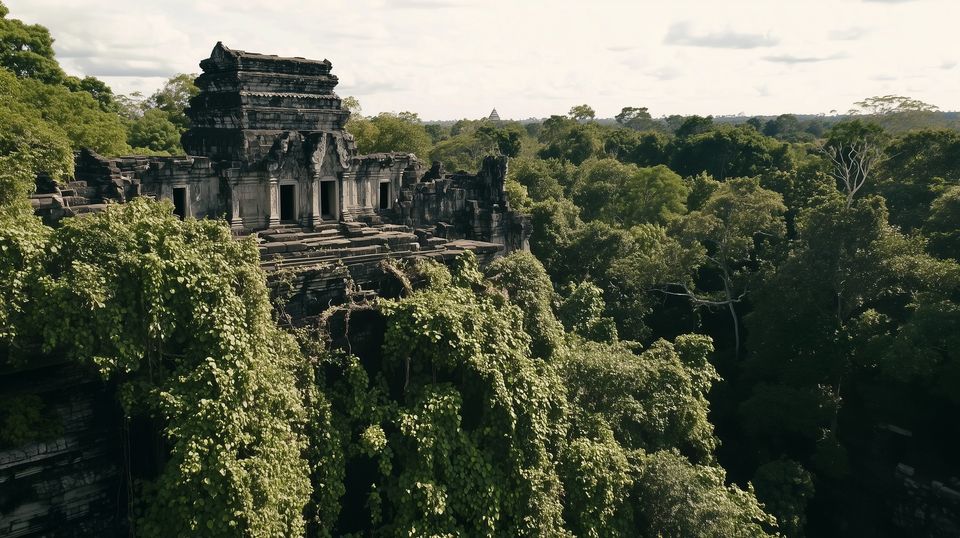
From Atlantis to the Lost City of Z, stories and myths of hidden empires have long intrigued us. These tales often depict advanced civilizations that somehow vanished without a trace. The idea of finding these lost empires and unlocking their secrets is an irresistible call for archaeologists around the world.
There is a certain romance to the idea of a lost civilization. It is as if these cultures, once vibrant and influential, carried their knowledge and achievements to an early grave, leaving us to puzzle over the fragments they left behind. The mystery these hidden empires present is a siren song to the curious mind, and their discovery is often a testament to the relentless human spirit of exploration and understanding.
The Role of Modern Archaeology
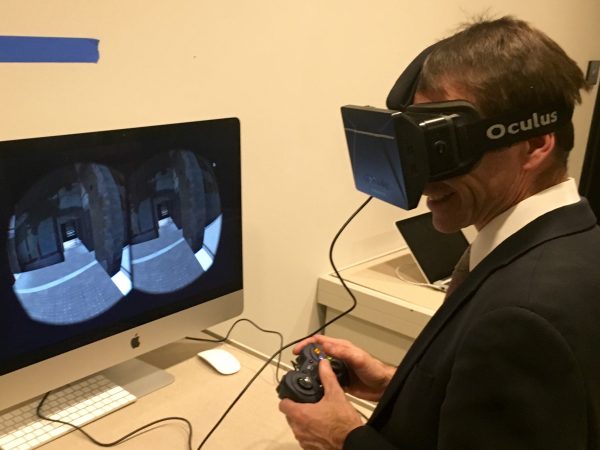
Modern archaeology is far from the romanticized image of treasure hunters digging for gold. It is a rigorous scientific discipline that employs cutting-edge technology and methodical research to unearth the remnants of the past. Archaeologists don’t just dig for artifacts; they dig for answers. They seek to understand how ancient civilizations lived, what they believed, and ultimately, why they disappeared.
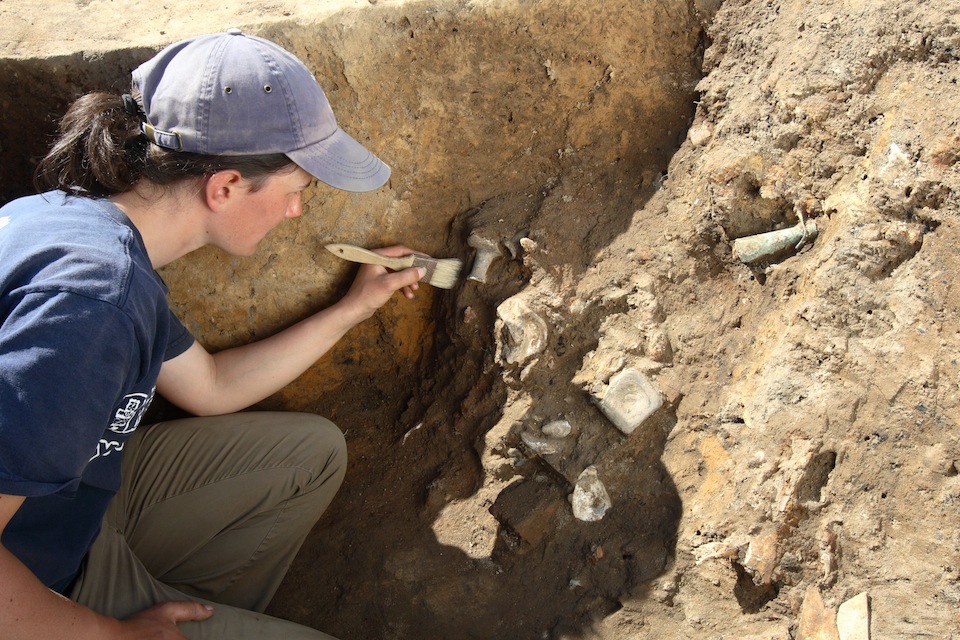
Archaeologists are like detectives of the past. They meticulously analyze every clue, every shard of pottery, every weathered piece of bone. Each discovery, no matter how small, can offer a wealth of information about our ancestors. Modern archaeology has evolved from a treasure-seeking endeavor into a comprehensive scientific field. It allows us to piece together the complex tapestry of human history, shedding light on the rise and fall of ancient civilizations.
Unearthing the Past: Archaeological Discoveries
The discovery of hidden empires usually begins with a tantalizing clue: an ancient manuscript, a local legend, an unusual artifact. These clues lead archaeologists to embark on expeditions, often in inhospitable regions, to unearth the remnants of lost civilizations. Over the years, many significant archaeological discoveries have reshaped our understanding of ancient civilizations.

The Lost City of the Monkey God
One such example is the discovery of the Lost City of the Monkey God in Honduras. For centuries, local legends spoke of a White City hidden deep in the jungle, a city abandoned by its inhabitants and reclaimed by nature. It was believed to be a place of immense wealth, but also of great danger. Despite multiple expeditions, the city remained elusive until the advent of LiDAR (Light Detection and Ranging) technology.
In 2012, an aerial survey using LiDAR revealed unnatural features beneath the dense Honduran rainforest. Subsequent ground expeditions confirmed the existence of an extensive, previously unknown pre-Columbian city. The discovery of this city, also known as La Ciudad Blanca, provided invaluable insights into the mysterious cultures of ancient Mesoamerica.

The Terracotta Army
Another notable discovery is the Terracotta Army in China. In 1974, farmers digging a well near Xi’an stumbled upon a life-sized terracotta soldier. This accidental discovery led to one of the most significant archaeological excavations of the 20th century.
The Terracotta Army, an impressive collection of more than 8,000 statues, each with unique facial features and attire, had been buried for over 2,000 years. This awe-inspiring army was created to protect the first Emperor of China, Qin Shi Huang, in his afterlife. The grandeur and scale of this hidden empire’s burial practices provided new insights into the power and beliefs of ancient China.
The Future of Archaeology
These discoveries are just the tip of the iceberg. With advances in technology, the field of archaeology is poised to uncover even more hidden empires. From ground-penetrating radar that can detect buried structures to DNA analysis that can reveal genetic relationships among ancient populations, modern tools are leading to exciting new discoveries.
Moreover, with the increasing use of satellite imagery and digital databases, archaeologists can now conduct research on a scale that was unimaginable just a few decades ago. These tools not only accelerate the pace of discovery but also allow for a more comprehensive understanding of the past.
Conclusion
The study of hidden empires and ancient civilizations is not merely an academic pursuit. It is a journey into our collective past, a quest to understand who we are and where we come from. As we continue to unearth these lost civilizations, we not only satisfy our curiosity but also gain valuable lessons from history.
So, history enthusiasts and archaeology buffs, are you ready to delve deeper into the mysteries of the past? Explore the secrets of hidden empires with our interactive timeline. It’s time to embark on a journey of discovery and unravel the fascinating stories of our ancient ancestors.