Suppressed Historical Evidence: Uncovering the Truth Behind Censored Narratives
Imagine walking into a vast library, only to discover that entire shelves have been emptied, books burned, and pages torn out—not by vandals, but by the very institutions sworn to preserve knowledge. Now imagine those missing volumes hold the keys to understanding who we really are, how power truly operates, and why the world works the way it does. That is not the plot of a dystopian novel; it is the reality of suppressed history.
For generations, we have been handed a sanitized version of the past—one carefully curated to maintain social order, protect reputations, and prop up dominant ideologies. But what happens when we start pulling at the loose threads? What happens when archaeologists, whistleblowers, and independent researchers refuse to look away? They uncover hidden truths that challenge everything we thought we knew about civilization, conflict, and human origins. This is not about conspiracy theories; it is about the very real, well-documented phenomenon of historical cover-ups. And once you see the pattern, you cannot unsee it.
In this deep dive, we will explore some of the most compelling cases of suppressed history, examine the mechanisms used to bury uncomfortable facts, and ask the obvious—yet rarely broached—question: if so much has been hidden, what else is lurking in the archives? By the end, you might find yourself looking at textbooks, museums, and even official commemorations with fresh, skeptical eyes. And if you are hungry for more, we have a way for you to stay ahead of the curve—keep reading.
—
The Architecture of Erasure: How Historical Cover-Ups Work
Before we dig into specific examples, it is essential to understand the machinery behind historical cover-ups. Suppression rarely looks like a dramatic bonfire of documents in the town square. It is far more subtle, bureaucratic, and insidious. And that is what makes it so effective.
Classification, Redaction, and the “National Security” Blanket
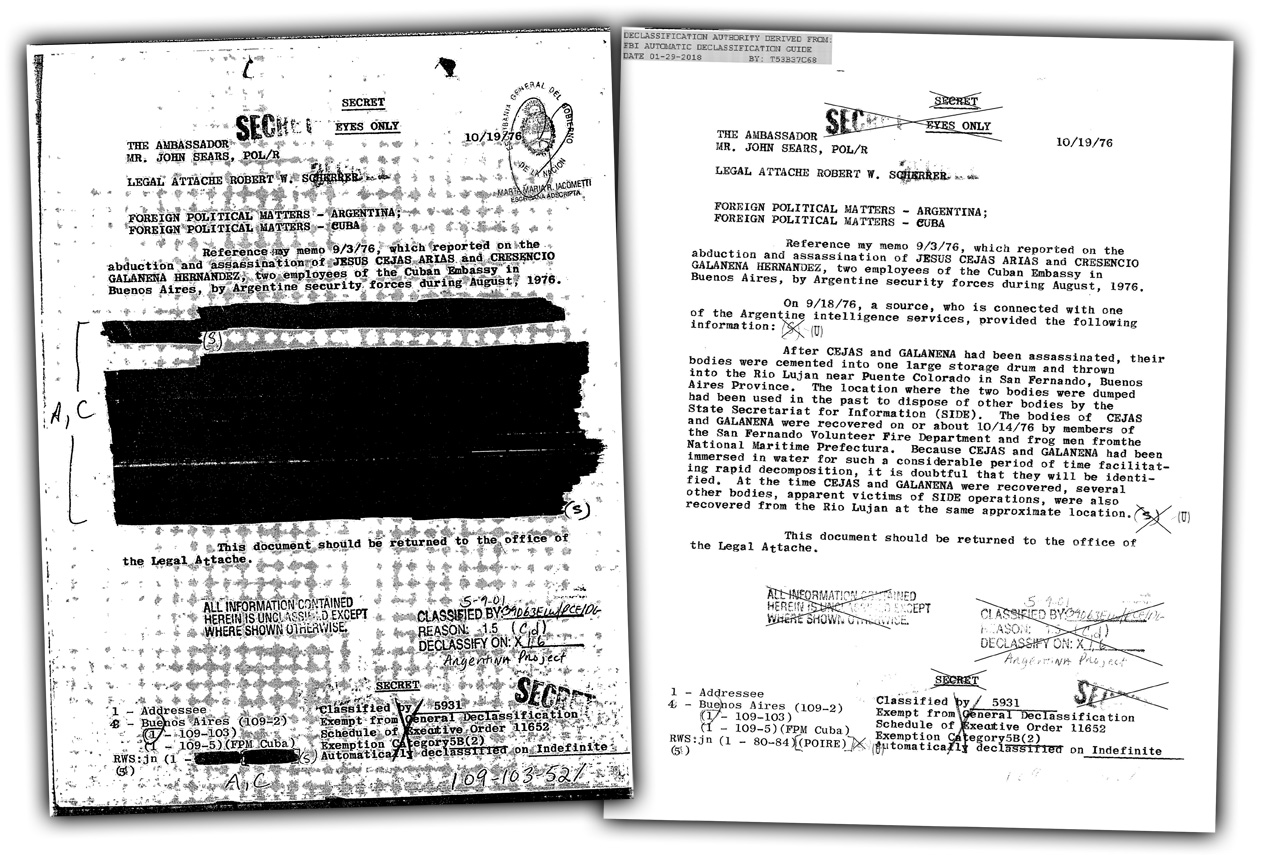
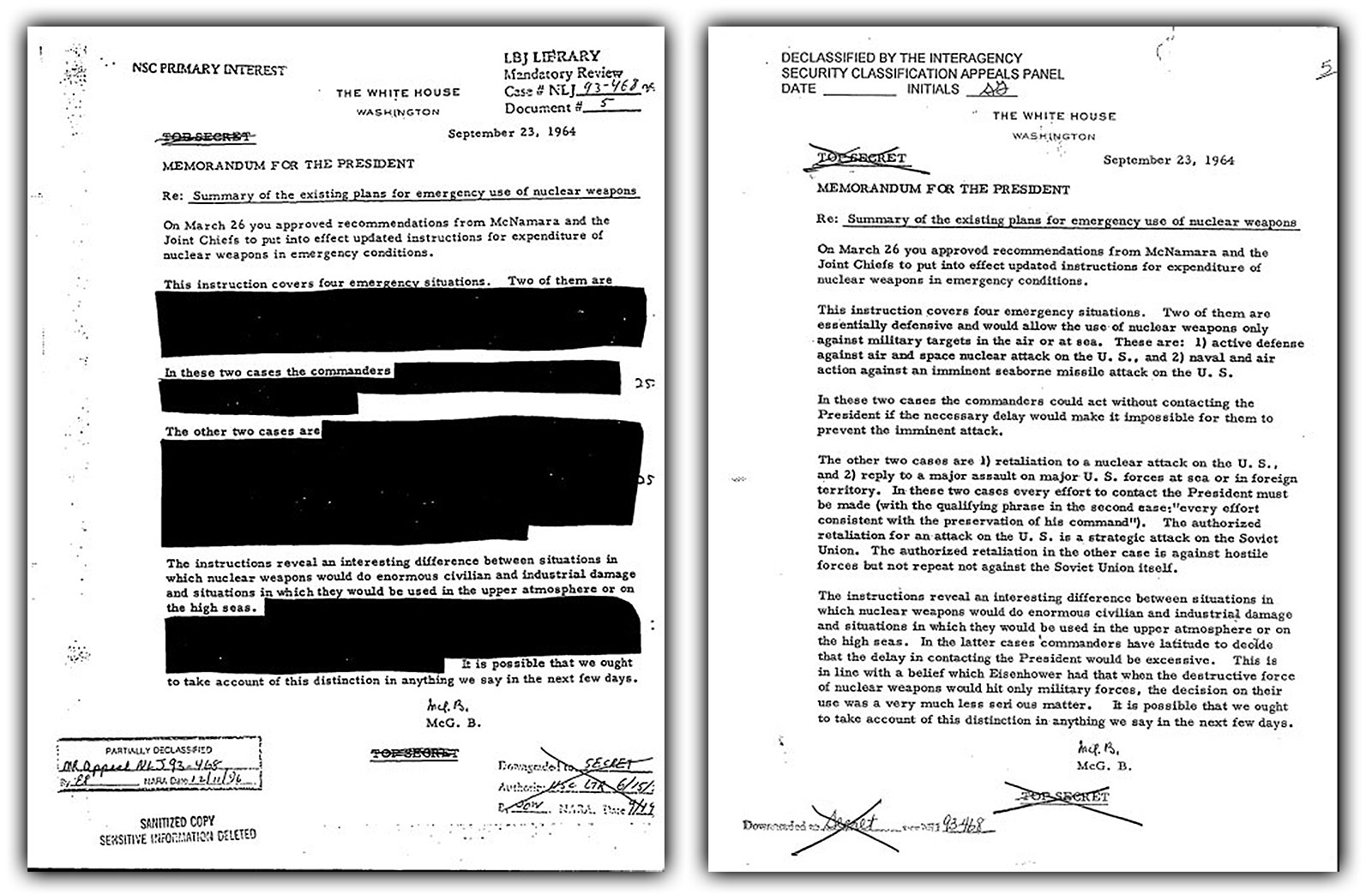
Governments wield classification powers like a scalpel—or a cudgel. Documents deemed “top secret” can stay locked away for decades, long after any legitimate security concern has evaporated. The British Government’s handling of files related to the 1984–85 miners’ strike and the alleged “shoot-to-kill” policy in Northern Ireland are classic examples. Documents mysteriously remain sealed, sidestepping the standard 30-year rule, leaving families and historians grasping for answers. When the state decides what you are allowed to remember, history becomes a controlled substance.
The same pattern repeats globally. The CIA’s continued redaction of files on the 1953 Iranian coup, Operation Ajax, frustrates scholars trying to understand Western interventionism. Some documents were officially destroyed in the 1960s, making a full accounting impossible. The result? The public narrative remains conveniently vague, allowing comfortable myths about benevolent foreign policy to persist.
Institutional Omission and the Academy’s Gatekeepers
Suppression is not only a government game. Academic gatekeeping plays a massive role in what counts as “respectable” history. Pejorative labels like “revisionist history” get thrown at anyone who questions established orthodoxies, even though all good history is inherently revisionist—otherwise we would still be citing Herodotus’ tales of gold-digging ants. But when a topic threatens funding streams, institutional prestige, or political sensibilities, peer reviewers suddenly find methodological flaws everywhere.
Consider the decades-long marginalization of scholars who argued that ancient trans-oceanic contact between the Old and New Worlds was more extensive than Columbus. Diffusionist theories, once dismissed as fringe fantasy, have gained traction thanks to mounting genetic, linguistic, and archaeological evidence—yet they still struggle to penetrate mainstream textbooks. Why? Because they complicate neat, linear narratives of civilizational development and force uncomfortable reckonings with what we destroyed.

Economic and Corporate Suppression
Follow the money. When historical truth threatens profits, the response can be swift and brutal. The tobacco industry’s multi-decade campaign to hide the link between smoking and lung cancer is a well-known example, but less attention is paid to how corporations bury industrial disasters, labor atrocities, and environmental crimes. The 1921 Tulsa Race Massacre was actively erased from local history for generations—newspaper archives went missing, official reports vanished, and it was literally not taught in Oklahoma schools. Why? Because acknowledging it would have embarrassed the white business elite, exposed police complicity, and raised the specter of reparations. It took a 1997 commission and the diligent work of citizen historians to pull that suppressed history back into the light.
—

Buried Civilizations and Hidden Truths in Plain Sight
Sometimes, the evidence we need is right under our feet—or hidden beneath centuries of dirt and deliberate destruction. Archaeological cover-ups are a special breed because they challenge the timelines and value systems of entire civilizations.
Göbekli Tepe: Rewriting the Neolithic Without Permission
When German archaeologist Klaus Schmidt began excavating Göbekli Tepe in southeastern Turkey in the mid-1990s, he uncovered something that should not have existed. Megalithic pillars weighing up to 20 tons, carved with intricate animal reliefs, arranged in circles—and dated to around 9600 BCE, 7,000 years before Stonehenge and predating the invention of agriculture. This flew in the face of the conventional narrative that complex, monumental architecture could only arise after settled farming created surplus resources.
So what happened? While not suppressed in the classic sense, the site was initially downplayed and met with significant skepticism. Some wished it would just go away. The implications—that hunter-gatherers organized massive labor projects and possessed sophisticated spiritual cosmologies—were too disruptive. Even today, the site is often presented as an anomaly rather than a catalyst to rewrite textbooks. The hidden truth? Civilizational complexity is older and weirder than we learned, and plenty more sites likely await discovery—or were deliberately ignored because they did not fit the story.
The Lost Records of the Great Library—and Its Successors
Everyone knows the tragedy of the Library of Alexandria, but that is just one chapter in a millennia-spanning pattern of knowledge destruction. When Spanish conquistadors burned Maya codices in the 16th century, they snuffed out centuries of astronomical observation, mathematics, and historical memory. Only four codices survive. What knowledge went up in smoke? We can only guess.
But more modern libraries have been torched too. The 1992 fire in the National Library of Bosnia and Herzegovina in Sarajevo saw nearly 2 million books and documents destroyed in deliberate shelling. Historical cover-ups come in many forms, and sometimes it is as literal as setting a building on fire while the world watches. The message: your past does not belong to you.
—
Revisionist History as a Weapon: Who Gets to Shape the Narrative?
The term “revisionist history” is often wielded as a slur against those who uncover silenced voices. But let’s be clear: revision is the job of the historian. The real question is whose revision gets stamped as authoritative and whose gets branded as dangerous. Official histories commissioned by governments, veterans’ organizations, or corporate biographers are themselves acts of revision—pruning what does not serve the image.
Case Study: The Atomic Bombings of Hiroshima and Nagasaki
Rarely has a single narrative been so meticulously polished. For decades, American students learned that dropping atomic bombs was a necessary evil to avoid a land invasion that would cost a million American lives. That figure, however, was retroactively massaged. Internal military estimates at the time suggested far lower casualties, and declassified documents reveal that Japanese surrender was already being explored through Soviet intermediaries. The radiation sickness suffered by survivors was actively censored by U.S. occupation authorities, and film footage shot by Japanese and American crews was classified and hidden for decades. The result? A simplified moral calculus that served Cold War posture and dampened domestic criticism. Acknowledging the full complexity—including the distinct possibility that the bombs were dropped to intimidate the Soviets as much as to defeat Japan—was, and for some still is, anathema.
The Enigma of the European Witch Trials
Popular memory paints the early modern witch hunts as a product of hysterical superstition, a blip of ignorance. But recent feminist and economic histories have uncovered something far more disturbing: the trials were, in many cases, systematic land grabs and tools of social control. Women who were healers, midwives, or simply widows with property were disproportionately targeted. Men of authority used the legal apparatus to eliminate rivals and consolidate wealth. Records were meticulously kept—then later sanitized or destroyed when tastes changed. Local museums across Germany and France still gloss over the calculated cynicism, preferring the fairy-tale version with pointy hats and broomsticks. Why? Because the hidden truth is too grim and radically recontextualizes the relationship between gender, power, and capital in the birth of the modern state.
—
Uncomfortable Questions: What Hidden Truths Lurk in Modern Archives?
If you are feeling a little uneasy right now, good. That is the appropriate reaction to realizing your mental timeline is full of deliberate holes. But let’s bring this closer to home. Where might suppressed history be unfolding right now, in real time, as you read this?
The War on Digital Archives
We have transitioned from cuneiform tablets to cloud servers, but the vulnerability to erasure has not gone away. Governments and platforms can disappear terabytes of information with a keystroke. During the COVID-19 pandemic, many countries removed or altered public health data sets and scientific papers that contradicted official messaging. In times of war, internet archives become targets. The Internet Archive, a digital Library of Alexandria, now faces lawsuits that could cripple its ability to preserve born-digital content. If we lose the digital record of dissenting voices, what becomes of the 21st century’s history?
FOIA Wars and the Art of Glacial Disclosure
The Freedom of Information Act (FOIA) was supposed to be a sunlight machine, but agencies have perfected the art of burying requests in endless deliberative process exemptions, extreme redactions, and outright stonewalling. The JFK assassination files remain partially censored more than six decades after the fact. This is not about protecting “sources and methods”; it is about institutional anxiety over what new revelations might do to public trust. When a government refuses to tell you what happened in 1963, what does that say about what they are hiding from last week?
The same game plays out with the truth about UFO/UAP phenomena. Once the subject of derisive laughter for anyone citing it as historical cover-up, the 2017 New York Times revelations and subsequent Pentagon disclosures have forced a dramatic rethink. Suddenly, the “conspiracy theorists” who talked about suppressed evidence for decades look less like cranks and more like frustrated historians who were simply ahead of the archival curve. The reclassification of “crazy” to “credible” is a telltale sign that a cover-up is crumbling.
—
The Way Forward: Developing an Immunity to Historical Manipulation
So, you are convinced that suppressed history is a real and pervasive phenomenon. What now? How do we navigate a world where official narratives are—at best—incomplete, and at worst, deliberate fabrications? The answer is not nihilism; it is developing a set of critical thinking habits that make you resistant to manipulation.
1. Triangulate Your Sources
Never rely on a single authority. If a government archive claims one thing, seek out oral histories, foreign diplomatic cables, whistleblower accounts, and physical evidence. The truth usually resides in the tension between conflicting narratives.
2. Follow the Footnote Trails
Many cover-ups are hiding in plain sight within the footnotes and bibliographies of official histories. Trace citations back to their origins. Notice which archives are cited repeatedly and which are conspicuously absent. The gaps in the record are often more revealing than the records themselves.
3. Watch for the “Anomaly” Framing
When an inconvenient discovery is described as an “anomaly,” “outlier,” or “unexplained exception,” pay attention. That label often signals a finding that threatens an established paradigm. Anomalies are where the next breakthroughs come from.
4. Support Independent Researchers and Whistleblowers
Institutional history is funded, staffed, and reviewed by insiders. Independent researchers—journalists, amateur archaeologists, citizen archivists—often do the heaviest lifting when it comes to exposing suppressed evidence. Support their work, amplify their findings, and take their research seriously instead of dismissing it for its lack of institutional pedigree.
5. Demand Real Transparency
Write to your representatives, file FOIA requests, and support organizations that fight for open records. The fight against suppression becomes much harder when ordinary citizens refuse to accept “classified” or “no longer available” as the end of the story.
6. Stay Curious, Stay Skeptical, Stay Humble
The goal is not to replace one dogmatic narrative with another. It is to live with the discomfort of incomplete knowledge while remaining open to new evidence—even when it overturns conclusions you have held for years. Genuine historical literacy means accepting that the past is vast, complicated, and often stranger than any official story suggests.
—
Suppressed history is not a niche obsession for fringe researchers. It is a structural feature of how power operates. From ancient libraries burned by conquistadors to modern archives scrubbed by algorithms, the fight over who controls the past is also a fight over who controls the future. The good news is that no cover-up is ever total. Documents leak. Whistleblowers speak. Amateurs dig. And the truth, however buried, keeps re-emerging—for anyone willing to look.
The shelves of that vast library are not empty forever. The missing volumes can be recovered, one testimony, one file, one cracked seal at a time. The question is whether we will care enough to do the work.