
Hidden Empires: Unveiling Forgotten Civilizations Through Modern Archaeology
Imagine standing on an unremarkable hillside in Guatemala, the air thick with humidity and the chatter of howler monkeys. Beneath your feet, invisible to the naked eye, lies a sprawling metropolis of causeways, palace complexes, and tens of thousands of homes — an entire hidden empire that flourished for centuries before vanishing into the jungle. Until a few years ago, no one had any idea it was there. Then, a plane equipped with revolutionary laser technology flew overhead, and suddenly, history books had to be rewritten.
That’s the sheer magic of modern archaeology. We’re living in a golden age of discovery, an era when technology is peeling back the earth, the rainforest canopy, and even the ocean floor to reveal civilizations that were once dismissed as mere legends. The notion of “hidden empires” isn’t some romantic Hollywood fantasy; it’s a thrilling, unfolding reality that keeps me — and countless history enthusiasts — up at night. From the Amazon to the Sahara, from the jungles of Cambodia to the plains of Turkey, forgotten worlds are emerging, and they’re challenging everything we thought we knew about our shared past.
In this article, I want to take you on a journey through some of the most astonishing archaeological discoveries in recent years. We’ll explore how cutting-edge tools are revealing lost civilizations, what these hidden empires teach us about human ingenuity, and why their stories matter more than ever. So, grab a metaphorical trowel, and let’s dig in.
—
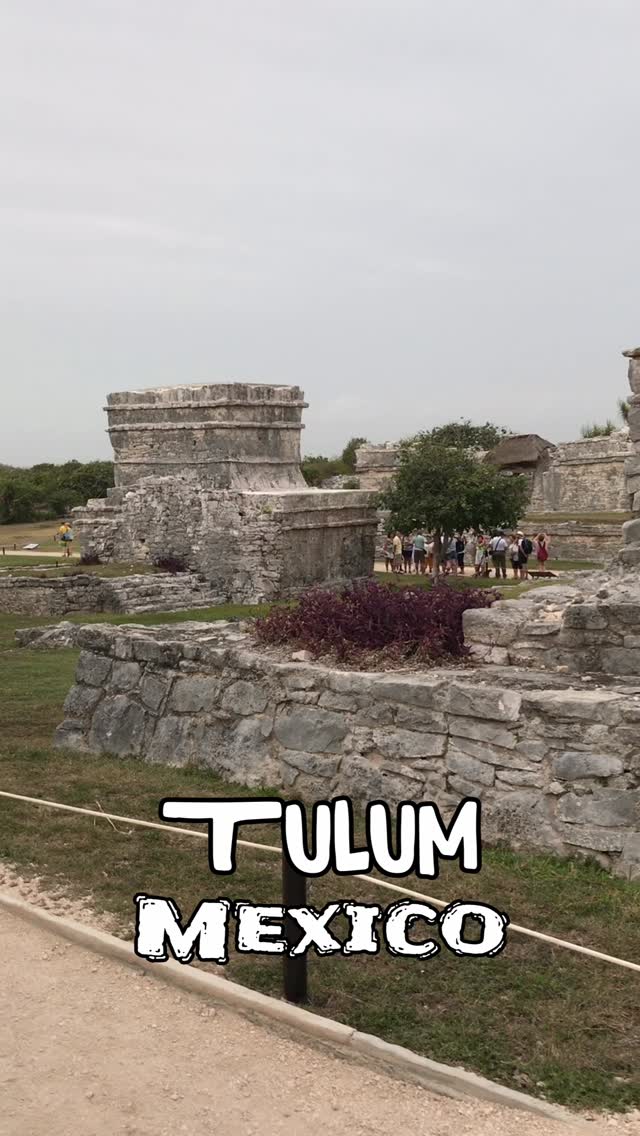
The Lure of Lost Civilizations and Hidden Empires
Why do we obsess over civilizations that disappeared? It’s not just scholarly curiosity; it’s deeply personal. There’s a quiet hum of mystery around any empire that thrived and then collapsed, leaving behind only fragments. When we talk about “hidden empires,” we’re not just referring to places we misplaced on a map. We’re talking about complex societies — some bigger and more sophisticated than their contemporaries — that were swallowed by time, erased from collective memory, waiting for a second chance to tell their story.
These hidden empires come in many flavors. Some were literally hidden, buried under volcanic ash, jungle growth, or desert sands. Others were culturally hidden, their scripts undeciphered, their artifacts mistaken for random relics by earlier explorers. Modern archaeology has given us the tools to uncover both kinds. And as each new discovery lands, it’s like finding a lost chapter in humanity’s biography — one that often forces us to rethink timelines, migrations, and the very definition of civilization.
Think about it: just two decades ago, the prevailing narrative was that complex urban societies were a rarity until a few thousand years ago. We now know that’s wildly inaccurate. Hidden empires were everywhere, and they’re only now coming into the light.
—

LiDAR: Peeling Back the Jungle to Reveal Giant Cities
If there’s one technology that deserves a standing ovation in the world of archaeology, it’s LiDAR (Light Detection and Ranging). This remote-sensing method fires hundreds of thousands of laser pulses per second from an aircraft toward the ground. The pulses penetrate vegetation, and by measuring the time it takes for them to bounce back, scientists can create stunning 3D maps of the terrain below — even through dense rainforest.
The results? Mind-blowing. In 2018, a LiDAR survey over the Maya Biosphere Reserve in Guatemala revealed over 60,000 previously unknown structures. This wasn’t just a handful of temples; it was a massive, interconnected web of cities, fortifications, agricultural terraces, and raised highways linking urban centers. The hidden empire of the Maya was suddenly visible in a way no one had ever imagined. Archaeologists realized that the Maya lowlands supported a population of up to 10-15 million people, far more than earlier estimates, and that the landscape was massively engineered.
Here’s the thing: without LiDAR, these sites would have remained buried under thick jungle for centuries longer. Ground-level surveys would take lifetimes to cover the same area. Modern archaeology has essentially given us X-ray vision, and it’s democratizing discovery. The same technology has exposed enormous ring-shaped settlements in the Amazon, a pre-Columbian metropolis near St. Louis called Cahokia’s true scale, and the sprawling infrastructure of the Khmer Empire.
LiDAR is the ultimate truth-teller for hidden empires, and it’s far from finished. Every flight brings a new revelation, each more humbling than the last.
—
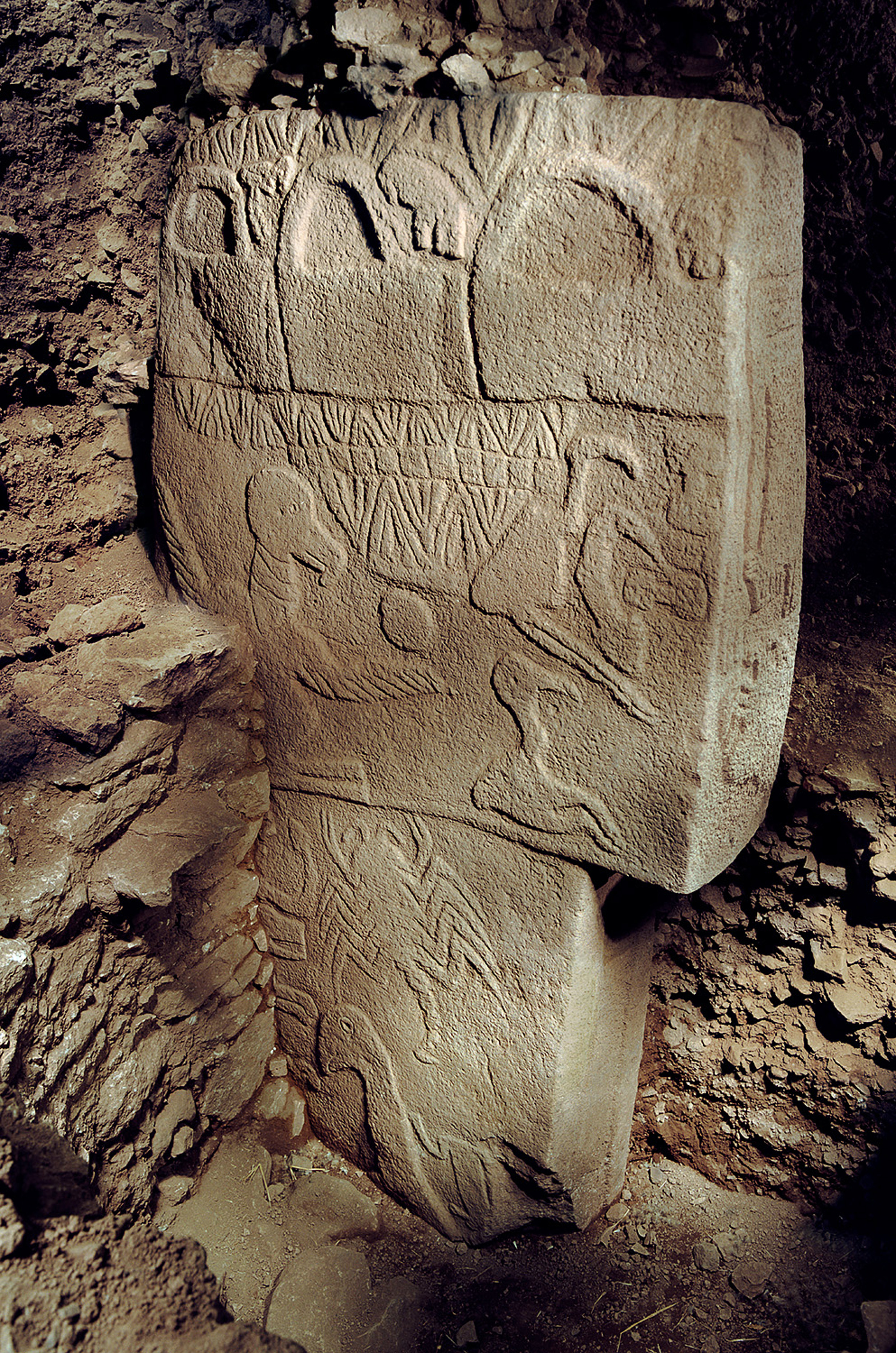
Göbekli Tepe: Rewriting the Timeline of Civilization
If hidden empires are defined by their ability to upend what we think we know, then Göbekli Tepe in Turkey is the undisputed champion. Predating Stonehenge by about 6,000 years, this site was constructed around 9600 BCE — before the invention of pottery, metal tools, or even farming. The sheer audacity of it still baffles scholars. Massive T-shaped limestone pillars, some weighing up to 20 tons, carved with intricate animal reliefs, arranged in circular enclosures on a hilltop. And then, deliberately buried.
For decades, the standard story was that hunter-gatherers were too busy surviving to build monumental architecture. Göbekli Tepe destroyed that theory overnight. It wasn’t an empire in the traditional sense — no palaces, no writing — but it represented a hidden layer of complex social organization that archaeologists didn’t believe existed. How did pre-agricultural people coordinate such a colossal building project? What were their rituals? And why did they bury it all so carefully?
Modern archaeology is still trying to crack the code. Ground-penetrating radar and geomagnetic surveys have revealed that only a fraction of the site has been excavated. What’s hiding beneath the surrounding hills? Possibly even older enclosures, a sprawling ceremonial landscape that could rewrite the origins of religion and social hierarchy. Göbekli Tepe is a stark reminder that for every hidden empire we find, a dozen more likely wait just beneath the surface, silent and patient.
—
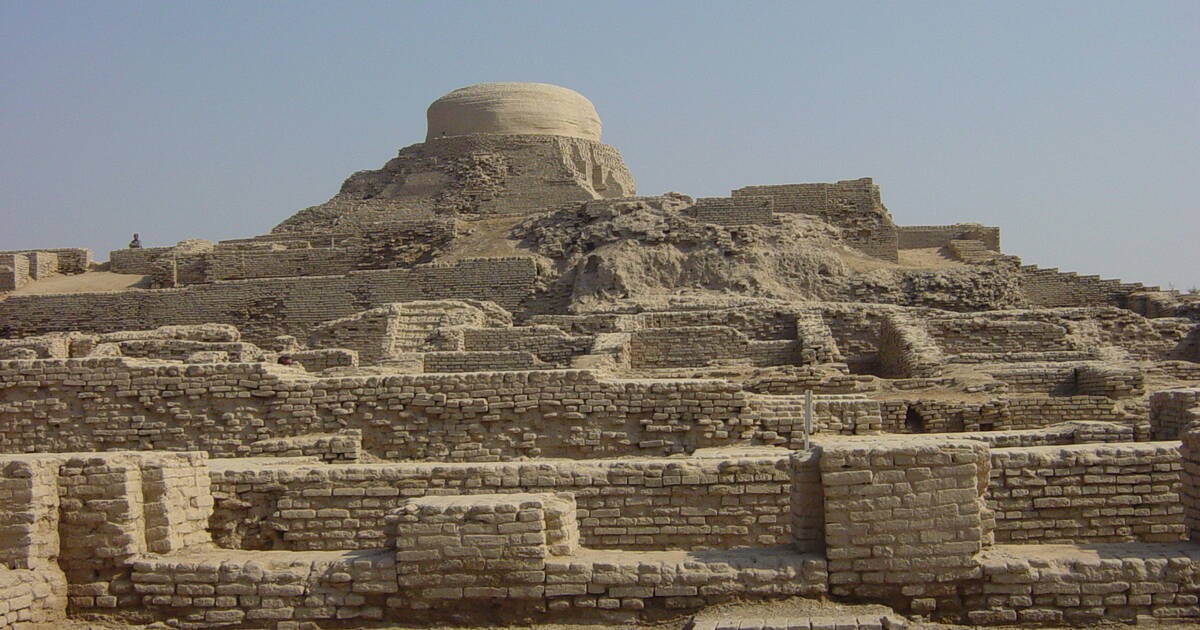
The Indus Valley Civilization: An Urban Empire Without a Voice
Some hidden empires are hidden not by soil, but by silence. The Indus Valley Civilization, which flourished around 2600–1900 BCE across modern-day Pakistan and northwest India, was one of the three great early civilizations alongside Egypt and Mesopotamia. Yet for most of history, it was completely unknown — not a single ancient text mentions it. It was “hidden” in the truest sense, rediscovered only in the 1920s when railway builders accidentally stumbled upon the ruins of Harappa and Mohenjo-daro.
What they found was astonishing: meticulously planned cities with advanced drainage systems, standardized brick sizes, and granaries that suggest a highly organized, possibly egalitarian society. But the Indus script remains undeciphered, leaving us with an empire that couldn’t speak for itself. It’s like finding a library written in permanent ink that no one can read.
Modern archaeology is finally giving this silent civilization a voice. Satellite imagery has traced the ancient course of the now-dry Sarasvati River, revealing hundreds of previously unknown settlements along its banks. Isotope analysis of human remains is shedding light on diet and migration. Excavations at sites like Dholavira and Rakhigarhi show that the Indus civilization extended over an area larger than all of ancient Egypt and Mesopotamia combined. It truly was a hidden empire, and we are just beginning to grasp its scale.
The takeaway? Not every lost civilization leaves behind golden masks or epic poems. Some leave only baked bricks and drainage channels, and yet they were empires of astonishing sophistication. Uncovering them requires a blend of old-fashioned digging and space-age technology.
—
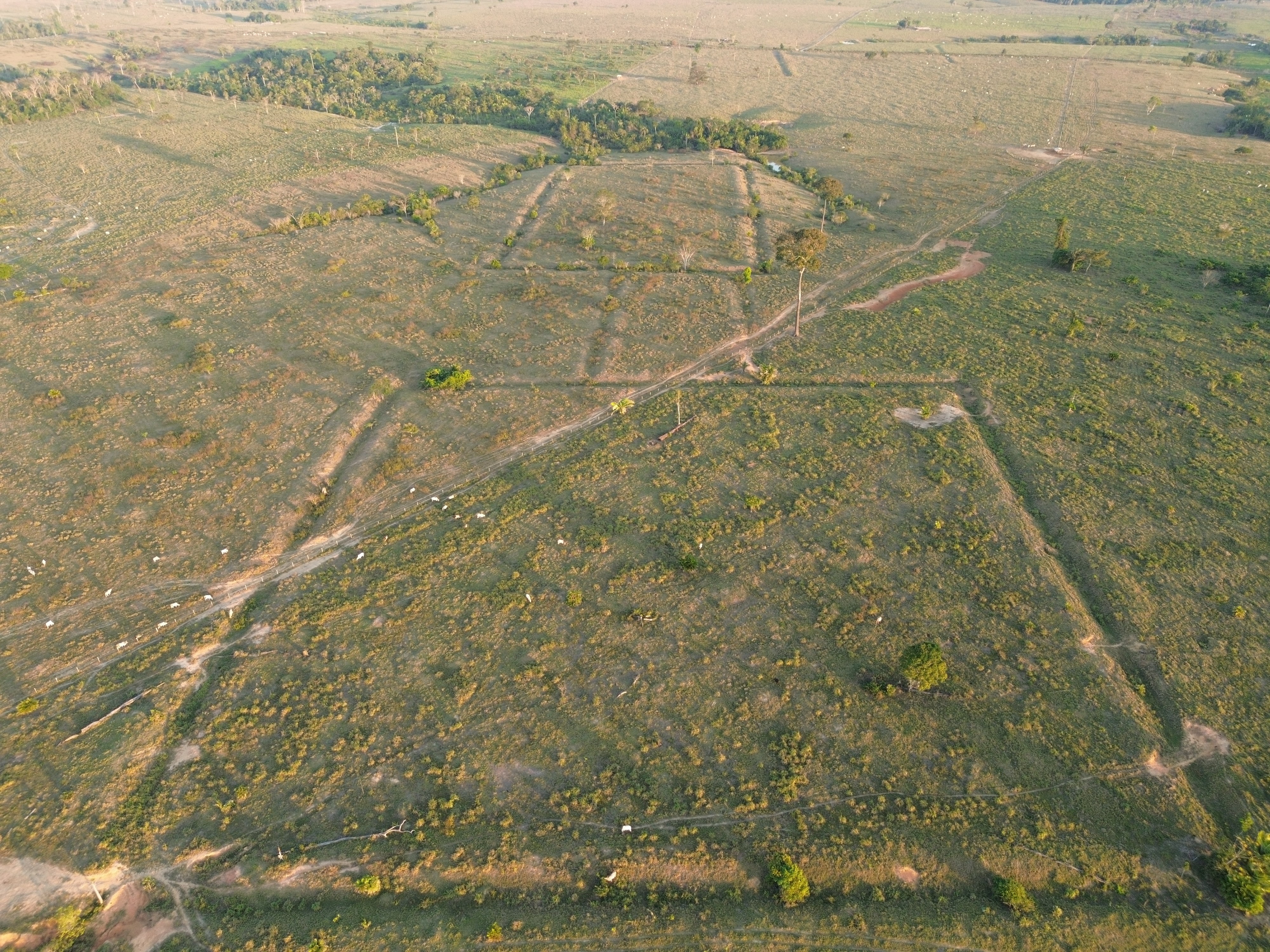
The Amazonian “Garden Cities”: A Rainforest Empire No One Expected
For centuries, the Amazon was considered a pristine wilderness, barely touched by humans except for a few scattered tribes. That myth has been utterly demolished by modern archaeology. The rainforest, it turns out, was once home to massive, populous civilizations that transformed the landscape in ways that still echo today.
In the Brazilian state of Acre, geometric earthworks called geoglyphs — huge square, circular, and linear ditches — have been revealed beneath cleared forest. LiDAR flights over the Bolivian Amazon have uncovered the remnants of sprawling “garden cities” connected by raised causeways, complete with reservoirs and fish weirs. These were not simple chiefdoms; they were complex societies that cultivated the forest without destroying it, creating patches of exceptionally fertile “terra preta” soil that remain productive centuries later.
What makes this hidden empire so astonishing is that it was hiding in plain sight. Early explorers and even many modern scientists didn’t think to look for monumental architecture beneath the trees. Now we know that before European contact, the Amazon supported millions of people living in urban networks that rivaled those of medieval Europe. The scale of these discoveries has forced a complete rethink of pre-Columbian history, and the best part? The forest is still full of secrets. Every new LiDAR scan finds more.
Explore the secrets of hidden empires with our interactive timeline — a visual journey that maps these lost cities as they’re uncovered, placing you right in the moment of discovery.
—
The Khmer Empire’s Hidden Metropolis Beneath Angkor Wat
Angkor Wat is one of the most iconic temple complexes in the world, but for much of its modern history, it was seen as a beautiful monument standing alone in the jungle. Then, in 2012, an extensive LiDAR survey revealed that Angkor was merely the spiritual core of an immense urban sprawl — the largest preindustrial city on Earth.
Beneath the vegetation, the lasers mapped a sophisticated grid of roads, canals, and residential blocks stretching far beyond the temple walls. The Khmer Empire’s capital was a hydraulic city the size of modern-day Los Angeles, engineered to manage monsoon floods and feed a population estimated at three-quarters of a million people. This hidden metropolis explained how the Khmer grew so powerful and also offered clues to their eventual decline, as water management systems became overwhelmed by climate change.
What I love about this discovery is how it changed the narrative from a romantic lost city to a bustling, functioning empire. The temples weren’t solitary; they were the bustling heart of a hidden urban empire that shaped Southeast Asia for centuries. It’s a reminder that even the world’s most visited heritage sites can still guard enormous secrets.
—
How Modern Archaeology is Changing the Game
It’s not just LiDAR. Across the world, a suite of non-invasive technologies is revolutionizing how we uncover hidden empires. Ground-penetrating radar allows archaeologists to map buried walls and tombs without lifting a shovel. Drone photography captures sites from angles unimaginable a decade ago. DNA analysis of ancient remains traces migration patterns and reveals unexpected connections between distant peoples. Even satellite imagery has identified potential pyramids and forgotten settlements in Egypt’s desert.
What this means is that archaeology is no longer about luck or patient spadework alone. It’s becoming a predictive science. Researchers can now scan entire regions and then make informed digs, preserving context while maximizing discovery. And with open-access data, a teenager in Nairobi can analyze LiDAR images and spot a lost city that academics missed — that’s already happened.
The human element remains irreplaceable — interpreting, piecing together stories, ensuring ethical collaboration with descendant communities. But the toolbox has expanded dramatically, and with it, our sense of what’s possible. Hidden empires that once seemed mythical — like the ancient land of Punt, or the fabled lost cities of the Kalahari — are edging from legend into reality.
—
The Endless Quest: What Other Hidden Empires Await?
So, where next? The Sahara is one of the last great frontiers. Beneath its shifting sands, satellite imagery has revealed the ghosts of ancient river systems and the outlines of massive settlements that once thrived during the African Humid Period. If hidden empires lie there, they could reshape the history of the entire continent.
Off the coasts, submerged landscapes from the last Ice Age are being probed. Doggerland, the land bridge that connected Britain to mainland Europe, is a sunken world that was once home to hunter-gatherer communities. In the Black Sea, ancient shorelines may harbor remarkably preserved structures. The Indian Ocean’s continental shelves may hold secrets of early coastal civilizations.
And then there’s the virtual space — machine learning algorithms sifting through decades of satellite data to spot anomalies. It’s entirely plausible that a student with a laptop will be the next person to uncover a hidden empire, maybe even one that rewrites our origins. The excitement is not just in what we know, but in how much we’re only beginning to realize we don’t know.
—
The Human Connection: Why These Discoveries Matter
I often get asked: “Why should we care about some ruins in a jungle?” The answer goes beyond academic intrigue. These hidden empires are us. They’re experimental notebooks of human society — they tried forms of government, environmental management, and urban planning that we can learn from. The Maya collapse, partly linked to drought and deforestation, holds eerie parallels to our own climate challenges. The Indus Valley’s apparent lack of royal palaces suggests that hierarchical authority isn’t the only path to building a successful civilization.
Every time we uncover a hidden empire, we add a new thread to the tapestry of human possibility. We’re reminded that our modern way of life is just one of countless experiments, and that resilience often lurks in the most unexpected places. When we see the Amazonian “garden cities” thriving without destroying their ecosystem, we glimpse sustainable futures. When we marvel at Göbekli Tepe’s builders organizing without a written language, we realize that human ingenuity is far older and more diverse than our textbooks ever admitted.
These lost civilizations aren’t just relics; they’re mirrors. And in the reflection, we see not just who we were, but who we might become.
—
Conclusion: Your Invitation to Walk Among Hidden Empires
We’re living through a renaissance of archaeological discovery. With each passing year, hidden empires are stepping out of the shadows — not as legends, but as real places with real people who loved, built, innovated, and eventually left their marks on the earth. Modern archaeology is making it possible to experience them not through dry academic papers, but through vivid reconstructions, immersive timelines, and virtual explorations.
The ground is still trembling with the weight of what lies undiscovered. There are civilizations you’ve never heard of, waiting to change your understanding of history. I invite you to be a part of this unfolding story.
Explore the secrets of hidden empires with our interactive timeline and watch these ancient worlds come to life. Track the momentous discoveries, walk the streets of lost cities, and see for yourself how yesterday’s myths became today’s breaking news. Because the past isn’t set in stone — it’s still rising.
—
Frequently Asked Questions About Hidden Empires and Modern Archaeology
What is a “hidden empire” in archaeology?
A hidden empire refers to a significant and often complex ancient civilization that was either buried physically (by jungle, desert, or water) or culturally forgotten, lacking decipherable records, and only fully revealed through modern scientific methods.
How does LiDAR technology work to uncover lost cities?
LiDAR mounts a laser scanner on a plane and sends millions of light pulses toward the ground. The pulses slip through tiny gaps in vegetation and reflect back, mapping the surface shape with centimeter accuracy. This strips away the trees digitally, exposing ruins that would be invisible from the ground.
What is the most surprising hidden empire discovered recently?
Many experts point to the ancient Amazonian civilizations. The sheer scale of the garden cities and geometric earthworks in Bolivia and Brazil fundamentally changed the idea that the pre-Columbian Amazon was sparsely populated.
Can I visit these newly uncovered sites?
Some sites, like Angkor Wat and its surrounding metropolis, are already accessible. Others, especially LiDAR-discovered Maya sites, may take decades to excavate and open to the public. Many organizations offer virtual tours and interactive maps.
Are there still hidden empires waiting to be found?
Absolutely. The Sahara, the seafloor, and even well-studied regions like Europe’s dense forests contain uncharted archaeological sites. With AI and remote sensing, the next big discovery could happen any day.
How does modern archaeology avoid damaging these fragile sites?
Non-invasive techniques like ground-penetrating radar, magnetometry, and LiDAR allow mapping before any excavation. Excavation is targeted and minimal, and data is shared digitally to preserve the site for future generations.
—
Recommended Reading and Resources
Internal Links:
- Guide to the World’s Greatest Lost Cities – a companion piece for readers fascinated by hidden urban centers.
- The Rise and Fall of the Maya: A Complete Timeline – deep dive into one of the featured hidden empires.
- Ancient Engineering Marvels You Can Visit Today – practical travel inspiration tied to the Khmer and Indus discoveries.
- LiDAR uncovers vast ancient Maya city – National Geographic coverage.
- Göbekli Tepe: the world’s first temple? – UNESCO’s World Heritage page.
- Amazonian geoglyphs and their meaning – peer-reviewed research in Nature.
- Indus Valley Civilization: new insights from satellite imagery – BBC Future article.
External Links (open in new tab):
—
This article was originally published on [Your Blog Name]. All images and interactive elements are original or properly licensed for use.