
Unearthing Blood on the Tracks: Overlooked 19th-Century American Labor Events
The 19th century in America was an era of unprecedented industrial growth, technological marvels, and immense wealth creation. Yet, beneath the gleaming facade of progress lay a simmering cauldron of working class struggles, as millions toiled in dangerous conditions for meager wages. While iconic moments like the Civil War and the westward expansion often dominate historical narratives, many forgotten events in American history 1800s reveal a different, grittier reality: a brutal battle for dignity and survival that frequently erupted in violence. These early US labor strikes, often brutally suppressed, represent a crucial, yet frequently overlooked, chapter in the nation’s development.
Among the most dramatic and impactful of these conflicts were the railroad worker uprisings. The iron horse, a symbol of national ambition and economic might, became the very ground upon which some of the century’s most intense labor disputes played out. These were not isolated incidents but rather critical flashpoints in a broader movement, shaping the future of labor relations and American capitalism. By delving into these suppressed labor history narratives, particularly those marked by “blood on the tracks,” we gain a more complete understanding of the sacrifices made and the foundations laid for the labor protections we often take for granted today. This article aims to shed light on these pivotal, yet often obscured, moments, revealing the true cost of America’s industrial ascent.
The Crucible of Industry: Why 19th-Century Labor Unrest Exploded
The post-Civil War era, often dubbed the Gilded Age, was characterized by rapid industrialization and the rise of powerful corporations. Railroads, in particular, became the backbone of the national economy, connecting distant markets and facilitating the movement of goods and people. However, this growth came at a steep human price. Workers, many of them recent immigrants, faced grueling 12-hour days, six or even seven days a week, with little to no job security, health benefits, or safety regulations. Wages were perpetually driven down by a surplus of labor and the relentless pursuit of profit by industrial titans.
Furthermore, economic depressions, like the Panic of 1873, exacerbated these conditions. Companies, facing declining revenues, frequently resorted to wage cuts, layoffs, and increased workloads, pushing their employees to the brink. This environment of exploitation, coupled with a lack of legal recourse or government oversight, created fertile ground for widespread discontent and organized resistance. The sheer scale of industrial operations meant that when workers did strike, the impact could be immediate and far-reaching, often leading to violent confrontations.
:max_bytes(150000):strip_icc()/Haymarket-color-3000-3x2gty-56a48a043df78cf77282df02.jpg)
Seeds of Discontent: Early Organized Labor and Resistance
Despite the formidable power of corporations and the state, American workers did not remain passive. Early labor organizations, such as the National Labor Union and later the Knights of Labor, began to emerge, advocating for better wages, shorter hours, and safer working conditions. These nascent unions, however, faced immense challenges. Employers often employed “yellow-dog contracts” (forbidding union membership), hired private security forces like the Pinkertons, and frequently called upon local militias or federal troops to break strikes.
The concept of collective bargaining was in its infancy, and public sympathy was often swayed by powerful industrialists who painted strikers as anarchists and threats to economic stability. Yet, the persistent efforts of these early labor movements laid the groundwork for future organizing, demonstrating a growing awareness among the working class that only through solidarity could they hope to challenge the entrenched power structures. These initial, often failed, attempts at collective action were vital learning experiences, shaping the strategies and resolve of future early US labor strikes.
The Great Railroad Strike of 1877: A Nation Ablaze
Perhaps the most significant and certainly the most violent of the railroad worker uprisings was the Great Railroad Strike of 1877. This event, often overshadowed in general history textbooks, was a watershed moment in American labor history, revealing the raw power of both capital and collective worker anger. It began spontaneously and spread like wildfire, engulfing much of the nation in a wave of strikes, riots, and military confrontations.
The Spark: Wage Cuts and Desperation
The immediate trigger for the 1877 strike was a series of deep wage cuts imposed by major railroad companies, including the Baltimore & Ohio (B&O), Pennsylvania Railroad, and the New York Central. The B&O, already having cut wages by 10% in 1874, announced another 10% reduction in July 1877. For railroad workers, many of whom were already living paycheck to paycheck, this was the final straw. On July 16, workers in Martinsburg, West Virginia, refused to allow a B&O freight train to depart, effectively initiating the strike.
Their grievances were not just about wages; they encompassed long hours, dangerous conditions, and the arbitrary power wielded by railroad management. The workers felt a profound sense of injustice, believing they were being asked to bear the brunt of the company’s financial woes while executives and shareholders continued to prosper. This deep-seated desperation fueled their resolve, transforming a local protest into a national movement.
Across the Tracks: Escalation and Federal Intervention
What started in Martinsburg quickly escalated. News traveled along the telegraph lines, and within days, railroad workers in Maryland, Pennsylvania, Ohio, Illinois, and Missouri joined the strike. Sympathetic workers from other industries, unemployed laborers, and even local citizens—many of whom resented the railroads’ power and influence—joined the fray. Major rail hubs like Pittsburgh, St. Louis, and Chicago became centers of intense conflict.
In Pittsburgh, the Pennsylvania Railroad Roundhouse became a battleground, resulting in widespread destruction and dozens of deaths. In St. Louis, a general strike briefly paralyzed the city, uniting workers across racial and ethnic lines in a rare show of solidarity. State militias were called out, but often proved unreliable, with many militiamen sympathetic to the strikers or unwilling to fire on their neighbors. Consequently, President Rutherford B. Hayes made the unprecedented decision to deploy federal troops to quell the unrest, marking the first time the U.S. Army was used to break a labor strike.
Suppressing the Uprising: Casualties and Consequences
The federal intervention, coupled with a brutal crackdown by state militias and private security forces, eventually crushed the strike by the end of July. Estimates vary, but over 100 people were killed, thousands injured, and millions of dollars in property damage occurred. The strike’s immediate outcome was a resounding defeat for the workers, demonstrating the overwhelming power of the combined forces of capital and government.
However, the Great Railroad Strike of 1877 left an indelible mark. It highlighted the deep class divisions in American society, exposed the vulnerability of an industrializing nation to widespread labor unrest, and spurred the growth of more organized labor unions. It also led to increased militarization of state militias and a greater willingness by the government to intervene on behalf of corporations, setting a precedent for future suppressed labor history. The “blood on the tracks” in 1877 served as a stark warning and a powerful catalyst for the evolving working class struggles.
Beyond 1877: Other Overlooked Railroad Worker Uprisings
While 1877 remains a monumental event, it was not an isolated incident. The decades that followed saw a continuation of railroad worker uprisings, each contributing to the complex tapestry of American labor history, even if some have faded from popular memory.
The Southwestern Railroad Strike of 1886: Knights of Labor’s Stand
Less widely known than 1877, the Southwestern Railroad Strike of 1886 was a significant confrontation involving the Knights of Labor, one of the largest and most influential labor organizations of the era, against the vast railroad empire of Jay Gould. The strike began on the Texas and Pacific Railway after a foreman, a member of the Knights, was fired. This seemingly minor incident quickly escalated as thousands of workers, primarily from the Knights of Labor, walked off their jobs across Gould’s Wabash, Missouri Pacific, and Texas and Pacific lines.
The Knights aimed to force Gould to recognize their union and negotiate collective agreements. However, Gould, a notoriously anti-union magnate, refused to concede. The strike was marked by violence, sabotage, and the use of strikebreakers. Despite the solidarity of the Knights of Labor, internal divisions, a lack of central coordination, and Gould’s unwavering opposition ultimately led to the strike’s collapse after several months. Its defeat significantly weakened the Knights of Labor’s influence in the railroad industry and contributed to its eventual decline, marking another chapter of suppressed labor history.
The Pullman Strike of 1894: A Sympathetic Nation’s Reckoning
The Pullman Strike of 1894, while more widely recognized than 1886, still offers crucial insights into the ongoing working class struggles and the “blood on the tracks” narrative. It began in the company town of Pullman, Illinois, where workers for the Pullman Palace Car Company faced drastic wage cuts without corresponding reductions in rent or store prices within the company-owned town. When their pleas for relief were ignored, workers joined the American Railway Union (ARU), led by the charismatic Eugene V. Debs.
The ARU launched a sympathy strike, refusing to handle Pullman cars, which effectively paralyzed rail traffic across 27 states. The strike brought the nation’s transportation system to a standstill, causing significant economic disruption. President Grover Cleveland, urged by railroad executives, intervened, sending federal troops to break the strike under the pretext of ensuring the delivery of mail (which was attached to Pullman cars). The intervention led to widespread rioting, destruction, and numerous deaths, particularly in Chicago. Debs and other ARU leaders were arrested for defying a federal injunction, further demonstrating the government’s willingness to side with capital. The Pullman Strike solidified the use of federal injunctions as a powerful tool against labor and highlighted the struggle for basic economic justice.
The Broader Landscape: Working Class Struggles Beyond the Rails
While railroad worker uprisings formed a dramatic part of 19th-century labor history, they were by no means isolated. The same forces of industrialization, exploitation, and resistance were at play across various sectors, creating a pervasive environment of working class struggles that often culminated in violence and forgotten events in American history 1800s.
Coal Mines and Textile Mills: Echoes of Exploitation
In the coal mines of Pennsylvania, West Virginia, and other states, miners faced incredibly dangerous conditions, frequent explosions, and the tyranny of “company towns” similar to Pullman. Strikes were common, often met with overwhelming force from coal company police, state militias, and even federal troops. Groups like the Molly Maguires, a secret society of Irish coal miners, emerged as a response to severe exploitation, employing violent tactics that were met with equally brutal suppression, leading to trials and executions that remain controversial.
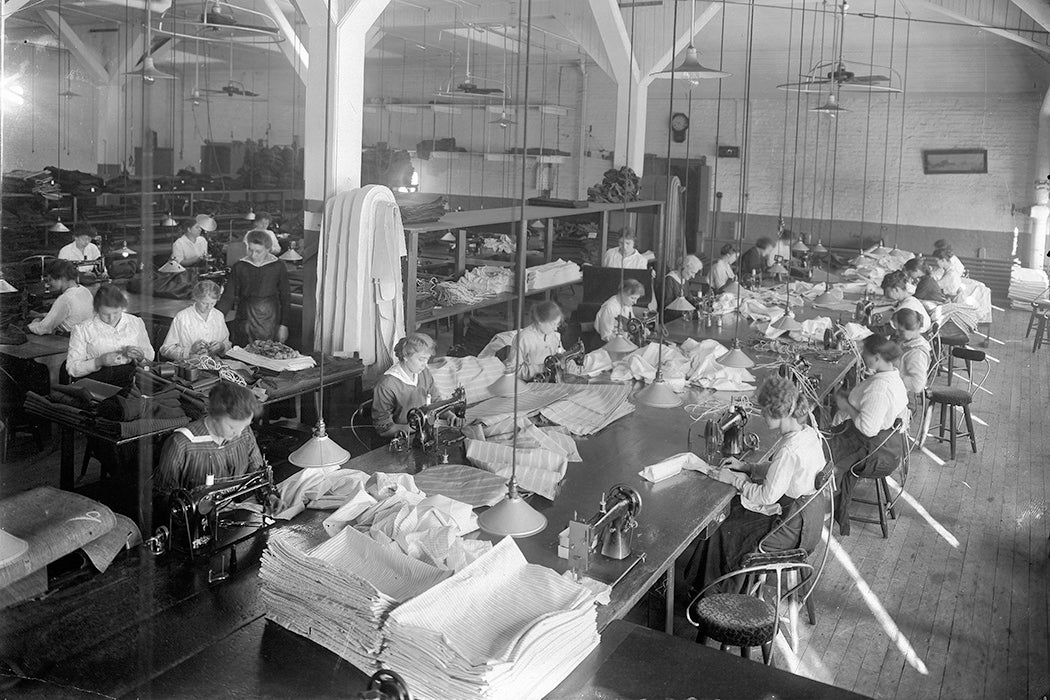
Similarly, textile mill workers, particularly women and children, endured long hours, low wages, and suffocating conditions. Strikes in these mills, though perhaps less violent on a grand scale than the railroad or mining conflicts, were frequent and demonstrated the widespread nature of labor’s plight. These struggles, often localized and less documented in national histories, are vital components of the suppressed labor history of the era, illustrating a shared narrative of exploitation and resistance across diverse industrial landscapes.
Unearthing Suppressed History: Why These Events Matter Today
The forgotten events in American history 1800s, particularly the early US labor strikes and railroad worker uprisings, are more than just historical footnotes. They represent foundational moments in the ongoing struggle for labor rights and social justice. These conflicts, marked by “blood on the tracks,” shaped the very fabric of American society, influencing everything from the formation of powerful labor unions to government policy on industrial relations.
Remembering these suppressed labor history narratives helps us understand the immense sacrifices made by ordinary working people who dared to demand fair treatment. It highlights the often brutal mechanisms used to maintain economic power and underscores the importance of collective action in the face of injustice. The legacy of these working class struggles is evident in the eight-hour workday, safety regulations, minimum wage laws, and the very existence of organized labor today. By acknowledging these past battles, we honor those who fought for a more equitable society and gain crucial perspective on contemporary debates about economic inequality and workers’ rights.
Conclusion
The 19th century in America was a period of profound transformation, characterized not only by technological innovation and economic expansion but also by intense working class struggles. The railroad worker uprisings of 1877, 1886, and 1894, among other early US labor strikes, were violent crucibles where the future of American labor was forged. These were not mere disturbances but significant chapters of forgotten events in American history 1800s, revealing the human cost of rapid industrialization and the persistent fight for dignity.
From the B&O lines in West Virginia to the coal mines of Pennsylvania, the “blood on the tracks” and in the mills speaks to a common narrative of exploitation met with fierce, often desperate, resistance. These suppressed labor history accounts remind us that the rights and protections workers enjoy today were not freely given but hard-won through immense struggle and sacrifice. As we reflect on this pivotal era, it becomes clear that understanding these overlooked conflicts is essential for truly grasping the forces that have shaped modern America.
These forgotten battles laid the groundwork for the labor movement that would eventually transform the nation. To delve deeper into the intricate web of these historical conflicts and understand their full impact, we invite you to explore our comprehensive series.
Read our full cluster on the strikes that built modern America [Internal Link: /category/strikes-that-built-america]
—
Image Alt Text Suggestions:
- Image 1 (Introduction): “19th-century railroad workers laying tracks, depicting the arduous labor conditions of the era.”
- Image 2 (Great Railroad Strike): “Illustration of violence during the Great Railroad Strike of 1877, showing federal troops confronting striking workers.”
- Image 3 (Pullman Strike): “Historic photograph of a damaged train car during the Pullman Strike of 1894, with striking workers nearby.”
- Library of Congress: For primary source documents and historical context on 19th-century labor.
- National Park Service (NPS): For historical sites related to labor history.
- Academic Journals/University Archives: For detailed historical analysis of specific strikes.
- Meta Description: “Uncover the gripping, often violent, and overlooked 19th-century American labor events, including the railroad worker uprisings and early strikes that shaped modern labor history. Explore the suppressed struggles of the working class.”
- Social Share Text: “Dive into the forgotten history of America’s 19th-century labor battles! From the Great Railroad Strike of 1877 to the Pullman uprising, discover the ‘blood on the tracks’ that forged modern worker rights. #AmericanHistory #LaborHistory #WorkingClass”
External Link Suggestions:
Social Sharing Optimization: