
Unearthing Blood on the Tracks: Overlooked 19th-Century American Labor Events
The 19th century in America was an era of colossal transformation, marked by an insatiable drive for industrial expansion and the iron grip of the railroad. As tracks snaked across the continent, connecting markets and fueling unprecedented growth, a less celebrated narrative unfolded beneath the rumble of locomotives: the fierce, often brutal, working class struggles of the men who built and operated these vital arteries. While major milestones like the Great Railroad Strike of 1877 are etched into our historical consciousness, countless early US labor strikes and localized railroad worker uprisings remain largely relegated to the shadows, their stories obscured by the prevailing narratives of progress and prosperity.
These were not merely isolated incidents of discontent; they were raw, visceral confrontations between desperate workers seeking dignity and powerful corporations driven by profit. The cost of this economic revolution was often borne on the backs of laborers, who faced dangerous conditions, meager wages, and ruthless suppression. To truly comprehend the complex tapestry of 19th-century America, we must delve into this suppressed labor history, unearthing the forgotten events in American history 1800s that reveal the true human toll of industrialization and the persistent fight for a fair day’s wage. This article aims to shed light on these crucial, yet overlooked, moments of resistance, exploring the specific battles fought on the tracks and the reasons why their memory has faded.
The Iron Veins of a Nation: Railroads and the Dawn of Industrial Labor
The explosion of the railway system after the Civil War was a double-edged sword. It promised modernity and prosperity, but it simultaneously created a new, vast industrial workforce subjected to unprecedented pressures. By 1890, railroads employed over 700,000 Americans, making it the largest industrial employer in the nation. These jobs, while foundational to the nation’s growth, were fraught with peril and exploitation.
The Lure and the Labor: Harsh Realities of Rail Work
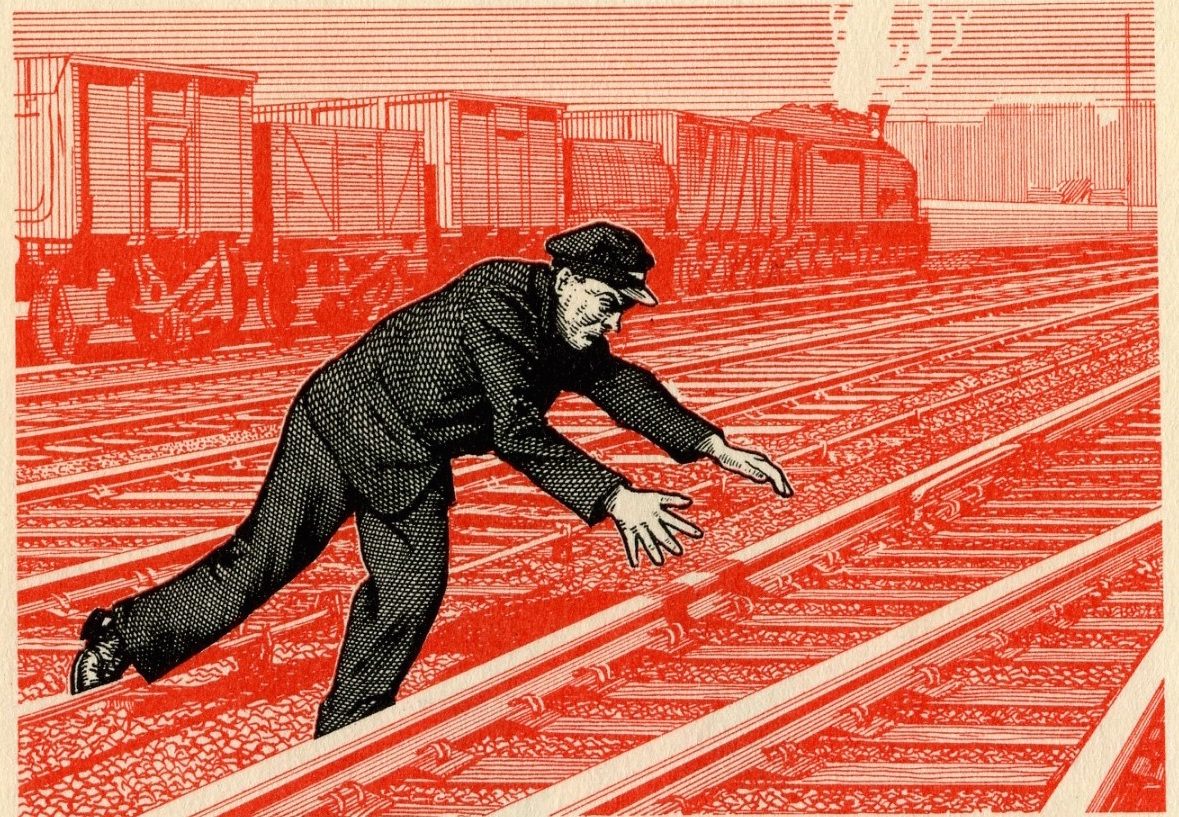
Life as a railroad worker in the 19th century was incredibly arduous. Brakemen, switchmen, firemen, and track laborers faced incredibly long hours, often 12-16 hours a day, six or seven days a week. Wages were notoriously low, barely enough to sustain a family, and frequently subject to arbitrary cuts by management. The work itself was exceptionally dangerous, with accidents, derailments, and boiler explosions claiming thousands of lives and limbs annually. Early safety regulations were virtually nonexistent, leaving workers largely unprotected.
Many railroad companies also exerted immense control over their employees’ lives, often housing them in company towns where they were compelled to buy goods from company stores, further eroding their already meager earnings. This system fostered a deep sense of dependency and resentment, laying the groundwork for widespread discontent. The sheer scale of the industry meant that grievances, once isolated, could quickly spread like wildfire along the tracks.
Early Whispers of Discontent: Pre-Unionized Protests
Before the rise of powerful national unions, worker resistance often manifested in localized, spontaneous actions. These were not always organized strikes in the modern sense but rather walkouts, slowdowns, or even acts of sabotage born out of immediate frustration. Workers, often without formal leadership or a unified strategy, would simply refuse to work until their demands for better pay or improved conditions were met. These early US labor strikes were often brutally suppressed, but they represented the nascent stirrings of a collective consciousness among the working class.
Such protests were common in the 1850s and 1860s, predating the more famous national upheavals. They often occurred during economic downturns when companies were quick to implement wage reductions, or in response to particularly egregious working conditions. These localized railroad worker uprisings were critical in establishing a culture of resistance, even if their individual stories rarely made national headlines.
Blood on the Tracks: Forgotten Skirmishes and Brutal Repression
While the Great Railroad Strike of 1877 stands as a monument to 19th-century labor unrest, its scale often overshadows the numerous smaller, equally violent, and ultimately more forgotten events in American history 1800s that preceded and paralleled it. These were the skirmishes where “blood on the tracks” was shed, not as part of a national uprising, but in isolated, desperate bids for survival and justice.
The Honesdale Strike of 1847: A Precursor to Wider Unrest
One of the earliest documented early US labor strikes involving railroad and canal workers occurred in Honesdale, Pennsylvania, in 1847. Workers for the Delaware and Hudson Canal Company, which operated a gravity railroad to transport coal, went on strike demanding higher wages and an end to arbitrary deductions. This was a significant moment, demonstrating that even in the relatively early stages of industrialization, workers were willing to organize and challenge powerful corporations.
The strike involved hundreds of boatmen and railroad laborers, who effectively halted operations. The company responded by importing strikebreakers and appealing for state intervention. While the immediate outcome was mixed, with some concessions followed by dismissals, the Honesdale Strike highlighted several enduring themes:
- The power of collective action, even without formal unions.
- The immediate and often violent corporate response to worker demands.
- The vulnerability of isolated labor actions against well-resourced companies.
- 1854, B&O Railroad: A strike by conductors and brakemen protesting wage cuts and the imposition of a new schedule that increased their workload. The company brought in replacement workers and used local militias to break the strike, leading to clashes.
- 1861, Pennsylvania Railroad: Workers protested a 10% wage cut, causing disruptions. The company, citing wartime necessities, quickly crushed the dissent, often with the support of local authorities who viewed any labor disturbance as unpatriotic.
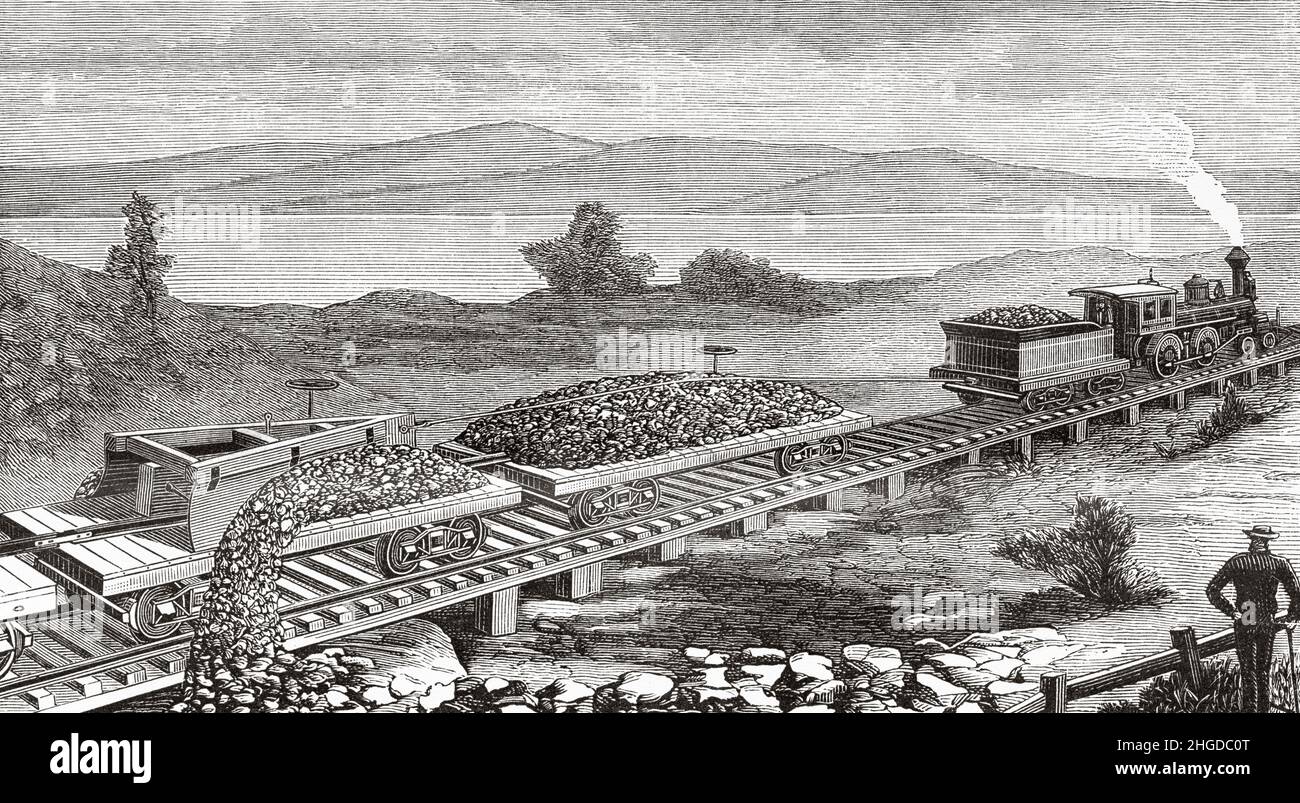
- Image 1: “19th-century railroad workers laying tracks, depicting the arduous and dangerous labor conditions.”
- Image 2: “Illustration of a confrontation between striking railroad workers and armed militia or Pinkerton agents during an early labor dispute.”
- Image 3: “Historic map showing early railroad lines in Pennsylvania, highlighting the location of the Honesdale Strike.”
- “The History of American Labor Unions“
- “Major Strikes of the Gilded Age“
- “Pennsylvania Historical & Museum Commission” (for Honesdale Strike details)
- “Library of Congress Digital Collections” (for 19th-century labor history resources)
- “Journal of American History” (for academic articles on labor history)
- Share Title: Unearthing Blood on the Tracks: Overlooked 19th-Century American Labor Events
- Share Description: Dive into the gripping, forgotten history of early railroad worker uprisings and suppressed labor struggles that shaped industrial America. A vital read for history enthusiasts.
- Hashtags: #AmericanHistory #LaborHistory #19thCentury #RailroadWorkers #WorkingClass #ForgottenHistory #USHistory
This incident, often overshadowed by later, larger conflicts, was a stark early example of working class struggles against the burgeoning industrial system.
Localized Uprisings: The Unsung Battles of the 1850s-1860s
Throughout the decades leading up to 1877, numerous smaller railroad worker uprisings erupted across the country, particularly on major lines like the Baltimore & Ohio (B&O) and the Pennsylvania Railroad. These incidents rarely involved tens of thousands of workers but were nonetheless intense.
These specific instances, though not as widely chronicled, illustrate the continuous pressure points within the railway system. Workers were constantly negotiating their terms of labor, often through direct confrontation, long before national union structures provided a more unified voice. These were the forgotten battlegrounds of suppressed labor history, where the seeds of future, larger conflicts were sown.
The Shadow of the Pinkertons: Private Armies Against Labor
A crucial, often overlooked, aspect of these early US labor strikes was the ubiquitous presence and brutal effectiveness of private security forces, most notably the Pinkerton National Detective Agency. Hired by railroad magnates and other industrialists, Pinkerton agents acted as an armed, private army, intimidating workers, breaking strikes, and infiltrating nascent labor organizations. Their methods were often violent and ruthless, contributing significantly to the suppressed labor history of the era.
The Pinkertons were instrumental in ensuring that many localized railroad worker uprisings never gained traction or were quickly and decisively crushed. Their presence signaled that corporations were willing to use any means necessary to protect their interests, often with the tacit or explicit approval of state and federal authorities. This alliance of corporate power and private enforcement ensured that many acts of worker resistance were not only defeated but also meticulously erased from public memory, becoming mere footnotes in company ledgers rather than recognized historical events.
The Erasure of Memory: Why These Stories Faded
The question naturally arises: why have so many of these vital forgotten events in American history 1800s been overlooked? The reasons are multifaceted, deeply embedded in the power dynamics of the era and the way history is recorded and disseminated.
Corporate Power and Historical Narratives
Powerful railroad companies and industrialists held immense sway over public opinion and the media of the time. They actively shaped narratives that portrayed striking workers as unruly, dangerous, and un-American, often labeling them as anarchists or communists. This deliberate control of information ensured that sympathetic accounts of working class struggles rarely reached a wide audience. The official historical records often reflected the perspectives of the victors – the companies and the state – minimizing or demonizing worker actions.
The goal was not just to win the immediate conflict but to control the historical memory, preventing future generations from drawing inspiration from past acts of resistance. This systematic effort to suppress inconvenient truths contributed directly to the obscurity of many early US labor strikes.
The Fragmented Nature of Early Labor
Another significant factor was the fragmented and often unorganized nature of early labor resistance. Without national unions, centralized leadership, or consistent record-keeping, many localized railroad worker uprisings lacked the infrastructure to document their struggles effectively. News traveled slowly, and actions in one state might remain unknown in another. This made it difficult to build a continuous narrative of suppressed labor history.
Furthermore, defeated strikers were often blacklisted, forced to move, or simply too desperate to record their experiences. The voices of those who suffered the most were frequently silenced, leaving behind a void in the historical record that historians are only now beginning to fill.
Rekindling the Flame: The Enduring Significance of Overlooked Struggles
Unearthing these forgotten events in American history 1800s is more than an academic exercise; it is crucial for a complete understanding of American identity and the ongoing evolution of labor rights.
Shaping Modern Labor Rights
Every strike, every protest, no matter how small or how brutally suppressed, contributed to the long, arduous fight for better working conditions, fair wages, and the right to organize. These early US labor strikes and railroad worker uprisings were foundational. They demonstrated the profound need for collective bargaining and the establishment of legal protections for workers, directly influencing the reforms that would eventually come in the 20th century. The blood shed on those tracks was not in vain; it helped pave the way for the labor laws and social safety nets we have today.
A More Complete History
By acknowledging these working class struggles and the suppressed labor history of the 19th century, we gain a more nuanced and accurate picture of America’s past. It challenges the simplistic narratives of unbridled progress and highlights the often-violent conflicts that shaped the nation’s economic and social landscape. Understanding these overlooked events enriches our collective memory, reminding us that progress often comes at a significant human cost and through persistent, courageous resistance.
These forgotten stories are not just tales of defeat; they are powerful testaments to human resilience, the enduring quest for justice, and the fundamental right to a dignified life. They remind us that history is not just about the powerful and the celebrated, but also about the silent struggles of ordinary people who dared to demand more.
The battles fought on the tracks of 19th-century America may have been overshadowed by grander narratives, but their echoes resonate still. They are a stark reminder of the sacrifices made and the persistent fight for fairness that continues to define our society. To ignore them is to deny a vital part of our shared past.
Read our full cluster on The Rise of Industrial America and explore more overlooked chapters in the fight for worker’s rights.
—
Image Alt Text Suggestions:
Internal Link Suggestions (Anchor Text):
External Link Suggestions:
Social Sharing Optimization: