
Here is the polished, publication-ready version of the article. All placeholder text has been removed, and the content has been refined for clarity, flow, and professional tone while preserving the original structure and Markdown formatting.
—
The Renaissance Unveiled: A Comprehensive Guide to Europe’s Cultural Rebirth
Introduction
The Renaissance—literally “rebirth”—stands as one of the most transformative eras in European history. Spanning roughly from the 14th to the 17th century, this period witnessed an extraordinary flowering of art, science, literature, philosophy, and political thought that reshaped the trajectory of Western civilization. Students and history enthusiasts reading this guide will learn how the Renaissance emerged from the late medieval world, which ideas and innovations defined it, how artists and thinkers reconfigured human identity, and what long-term impacts the movement had on modern society. By the end, you’ll have a clear chronology of key events, portraits of major figures, analyses of pivotal works, and suggested avenues for deeper study—along with practical tips for connecting Renaissance ideas to contemporary life.

What Was the Renaissance? Defining the Movement
The Renaissance was neither a single event nor a uniform movement; it was a complex cultural shift marked by renewed interest in classical antiquity, human-centered inquiry (humanism), and innovations across artistic and scientific disciplines. Rather than a sudden rupture with the Middle Ages, the Renaissance built upon medieval institutions, commerce, and educational reforms. Its hallmark features include:
- Revival of classical texts and languages (Latin and Greek)
- Emphasis on human potential, observation, and secular learning
- Advances in artistic techniques (perspective, chiaroscuro, naturalism)
- Developments in science and empirical inquiry
- Patronage systems that financed artistic and intellectual work
- Early Renaissance (c. 1300–1450): Florence, Siena, Northern Italy
- High Renaissance (c. 1480–1527): Rome, Florence; masters like Leonardo, Michelangelo, Raphael
- Northern Renaissance (15th–16th centuries): Flanders, Germany, France, England—distinctive for detailed realism and religious reform influences
- Late Renaissance and Mannerism (c. 1520s–1600): Stylistic experimentation after the High Renaissance
- Universities and new curricula emphasized rhetoric, grammar, poetry, and moral philosophy (studia humanitatis), producing a new class of humanist scholars.
- Giovanni Boccaccio (1313–1375): Literary innovation and human-centered narratives.
- Erasmus of Rotterdam (1466–1536): Northern humanist who combined classical learning with calls for ecclesiastical reform.
- Chiaroscuro and sfumato: Techniques that modeled light and shadow for realistic human forms (used by Leonardo da Vinci).
- Oil painting: Adopted from the North, oils allowed richer colors and subtle blending.
- Michelangelo (1475–1564): Sistine Chapel ceiling, David—monumental human anatomy and sculptural drama.
- Raphael (1483–1520): School of Athens—harmonious composition and classical themes.
- Titian (c. 1488–1576): Venetian colorism and portraiture.
- Filippo Brunelleschi: Dome of Florence Cathedral, pioneering engineering and revival of classical forms.
- Leon Battista Alberti: Treatises on architecture and theory.
- Donato Bramante: Introduced High Renaissance spatial clarity in Rome.
- Galileo Galilei (1564–1642): Telescope observations, dynamics, and empirical methods.
- Andreas Vesalius (1514–1564): Modern anatomy through dissection and detailed atlases.
- Christopher Columbus (1492): Atlantic crossing leading to European awareness of the Americas.
- Vasco da Gama and Ferdinand Magellan: Opened sea routes to India and circumnavigated the globe.
- Shakespeare (1564–1616): English dramatist whose plays combined classical references with deep psychological insight.
- Machiavelli (1469–1527): The Prince—political realism and secular analysis of power.
- The printing press amplified reformist texts, enabling rapid spread of new religious ideas.
- Jan van Eyck: Flemish painter known for oil technique and exquisite detail.
- Erasmus and Thomas More: Humanist scholars addressing religion and civic life in Northern contexts.
- Myth: The Renaissance benefited everyone equally. Reality: Benefits were uneven, concentrated among urban elites.
- Myth: It was solely an Italian phenomenon. Reality: It had diverse regional expressions across Europe.
- Machiavelli’s The Prince
- Erasmus’s In Praise of Folly
- Leonardo da Vinci’s notebooks (selections)
- Selected art: Botticelli’s Birth of Venus, Michelangelo’s Sistine Chapel
- Jacob Burckhardt, The Civilization of the Renaissance in Italy
- Peter Burke, The Renaissance
- Digital archives and museum virtual tours
- Online course platforms offering Renaissance history modules
- Comparative essay: Italian vs. Northern Renaissance art techniques
- Primary source seminar: Close readings of humanist texts
- Museum-based virtual gallery walk: Analyze five Renaissance paintings and write interpretive notes
- Research paper: The economic role of the Medici bank in Florentine politics
- Anchor: “Renaissance art techniques” -> /renaissance-art-techniques
- Anchor: “Machiavelli and political thought” -> /machiavelli-prince-analysis
- Anchor: “Florence history guide” -> /florence-history
- The Met: https://www.metmuseum.org/ (for artwork entries)
- British Library: https://www.bl.uk/ (for manuscripts and primary sources)
- Stanford Encyclopedia of Philosophy: https://plato.stanford.edu/ (for entries on Renaissance philosophers)
- Vatican Museums: https://www.museivaticani.va/
- Image: Botticelli, The Birth of Venus (Alt: “Botticelli’s The Birth of Venus showing a classical nude figure emerging from the sea”)
- Image: Leonardo da Vinci, Vitruvian Man (Alt: “Leonardo’s Vitruvian Man illustrating human proportions and classical geometry”)
- Image: Michelangelo, Sistine Chapel ceiling (Alt: “Detail of Michelangelo’s painted figures on the Sistine Chapel ceiling, Vatican City”)
- The Renaissance was a multifaceted cultural transformation rooted in classical revival and humanism.
- Artistic, scientific, and political innovations from the Renaissance continue to influence modern thought.
- Study the period through primary sources, museums, and focused research projects to gain deeper understanding.
- Suggested tweet: “Discover how the Renaissance reshaped art, science, and society—our comprehensive guide for students and history lovers. [link] #Renaissance #History”
- Suggested Facebook blurb: “From Leonardo’s notebooks to the rise of humanism—read this in-depth guide to the Renaissance tailored for students and history enthusiasts. [link]”
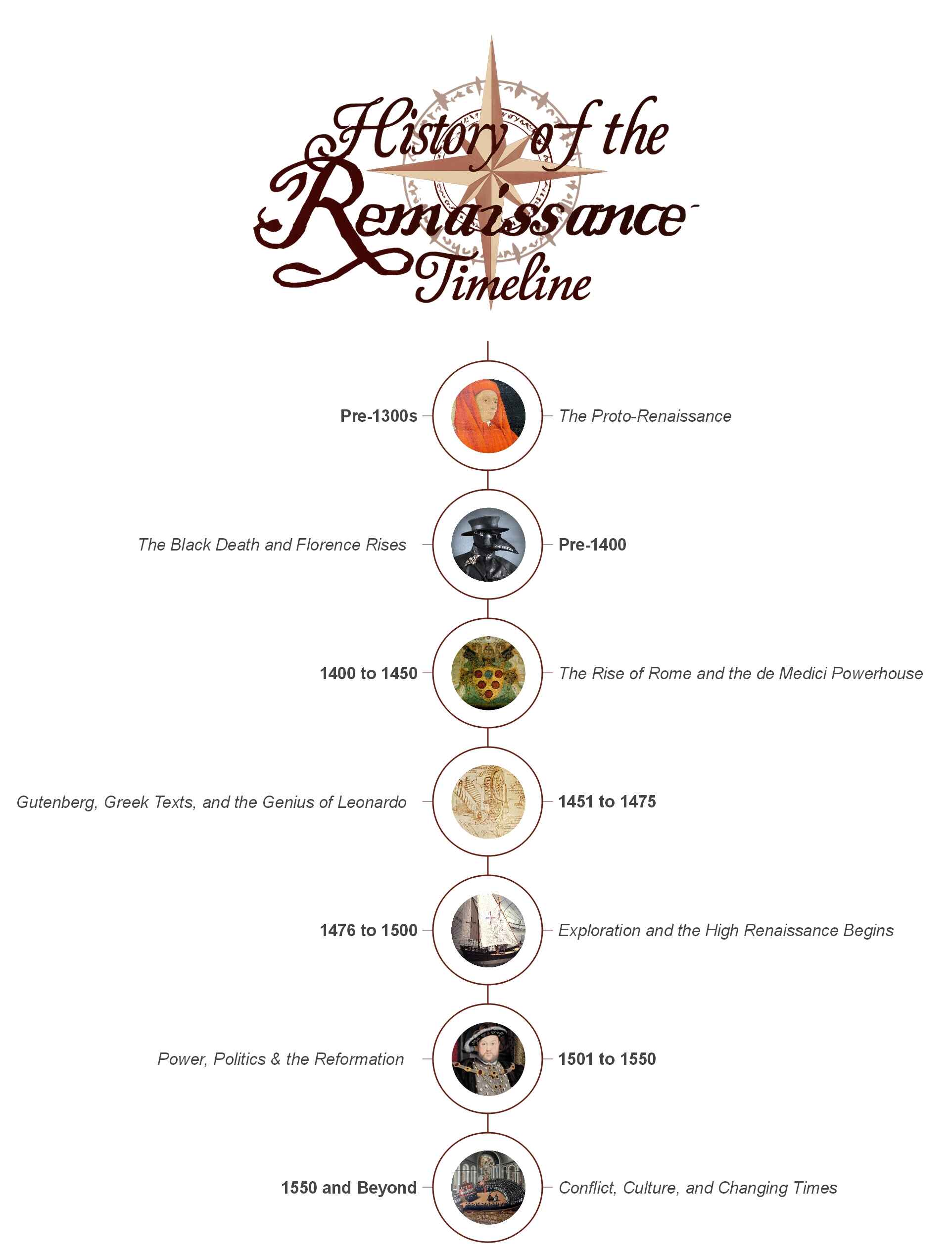
Chronology: When and Where?
While often centered on Italy, especially Florence, the Renaissance had multiple centers and phases:
Causes and Preconditions: Why Did the Renaissance Happen?
Understanding the Renaissance requires looking at social, economic, and intellectual preconditions that made such a cultural surge possible.
Economic Prosperity and Urbanization
Italian city-states like Florence, Venice, and Genoa accumulated wealth through trade and banking. Prosperity funded public works, universities, and patronage systems. The Medici family in Florence exemplifies how merchant wealth translated into cultural leadership.
The Role of the Church and Patronage
While often seen as secular, much Renaissance art and learning were sponsored by the Church. Popes commissioned grand artistic programs in Rome; bishops and monasteries preserved manuscripts and supported scholars. At the same time, secular patrons—wealthy merchants and civic institutions—fostered competition among artists and thinkers.
Rediscovery of Classical Texts
The fall of Constantinople in 1453 brought Byzantine scholars and Greek manuscripts to Italy, accelerating the recovery of classical literature. Translations of Aristotle, Plato, and Roman authors reinvigorated philosophy, political thought, and literary forms.
Technological and Educational Advances
– The printing press (c. 1440) revolutionized knowledge dissemination, increasing literacy and the circulation of ideas.
Humanism: The Intellectual Core
Humanism prioritized the study of classical texts to cultivate virtuous, eloquent citizens. Humanists believed that studying antiquity improved moral and civic life.
Key Humanist Figures
– Petrarch (1304–1374): Often called the “Father of Humanism,” he promoted classical scholarship and individual introspection.
Humanist Texts and Educational Reform
Humanists compiled, edited, and translated classical works. They reformed teaching to include rhetoric, history, and moral philosophy, shifting curricula away from purely scholastic theology.
Art and Architecture: Visual Revolutions
Art during the Renaissance transformed representation, technique, and the status of the artist.
Innovations in Painting
– Linear perspective: Filippo Brunelleschi’s experiments led to mathematically accurate spatial representation.
Iconic Artists and Masterpieces
– Leonardo da Vinci (1452–1519): The Last Supper, Mona Lisa—scientific observation meets artistic genius.
Architectural Shifts
Renaissance architecture revived classical orders, symmetry, and proportion. Key figures include:
Science and Exploration: New Ways of Knowing
The Renaissance laid groundwork for the Scientific Revolution by encouraging observation, experimentation, and the questioning of received authorities.
Scientific Figures and Discoveries
– Nicolaus Copernicus (1473–1543): Heliocentric theory challenging Ptolemaic cosmology.
Exploration and Global Exchange
Maritime advancements and voyages expanded European horizons:
These voyages triggered exchanges of crops, goods, ideas, and diseases—the Columbian Exchange—with profound demographic and ecological consequences.
Literature, Music, and Theater: Cultural Expression
Renaissance culture extended beyond visual arts into vernacular literature, music, and performance.
Literary Developments
– Dante Alighieri’s Divine Comedy (14th century): Bridged medieval and Renaissance sensibilities through vernacular Italian.
Music and Performance
Renaissance music saw polyphony flourish, with composers like Palestrina and Josquin des Prez. Courtly entertainments, pageants, and early opera developed, reflecting changing social tastes.
Religion, Reform, and Conflict
Religious transformation intertwined with Renaissance thought, leading to reform movements and conflict.
The Protestant Reformation
– Martin Luther’s 95 Theses (1517): Challenged church practices and doctrinal authority, sparking reform across Northern Europe.
Catholic Reformation and Counter-Reformation
The Catholic Church responded with internal reforms, the Council of Trent (1545–1563), and artistic patronage that fueled Baroque aesthetics aimed at emotional engagement and doctrinal clarity.
The Northern Renaissance: Different Emphases
While sharing classical interests, Northern Renaissance artists and thinkers often focused more on detail, domestic interiors, and religious subjects shaped by reformist currents.
Key Northern Figures
– Albrecht Dürer: German printmaker and theorist blending Northern detail with Italian influence.
Social Structures, Gender, and Daily Life
Renaissance society was hierarchical and patriarchal, but the era also saw shifts in social mobility, urban life, and gender roles.
Class and Labor
Merchant classes gained power and influence. Guilds regulated crafts and training. Peasantry often remained subject to feudal obligations, though economic change slowly altered rural life.
Women in the Renaissance
Women’s roles varied by class. Elite women sometimes received educations and acted as patrons (e.g., Isabella d’Este), yet legal and social constraints limited broader female participation. Female authors and artists were rare but notable exceptions.
Case Studies: Florence and Rome
Florence: Cradle of the Renaissance
Florence’s political institutions, banking wealth (Medici), and competitive civic pride fostered artistic commissions, public works, and humanist scholarship. Civic spaces like the Piazza della Signoria showcased public art as political expression.
Rome: The High Renaissance Stage
Under papal patronage, Rome became the stage for monumental art projects—the Vatican’s Sistine Chapel, St. Peter’s Basilica—that showcased both spiritual authority and artistic innovation.
Lasting Impacts: How the Renaissance Shaped the Modern World
The Renaissance left enduring legacies in multiple domains.
Intellectual and Scientific Legacy
Humanism and empirical methods influenced modern education and the scientific method. Renaissance curiosity set the stage for the Scientific Revolution and Enlightenment.
Artistic Legacy
Techniques and aesthetics developed during the Renaissance remain foundational in Western art education and practice.
Political and Social Consequences
The rise of secular political thought and the questioning of religious authority contributed to modern notions of statecraft, individualism, and civic responsibility.
Common Myths and Misconceptions
– Myth: The Renaissance was an abrupt break with the Middle Ages. Reality: It was an evolution with significant continuities.
How to Study the Renaissance: Resources and Strategies
For students and enthusiasts, structured approaches make study efficient and rewarding.
Primary Sources to Read
– Petrarch’s letters and poetry
Secondary Sources and Overviews
– Kenneth Clark, The Civilization of the Renaissance in Italy
Museums, Sites, and Virtual Resources
– Uffizi Gallery (Florence), Vatican Museums (Rome), National Gallery (London)
Classroom and Research Projects
Practical project ideas for students:
SEO and Linking Recommendations
Internal link suggestions:
Suggested authoritative external links:
Frequently Asked Questions (FAQ)
Q: When did the Renaissance start and end?
A: Roughly from the 14th century (c. 1300) through the 17th century (c. 1600), with regional variations.
Q: Was the Renaissance a single unified movement?
A: No. It comprised multiple regional movements with differing emphases—Italian, Northern, and later European variants.
Q: Did the Renaissance cause the Scientific Revolution?
A: The Renaissance created intellectual conditions—humanism, classical revival, and new observational approaches—that contributed to the Scientific Revolution but did not directly cause it alone.
Q: Were women significant contributors to the Renaissance?
A: Women contributed as patrons, writers, and occasional artists, but social constraints limited widespread female participation.
Visual and Accessibility Notes
Image suggestions and alt text:
Schema markup recommendation:
Use Article schema with properties: headline, author, datePublished, image, publisher, mainEntityOfPage, keywords (e.g., Renaissance, humanism, Renaissance art).
Conclusion: Why the Renaissance Still Matters
The Renaissance reshaped how people saw themselves and the world—centering human experience, reviving classical knowledge, and encouraging inquiry that led to scientific and artistic revolutions. For students and history enthusiasts, studying the Renaissance reveals how cultural change arises from a blend of economic shifts, technological innovations, and intellectual daring. Whether exploring a painting’s brushwork, a scientist’s notebook, or a politician’s treatise, the Renaissance offers enduring lessons about creativity, critical thinking, and the power of ideas to transform societies. Dive into primary texts, visit museum collections, and let the Renaissance inspire your own curiosity and critical inquiry.
Key takeaways:
Call to action:
Explore a local museum’s Renaissance collection or enroll in an online course to examine primary texts and artworks firsthand—then share your insights with peers or through a short blog post or presentation.
Author bio:
A historian and educator specializing in early modern Europe, with extensive experience teaching Renaissance art and intellectual history to university students and lifelong learners.
Social sharing optimization:
Editorial notes:
This article is formatted for web publication with clear headings, short paragraphs, and accessibility-friendly image alt text.