The Age of Exploration: How European Voyages Reshaped the World
Introduction
The Age of Exploration — spanning roughly the 15th to the 17th centuries — stands as one of the most transformative eras in global history. Fueled by advances in navigation, political ambitions, trade interests, and cultural curiosity, European voyages across the Atlantic, around Africa, and into the Indian Ocean connected distant continents in unprecedented ways. This article explores why the Age of Exploration began, who the major players were, what technologies and institutions made it possible, and how these voyages reshaped economies, societies, environments, and ideas worldwide. Students and history enthusiasts will gain a clear, evidence-based overview of the period, concrete case studies of key voyages and encounters, and insight into the long-term legacies — both constructive and destructive — that continue to affect the modern world.
What you will learn:
- The motives, technologies, and institutions that sparked European exploration
- Biographical and voyage summaries of major explorers and empires
- Economic and political effects, including the rise of global trade networks and empires
- Cultural encounters, the Columbian Exchange, and demographic consequences
- Environmental impacts and the beginnings of global capitalism
- How to interpret primary sources and recommended further readings
- Technological advances: Improved ship designs (caravels, carracks), navigational instruments (astrolabe, cross-staff, later the sextant), more accurate maps, and knowledge of wind patterns (the volta do mar) made long ocean voyages feasible.
- Economic incentives: European demand for Asian spices, silks, and other luxury goods drove efforts to find direct sea routes that bypassed overland intermediaries controlled by Ottoman and Mamluk powers.
- Political competition and state consolidation: Emerging centralized monarchies in Portugal, Spain, England, and France invested in maritime ventures to augment royal revenues and prestige.
- Religious motives: Missionary zeal and the desire to spread Christianity sometimes accompanied commercial and territorial ambitions.
- Intellectual currents: Renaissance humanism, renewed interest in classical geography, and improvements in cartography contributed to a belief that the world could be measured, mapped, and traversed.
- Sailing techniques: Understanding of the trade winds and the volta do mar allowed sailors to plan oceanic circuits, such as Portugal’s Atlantic routes.
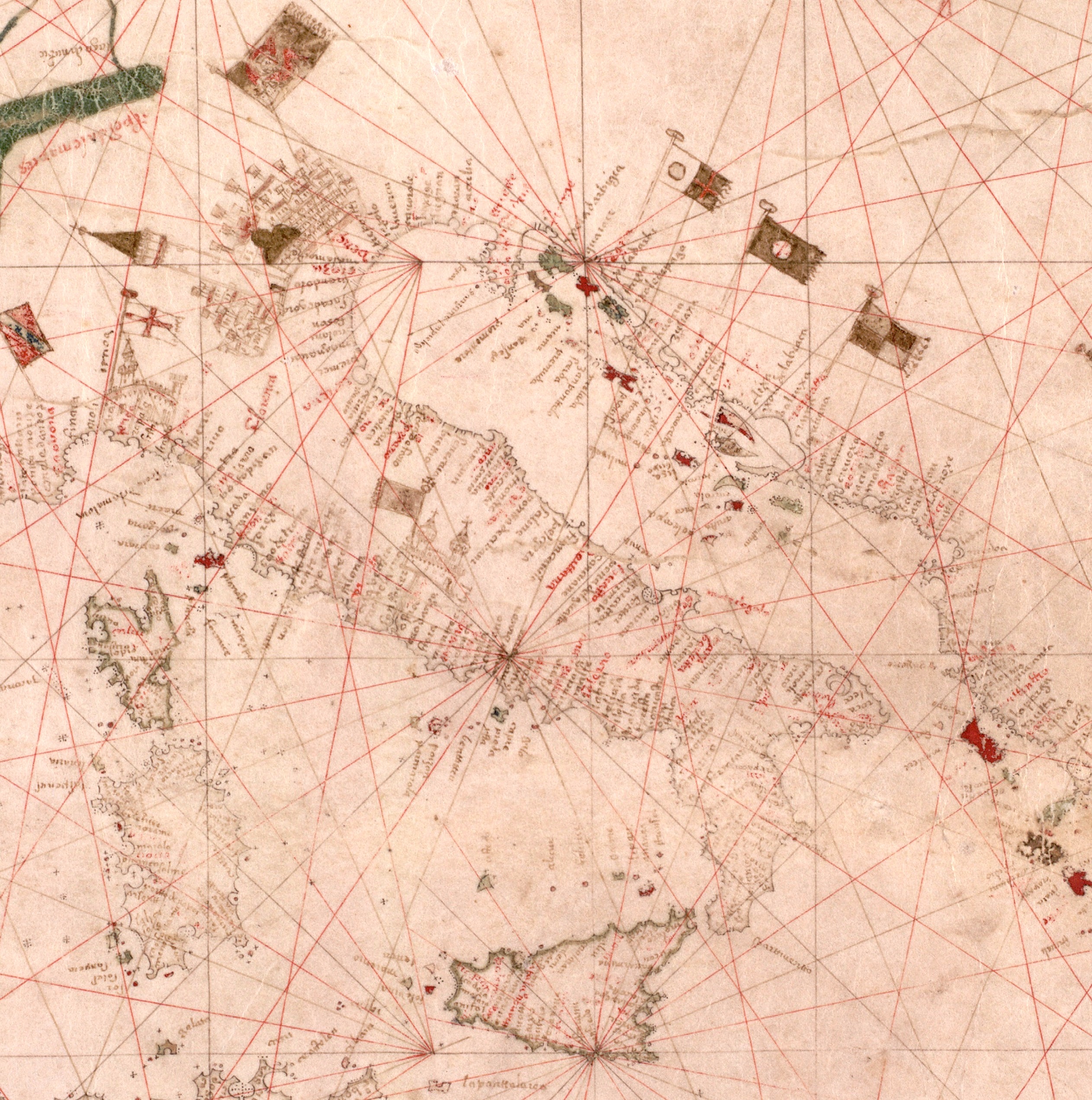
- Instruments and cartography: Astrolabes and cross-staffs enabled latitude estimation. Portolan charts and later Mercator projections improved course plotting.
- Pilot books and sailing manuals: Compilations of coastal observations and routes (e.g., the Portuguese Roteiro manuscripts) spread practical knowledge among mariners.
- Bartolomeu Dias (c. 1450–1500): Rounded the Cape of Good Hope (1488), proving a sea route to the Indian Ocean was possible.
- Vasco da Gama (c. 1460s–1524): Reached India in 1498, establishing a sea link between Europe and Asia and opening the way for Portuguese trade dominance in the Indian Ocean.
- Hernán Cortés (1485–1547): Conquered the Aztec Empire (1519–1521), demonstrating how small European forces, alliances, and disease could topple large indigenous polities.
- Francisco Pizarro (c. 1471–1541): Led the conquest of the Inca Empire (1532–1533), expanding Spanish control in South America.
- Henry Hudson (1565–1611): Explored northeastern North America and the river later named after him while seeking a Northeast or Northwest Passage.
- Dutch and English East India Companies: Chartered companies (VOC in 1602; English East India Company in 1600) institutionalized private trading corporations with state privileges, accelerating colonization and trade.
- Long-term consequences: European colonization of the Americas led to the creation of plantation economies, the transatlantic slave trade, and an enormous transfer of biological resources in the Columbian Exchange.
- Political and economic impact: Spain quickly extracted vast quantities of silver and other resources, radically increasing European access to American wealth and funding further imperial ventures.
- Consequence: The Portuguese disrupted traditional Indian Ocean commerce, inserted Eurasian silver flows, and initiated direct European participation in Asian trade networks.
- From Americas to Europe/Africa/Asia: Maize, potatoes, tomatoes, cacao, tobacco, and cassava. These crops reshaped diets and agricultural systems worldwide and, in some cases, supported population growth in Europe and Asia.
- From Europe/Africa/Asia to the Americas: Wheat, rice, horses, cattle, sugarcane, coffee, and diseases (smallpox, measles). Horses transformed indigenous mobility in parts of the Americas; sugarcane plantations drove plantation-based economies and the demand for enslaved labor.
- Ecological consequences: Invasive species altered landscapes and agricultural practices; New World crops supported demographic shifts; disease introduced by Europeans caused catastrophic depopulation among indigenous Americans.
- Mercantilism and protectionism: European states adopted mercantilist policies aimed at accumulating bullion and controlling trade, fueling colonial competitions.
- Rise of capitalist institutions: The emergence of joint-stock companies, banking expansion, and insurance markets helped finance risky overseas ventures. The VOC and English East India Company exemplify private capital operating with state backing.
- Labor systems: Encomienda, repartimiento, and later plantation slavery reorganized labor in colonial economies, producing wealth for Europe while entrenching social hierarchies and grievous human suffering.
- Transatlantic slave trade: From the early 16th century onward, millions of Africans were forcibly transported to the Americas. African captives supplied labor for plantations and mines, profoundly shaping the demographics, cultures, and economies of the Atlantic world.
- Cultural syncretism: Despite coercion, enslaved and indigenous peoples adapted, resisted, and created new cultural forms — languages, religions, music, and culinary traditions — visible across the Americas today.
- Colonial administration: Spain developed viceroyalties and bureaucratic institutions to govern vast territories. Portugal, the Netherlands, England, and France experimented with different colonial administrative models, reflecting varying degrees of direct control and reliance on settler colonialism or trade networks.
- International law and justification: European thinkers developed legal and moral frameworks (e.g., the Requerimiento, Papal bulls, later debates by jurists like Francisco de Vitoria) to justify conquest and regulate relations with indigenous peoples — often used to legitimize domination, but also to spark debates about rights and natural law.
- Artistic and literary responses: The New World inspired art, literature, and philosophical reflection in Europe. Travel accounts, such as those by Bernal Díaz del Castillo and Bartolomé de las Casas, influenced public perception and ethical debates.
- Religious changes: Catholic and Protestant missions sought conversions with long-term cultural effects. Syncretic religious practices developed where indigenous beliefs mingled with Christianity.
- Soil exhaustion and monoculture: Plantations focused on single cash crops, often degrading soils and making colonies dependent on imported foodstuffs and European manufactured goods.
- Global climate impacts: Some scholars link massive demographic collapse and resulting reforestation in parts of the Americas to a temporary reduction in atmospheric CO₂ (the “Orbis hypothesis”), although this remains debated.
- Official documents: Royal decrees, treaties, and legal texts (e.g., Laws of Burgos, New Laws) reveal policies and legal rationales but often mask local practices and abuses.
- Archaeological and ecological evidence: Material remains and environmental records complement written sources, especially where indigenous voices were silenced.
- Indigenous accounts and oral histories: Wherever available, these perspectives are essential to reconstructing a fuller picture of contact and consequences.
- Labor coercion: Indigenous labor systems and later forced mita labor extracted harsh work from miners; mortality rates were high.
- Environmental damage: Mercury use in refining silver caused pollution; deforestation supported smelting operations.
- Global economic impact: Potosí silver found its way to Manila and China, linking the Americas, Europe, and Asia in a global commercial web.
- The role of disease: Scholars debate the timing and impact of pandemics, but consensus holds that disease was central to indigenous demographic collapse and European conquest advantages.
- Agency and resistance: Recent histories foreground indigenous strategies of resistance, accommodation, and adaptation, showing colonization was contested and negotiated.
- Environmental perspectives: Environmental history has deepened understanding of how ecological change and resource extraction drove imperial expansion and shaped societies.
- Primary-source exercises: Read letters by Columbus alongside indigenous testimonies where available; discuss bias and perspective.
- Role-play debates: Simulate the Treaty of Tordesillas negotiations or a debate between a conquistador, an indigenous leader, and a Spanish priest.
- Digital resources: Use databases like the Trans-Atlantic Slave Trade Database, the World Digital Library, and university archives for primary materials.
- Felipe Fernández-Armesto, Pathfinders
- Charles C. Mann, 1491 and 1493 (on pre-Columbian Americas and the Columbian Exchange)
- J. H. Elliott, Empires of the Atlantic World
- Matthew Restall, Seven Myths of the Spanish Conquest (debunking simplistic narratives)
- Trans-Atlantic Slave Trade Database (online resource)
- Primary source collections: Letters of Columbus, the Florentine Codex (Bernardino de Sahagún), and Hernán Cortés’s letters
- European voyages connected the world but also caused demographic collapse and initiated the transatlantic slave trade.
- The Columbian Exchange reshaped diets, economies, and environments across continents.
- Global trade networks, silver flows, and chartered companies laid foundations for modern capitalism.
- Studying primary sources, archaeology, and indigenous perspectives gives a fuller understanding of this contested period.
Why the Age of Exploration Started
Several converging factors explain why exploration accelerated in the 15th century:
Key Technologies and Navigational Techniques
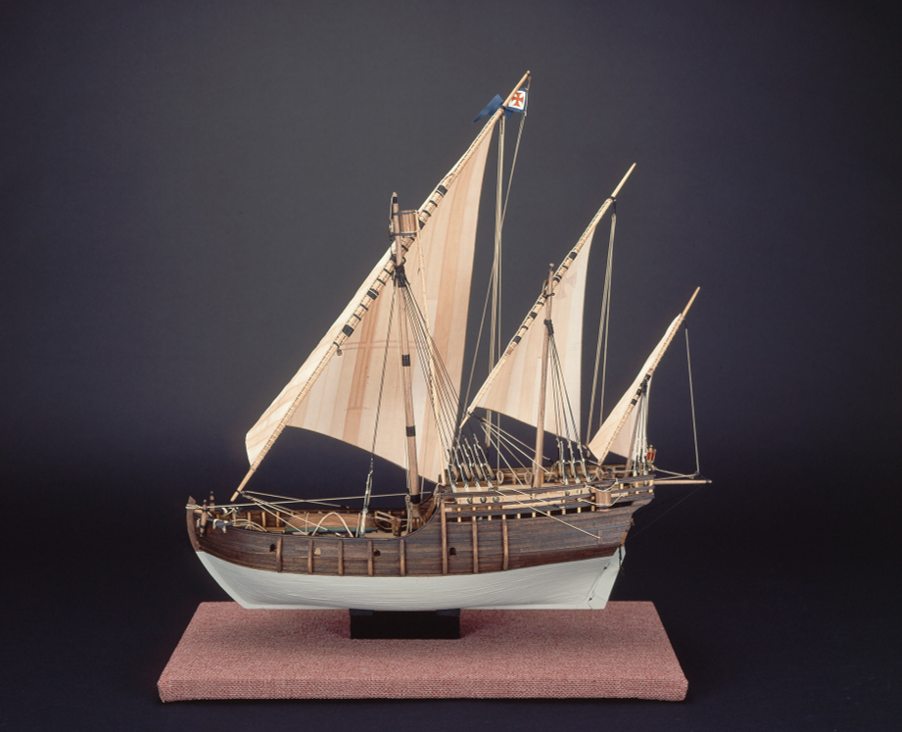
– Ships: The caravel (lateen sails for windward sailing) and larger carracks allowed longer voyages and heavier cargoes. The galleon later combined cargo capacity with warship features.
Major Explorers and Their Voyages
Portugal: Pioneers of Atlantic and African Exploration
– Prince Henry the Navigator (1394–1460): Not a voyager himself but a patron of expeditions along the West African coast; fostered navigational schools and shipbuilding innovations in Sagres.
Spain: Columbus, Conquest, and Empire-Building
– Christopher Columbus (1451–1506): Under Spanish sponsorship, reached the Caribbean in 1492, initiating sustained European contact with the Americas.
Northern European Rivals
– John Cabot (c. 1450–c. 1499): Sailing for England, reached Newfoundland (1497), laying early claims to North American fisheries and territories.
Case Studies: Key Encounters and Their Consequences
Columbus and the Caribbean (1492 Onward)
– Immediate outcomes: The Spanish established colonies in Hispaniola and began systematic extraction of resources. They encountered diverse indigenous groups whose populations soon declined due to violence, enslavement, and introduced diseases.
The Conquest of the Aztec and Inca Empires
– Reasons for success: European military technology (steel weapons, cavalry, gunpowder), strategic alliances with rival indigenous groups, and, crucially, epidemic diseases such as smallpox decimated native populations.
Portuguese in the Indian Ocean
– Strategy: Rather than conquer large territories inland, Portugal established fortified coastal outposts (e.g., Goa, Malacca) and sought to control strategic choke points in maritime trade.
The Columbian Exchange: Biological and Agricultural Transformations
The Columbian Exchange describes the widespread transfer of plants, animals, people, pathogens, and ideas between the Old and New Worlds. Examples include:
Economic Transformations: Global Trade, Silver, and Capitalism
– Silver and bullion flows: The Spanish extraction of silver from Potosí and other mines dramatically increased world silver supplies. Large amounts of silver flowed into Asia (especially China) in exchange for goods, linking global markets.
Demography, Slavery, and Forced Migrations
– Indigenous demographic collapse: Scholars estimate that in many regions of the Americas indigenous populations declined by as much as 50–90% within the first centuries of contact, mainly due to disease and violence.
Political and Legal Transformations
– Treaty of Tordesillas (1494): Brokered by the Pope, divided the non-European world between Spain and Portugal along a meridian; later contested by other European powers.
Cultural and Intellectual Impacts
– Exchange of knowledge: Botanical, geographic, and navigational knowledge flowed in both directions. European scientific inquiry benefited from New World plants; conversely, indigenous knowledge influenced European agriculture and medicine in specific cases.
Environmental Effects
– Deforestation and mining: Colonial agricultural expansion and mining for precious metals caused extensive environmental degradation in the Americas, Africa, and parts of Asia.
Primary Sources and How to Read Them
– Travel narratives: Firsthand accounts (e.g., Columbus’s letters, Cortés’s letters to Charles V, Bernal Díaz del Castillo’s True History) are invaluable but must be read critically for bias, self-justification, and rhetorical aims.
Case Study: Potosí — Wealth and Consequence
Potosí, in present-day Bolivia, became one of the largest and most productive silver mines in the Spanish empire after its discovery in 1545. The mountain’s wealth fueled Spanish power and global silver flows, yet had profound human and environmental costs:
Historiographical Debates and Interpretive Approaches
– “Great men” vs. structural history: Earlier histories focused on individual explorers. Modern scholarship emphasizes structural factors — state formation, capitalism, indigenous agency — to explain exploration and colonization.
Teaching the Age of Exploration: Activities and Sources
– Map analysis: Compare pre- and post-1500 maps to see how geographic knowledge evolved.
Recommended Readings and Resources
– Samuel Eliot Morison, The European Discovery of America (overview)
Frequently Asked Questions
Q: What years are considered the Age of Exploration?
A: Generally the 15th to the 17th centuries, beginning with Portuguese and Spanish voyages in the 1400s and expanding through the 1600s as northern European powers joined exploration.
Q: What was the Columbian Exchange?
A: The Columbian Exchange refers to the transfer of plants, animals, people, pathogens, and ideas between the Americas and Afro-Eurasia after 1492, reshaping diets, populations, and environments worldwide.
Q: Why did European countries explore overseas?
A: Motives included finding direct trade routes to Asian goods, expanding political power, seeking wealth (gold, silver), religious conversion, and scientific curiosity, supported by technological and institutional developments.
Q: How did the Age of Exploration change global trade?
A: It created integrated global trade networks, shifted wealth via silver flows, encouraged mercantilist policies, and led to the rise of chartered trading companies and early capitalist institutions.
Conclusion
The Age of Exploration fundamentally altered the course of human history. It connected continents in a new global web of trade, migration, and exchange that produced profound economic growth, cultural transformations, and tragic human costs. For students and history enthusiasts, understanding this period means recognizing the interplay of technology, state power, economic systems, and human agency. The legacies of exploration — globalization, cultural syncretism, environmental change, and economic inequality — remain relevant today. To deepen your study, engage with primary sources, examine comparative case studies, and consider the multiple perspectives — European, African, and indigenous — that together tell the complex story of this era.
Key Takeaways
– The Age of Exploration (c. 15th–17th centuries) was driven by technology, trade motives, and state support.
—
This article draws on current scholarship and primary sources to present an accessible, balanced account of the Age of Exploration for students and history enthusiasts. For classroom use, adapt the suggested activities and readings to deepen engagement and critical analysis.