
Unveiling the Legacy of Women Trailblazers: Stories of Pioneering Figures Who Shaped History
Discover how women trailblazers across eras and continents broke barriers, reshaped institutions, and left enduring impacts on society. Learn their stories, lessons for today’s leaders, and how to honor their legacy.
Introduction: Why the Stories of Women Trailblazers Matter
History is shaped as much by courageous individuals who defied norms as by sweeping movements. Women trailblazers—scientists, activists, artists, entrepreneurs, and political leaders—have repeatedly overturned expectations and opened doors for subsequent generations. Yet their stories are often underrepresented in mainstream narratives. This article unpacks the legacies of influential women across fields and geographies, examines the structural barriers they confronted, and extracts practical lessons for leaders, educators, and advocates today.
By the end of this piece you will: understand pivotal contributions from a diverse set of women trailblazers; see how their strategies and values can be applied now; find curated resources for deeper study; and receive concrete actions to honor and extend their legacies. This is both a celebration and a toolkit for change.
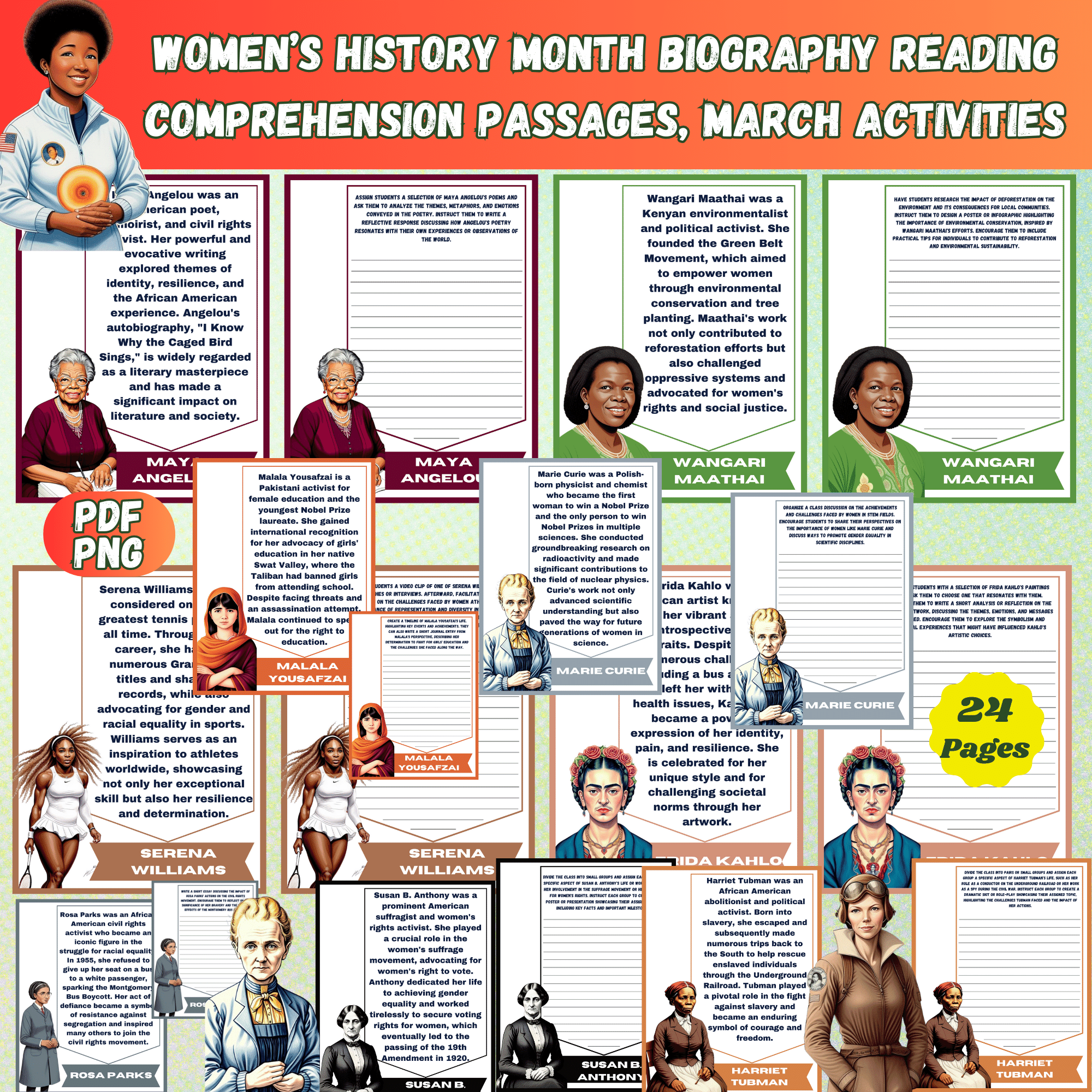
How to Read These Stories: Themes and Frameworks
To make sense of many biographies and achievements, we use recurring themes that appear across lives and fields:
- Barrier-breaking: How the individual penetrated closed institutions or professions.
- Networks and mentorship: The role of allies, mentors, and collective support.
- Strategic risk-taking: Instances where calculated risks produced outsized gains.
- Legacy and institutional change: How their actions altered systems and created pathways.
- Community midwives who reduced maternal mortality through culturally informed care.
- Local educators designing curricula that preserve indigenous languages and knowledge.
- Grassroots climate activists leading adaptation projects in vulnerable regions.
- Build resilient networks: Seek mentors, allies, and peer networks to share knowledge and open doors.
- Leverage niche expertise: Establish authority in a specialized area before scaling influence.
- Document achievements: Create records—publications, speeches, media—that ensure recognition and historical memory.
- Use storytelling strategically: Personal narratives galvanize support and humanize policy problems.
- Pursue institutional change alongside individual advancement: Invest in systems (policy, education, business models) that enable others.
- Legal restrictions on property, voting, and professional practice.
- Implicit bias and exclusion from informal networks.
- Lack of access to capital and educational resources.
- Historical erasure and inadequate credit for contributions.
- Curriculum inclusion: Integrate diverse women’s histories into school and university courses.
- Mentorship programs: Sponsor mentorship and sponsorship initiatives for women and marginalized groups.
- Equitable funding: Create funds and investment vehicles targeting women-led ventures.
- Archival efforts: Fund oral histories and archive projects to preserve under-documented lives.
- Policy reform: Advocate for paid family leave, equal pay legislation, and representation quotas where appropriate.
- Marie Curie, Research articles and biographies — for science history and methodology insights.
- Encyclopaedia Britannica — biographies and historical context.
- Nobel Prize — laureates’ biographies and lectures.
- U.S. Library of Congress — archival collections and primary documents.
We highlight case studies spanning politics, science, arts, civil rights, and business to show the many forms trailblazing can take.

Political Pioneers: Redefining Leadership and Power
Indira Gandhi (India) — A Study in Strong, Contested Leadership
Indira Gandhi served as Prime Minister of India and was the first and, to date, only woman to hold that office. Her tenure (1966–1977, 1980–1984) was marked by decisive policy moves—nationalization of banks, the Green Revolution acceleration, and strong central leadership. Her legacy is complex: admired for economic reforms and leadership during crises, criticized for the Emergency (1975–1977) that curtailed civil liberties.
Key takeaway: Women in executive power can change economic trajectories, but democratic safeguards and accountability must be preserved.
Shirley Chisholm (United States) — Political Representation and Bold Candidacy
In 1968 Shirley Chisholm became the first Black woman elected to the U.S. Congress. In 1972 she launched a presidential campaign as the first major-party Black candidate and first woman to run for the Democratic nomination. Chisholm’s motto—“Unbought and Unbossed”—captures her independence and commitment to marginalized communities.
Key takeaway: Representation broadens policy agendas; symbolic candidacies can galvanize future generations.
Ellen Johnson Sirleaf (Liberia) — Post-Conflict Reconstruction and Female Governance
As Africa’s first elected female head of state, Ellen Johnson Sirleaf led Liberia’s recovery after civil war, focusing on debt relief, institutional rebuilding, and women’s participation. She demonstrated that post-conflict contexts can benefit from inclusive governance and long-term institution-building.
Key takeaway: Female leadership in fragile states can prioritize reconciliation and institutional reform.
Scientific and Medical Trailblazers: Advancing Knowledge Against Odds
Marie Curie — Nobel-Winning Pioneer in Radioactivity
Marie Curie’s discoveries of polonium and radium transformed physics and medicine. As the first person to win Nobel Prizes in two different sciences (Physics 1903, Chemistry 1911), she pioneered techniques in isolating radioactive isotopes and advocated for practical uses—like mobile radiography units during World War I.
Key takeaway: Scientific rigor plus practical application can yield long-term public benefit; securing resources and institutional recognition remains vital.
Rosalind Franklin — Structural Biology and an Unequal Legacy
Rosalind Franklin produced critical X-ray crystallography images that contributed to discovering DNA’s double helix. For years her role was underacknowledged; reappraisal has emphasized the importance of credit, collaboration, and ethical recognition in science.
Key takeaway: Equitable attribution and visibility for contributors strengthen scientific integrity and inclusion.
Tu Youyou — Traditional Knowledge Meets Modern Science
Tu Youyou isolated artemisinin from traditional Chinese medicine; this compound revolutionized malaria treatment and saved millions of lives. Awarded the Nobel Prize in Physiology or Medicine (2015), Tu’s work is an example of integrating indigenous knowledge with rigorous scientific methods.
Key takeaway: Cross-cultural scientific approaches and translation of traditional remedies can produce major breakthroughs.
Social Justice and Civil Rights Leaders: Catalyzing Systemic Change
Rosa Parks — The Power of a Single Act
Rosa Parks’ refusal to give up her bus seat in Montgomery, Alabama, in 1955 became a catalyst for the U.S. Civil Rights Movement. Her act of civil disobedience, combined with organized responses like the Montgomery Bus Boycott, underscores how individual courage coupled with strategic organizing can disrupt entrenched systems.
Key takeaway: Coordinated collective action amplifies individual acts into social transformation.
Malala Yousafzai — Global Advocacy for Girls’ Education
After surviving an assassination attempt for advocating girls’ education in Pakistan, Malala Yousafzai became a global voice. Her activism, Nobel Peace Prize (2014), and Malala Fund mobilize resources for education access worldwide.
Key takeaway: Youth-led advocacy and storytelling can generate international support and policy changes.
Sojourner Truth and Intersectional Advocacy
Sojourner Truth, born into slavery, became a powerful abolitionist and early advocate for women’s rights. Her 1851 speech “Ain’t I a Woman?” is an early articulation of intersectionality—how race and gender intersect in oppression.
Key takeaway: Understanding intersectional identities is critical for inclusive movements and policy design.
Arts, Literature, and Culture: Shaping Public Imagination
Maya Angelou — Poetry, Memoir, and Moral Vision
Maya Angelou’s life and work bridged autobiography, poetry, and activism. Her memoir I Know Why the Caged Bird Sings made visible Black women’s experiences and contributed to broadening literary canons and public empathy.
Key takeaway: Storytelling humanizes systemic injustices and can mobilize cultural change.
Frida Kahlo — Identity, Pain, and Radical Self-Expression
Frida Kahlo’s paintings explored identity, gender, and physical pain with raw honesty. Her work opened conversations about female subjectivity and the politics of representation in the 20th century art world.
Key takeaway: Cultural expression can be a powerful vehicle for personal and political narratives that shift societal perceptions.
Hildegard of Bingen — Medieval Polymath and Cultural Innovator
A 12th-century abbess, Hildegard composed music, wrote theological and scientific texts, and corresponded with political and religious leaders. Her work demonstrates women’s intellectual contributions even in eras that often restricted female public roles.
Key takeaway: Historic persistence of women’s intellectual leadership challenges assumptions about past gender norms.
Business and Entrepreneurship: Building New Economies
Martha Matilda Harper — Early Female Entrepreneur and Franchising Innovator
In the late 19th and early 20th centuries Martha Matilda Harper built a large hair-care and salon franchise, pioneering business models that expanded women’s economic opportunities and employment.
Key takeaway: Creative business models can open scalable economic opportunities for marginalized groups.
Madam C.J. Walker — Wealth, Philanthropy, and Empowerment
Madam C.J. Walker built one of the first African American female-owned businesses in the U.S., selling hair and beauty products targeted to Black women. She used her wealth for philanthropy and civic engagement, showing how entrepreneurship can be tied to community uplift.
Key takeaway: Entrepreneurship combined with social investment amplifies community resilience and leadership.
Indra Nooyi — Corporate Strategy and Inclusive Leadership
As CEO of PepsiCo, Indra Nooyi focused on long-term strategy, product diversification, and sustainability. Her leadership underscores the importance of strategic vision and inclusive workplace policies in corporate impact.
Key takeaway: Integrating sustainability and employee well-being into business strategy increases resilience and reputation.
Unsung and Global Voices: Diverse Stories Beyond the Headlines
Many women have transformed local communities and industries without widespread global acclaim. Examples include community health leaders, educators in remote regions, and grassroots organizers who design and implement solutions tailored to cultural contexts.
Examples:
Key takeaway: Impact is not only measured by fame; local leadership often yields the most sustainable change.
Common Strategies Women Trailblazers Used to Succeed
Across biographies, certain approaches recur. These are practical strategies any leader can adapt.
Barriers They Faced — Then and Now
Understanding historical barriers helps design better interventions today. Common obstacles include:
Modern equivalents persist—pay gaps, underrepresentation in leadership, and funding disparities—requiring targeted policy and cultural interventions.
How to Honor and Extend Their Legacies (Practical Actions)
Individuals and institutions can take concrete steps to preserve and build on these legacies:
These steps combine cultural recognition with structural supports to create lasting change.
Case Studies: From Story to Systemic Change
Case Study 1: The Suffrage Movement’s Strategic Coalition-Building
Women’s suffrage movements combined legal challenges, mass mobilization, and political lobbying. Intersectional tensions existed, but successful campaigns in many countries blended grassroots organizing with legislative strategy.
Lesson: Coordinated multi-channel strategies accelerate policy change.
Case Study 2: Women in STEM Initiatives — Pipeline to Leadership
Programs that combine scholarships, internships, and mentorship (e.g., coding bootcamps for girls, scholarship funds to STEM fields) show measurable increases in retention and leadership entry. Longitudinal tracking demonstrates improved career outcomes.
Lesson: Integrated pipeline programs addressing education, mentorship, and workplace culture are most effective.
FAQ: Quick Answers to Common Questions
Q: Who qualifies as a “trailblazer”?
A: Anyone who pioneered new territory, redefined roles, or created pathways others follow—regardless of fame.
Q: How can organizations foster trailblazing leadership?
A: Adopt inclusive hiring, mentorship, equitable pay, leadership training, and remove bias from evaluation processes.
Q: Are there measurable benefits to elevating women leaders?
A: Yes—studies link gender-diverse leadership to better financial performance, innovation, and governance outcomes.
Q: What resources help learn more?
A: Biographies, university courses, archival collections, and organizations like the Malala Fund, International Women’s Forum, and national historical societies.
Recommended Further Reading and Resources
Primary books and resources for deeper study:
Maya Angelou, I Know Why the Caged Bird Sings* — memoir illuminating Black women’s experiences.
Roxane Gay, Bad Feminist* — essays on culture and intersectional feminism.
Malala Yousafzai, I Am Malala* — firsthand account of education activism.
Academic journals: Gender & Society, Signs: Journal of Women in Culture and Society.*
Suggested web resources (authoritative):