
Uncovering Greed, Copper, and Tragedy: Investigating the 1913 Italian Hall Disaster
In the bleak midwinter of 1913, deep within Michigan’s Upper Peninsula, a shadow of corporate greed and labor strife hung heavy over the copper-rich landscape of Calumet. This was the era of the great copper strike, a brutal struggle between exploited miners and the powerful Calumet & Hecla Mining Company. Amidst this simmering tension, on Christmas Eve, a community gathered at the Italian Hall for a holiday celebration, seeking a brief respite from the harsh realities of their daily lives. What unfolded next would etch itself into the annals of American labor history as one of its most heartbreaking and unresolved tragedies: the Italian Hall Disaster.
This article delves into the grim details of that fateful day, examining the backdrop of the Calumet copper strike, the devastating events that led to the loss of 73 lives—mostly children—and the lingering questions surrounding the cry of “fire” that plunged a festive gathering into chaos. We will explore the corporate environment of the 1910s that set the stage for such widespread worker discontent, piece together the events of that tragic Christmas Eve, and investigate the enduring mystery that remains a painful scar on the collective memory of the Midwest. Join us as we uncover a story of immense human suffering, corporate power, and the relentless pursuit of justice in the face of an unsolved historical crime.
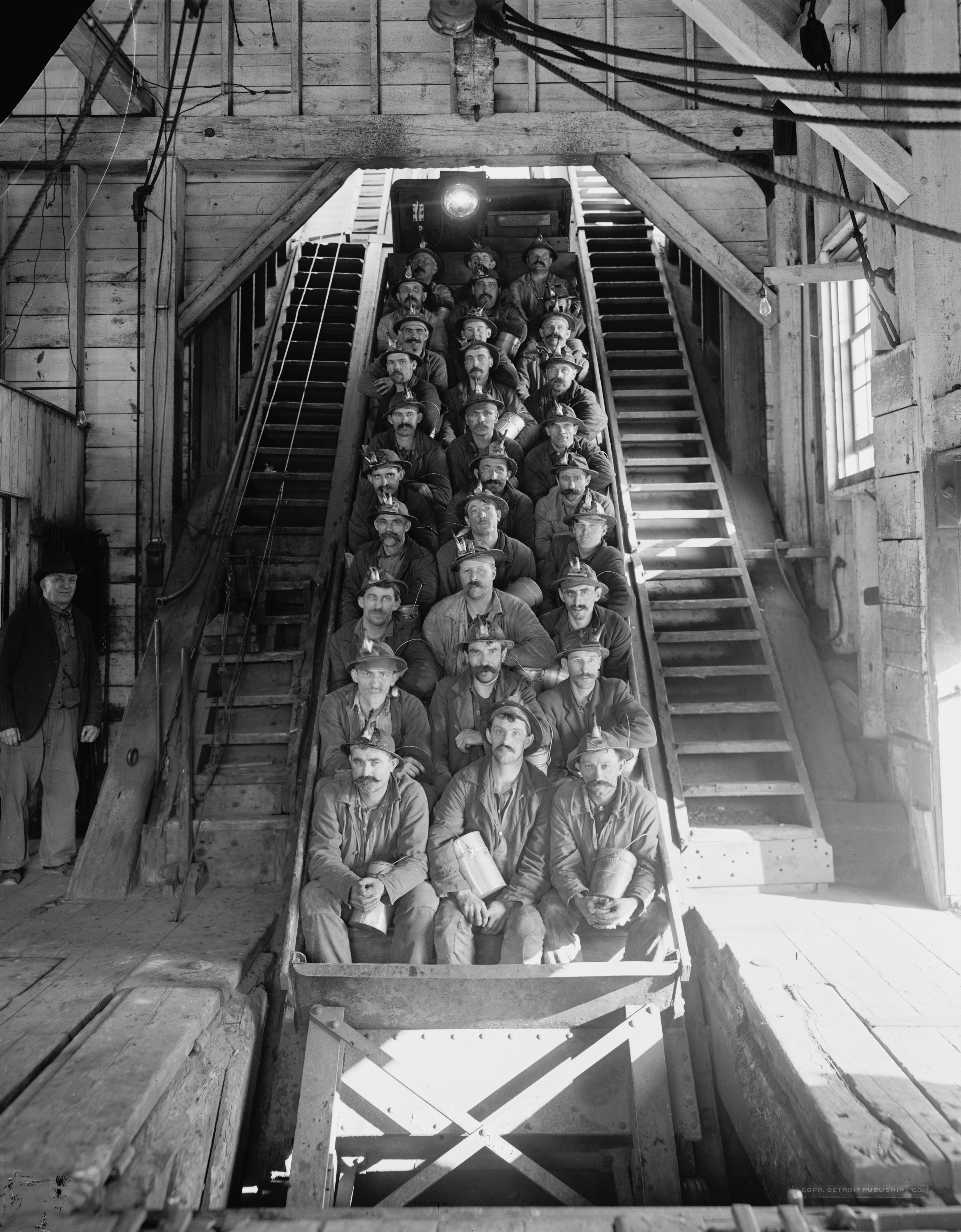
The Copper Kingdom of Calumet: A Landscape of Wealth and Woe
The early 20th century saw Michigan’s Upper Peninsula emerge as a global powerhouse in copper production. Calumet, a bustling mining town, stood at the heart of this industry, dominated by the colossal Calumet & Hecla (C&H) Mining Company. C&H was not merely a corporation; it was an empire, controlling not just the mines but also the housing, schools, and stores, effectively dictating every aspect of its employees’ lives. This immense power allowed C&H to operate with little oversight, prioritizing profit margins over worker welfare.
Miners, many of them immigrants from Italy, Finland, Croatia, and other European nations, toiled in dangerous conditions deep beneath the earth. They faced:
- Low wages: Despite the immense wealth generated by the copper, miners earned meager pay.
- Long hours: Shifts often stretched to 10 or 12 hours, six days a week.
- Hazardous environments: Frequent rockfalls, poor ventilation, and the constant threat of injury or death were daily realities.
- Lack of safety equipment: Basic safety measures were often ignored or deemed too costly by the company.
- An eight-hour workday.
- A minimum wage of $3.50 per day for underground miners.
- The elimination of the “one-man drill,” a new, heavier drilling machine that increased productivity but also worker fatigue and injury rates.
- Recognition of the union as the collective bargaining agent for the miners.
- Hiring strike-breakers: Thousands of replacement workers, often African Americans or Mexican Americans, were brought in, exacerbating racial tensions.
- Employing Pinkerton agents: Private detectives and armed guards were hired to intimidate strikers and their families.
- Evicting families: Strikers and their families were often evicted from company-owned housing.
- Propaganda campaigns: The company used local newspapers to demonize the WFM and its leaders, painting them as radical outsiders.
- Children, smaller and weaker, were quickly trampled beneath the feet of adults.
- Parents desperately tried to shield their children, only to be swept away or crushed themselves.
- The stairwell became a choke point, a death trap where people piled upon each other, suffocating or being crushed to death.
- Many perished not from fire, but from asphyxiation and blunt force trauma in the stampede.
- The “Citizens’ Alliance” button: A witness claimed to have seen a man wearing a “Citizens’ Alliance” button—a violently anti-union group closely aligned with C&H—shouting “fire.” This testimony was later recanted under duress.
- Lack of a fire: The absence of any actual fire was undeniable, proving the cry was a malicious act.
- Door design: The inward-opening doors were a significant factor, trapping the panicked crowd.
- Anti-Union Agitators/Pinkerton Agents: This is the most prevalent theory, particularly among labor historians and the affected families. The intense hostility of the strike, the presence of Pinkerton agents and other company-hired thugs, and the existence of the Citizens’ Alliance suggest a motive to terrorize and intimidate union members. The goal might have been to break the spirit of the strikers or even to cause a stampede to discredit the union.
- A Drunk or Mentally Unstable Individual: Some have speculated that a lone individual, perhaps under the influence of alcohol or suffering from mental illness, might have shouted the warning without malicious intent, simply causing a panic. However, given the context of the bitter strike, this explanation often feels insufficient to those seeking justice.
- Accidental Misinterpretation: A less sinister theory suggests that someone might have genuinely seen something that looked like smoke or heard a noise and mistakenly shouted “fire,” leading to an accidental panic. This theory, however, doesn’t account for the complete absence of any sign of fire.
- The vulnerability of marginalized communities: The victims were primarily immigrant families, often voiceless and powerless against a dominant corporate entity.
- The dangers of unchecked corporate power: The tragedy underscored how corporate greed and anti-union fervor could lead to devastating consequences.
- The importance of labor rights: The disaster is a stark reminder of why safe working conditions, fair wages, and the right to organize are fundamental human rights, hard-won through immense struggle.
- The pursuit of historical truth: Even after a century, the desire to uncover the truth behind who shouted “fire” persists, driven by a deep human need for justice and closure.
- Read about other significant labor strikes in early 20th century America
- Unravel the history of company towns and their impact on workers
- Learn more at the Keweenaw National Historical Park about the Calumet region’s mining history (Link opens in new window)
- Explore archival documents related to the 1913-1914 Michigan Copper Strike (Link opens in new window)
alt="Historic photo of the Italian Hall in Calumet, Michigan, before the 1913 disaster"alt="Black and white image of the crowded stairwell of the Italian Hall after the 1913 disaster"alt="Memorial plaque for the victims of the 1913 Italian Hall Disaster"alt="Newspaper clipping from 1913 describing the Italian Hall tragedy"- Share Title: Uncovering the 1913 Italian Hall Disaster: Greed, Copper, and an Unsolved Tragedy
- Share Description: Delve into the chilling true story of the 1913 Italian Hall Disaster in Calumet, Michigan. A Christmas Eve celebration turned deadly amidst a bitter copper strike. Who cried “fire!”?
- Hashtags: #ItalianHallDisaster #CalumetMichigan #CopperStrike #LaborHistory #TrueCrime #MidwestHistory #UnsolvedMystery #CorporateGreed #WorkersRights #1913Tragedy
These exploitative conditions fueled a growing resentment, setting the stage for one of the most significant labor disputes in American history. The company’s paternalistic yet oppressive control fostered a deep sense of injustice, paving the way for organized resistance.
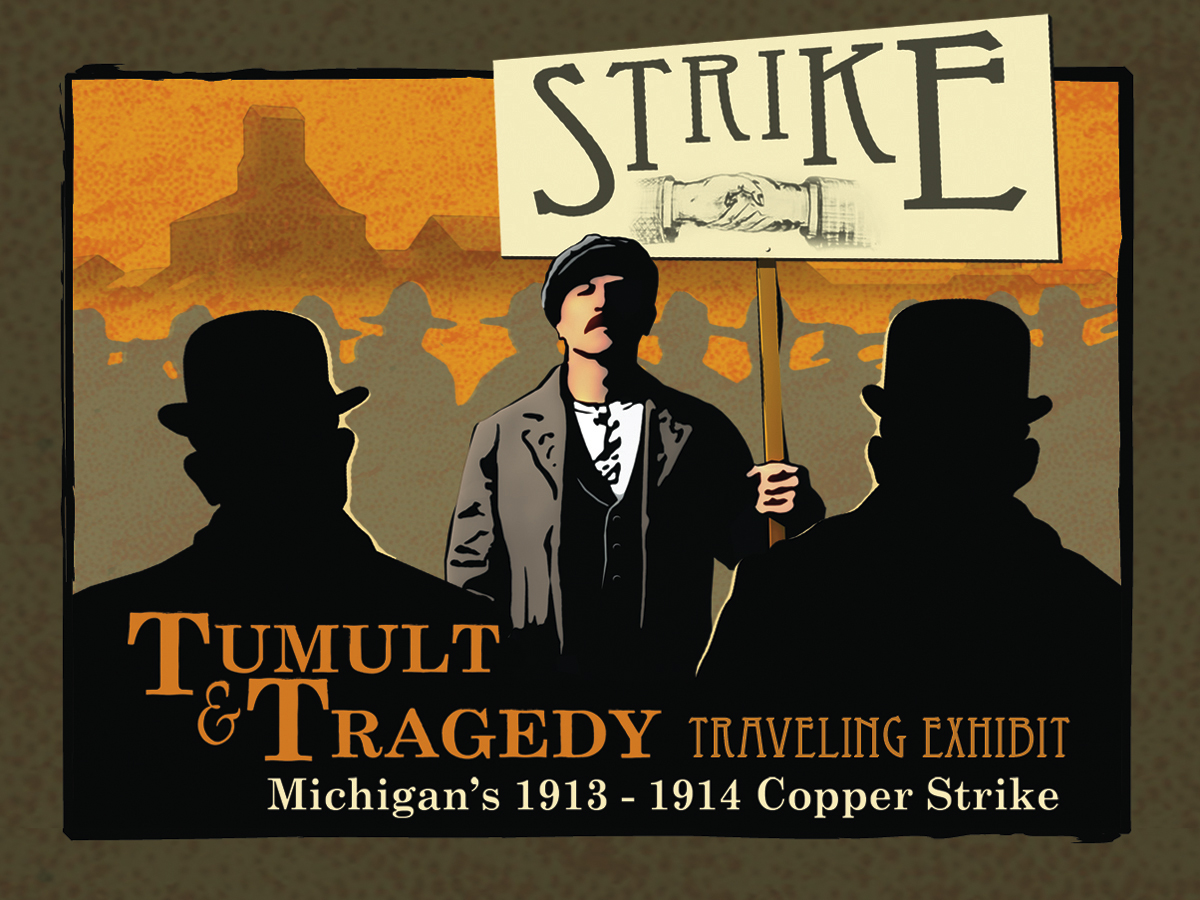
Seeds of Discontent: The 1913 Copper Strike
By 1913, the simmering discontent among Calumet’s miners reached a boiling point. The Western Federation of Miners (WFM), a militant labor union, had been quietly organizing in the region, promising better wages, safer working conditions, and recognition of the union. On July 23, 1913, approximately 9,000 miners walked off the job, initiating what would become a nine-month-long, bitter strike against C&H and other mining companies in the region.
The demands of the WFM were clear:
C&H, led by its staunchly anti-union president, James MacNaughton, refused to negotiate. The company deployed every tactic imaginable to break the strike, including:
The strike became a brutal war of attrition, marked by violence, arrests, and profound hardship for the striking families. The community was deeply divided, with profound animosity building between union supporters and those who remained loyal to the company or were forced to cross the picket lines. This atmosphere of intense hostility and suspicion would prove tragically fertile ground for the disaster to come.
Christmas Eve, 1913: A Community Gathers
As Christmas Eve dawned in Calumet, the strike had dragged on for five grueling months. Thousands of miners and their families faced destitution, their meager savings depleted. To lift spirits and provide some warmth and joy amidst the hardship, the Western Federation of Miners Local 15 hosted a Christmas party for striking families at the Italian Hall, a three-story brick building owned by a fraternal organization.
The Italian Hall was a familiar gathering place, a symbol of community and solidarity for the predominantly immigrant population. On that frigid afternoon, hundreds of men, women, and especially children, flocked to the hall. The air inside was filled with laughter, the scent of pine, and the hopeful sounds of carols and celebration. For a few precious hours, the crushing weight of the strike and the specter of poverty could be forgotten.
The second-floor ballroom was packed, a vibrant mosaic of families sharing food, gifts, and the precious camaraderie that had sustained them through months of struggle. Children, the innocent heart of the celebration, were particularly numerous, their excitement palpable. This festive atmosphere, however, was about to be shattered by an act of unspeakable cruelty and panic.
The Cry of “Fire!”: Chaos and Catastrophe
At approximately 4:40 PM, a single, terrifying word sliced through the merriment: “Fire!”
The cry, shouted from the main stairwell leading up to the second-floor ballroom, instantly transformed the scene of joy into one of sheer terror. Panic erupted. People surged towards the main exit, the only visible escape route. However, the tragedy was compounded by a critical, fatal flaw: the main doors, which opened inward, were designed with a heavy, double-door system. In the ensuing stampede, the sheer press of bodies against the doors made them impossible to open.
Eyewitness accounts describe a horrifying scene:
Within minutes, the screams subsided, replaced by an eerie silence. When the doors were finally forced open from the outside, a horrific tableau was revealed: a tangled mass of bodies, predominantly women and children, lay piled high in the stairwell. The celebration had become a mass grave.
In total, 73 people died, 59 of them children. No fire was ever found. The cry of “fire” was a cruel, baseless lie that led to an unimaginable catastrophe.
The Aftermath: Grief, Blame, and Unanswered Questions
The immediate aftermath was a scene of unparalleled grief and outrage. Calumet, a town already fractured by the strike, was plunged into collective mourning. The dead were laid out, identified by distraught relatives, and buried in mass graves. The community demanded answers, but definitive ones were slow to come, if they came at all.
An inquest was quickly convened, but it was fraught with controversy. Union leaders accused company agents or their sympathizers of deliberately shouting “fire” to terrorize the striking families. They pointed to the fact that the inward-swinging doors, a known fire hazard, were allowed to remain in place despite safety regulations. The company and its allies, however, blamed the WFM for creating a climate of fear and for not adequately managing the crowd.
Key points of contention and evidence included:
Despite extensive testimony, the inquest concluded that the identity of the person who shouted “fire” could not be determined. No one was ever charged, and no one was ever held accountable for the deaths. This lack of justice only deepened the community’s wounds and solidified the belief among many that the tragedy was a deliberate act of union busting.
Who Yelled “Fire!”? Theories and Suspects
Over a century later, the question of who shouted “fire!” remains the central, unresolved mystery of the Italian Hall Disaster, making it a chilling example of a Midwest true historical crime. While no definitive proof has ever emerged, several theories and suspects have been widely discussed:
The lack of a conclusive answer has allowed the wound to fester, leaving generations to grapple with the injustice. The prevailing sentiment among those who remember the disaster is that the powerful mining company and its allies successfully covered up the truth, protecting the perpetrator(s) and ensuring that the tragedy remained an unsolved historical crime.
A Legacy of Injustice: The Strike’s End and Beyond
The Italian Hall Disaster profoundly impacted the Calumet copper strike. The horrific loss of life, particularly so many children, shocked the nation. While it initially garnered sympathy for the striking miners, the company’s propaganda machine worked overtime to shift blame, often portraying the WFM as irresponsible.
The strike eventually collapsed in April 1914. Exhausted, impoverished, and demoralized, the miners returned to work, having achieved few of their initial demands. The WFM’s influence in the region was severely diminished. The tragedy became a stark reminder of the immense power wielded by corporations in the early 20th century and the often-brutal tactics employed to suppress the burgeoning labor movement.
The Calumet copper strike and the Italian Hall Disaster stand as a solemn testament to the human cost of unchecked corporate power and the fierce struggle for workers’ rights. It highlighted the extreme lengths to which companies would go to maintain control, often at the expense of human lives and dignity. The memory of the disaster continues to resonate, not just as a historical event but as a symbol of the ongoing fight for justice and accountability.
The Lingering Shadow: Why the Italian Hall Disaster Still Matters
The 1913 Italian Hall Disaster is more than just a footnote in history; it is a powerful, cautionary tale that continues to speak to us today. It reminds us of:
The Italian Hall Disaster serves as a potent symbol of the broader labor movement tragedies of the 1910s, a period rife with industrial accidents, strikes, and corporate malfeasance. It underscores the importance of remembering these dark chapters to learn from the past and ensure such injustices are never repeated. The empty space where the Italian Hall once stood, marked by a simple memorial, continues to bear witness to the lives lost and the questions that remain unanswered.
Conclusion
The 1913 Italian Hall Disaster is a heart-wrenching chapter in American history, a stark intersection of corporate greed, labor struggles, and an unsolved true crime. On a cold Christmas Eve, a malicious lie transformed a joyous celebration into a horrific tragedy, claiming the lives of 73 innocent people, mostly children. The backdrop of the Calumet copper strike, a brutal struggle between powerful mining companies and desperate workers, created an atmosphere ripe for such an atrocity.
Despite investigations, the identity of the person who cried “fire!” remains shrouded in mystery, a testament to the power dynamics of the era and the challenges of achieving justice for the marginalized. The disaster stands as a somber reminder of the human cost of industrial conflict and the long, arduous fight for workers’ rights. Its legacy continues to echo, urging us to remember the victims and to remain vigilant against the forces of injustice.
The story of the Italian Hall Disaster is a crucial piece of our collective past, urging us to reflect on the power of historical investigation and the enduring quest for truth.
*
Explore more investigative history on early American corporate power and the profound impact it had on the lives of ordinary people. Discover hidden narratives of power, corruption, and resilience that shaped the nation.
Internal Link Suggestion:
External Link Suggestion:
Image Alt Text Suggestions:
Social Sharing Optimization: