Unmasking Censored Histories: Illuminating Hidden Truths and Historical Cover-Ups
History, as the saying goes, is written by the victors. But what happens to the stories of those who did not win, or to narratives that do not fit the official version? Unmasking censored histories means examining the complex layers of information control, propaganda, and deliberate obfuscation that have shaped our understanding of the past. It means pulling back the curtain on historical cover-ups and revealing the hidden truths that challenge established narratives, offering a richer and more accurate picture of human events for historians and diligent truth-seekers alike.
The Mechanics of Historical Suppression: How Truths Get Buried
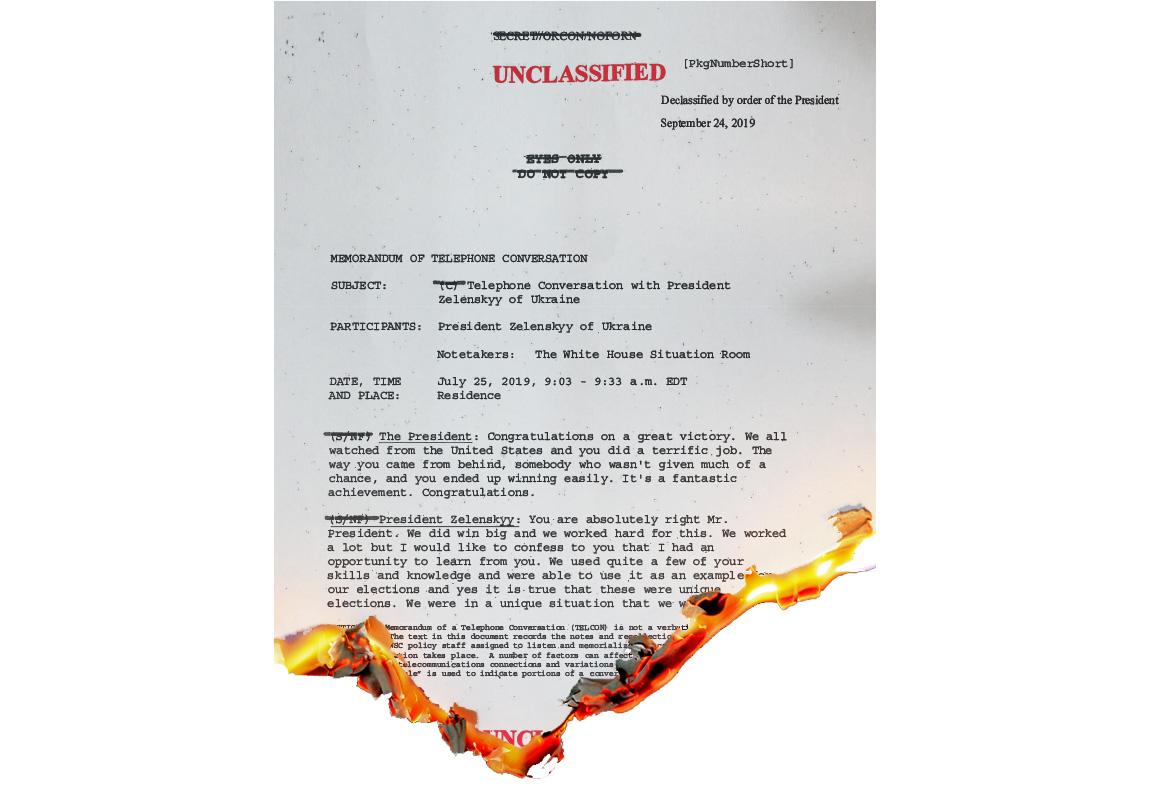
Historical suppression is not always a dramatic bonfire of books or a shadowy cabal erasing records. Often, it is a subtler and more insidious process involving a confluence of factors that gradually obscure, distort, or outright bury uncomfortable facts. Understanding these mechanisms is the first step in recognizing when a historical narrative may be incomplete or deliberately misleading.
State-Sponsored Censorship and Propaganda
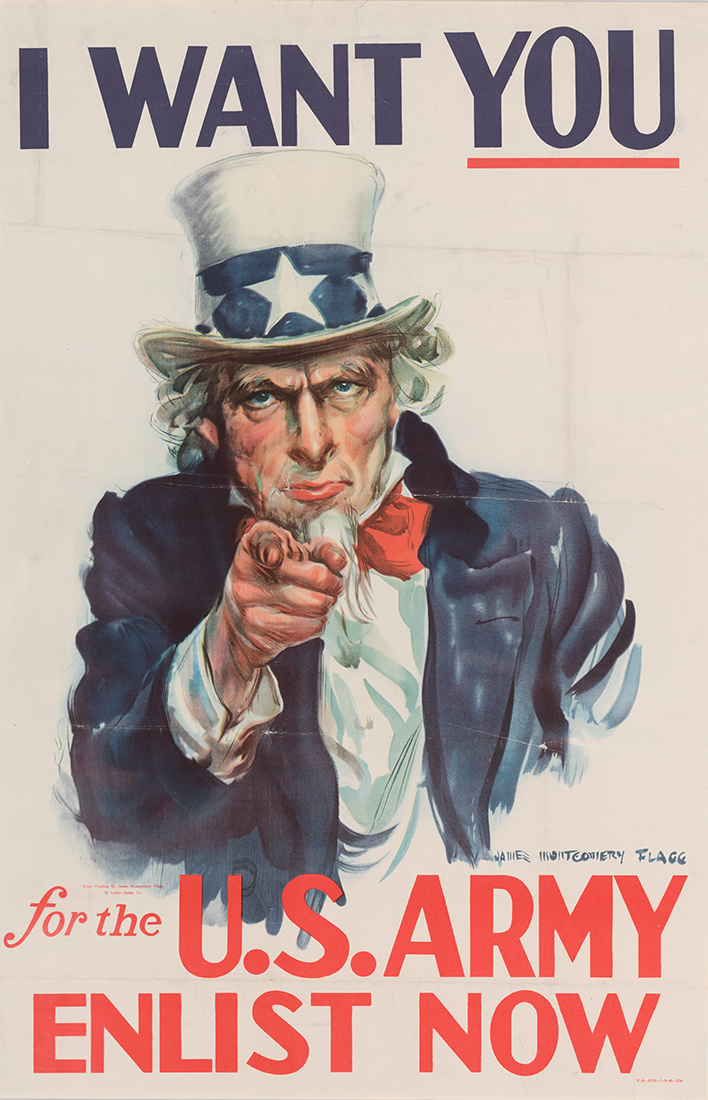
One of the most potent forces behind suppressed history is the state itself. Governments, whether authoritarian or ostensibly democratic, frequently engage in censorship and propaganda to control public perception and maintain power. This can range from direct suppression of dissent and the rewriting of textbooks to the strategic release of information that supports a particular ideology. Various regimes have controlled media, education, and public discourse to shape national memory, often omitting inconvenient facts about past atrocities or policy failures.

Cultural and Ideological Bias
Beyond state intervention, cultural and ideological biases play a significant role in determining which stories are told and which are ignored. Dominant societal norms, religious beliefs, or prevailing political ideologies can inadvertently, or deliberately, marginalize certain perspectives. For centuries, for example, the histories of women, Indigenous peoples, and minority groups were largely absent from mainstream narratives, deemed less important or simply outside the scope of “official” history. This is not always a malicious historical cover-up; it can also reflect who held the power to define what constituted valuable history.

Economic and Corporate Influence
The influence of powerful economic and corporate entities can also lead to hidden truths. When historical events or scientific findings threaten established industries, corporate reputations, or economic interests, there can be immense pressure to suppress or discredit them. Consider the long history of industries downplaying environmental damage or health risks, where internal documents and research were kept hidden for decades before being uncovered by tenacious researchers. These are often complex situations in which profits are prioritized over public knowledge.

Archival Control and Destruction
Perhaps the most direct method of burying history is through the control or destruction of physical evidence. Governments, organizations, and even individuals can restrict access to archives, classify documents indefinitely, or, in extreme cases, deliberately destroy records that could expose misdeeds or challenge official stories. The loss of ancient texts, the selective preservation of colonial records, or the “disappearance” of government files are all examples of how the very raw materials of history can be manipulated, leaving future generations with incomplete puzzles.
Why Do Societies Suppress Their Past? The Motivations Behind Historical Cover-Ups
The act of suppressing history is not accidental; it is driven by powerful motivations rooted in self-preservation, national identity, and the desire to control narratives. Understanding these underlying reasons helps us appreciate the scale and complexity of what it takes to unearth hidden truths.
Maintaining Power and Legitimacy
For those in power, a carefully curated version of history is a vital tool for maintaining control. By presenting a sanitized past that glorifies leaders, justifies actions, and downplays failures, ruling elites can bolster their legitimacy and discourage dissent. Acknowledging historical injustices or mistakes might undermine public trust, invite scrutiny, or even trigger demands for accountability, all of which threaten the existing power structure. This is a classic motivation for historical cover-ups, where the truth is seen as a direct threat to stability.
Shaping National Identity
Nations often construct powerful narratives about their origins, triumphs, and values to foster a sense of unity and shared identity. This process frequently involves emphasizing certain events and heroes while minimizing or omitting less flattering aspects. For example, many nations have struggled with how to incorporate colonial legacies or internal conflicts into their national story without disrupting a carefully crafted image of moral rectitude or exceptionalism. This kind of self-serving revisionist history serves to create a cohesive, often romanticized, self-image.
Avoiding Accountability and Guilt
Perhaps one of the most human motivations for suppression is the desire to avoid accountability for past wrongs. This applies to individuals, institutions, and entire nations. Uncomfortable truths about atrocities, systemic injustices, or moral compromises can generate immense guilt and demands for reparations or justice. By burying these facts, societies can collectively avoid confronting their complicity or the uncomfortable legacy of their ancestors. This is particularly evident in cases where genocide or widespread human rights abuses have occurred, and the perpetrators or their successors seek to deny or minimize their actions.
Protecting Reputation and Legacy
On a more personal or organizational level, the suppression of history can be driven by a desire to protect reputations and legacies. Prominent figures, powerful families, or established institutions may actively work to conceal aspects of their past that could tarnish their image or reveal unethical behavior. This could involve everything from personal scandals to corporate malfeasance, where historical records are manipulated to present a more favorable public persona.
Case Studies in Suppressed History: Glimpses of Hidden Truths
Examining specific examples brings the abstract concept of suppressed history into sharp focus. These cases illustrate the diverse forms that historical cover-ups can take and the profound impact they have on our understanding of the past.
The Tulsa Race Massacre (USA)
In 1921, a prosperous Black community in Tulsa, Oklahoma, known as “Black Wall Street,” was brutally attacked by white mobs. Homes and businesses were burned, and hundreds of people were killed. For decades, this horrific event was largely erased from history books, local memory, and official records. News reports at the time often downplayed the violence or blamed the Black community. It was a classic local historical cover-up, largely ignored by mainstream historical narratives until persistent activism and historical research in the late twentieth and early twenty-first centuries finally brought it to national attention. The story of Tulsa highlights how local power structures and racial prejudice can effectively bury a devastating truth for generations.
The Armenian Genocide (Ottoman Empire/Turkey)
From 1915 to 1923, an estimated 1.5 million Armenians were systematically exterminated by the Ottoman government. Despite overwhelming evidence from international observers, diplomatic reports, and survivor testimonies, successive Turkish governments have vehemently denied that these events constituted a genocide, instead characterizing them as wartime casualties or intercommunal conflict. This ongoing state-sponsored denial represents one of the most prominent examples of a suppressed history on a global scale, with political and economic pressures often influencing international recognition. It is a powerful demonstration of how a nation can actively engage in distorted revisionist history to shape its international image and internal narrative.
Operation Mockingbird and CIA Interventions (USA)
Throughout the Cold War, the U.S. Central Intelligence Agency (CIA) engaged in numerous covert operations, both domestically and internationally, to influence public opinion, undermine foreign governments, and gather intelligence. While some of these activities were eventually declassified, many details remained hidden truths for decades, often coming to light through whistleblowers, investigative journalism, and Freedom of Information Act requests. Operation Mockingbird, for instance, allegedly involved the CIA influencing media outlets, raising questions about the manipulation of information within democratic societies. These stories reveal how governments can operate in secrecy, creating a gap between public perception and actual events that only painstaking research can bridge.
The Soviet Famine of 1932–33 (Holodomor)
The Holodomor, a man-made famine orchestrated by the Soviet regime under Joseph Stalin, devastated Ukraine and resulted in millions of deaths. For decades, the Soviet Union actively suppressed any mention of the famine, destroying records, punishing those who spoke out, and controlling access to affected regions. Western journalists who reported on it were often discredited. This deliberate obfuscation and denial served to maintain the image of Soviet agricultural success and prevent internal dissent. Only after the collapse of the Soviet Union did the full extent of this historical cover-up become widely known, allowing historians to reconstruct the devastating truth through newly accessible archives and survivor accounts.
The Tools of Unmasking: How Scholars and Truth-Seekers Illuminate Hidden Truths
Uncovering suppressed history is a challenging but essential endeavor. It requires dedication, critical thinking, and a willingness to question established narratives. Fortunately, scholars and truth-seekers employ a range of sophisticated tools and methodologies to bring hidden truths to light.
Archival Research and Declassification
The bedrock of historical investigation lies in meticulous archival research. This involves sifting through vast collections of documents, letters, government records, and institutional files, often in specialized archives or national libraries. The process of declassification, in which previously secret government documents are made public after a certain period, is particularly crucial. These newly available records can provide invaluable insights into policy decisions, covert operations, and the true motivations behind historical events that were once shrouded in secrecy. It is a painstaking process, but it often yields the most concrete evidence of historical cover-ups.
Oral Histories and Witness Testimonies
For events where written records are scarce, biased, or deliberately destroyed, oral histories become vital. Interviewing survivors, witnesses, and descendants can provide unique, firsthand accounts that challenge official narratives and fill critical gaps. This is especially important for marginalized communities whose stories may never have been recorded in traditional archives. While oral histories require careful corroboration, they offer a powerful human dimension to suppressed history, giving voice to those previously silenced.
Whistleblowers and Investigative Journalism
Sometimes, the most direct path to uncovering hidden truths comes from within. Whistleblowers, individuals with inside knowledge who choose to expose wrongdoing, often provide the initial spark that ignites a larger investigation. Coupled with tenacious investigative journalism, which involves deep research, interviewing multiple sources, and cross-referencing information, these efforts can force transparency and bring classified or deliberately hidden information into the public sphere. The Pentagon Papers and revelations about government surveillance programs are powerful examples of how courageous individuals and dedicated journalists can reshape public understanding.
Comparative History and Interdisciplinary Approaches
Historians do not work in a vacuum. By comparing historical events across different cultures, nations, or time periods, researchers can identify patterns of suppression or denial that might not be obvious in a single case study. Furthermore, integrating insights from other disciplines such as sociology, anthropology, psychology, and even forensic science can provide new analytical frameworks and evidence to challenge distorted revisionist history. For example, forensic archaeology can uncover physical evidence of mass graves, directly refuting denials of atrocities.
Digital Humanities and Open Access
The digital age has revolutionized how we access and analyze historical information. Digital archives, online databases, and crowdsourcing initiatives are making previously inaccessible documents available to a global audience. Tools from the digital humanities allow for new forms of analysis, such as text mining vast collections of documents to uncover hidden connections or linguistic patterns. This move toward open access and digital tools empowers a broader range of researchers and citizens to engage in the work of unmasking suppressed history.
The Impact of Revisionist History: Why Uncovering the Past Matters
The act of unmasking censored histories is not merely an academic exercise; it has profound implications for justice, reconciliation, and the future of society. Understanding the true past is crucial for navigating the present and shaping a more equitable future.
Correcting Injustices and Seeking Reparations
When hidden truths about past wrongs come to light, they often open the door for correcting historical injustices. This can involve official apologies, recognition of victims, and even reparations for communities that suffered because of historical cover-ups. For instance, the recognition of the Tulsa Race Massacre has led to calls for reparations and a deeper examination of systemic racial violence in the United States. Acknowledging the truth is the first step toward healing and reconciliation.
Learning from Past Mistakes
One of history’s most vital functions is to teach us lessons. By confronting suppressed history, we gain a clearer understanding of the causes and consequences of past mistakes, atrocities, and policy failures. This knowledge is essential for preventing their recurrence. If we ignore or sanitize the past, we risk repeating its most tragic errors. Unmasking the full story of events such as genocides or widespread human rights abuses provides crucial insights into the human capacity for both cruelty and resilience.
Fostering Critical Thinking and Skepticism
The ongoing pursuit of hidden truths encourages a healthy skepticism toward official narratives and a commitment to critical thinking. It teaches individuals to question sources, seek multiple perspectives, and analyze information rigorously. In an age of misinformation and propaganda, this ability to discern truth from fabrication is more important than ever. Engaging with suppressed history trains us to be more astute consumers of information and more active participants in shaping our collective understanding.
Strengthening Democratic Values
Transparency and accountability are cornerstones of democratic societies. When governments or institutions engage in historical cover-ups, they undermine these values. The process of unmasking these truths, therefore, strengthens democratic principles by holding power accountable, ensuring open discourse, and affirming the public’s right to know. A society that is willing to confront its full history, warts and all, is ultimately a more resilient and just society.
Conclusion
The journey to unmask censored histories