Unmasking Censored Histories: Illuminating Hidden Truths and Cover-Ups
History, often presented as a fixed chronicle of events, is in reality a dynamic and frequently contested narrative. Across eras and cultures, significant events, inconvenient truths, and entire perspectives have been deliberately obscured or outright erased from public memory, forming what we now understand as suppressed history. This article delves into the intricate world of historical cover-ups and the vital work of unmasking these hidden truths, exploring why and how these narratives are constructed, and why their reclamation is crucial for a complete understanding of our past and present.
Far from being a static record, history is a living story, constantly being told and retold, interpreted and reinterpreted. Yet this process isn’t always organic or objective. Often, powerful forces — be they political regimes, dominant ideologies, or influential groups — actively shape historical accounts to serve their own agendas. This deliberate manipulation can lead to significant historical cover-ups, where inconvenient facts are buried, dissenting voices are silenced, and official narratives are crafted to present a sanitized or entirely fabricated version of events. For history scholars and truth-seekers alike, the journey to illuminate these hidden truths is a critical endeavor, demanding rigorous investigation and a commitment to understanding the complexities that lie beneath the surface of accepted history.

The Shifting Sands of Official Narratives: Why History Gets Rewritten
Why does history become suppressed? The motivations are as varied as the societies that engage in them, but they almost always boil down to the exercise and maintenance of power. When a group or government controls the historical narrative, they control the collective memory, and by extension, the understanding of identity, legitimacy, and destiny. This control is a potent tool for shaping public opinion, justifying current policies, and even preventing future challenges to authority.
Consider the aftermath of conflicts: it’s a common adage that “history is written by the victors.” This isn’t merely a cynical observation; it’s a fundamental truth about how power dynamics influence historical record-keeping. The conquering party often has the resources and authority to commission historians, control archives, and dictate what is taught in schools. Their version of events naturally glorifies their actions, demonizes their opponents, and minimizes any moral ambiguities or atrocities committed. This isn’t always a malicious act of explicit lying, but rather a selective remembering and framing that benefits the prevailing power structure.
Beyond direct conquest, ideological imperatives frequently drive historical revisionism. Nationalist movements, for instance, might emphasize a glorious, unbroken lineage while downplaying periods of internal strife or foreign influence. Revolutionary governments might erase the contributions of previous regimes or exaggerate their failures to legitimize the new order. Economic interests can also play a role, as narratives that support certain industries or resource exploitation might omit the environmental or social costs involved. In essence, whenever there’s a vested interest in how the past is perceived, there’s a potential for historical truths to be bent, broken, or buried.

Mechanisms of Suppression: How Historical Truths Are Buried
The act of suppressing history isn’t a single, monolithic action; it’s a multi-faceted process involving various deliberate strategies. Understanding these mechanisms is key to recognizing when an official narrative might be incomplete or misleading.
Archival Control and Document Destruction
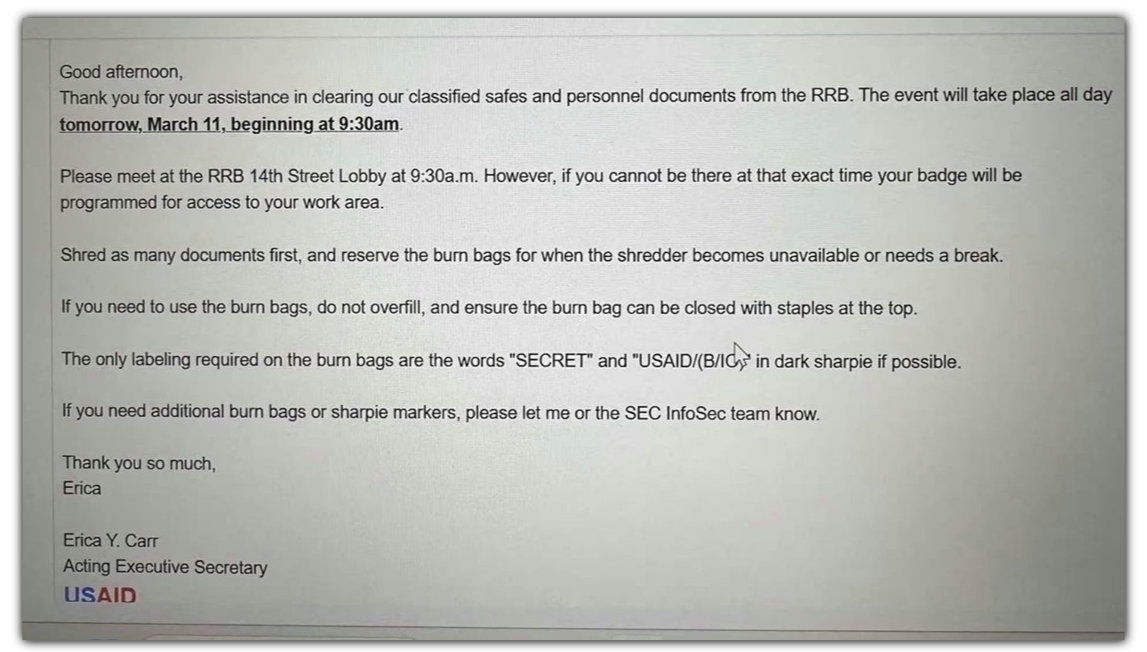
Perhaps the most direct method of historical suppression is the control and manipulation of primary sources. This can range from the deliberate destruction of documents that contain inconvenient truths to the selective archiving of materials that support an approved narrative. Imagine how much of our understanding of past governments, corporations, or conflicts relies on official records. If these records are systematically purged, altered, or simply made inaccessible, the ability to reconstruct an accurate picture of events becomes severely compromised. Whistleblowers and investigative journalists often risk much to expose such practices, highlighting the critical importance of open access to historical archives.

Propaganda and State-Sponsored Narratives
Propaganda is a powerful tool for shaping public perception in real-time, but its effects can also ripple through history. Governments and other powerful entities can invest heavily in creating and disseminating narratives that align with their interests, often through state-controlled media, public relations campaigns, and cultural institutions. Over time, these narratives can become so ingrained that they are accepted as historical fact, even when they are heavily biased or outright false. The careful crafting of national myths, hero narratives, and explanations for economic or social conditions can all be forms of historical manipulation designed to maintain cohesion or justify actions.

Educational Curricula and Textbooks
One of the most insidious and long-lasting forms of historical suppression occurs within the educational system. What is taught (and, crucially, what is not taught) in schools shapes the worldview of generations. Textbooks are often subject to political pressures, ideological litmus tests, and market forces, leading to sanitized versions of history that omit uncomfortable truths, downplay atrocities, or present a biased view of national identity. When certain historical events, figures, or perspectives are systematically excluded from the curriculum, entire populations can grow up with a profoundly incomplete or distorted understanding of their own past.
Silencing Dissenting Voices
Historians, researchers, journalists, and even ordinary citizens who challenge official narratives often face significant pressure. This can manifest as academic ostracization, loss of funding, professional discredit, censorship, or in more extreme cases, persecution, imprisonment, or even violence. The chilling effect of such actions discourages others from pursuing uncomfortable truths, thereby reinforcing the dominant historical account. Protecting academic freedom and independent inquiry is therefore paramount for the health of historical scholarship.
Cultural Erasure and Monumental Revision
History isn’t just written; it’s also etched into our physical environment. Monuments, place names, public art, and cultural traditions all serve as reminders of the past. Cultural erasure involves the deliberate removal, alteration, or renaming of these physical markers to obliterate memories of certain events or people. Tearing down statues, renaming cities, or destroying cultural artifacts can be powerful acts of historical suppression, aiming to reshape collective memory and deny the existence or significance of past realities. Conversely, the construction of new monuments or the establishment of new holidays can also be used to promote a particular historical narrative.
Case Studies in Suppressed History: Peeling Back the Layers
To truly grasp the impact of historical suppression, it’s helpful to examine specific instances where hidden truths have been brought to light. These examples illustrate the mechanisms at play and the profound implications for our understanding of the past.
The Tulsa Race Massacre (1921)
For decades, the horrific events of the 1921 Tulsa Race Massacre were largely absent from mainstream American history textbooks and public discourse. In what was once a thriving Black community known as “Black Wall Street” in Greenwood, Tulsa, Oklahoma, a white mob attacked residents and businesses, leaving hundreds dead and thousands homeless. Eyewitness accounts and contemporary newspaper reports detailed the devastation, yet for generations, this brutal episode was systematically suppressed. Local officials actively worked to downplay or erase the event, and it was rarely taught in schools. It wasn’t until the late 20th and early 21st centuries, through the tireless efforts of historians, journalists, and descendants, that the truth began to emerge, forcing a national reckoning with this hidden chapter of racial violence. The ongoing struggle for reparations and recognition highlights the long shadow cast by suppressed history.
The Armenian Genocide (1915–1923)
The systematic extermination of 1.5 million Armenians by the Ottoman government during World War I is a tragic example of a historical event that has faced persistent denial and revisionism. Despite overwhelming historical evidence, including diplomatic cables, eyewitness accounts, and survivor testimonies, successive Turkish governments have largely refused to acknowledge the events as a “genocide.” This ongoing suppression and the crafting of alternative narratives have had profound geopolitical and humanitarian consequences, preventing reconciliation and justice for the victims and their descendants. The battle over terminology itself becomes a site of historical struggle, demonstrating how powerful entities can exert control over the interpretation of past atrocities.
Operation Mockingbird and CIA Influence
The extent of the CIA’s involvement in media and cultural institutions during the Cold War, commonly known as Operation Mockingbird, remains a subject of intense historical debate and speculation. While the specific details are still contested, declassified documents and investigative journalism have revealed that the agency did indeed engage in covert operations to influence public opinion, including funding cultural organizations, planting stories in foreign media, and even recruiting journalists as assets. For years, such claims were dismissed as conspiracy theories, but the slow drip of declassified information has forced a re-evaluation of how much control intelligence agencies exerted over the information landscape, raising critical questions about journalistic independence and the integrity of public discourse during a pivotal historical period.
The True Cost of Colonialism
Official histories of colonial empires often emphasize the “civilizing mission,” economic benefits, and technological advancements brought by imperial powers. These narratives frequently gloss over, minimize, or entirely omit the brutal realities of exploitation, violence, slavery, resource extraction, cultural destruction, and systemic oppression inflicted upon colonized peoples. From the transatlantic slave trade to the famines caused by colonial policies in India, the true human and ecological costs of colonialism were deliberately downplayed or justified. Revisionist historians and post-colonial scholars have worked tirelessly to bring these suppressed histories to the forefront, demanding a more honest and comprehensive understanding of imperial legacies and their lasting impact on global inequalities.
Indigenous Histories in the Americas
For centuries, the histories of Indigenous peoples in the Americas were largely marginalized, distorted, or entirely erased by colonial narratives. The rich, complex societies that existed before European contact, their sophisticated knowledge systems, their resistance to conquest, and the devastating impact of colonization (disease, displacement, genocide) were often reduced to footnotes or romanticized myths. Official histories tended to focus on the “discovery” and “settlement” of the continent, portraying Indigenous peoples as primitive obstacles to progress. Through oral traditions, archaeological discoveries, and the persistent advocacy of Indigenous scholars and communities, these suppressed histories are now being reclaimed, offering vital counter-narratives that challenge Eurocentric biases and provide a more truthful account of the continent’s past.
The Role of Revisionist History: Challenging the Orthodoxy
The term “revisionist history” sometimes carries a negative connotation, often conflated with denialism or attempts to whitewash past atrocities. However, in its purest and most academic sense, revisionist history is a crucial and healthy part of historical scholarship. It refers to the process by which historians re-examine existing historical records, interpretations, and narratives, often in light of new evidence, new methodologies, or new perspectives.
Genuine revisionist history isn’t about fabricating facts or pushing an agenda; it’s about intellectual rigor and a commitment to a more accurate and nuanced understanding of the past. It involves:
- Questioning established narratives: Not taking official accounts at face value.
- Seeking out marginalized voices: Giving agency to those previously silenced.
- Utilizing new sources: Uncovering declassified documents, archaeological finds, or previously overlooked testimonies.
- Applying new theoretical frameworks: Re-interpreting events through different lenses (e.g., gender studies, post-colonial theory, environmental history).
This critical re-evaluation is essential because historical understanding is never static. As societies evolve, new questions arise, and new evidence comes to light, our understanding of the past must also evolve. The courage of revisionist historians lies in their willingness to challenge powerful institutions and deeply ingrained beliefs, often facing resistance and criticism for their efforts. Their work is fundamental to uncovering suppressed history and ensuring historical integrity.
Why Uncovering Hidden Truths Matters: The Stakes of Historical Integrity
The pursuit of hidden truths and the unmasking of historical cover-ups are not merely academic exercises; they are vital for the health of society, democracy, and global relations. The stakes of historical integrity are profoundly high.
Firstly, there is a moral imperative to acknowledge past injustices. Denying or suppressing the suffering of victims prevents healing, perpetuates trauma, and denies communities the recognition and justice they deserve. Acknowledging the full scope of historical atrocities, from genocides to systemic discrimination, is a prerequisite for reconciliation and building a more equitable future.
Secondly, a complete and accurate understanding of history is crucial for learning from past mistakes. When historical events are sanitized or distorted, we lose the opportunity to analyze their causes, understand their consequences, and develop strategies to prevent similar errors. If we don’t understand the true origins of conflicts, economic crises, or social inequalities, we are condemned to repeat them. For instance, understanding the historical roots of systemic racism is essential for dismantling it today.
Thirdly, unmasking suppressed history informs present-day policy and social justice movements. Many contemporary issues, from land rights to reparations, from educational disparities to health inequities, have deep historical roots. A clear understanding of how these issues were shaped by past actions and historical cover-ups empowers advocates and policymakers to address them more effectively and justly.
Finally, a society that tolerates historical suppression compromises its very ability to discern truth from falsehood. When official narratives are accepted without question, critical thinking erodes, and populations become more susceptible to manipulation. Preserving historical integrity is therefore a defense against propaganda and a cornerstone of an informed citizenry.
Tools and Techniques for the Truth-Seeker
For those dedicated to unmasking suppressed history, a rigorous and systematic approach is essential. It requires a blend of traditional historical methods and a willingness to embrace new technologies and perspectives.
Critical Source Analysis
Never take any single source at face value, especially when dealing with official narratives. Ask: Who created this source? What was their agenda? What biases might they have? What was the context in which it was produced? Is anything missing? This critical lens applies to everything from government documents to personal diaries.
Cross-Referencing and Triangulation
The most robust historical claims are those supported by